Bombay High Court judgments

2128 Bombay High Court judgments explained in plain English: what was decided, the law applied and why it matters. Page 14 of 89.

Pre-Independence Caste Documents Mandatory in OBC Scrutiny | Vigilance Report Rejections Require Reasoned Orders : Bombay HC Nagpur Bench
Case Law Analysis
|Bombay High Court

Pre-Independence Caste Documents Mandatory in OBC Scrutiny | Vigilance Report Rejections Require Reasoned Orders : Bombay HC Nagpur Bench

The Bombay HC Nagpur Bench has ruled that OBC caste scrutiny committees cannot ignore pre-Independence documents establishing caste identity and must record detailed reasons for rejecting supporting vigilance reports. This sets a new standard for procedural fairness in caste certification, directly impacting thousands of OBC applicants facing arbitrary rejections without documentation review or justification.

Section 41 Consumer Protection Act 2019 | 530-Day Delay Condoned Due to Ex-Parte Order & Delayed Notice : SCDRC Maharashtra
|Bombay High Court

Section 41 Consumer Protection Act 2019 | 530-Day Delay Condoned Due to Ex-Parte Order & Delayed Notice : SCDRC Maharashtra

SCDRC Maharashtra condoned a 530-day delay in filing a consumer appeal, holding that delayed notice of an ex-parte order and subsequent legal consultation constitute 'sufficient cause' under Section 41. The ruling underscores the Commission's liberal approach to delay condonation where procedural lapses by the opposite party contribute to the delay.

Consumer Protection Act | Insurance Claim Rejection for Non-Material Disclosure Violates Unfair Trade Practice : Maharashtra SCDRC
Case Law Analysis
|Bombay High Court

Consumer Protection Act | Insurance Claim Rejection for Non-Material Disclosure Violates Unfair Trade Practice : Maharashtra SCDRC

Maharashtra State Consumer Disputes Redressal Commission rules that rejecting a medical insurance claim and cancelling a policy based on non-disclosure of a non-material fact (speech delay) constitutes deficiency in service and unfair trade practice. The ruling reinforces that insurers cannot arbitrarily void policies for immaterial omissions, protecting policyholders from bad-faith rejections.

Article 226 Powers | High Court Can Retrospectively Shift Section 4 Notification Date to Prevent Injustice in Land Acquisition: Bombay HC
Case Law Analysis
|Bombay High Court

Article 226 Powers | High Court Can Retrospectively Shift Section 4 Notification Date to Prevent Injustice in Land Acquisition: Bombay HC

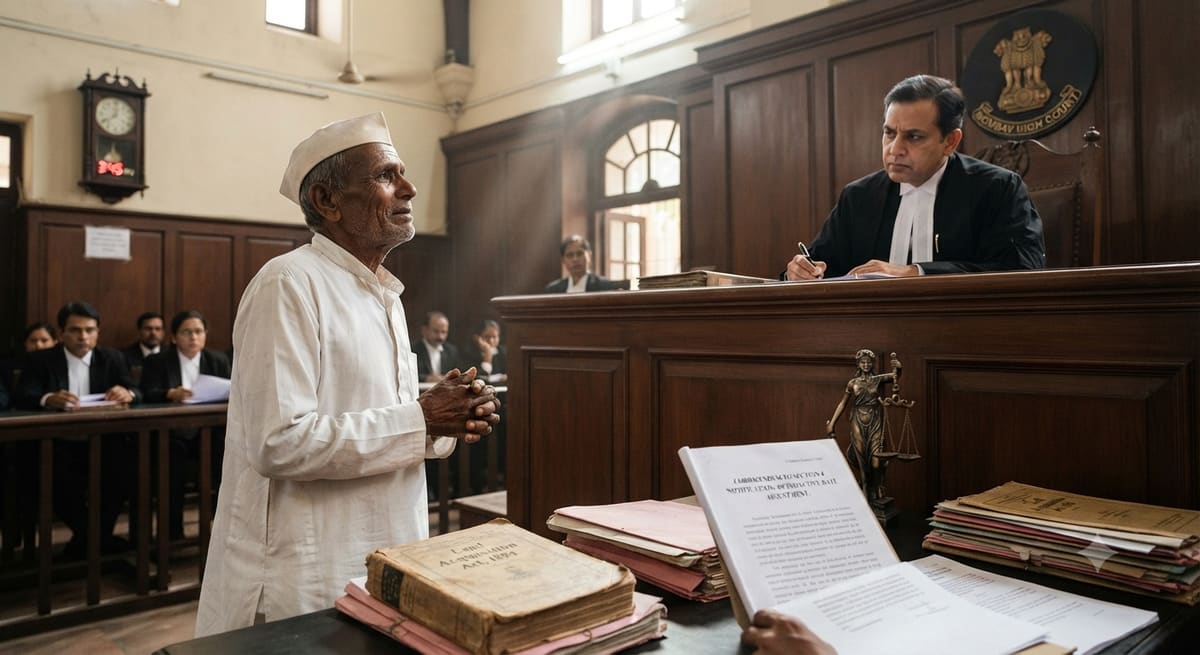
Bombay High Court rules that while State Land Acquisition Officers lack authority to alter Section 4 notification dates under the Land Acquisition Act, 1894, High Courts can exercise Article 226 powers to retrospectively adjust dates to prevent injustice. The Court shifted the notification date to the writ petition filing date, ensuring fair compensation calculation for affected landowners.

Section 6 Land Acquisition Act 1894 | Declaration Beyond One Year of Section 4 Notification Lapses Acquisition : Bombay HC Orders Fresh Compensation Calculation
Case Law Analysis
|Bombay High Court

Section 6 Land Acquisition Act 1894 | Declaration Beyond One Year of Section 4 Notification Lapses Acquisition : Bombay HC Orders Fresh Compensation Calculation

Bombay High Court rules that acquisition proceedings under the Land Acquisition Act, 1894 lapse if the Section 6 declaration is not issued within one year of the Section 4 notification. The court directed a fresh compensation calculation for land acquired in 1960, adjusting the notification date to 26.08.2011 to balance landowners' rights and public interest, setting a precedent for timely compliance with procedural timelines.

Rule 25-A MEPS Rules | Absorption of Surplus Teachers Not Automatic; Dies Non Period Excludes Backwages : Bombay HC Aurangabad
Case Law Analysis
|Bombay High Court

Rule 25-A MEPS Rules | Absorption of Surplus Teachers Not Automatic; Dies Non Period Excludes Backwages : Bombay HC Aurangabad

Bombay High Court Aurangabad Bench rules that surplus teachers from derecognized schools have no vested right to absorption or backwages for the period treated as 'dies non' under Maharashtra Employees of Private Schools Rules, 1981. The judgment clarifies that absorption is subject to administrative discretion, and no salary entitlement arises during the interim period.

Review Jurisdiction Under Civil Procedure | Bombay HC Rejects Reopening Land Acquisition Dispute Without New Evidence : Bombay HC
|Bombay High Court

Review Jurisdiction Under Civil Procedure | Bombay HC Rejects Reopening Land Acquisition Dispute Without New Evidence : Bombay HC

Bombay High Court reinforces judicial finality by dismissing CIDCO's review petition, holding that mere reliance on documents already part of the record does not constitute 'new evidence' under review jurisdiction. The ruling underscores that reopening settled land acquisition disputes without fresh material amounts to abuse of process, affecting government bodies and litigants in similar disputes.

Public Premises Act 1971 Overrides Rent Control Legislation | Civil Courts Barred from Tenancy Disputes in Public Premises : Bombay HC
Case Law Analysis
|Bombay High Court

Public Premises Act 1971 Overrides Rent Control Legislation | Civil Courts Barred from Tenancy Disputes in Public Premises : Bombay HC

Bombay High Court rules that the Public Premises (Eviction of Unauthorized Occupants) Act, 1971 prevails over Rent Control legislation, stripping civil courts of jurisdiction over tenancy disputes in public premises-even for tenancies predating the Act. The ruling mandates eviction proceedings under the 1971 Act, impacting tenants and public sector landlords across Maharashtra.

Article 30(1) Exemption | Minority Institutions Immune from RTE Act Staffing Rules & Recruitment Bans : Bombay HC Aurangabad Bench
Case Law Analysis
|Bombay High Court

Article 30(1) Exemption | Minority Institutions Immune from RTE Act Staffing Rules & Recruitment Bans : Bombay HC Aurangabad Bench

Bombay High Court reaffirms that minority institutions under Article 30(1) are exempt from RTE Act provisions, including recruitment bans and staffing pattern rules. The court directed approval of peon appointments, holding that the validity of staffing patterns is determined at the time of appointment, not retrospectively.

Section 6 PITA | Irrebuttable Presumption Applies When Minor Girls Found in Brothel: Bombay HC Upholds Conviction
Case Law Analysis
|Bombay High Court

Section 6 PITA | Irrebuttable Presumption Applies When Minor Girls Found in Brothel: Bombay HC Upholds Conviction

Bombay High Court reinforces that the presence of minor girls in a brothel triggers an irrebuttable presumption of offence under Section 6 of the Immoral Traffic (Prevention) Act. The ruling limits the scope of revisional jurisdiction in cases involving heinous offences against minors, setting a strict precedent for human trafficking prosecutions.

Section 43 Partnership Act | 'At Will' Partnership Dissolution Permits License Holder to Remove Partner from Liquor License Without Civil Suit : Bombay HC
Case Law Analysis
|Bombay High Court

Section 43 Partnership Act | 'At Will' Partnership Dissolution Permits License Holder to Remove Partner from Liquor License Without Civil Suit : Bombay HC

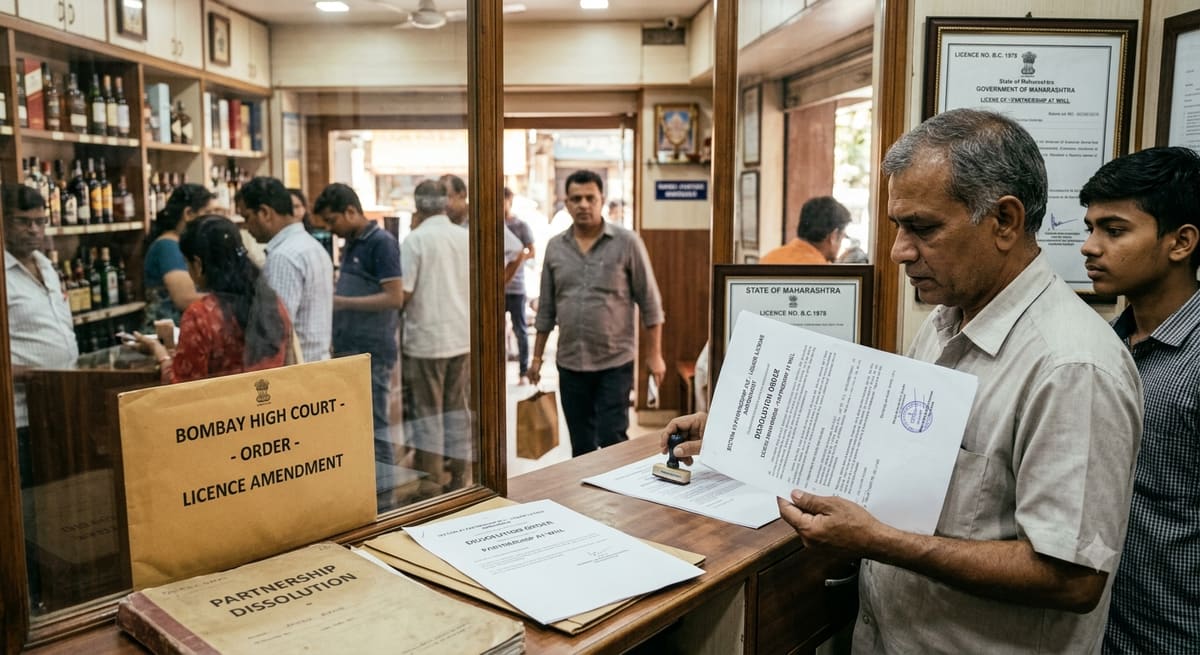
The Bombay High Court has ruled that when a partnership is 'at will', the original liquor license holder may remove a partner from the license by serving notice under Section 43 of the Partnership Act, without needing to first resolve the dispute in civil court. This clarifies that excise authorities must recognize such dissolution for license purposes, empowering licensees to restructure partnerships administratively - a critical precedent for family-run liquor businesses in Maharashtra.

Section 77A MCS Act | Administrative Committee Must Be Temporarily Appointed for Election Neutrality, Not Day-to-Day Management : Bombay HC
Case Law Analysis
|Bombay High Court

Section 77A MCS Act | Administrative Committee Must Be Temporarily Appointed for Election Neutrality, Not Day-to-Day Management : Bombay HC

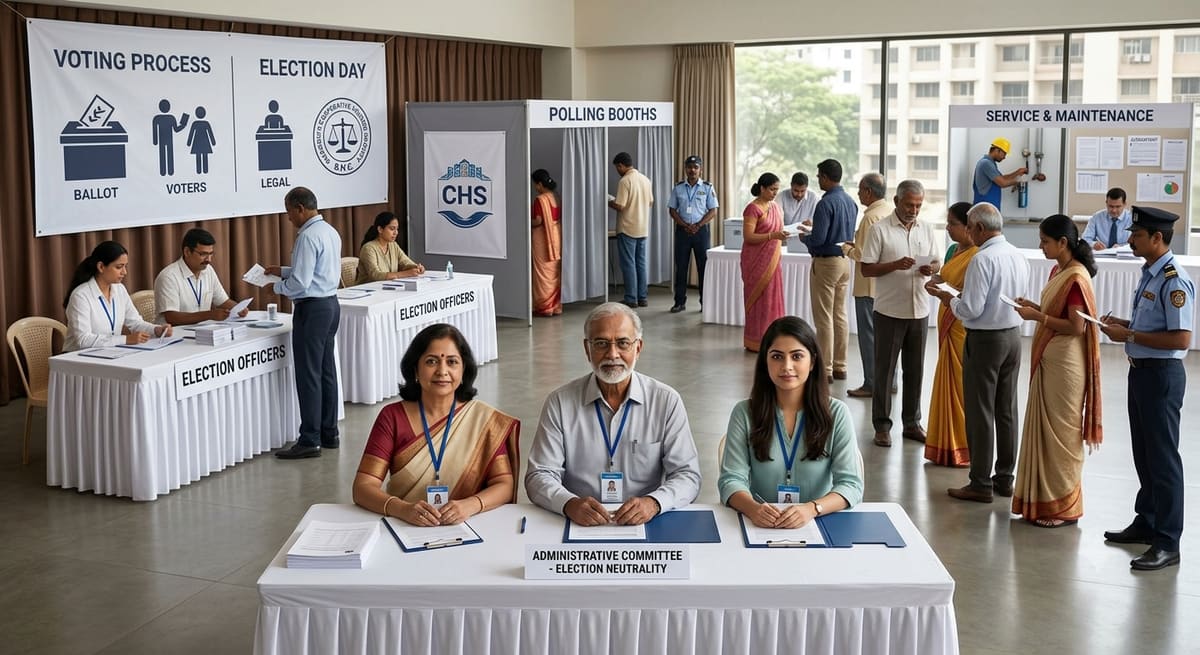
The Bombay High Court has ruled that an administrative committee appointed under Section 77A of the Maharashtra Co-operative Societies Act must be strictly confined to overseeing election processes and cannot assume control over the society’s daily affairs. This ensures impartiality in co-operative governance and prevents incumbent officeholders from manipulating electoral outcomes - a critical safeguard for member democracy in housing societies.

Section 9 Arbitration Act | Contractual Lien Does Not Authorize Public Auction Without Arbitral Determination of Rights : Bombay HC
Case Law Analysis
|Bombay High Court

Section 9 Arbitration Act | Contractual Lien Does Not Authorize Public Auction Without Arbitral Determination of Rights : Bombay HC

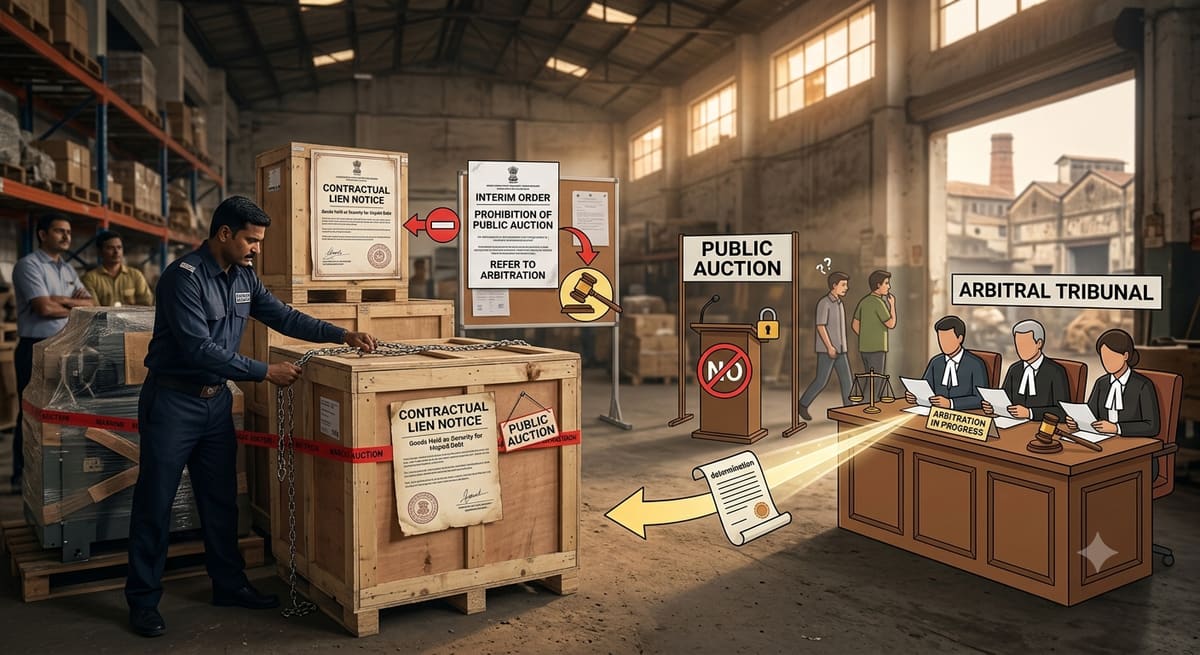
The Bombay High Court has ruled that while Section 9 permits interim preservation of assets through contractual lien, it cannot be used to effect a final disposal like public auction - such remedies require a full adjudication by the arbitral tribunal. This clarifies a critical boundary for businesses relying on lien clauses to recover dues, preventing premature asset liquidation before rights are formally decided.

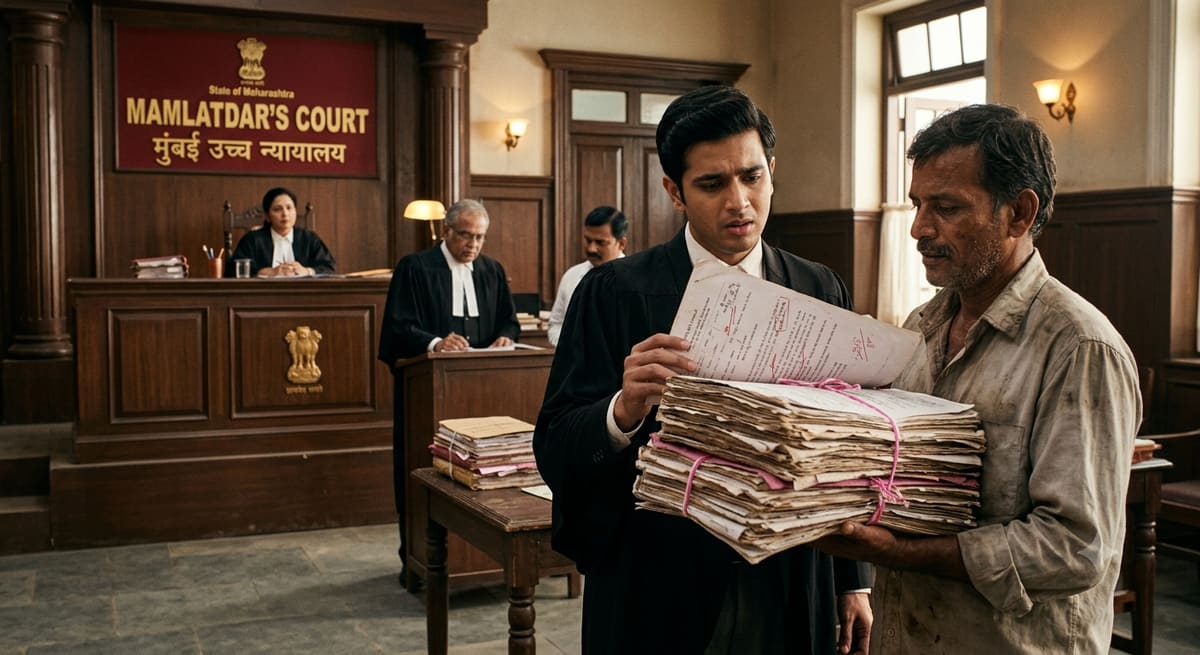
Sections 7 and 9, Mamlatdar's Courts Act | Non-Compliant Pleadings Must Be Remanded for Amendment, Not Dismissed : Bombay HC
Case Law Analysis
|Bombay High Court

Sections 7 and 9, Mamlatdar's Courts Act | Non-Compliant Pleadings Must Be Remanded for Amendment, Not Dismissed : Bombay HC

The Bombay High Court has ruled that defects in pleadings under Sections 7 and 9 of the Mamlatdar's Courts Act, such as lack of verification or missing cause of action date, do not warrant outright dismissal. Instead, authorities must allow amendment and remand for fresh adjudication, preserving access to summary revenue remedies while upholding procedural fairness for litigants in property and land disputes.

Section 14(1)(g) MVP Act | Payment to Relative for Non-Existent Work Does Not Constitute 'Interest in Panchayat Work' : Bombay HC
Case Law Analysis
|Bombay High Court

Section 14(1)(g) MVP Act | Payment to Relative for Non-Existent Work Does Not Constitute 'Interest in Panchayat Work' : Bombay HC

The Bombay High Court has ruled that disbursing funds to a family member for work that never occurred cannot trigger disqualification under Section 14(1)(g) of the Maharashtra Village Panchayats Act. This sets a critical precedent: financial transactions with relatives, absent actual involvement in panchayat functions, do not amount to conflict of interest-protecting elected representatives from overbroad interpretations of disqualification.

Section 91 MCS Act | Co-operative Courts Lack Jurisdiction Over Fraud, Forgery, and Criminal Conspiracy Disputes : Bombay HC
Case Law Analysis
|Bombay High Court

Section 91 MCS Act | Co-operative Courts Lack Jurisdiction Over Fraud, Forgery, and Criminal Conspiracy Disputes : Bombay HC

Bombay High Court rules that Co-operative Courts cannot adjudicate disputes involving fraud, forgery, or criminal conspiracy under Section 91 of the Maharashtra Co-operative Societies Act. The ruling dismisses a writ petition seeking recovery of Rs. 21.37 lakhs, reinforcing that such matters fall outside the statutory scope of Co-operative Courts.

MOFA Section 14 | Competent Authority Must Grant Deemed Conveyance Despite Title Disputes or Overbroad Claims : Bombay HC
Case Law Analysis
|Bombay High Court

MOFA Section 14 | Competent Authority Must Grant Deemed Conveyance Despite Title Disputes or Overbroad Claims : Bombay HC

The Bombay High Court has ruled that under MOFA Section 14, the Competent Authority has a statutory duty to grant deemed conveyance to housing societies regardless of pending title disputes or exaggerated land claims by developers. This clarifies that procedural objections to title ownership cannot override the legislature’s intent to protect flat purchasers’ rights, reinforcing legal certainty for co-operative societies nationwide.

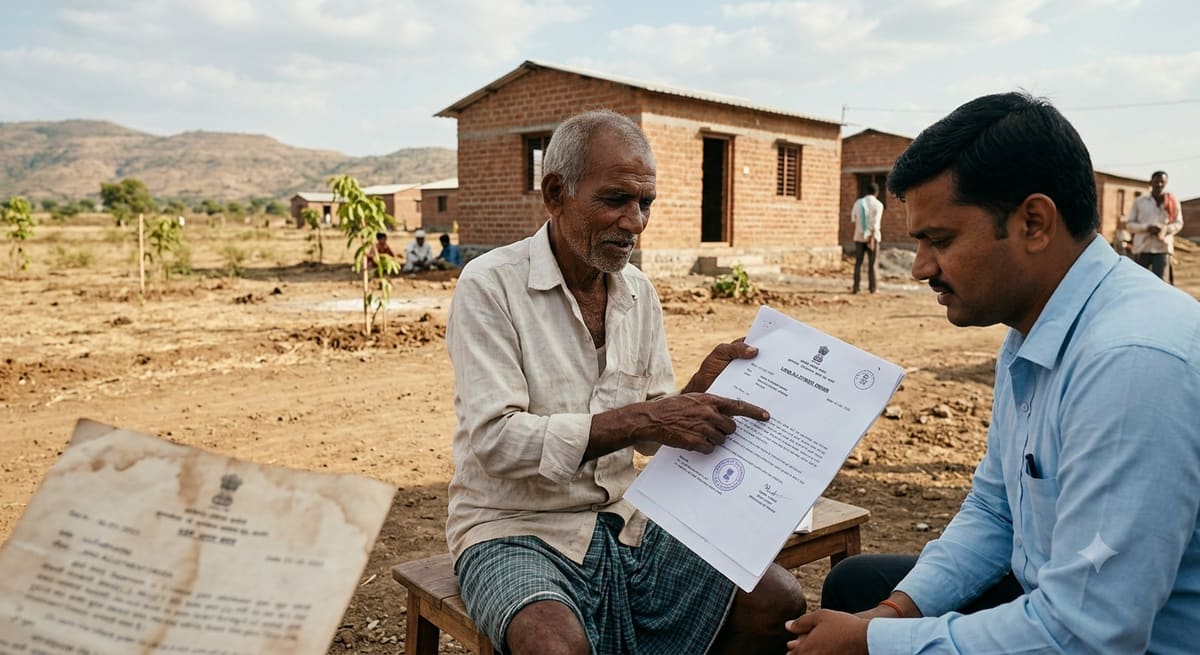
Legitimate Expectation in Flood Rehabilitation | Delayed Land Allotment Cannot Be Voided by Post-Allotment Demand for Pre-1983 Documents : Bombay HC
Case Law Analysis
|Bombay High Court

Legitimate Expectation in Flood Rehabilitation | Delayed Land Allotment Cannot Be Voided by Post-Allotment Demand for Pre-1983 Documents : Bombay HC

The Bombay High Court ruled that flood-affected individuals who have paid all dues and received formal allotment cannot be denied possession decades later due to retroactive demands for pre-1983 documentation. This reinforces that legitimate expectation, once triggered by state action, binds the government to honor its commitments - a critical safeguard for disaster survivors seeking housing security.

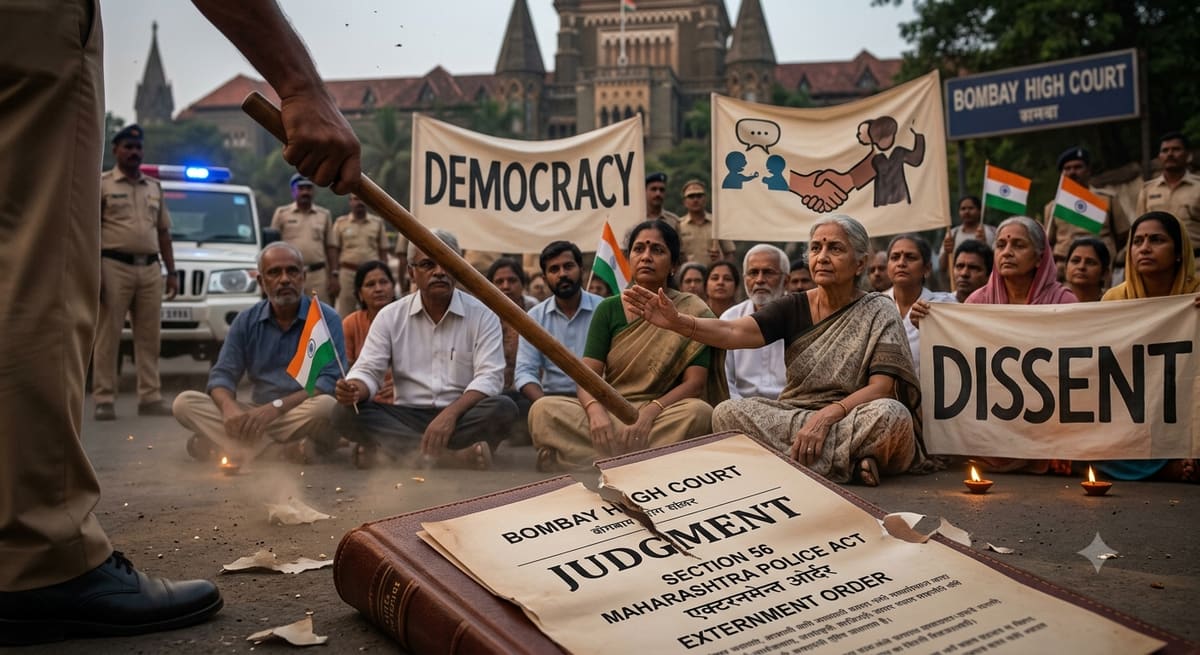
Section 56 Maharashtra Police Act | Externment Order Invalidated When Used to Suppress Peaceful Political Protest: Bombay HC
Case Law Analysis
|Bombay High Court

Section 56 Maharashtra Police Act | Externment Order Invalidated When Used to Suppress Peaceful Political Protest: Bombay HC

The Bombay High Court has ruled that using externment orders under Section 56 of the Maharashtra Police Act to silence peaceful political dissent by a registered party official violates fundamental rights to free speech and assembly. This sets a critical precedent: opposition to government policy, even when expressed through unapproved protests, cannot be equated with public disorder warranting forced displacement.

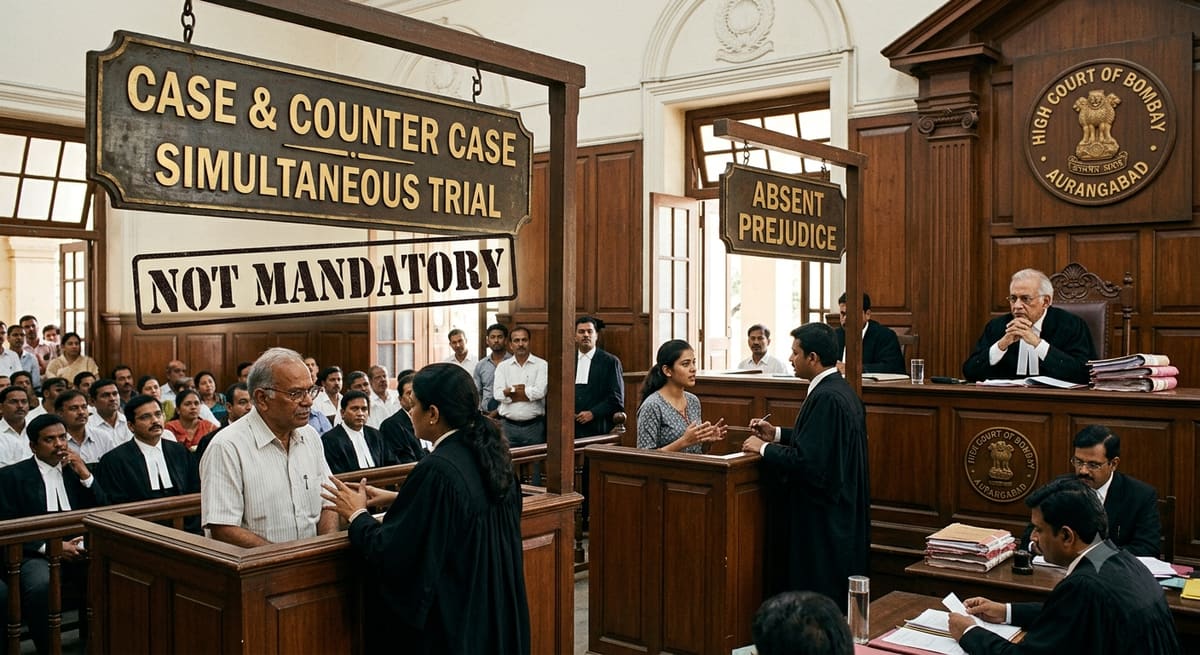
Section 465 CrPC | Simultaneous Trial of Case and Counter Case Not Mandatory Absent Prejudice : Bombay HC Aurangabad
Case Law Analysis
|Bombay High Court

Section 465 CrPC | Simultaneous Trial of Case and Counter Case Not Mandatory Absent Prejudice : Bombay HC Aurangabad

The Bombay High Court clarifies that procedural non-compliance in trying a criminal case and its counter case simultaneously does not invalidate proceedings unless the accused demonstrates actual prejudice. Section 465 CrPC operates as a curative provision, shielding convictions from technical defects when substantive justice is intact - a critical safeguard for prosecutors and trial courts navigating complex familial disputes.

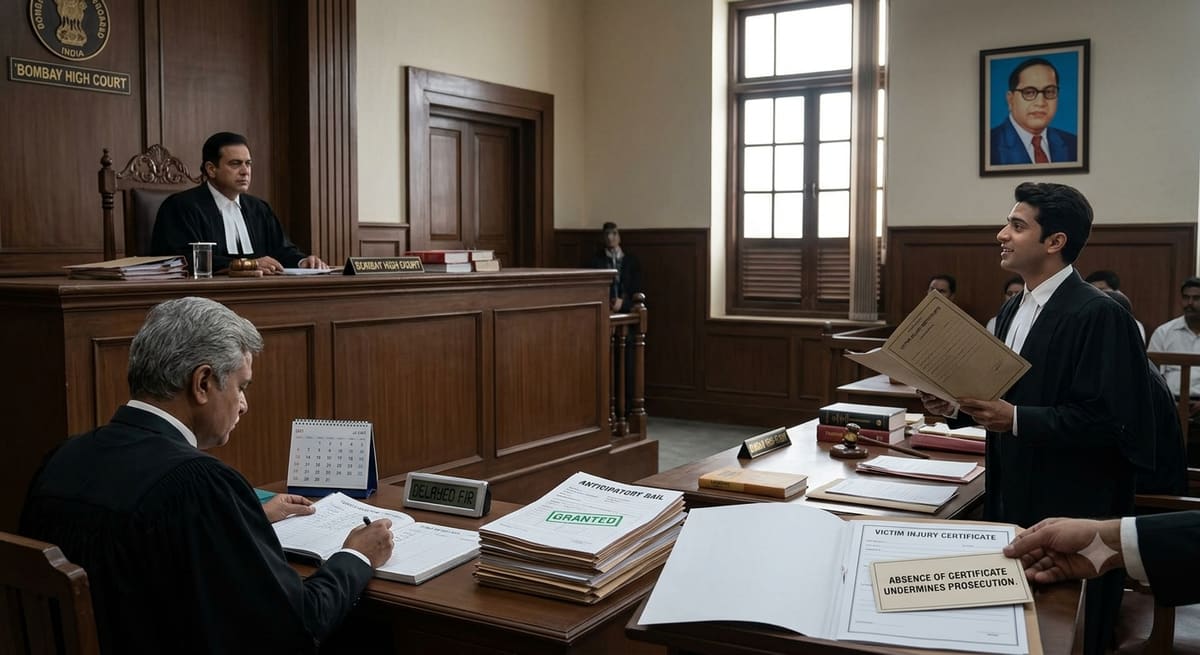
Anticipatory Bail Granted Where Delay in FIR and Absence of Victim Injury Certificate Undermine Prosecution Credibility | Section 438 BNSS : Bombay HC Aurangabad
Case Law Analysis
|Bombay High Court

Anticipatory Bail Granted Where Delay in FIR and Absence of Victim Injury Certificate Undermine Prosecution Credibility | Section 438 BNSS : Bombay HC Aurangabad

The Bombay High Court granted anticipatory bail to accused persons after finding that a four-day delay in filing the FIR, coupled with no medical evidence of assault on the alleged victim’s son, fatally weakened the prosecution’s case. This reinforces that procedural lapses and lack of corroborative evidence, even in serious allegations, must not override the constitutional right to liberty under Article 21 during investigation.

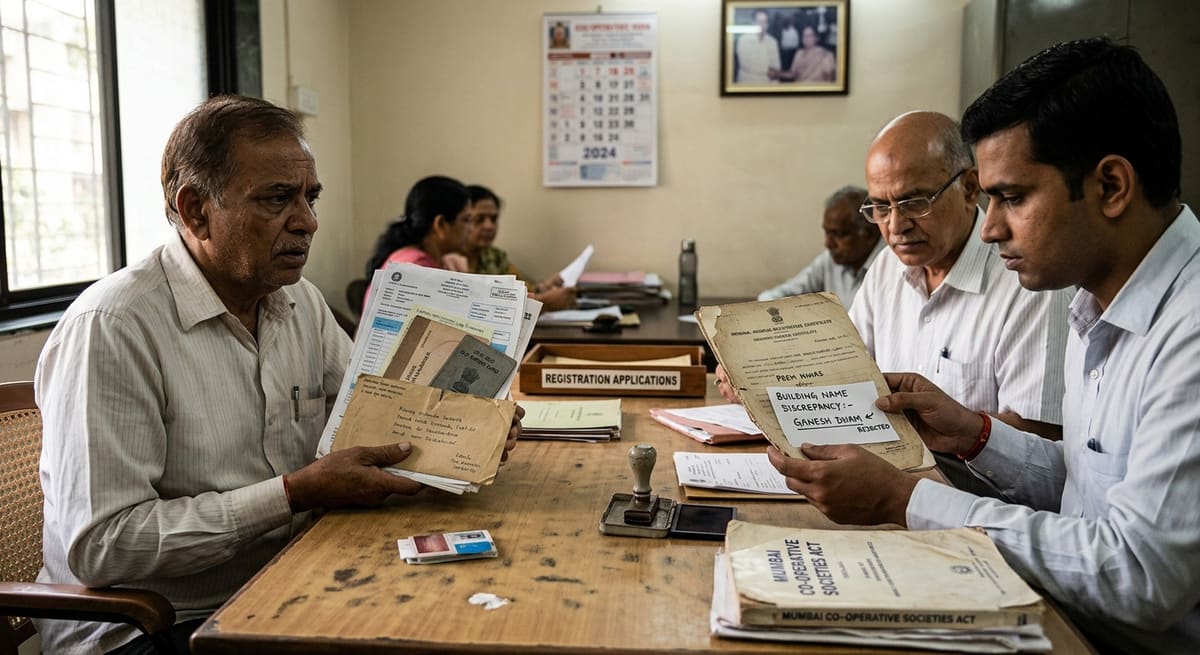
Rule 19 MCSR | Building Name Discrepancies Cannot Justify Refusal of Co-operative Society Membership : Bombay HC
Case Law Analysis
|Bombay High Court

Rule 19 MCSR | Building Name Discrepancies Cannot Justify Refusal of Co-operative Society Membership : Bombay HC

The Bombay High Court has ruled that co-operative societies cannot deny membership to eligible purchasers merely because the building name in the sale agreement differs from records maintained by the society or tax authorities. This clarifies that statutory membership rights under Rule 19 are absolute once conditions are met, and administrative inconsistencies are irrelevant - protecting buyers from arbitrary delays by societies and developers alike.

Legitimate Expectation in Recruitment | Amended Service Rules Cannot Derogate from Commenced Selection Process: Bombay HC
Case Law Analysis
|Bombay High Court

Legitimate Expectation in Recruitment | Amended Service Rules Cannot Derogate from Commenced Selection Process: Bombay HC

The Bombay High Court held that once a recruitment process is initiated under existing service rules, subsequent amendments cannot be applied retroactively to cancel or alter the selection, protecting candidates' legitimate expectations. This reinforces the principle that public employment processes must remain stable and predictable, safeguarding applicants who have invested time and effort in good faith.

Section 56 Maharashtra Police Act | Externment Orders Violate Articles 19 & 21 If Used to Stifle Democratic Protests : Bombay HC
Case Law Analysis
|Bombay High Court

Section 56 Maharashtra Police Act | Externment Orders Violate Articles 19 & 21 If Used to Stifle Democratic Protests : Bombay HC

Bombay High Court quashes externment orders under Section 56 of the Maharashtra Police Act, ruling that suppressing protests against government policies through such orders infringes fundamental rights. The judgment reinforces that externment cannot be used as a tool to curb lawful dissent, setting a precedent for protecting democratic expression.