Bombay High Court judgments

2128 Bombay High Court judgments explained in plain English: what was decided, the law applied and why it matters. Page 13 of 89.

Section 65-B Evidence Act | Hyper-Technical Rejection of Digital Evidence Overturned in Property Demolition Case : Bombay HC
Case Law Analysis
|Bombay High Court

Section 65-B Evidence Act | Hyper-Technical Rejection of Digital Evidence Overturned in Property Demolition Case : Bombay HC

Bombay High Court rules that substantive justice prevails over procedural technicalities, admitting photographic and digital evidence under Section 65-B of the Evidence Act despite minor procedural lapses. The judgment reinforces that trial courts must avoid hyper-technical approaches that undermine the merits of a case, particularly in property disputes involving demolition.


Fraud on Court | Suppression of Material Facts Disentitles Writ Relief Under Article 226 : Bombay HC Rejects Petition for Hotel Misrepresentation
Case Law Analysis
|Bombay High Court

Fraud on Court | Suppression of Material Facts Disentitles Writ Relief Under Article 226 : Bombay HC Rejects Petition for Hotel Misrepresentation

Bombay High Court dismisses a writ petition under Article 226 after finding the petitioner misrepresented a hotel as a residential property and suppressed statutory permissions. The court invoked the principles of 'fraud on court' and judicial estoppel, reinforcing that litigants cannot seek equitable relief through misrepresentation or concealment of material facts.

Section 2(s) ID Act | Predominant Technical Duties Override Designation to Classify Employee as 'Workman' : Bombay HC Awards Rs. 20 Lakh for Wrongful Termination
Case Law Analysis
|Bombay High Court

Section 2(s) ID Act | Predominant Technical Duties Override Designation to Classify Employee as 'Workman' : Bombay HC Awards Rs. 20 Lakh for Wrongful Termination

Bombay High Court rules that Quality Assurance Supervisors performing predominantly technical work qualify as 'workmen' under the Industrial Disputes Act, regardless of supervisory titles. The court upheld Rs. 20 lakh compensation for wrongful termination, reinforcing that actual job functions-not designations-determine employment status under service law.

Section 2(s) ID Act | Quality Assurance Supervisor Qualifies as 'Workman' Entitling Reinstatement & Rs. 20 Lakh Compensation : Bombay HC
Case Law Analysis
|Bombay High Court

Section 2(s) ID Act | Quality Assurance Supervisor Qualifies as 'Workman' Entitling Reinstatement & Rs. 20 Lakh Compensation : Bombay HC

Bombay High Court clarifies that a Quality Assurance Supervisor, despite supervisory duties, falls under the definition of 'workman' under the Industrial Disputes Act, 1947, entitling wrongful termination compensation. The court rejected presumptive findings of post-termination employment and awarded Rs. 20 lakh for denial of backwages, reinforcing protections for non-managerial supervisory roles.

Section 9 Arbitration Act | Bombay HC Appoints Receiver to Preserve Disputed Property; Registered Deeds Prevail Over Unregistered Agreements
|Bombay High Court

Section 9 Arbitration Act | Bombay HC Appoints Receiver to Preserve Disputed Property; Registered Deeds Prevail Over Unregistered Agreements

Bombay High Court reinforces interim protection under Section 9 of the Arbitration Act by restraining further transfers of 152 disputed plots and appointing a symbolic Receiver. The ruling clarifies that registered conveyance deeds override unregistered agreements, ensuring preservation of arbitration subject-matter for developers and investors in real estate disputes.

Section 9 Arbitration Act | Post-Award Interim Protection Survives Section 34 Challenge If Asset Dissipation Risk Proven : Bombay HC
|Bombay High Court

Section 9 Arbitration Act | Post-Award Interim Protection Survives Section 34 Challenge If Asset Dissipation Risk Proven : Bombay HC

Bombay High Court rules that interim relief under Section 9 of the Arbitration Act remains available even after a Section 34 challenge, but only if the applicant demonstrates concrete evidence of potential asset dissipation. The court permitted asset disclosure and deposit of the awarded amount to prevent award frustration, setting a precedent for post-award asset protection in arbitration disputes.

COVID-19 Ex-Gratia Compensation | Rs. 50 Lakh Mandatory for Public-Risk Employees Under Government Resolution : Bombay HC
Case Law Analysis
|Bombay High Court

COVID-19 Ex-Gratia Compensation | Rs. 50 Lakh Mandatory for Public-Risk Employees Under Government Resolution : Bombay HC

Bombay High Court rules that families of government employees who died due to COVID-19 while performing public-facing duties are entitled to Rs. 50 lakh ex-gratia compensation, regardless of uncommunicated orders. The Court also directed reconsideration of compassionate appointments, reinforcing that procedural lapses cannot deny statutory benefits.

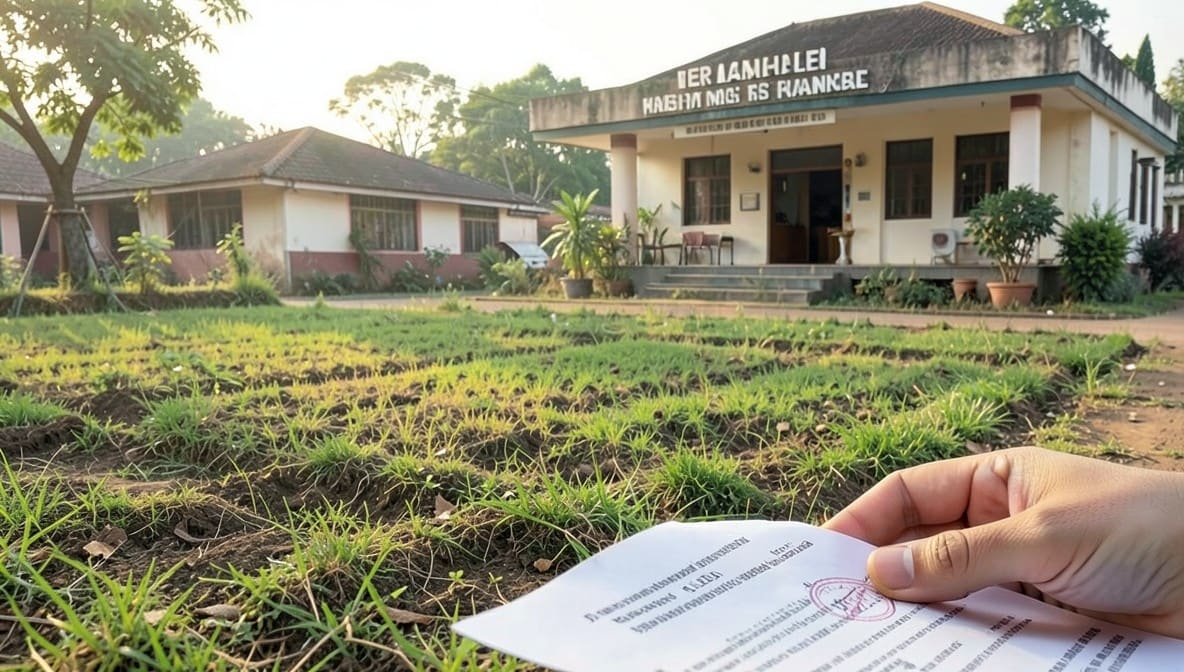
Section 24 Right to Fair Compensation Act | Land Acquisition Proceedings Lapse If Possession Not Taken Nor Compensation Paid Before 01.01.2014 : Bombay HC
Case Law Analysis
|Bombay High Court

Section 24 Right to Fair Compensation Act | Land Acquisition Proceedings Lapse If Possession Not Taken Nor Compensation Paid Before 01.01.2014 : Bombay HC

Bombay High Court rules that land acquisition proceedings under the Right to Fair Compensation Act 2013 lapse if neither possession is taken nor compensation paid by the cut-off date of 01.01.2014, entitling landowners to compensation under the new Act. This judgment reinforces landowners' rights and sets a critical precedent for pending compensation claims under Section 24.

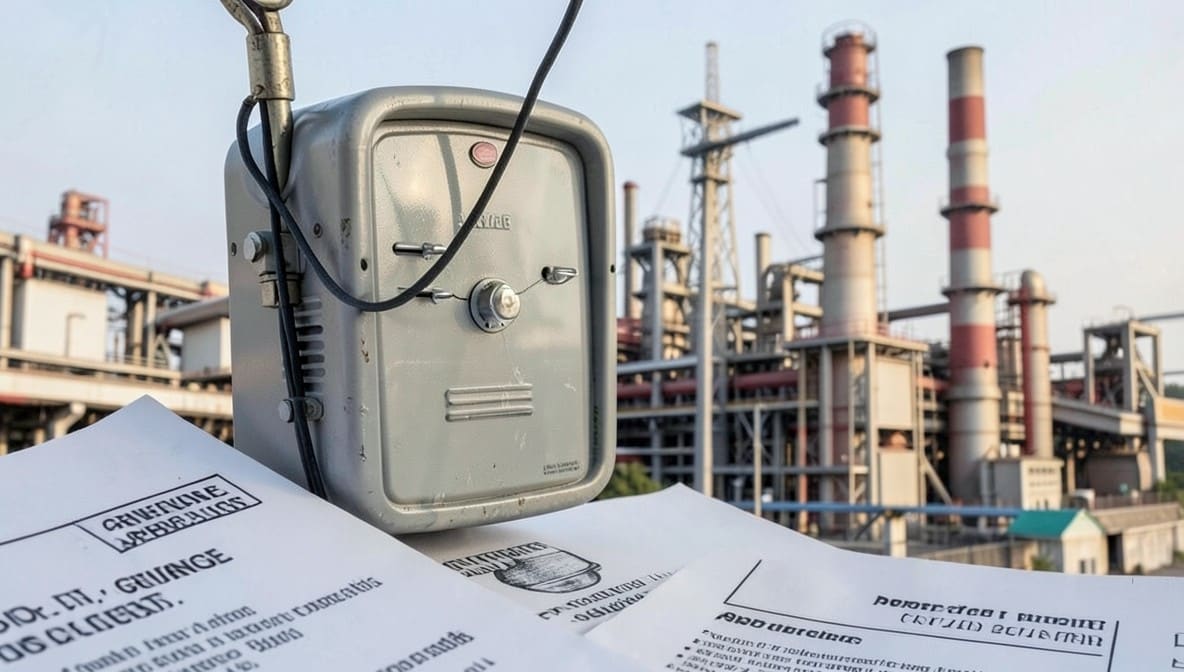
Minimum Guarantee Charges Unrecoverable After Permanent Disconnection | Bombay HC Invalidates Unilateral OTS Without Consumer Consent
Case Law Analysis
|Bombay High Court

Minimum Guarantee Charges Unrecoverable After Permanent Disconnection | Bombay HC Invalidates Unilateral OTS Without Consumer Consent

Bombay High Court rules that electricity suppliers cannot recover minimum guarantee charges post-permanent disconnection, even if paid during temporary disconnection. The judgment also invalidates one-time settlement (OTS) approvals without consumer consent and mandates security deposit refunds, reinforcing consumer protection in electricity supply agreements.

Section 21 Arbitration Act | Fresh Proceedings Post Award Set-Aside Commence on Section 21 Notice; Bombay HC Clarifies Non-Signatory Liability Under Group of Companies Doctrine
Case Law Analysis
|Bombay High Court

Section 21 Arbitration Act | Fresh Proceedings Post Award Set-Aside Commence on Section 21 Notice; Bombay HC Clarifies Non-Signatory Liability Under Group of Companies Doctrine

Bombay High Court rules that fresh arbitral proceedings after an award is set aside under Section 34 begin only upon issuance of a Section 21 notice, not retrospectively. Non-signatories can be impleaded only if prima facie evidence links them to the underlying contract, reinforcing the 'Group of Companies' doctrine in commercial arbitration.

Section 23 Land Acquisition Act | Bombay HC Mandates 25% Deduction for Adjacent Land Influence in Market Value Determination
Case Law Analysis
|Bombay High Court

Section 23 Land Acquisition Act | Bombay HC Mandates 25% Deduction for Adjacent Land Influence in Market Value Determination

Bombay High Court rules that compensation under the Land Acquisition Act must account for a 25% deduction for adjacent land influence, alongside a 10% annual hike in market value. The court also clarifies that interest on enhanced compensation accrues from the final award date, not the Section 4 notification, impacting landowners and state authorities in acquisition disputes.

Natural Justice | Licence Cancellation Invalid Without Proper Consideration of Petitioner’s Explanation: Bombay HC
Case Law Analysis
|Bombay High Court

Natural Justice | Licence Cancellation Invalid Without Proper Consideration of Petitioner’s Explanation: Bombay HC

The Bombay High Court quashed the cancellation of a Scheduled Caste woman's fair price shop licence after authorities ignored her written explanation without meaningful scrutiny. This ruling reinforces that procedural fairness is non-negotiable in welfare-based licensing, especially when vulnerable beneficiaries are deprived of livelihood rights without reasoned evaluation.

Administrative Finality | Approval Orders for Teacher Appointments Cannot Be Cancelled After 7 Years Without Fraud: Bombay HC Aurangabad
Case Law Analysis
|Bombay High Court

Administrative Finality | Approval Orders for Teacher Appointments Cannot Be Cancelled After 7 Years Without Fraud: Bombay HC Aurangabad

The Bombay High Court Aurangabad Bench held that educational authorities cannot revoke approval orders for teacher appointments after 7-11 years without evidence of fraud, misrepresentation, or suppression. The ruling reinforces the principle of administrative finality and natural justice, protecting employees from arbitrary cancellations of long-standing approvals.

Section 317 IPC | Biological Motherhood Alone Does Not Prove Abandonment Without Evidence of Intentional Desertion : Bombay HC Aurangabad
Case Law Analysis
|Bombay High Court

Section 317 IPC | Biological Motherhood Alone Does Not Prove Abandonment Without Evidence of Intentional Desertion : Bombay HC Aurangabad

The Bombay High Court held that mere biological relation to a child is insufficient to convict under Section 317 IPC; prosecution must prove intentional abandonment through concrete evidence, not circumstantial custody shifts. This sets a critical precedent for maternal rights in child abandonment cases, requiring prosecutors to move beyond presumption to proof.

Article 300A | NHAI Cannot Deny Compensation by Declaring 'Regular Acquisition' Unacceptable: Bombay HC
|Bombay High Court

Article 300A | NHAI Cannot Deny Compensation by Declaring 'Regular Acquisition' Unacceptable: Bombay HC

The Bombay High Court has ruled that denying landowners compensation on the grounds that 'regular acquisition was not acceptable' violates the constitutional right to property under Article 300A. This sets a critical precedent: administrative convenience cannot override constitutional obligations, and sympathetic ex-gratia payments cannot substitute for statutory compensation in public infrastructure projects.

Section 129 BNSS | Mandatory Show-Cause Hearing Required Before Ordering Bail Bond for Good Behaviour: Bombay HC
Case Law Analysis
|Bombay High Court

Section 129 BNSS | Mandatory Show-Cause Hearing Required Before Ordering Bail Bond for Good Behaviour: Bombay HC

The Bombay High Court has held that an Executive Magistrate cannot direct execution of a bail bond under Section 129 of the BNSS without first affording the individual a meaningful opportunity to show cause. This ruling reinforces natural justice in pre-conviction procedural orders and protects individuals from coercive bail conditions imposed without due process.

Interim Bail Granted for Spouse’s Advanced Pregnancy Under BNS & POCSO | Bombay HC Imposes Strict Home Confinement Conditions
|Bombay High Court

Interim Bail Granted for Spouse’s Advanced Pregnancy Under BNS & POCSO | Bombay HC Imposes Strict Home Confinement Conditions

The Bombay High Court granted 15-day interim bail to an accused facing serious charges under the Bharatiya Nyaya Sanhita and POCSO Act, recognizing the humanitarian imperative of spousal support during late-stage pregnancy. The order sets a precedent for balancing custodial obligations with familial care duties, conditioning bail on strict home confinement, medical attendance, and no extension - affirming that compassion in criminal law must be structured, not discretionary.

Promissory Estoppel | State Cannot Retract Industrial Incentives After Inducing Investment : Bombay HC
Case Law Analysis
|Bombay High Court

Promissory Estoppel | State Cannot Retract Industrial Incentives After Inducing Investment : Bombay HC

The Bombay High Court held that once the state encourages industries to invest through a clear incentive scheme, it cannot later withdraw those benefits retroactively, even via a subsequent resolution. This reinforces the doctrine of promissory estoppel as a shield against arbitrary state conduct, protecting entrepreneurs who act in good faith on official assurances.

Gross Misconduct in CRPF | Repeated Absenteeism and On-Duty Liquor Consumption Justify Removal from Service: Bombay HC Aurangabad
Case Law Analysis
|Bombay High Court

Gross Misconduct in CRPF | Repeated Absenteeism and On-Duty Liquor Consumption Justify Removal from Service: Bombay HC Aurangabad

The Bombay High Court upholds the removal of a CRPF constable for chronic absenteeism and being found under the influence of liquor while on duty, affirming that such conduct constitutes gross misconduct under service law. This ruling reinforces that disciplinary authorities may impose major penalties without requiring proof of operational harm, as the breach of discipline itself undermines institutional integrity.