Topic

Public Trust Doctrine

The Public Trust Doctrine in Indian law holds that certain natural resources like water bodies, wetlands, and public lands are held by the state as trustee for public use and cannot be alienated or polluted.

24 articlesLatest July 2026
Public Trust Doctrine | Mandamus Issued to Remove Encroachments on Revenue-Recorded Pond Land Under U.P. Revenue Code : Allahabad HC
Case Law Analysis
|Allahabad High Court

Public Trust Doctrine | Mandamus Issued to Remove Encroachments on Revenue-Recorded Pond Land Under U.P. Revenue Code : Allahabad HC

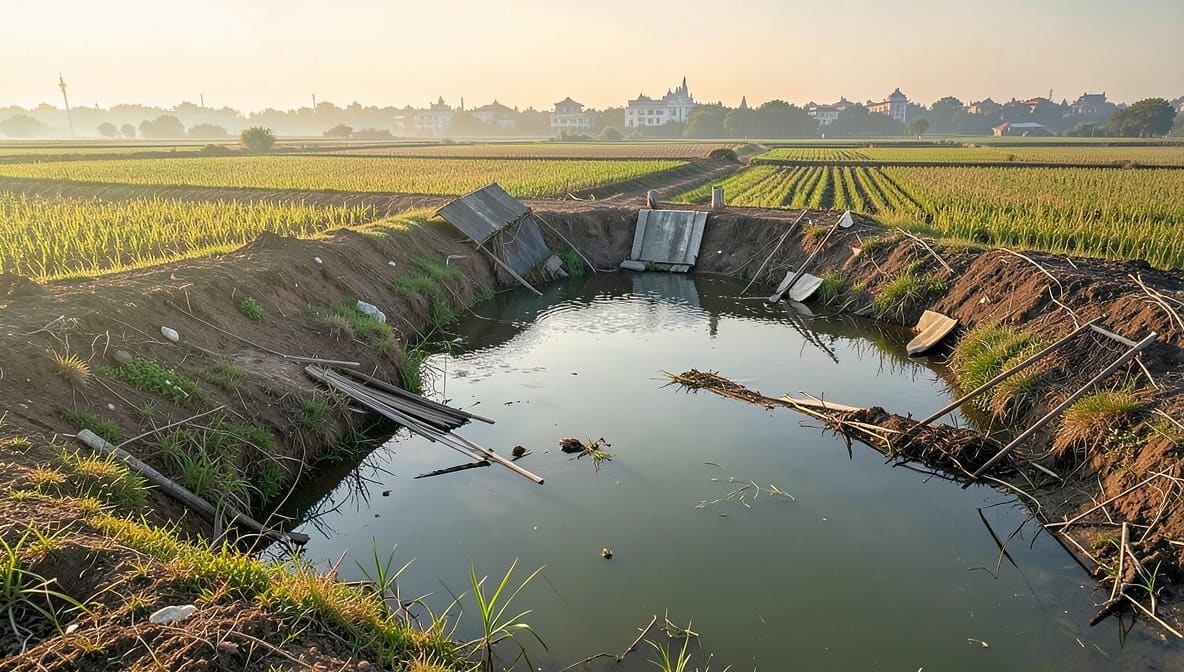
The Allahabad High Court has directed the Tehsildar to decide pending encroachment cases on revenue-recorded pond land within three months, reinforcing that public utility land held in trust cannot be lawfully occupied. This ruling strengthens accountability for local revenue authorities and affirms that encroachments on community water bodies violate the Public Trust Doctrine, affecting thousands of citizens reliant on such lands for ecological and livelihood security.


Public Trust Doctrine | Bombay HC Balances Infrastructure Development Against Mangrove Conservation : Bombay HC
Case Law Analysis
|Bombay High Court

Public Trust Doctrine | Bombay HC Balances Infrastructure Development Against Mangrove Conservation : Bombay HC

Bombay High Court permits diversion of 9.2498 hectares of mangrove forest for an 8-lane highway to Vadhavan Port, holding that public utility outweighs environmental concerns under the Public Trust Doctrine, subject to strict compensatory afforestation. The ruling sets a precedent for future infrastructure projects requiring environmental clearances.

Public Trust Doctrine | Madurai HC Bars Idol Installation on Encroached Tank Land, Orders Foundation Removal by 02.06.2026 : Madras HC
Case Law Analysis
|Madras High Court

Public Trust Doctrine | Madurai HC Bars Idol Installation on Encroached Tank Land, Orders Foundation Removal by 02.06.2026 : Madras HC

Madurai HC reinforces the Public Trust Doctrine by prohibiting religious activities on encroached waterbody land, directing removal of unauthorized structures within a fixed deadline. The ruling underscores judicial authority to protect environmental resources from religious encroachment, setting a precedent for waterbody conservation under constitutional writ jurisdiction.

Section 9 U.P. Zamindari Abolition Act | Pond Land in Revenue Records Cannot Be Privatized as Appurtenant Property: Allahabad HC
Case Law Analysis
|Allahabad High Court

Section 9 U.P. Zamindari Abolition Act | Pond Land in Revenue Records Cannot Be Privatized as Appurtenant Property: Allahabad HC

The Allahabad High Court has ruled that even if a private party claims ownership under Section 9 of the U.P. Zamindari Abolition Act, they cannot acquire rights over pond land officially recorded in revenue records. This reinforces the Public Trust Doctrine, ensuring such water bodies remain protected for community use and cannot be lawfully converted into private property through adverse possession or litigation.

Public Trust Doctrine Under Articles 21, 48-A & 51-A(g) | Rajasthan HC Bars Road/Crematorium on 'Gair Mumkin Nala' Land : Rajasthan HC
Case Law Analysis
|Rajasthan High Court

Public Trust Doctrine Under Articles 21, 48-A & 51-A(g) | Rajasthan HC Bars Road/Crematorium on 'Gair Mumkin Nala' Land : Rajasthan HC

Rajasthan High Court reinforces the public trust doctrine, holding that land classified as 'Gair Mumkin Nala' (natural water channel) cannot be repurposed for roads or crematoriums. The ruling underscores the State's constitutional duty to protect natural resources, directly invoking Articles 21, 48-A, and 51-A(g) to prevent ecological degradation.

Corporate Veil Piercing in CIRP | Subsidiaries as Alter Egos Allow GNIDA Lease Rights Bypass : SC
Case Law Analysis
|Supreme Court of India

Corporate Veil Piercing in CIRP | Subsidiaries as Alter Egos Allow GNIDA Lease Rights Bypass : SC

Supreme Court rules that subsidiaries functioning as mere alter egos of the corporate debtor justify piercing the corporate veil, enabling resolution plans to proceed without GNIDA’s prior consent if dues are settled. This precedent strengthens creditor rights in real estate insolvency cases by preventing statutory authorities from obstructing CIRP completion.

MMDR Act Section 4 | No Vested Right to Extract Minor Minerals Even on Proprietary Land; Past Practice or Ownership Irrelevant : J&K HC
Case Law Analysis
|Jammu & Kashmir and Ladakh High Court

MMDR Act Section 4 | No Vested Right to Extract Minor Minerals Even on Proprietary Land; Past Practice or Ownership Irrelevant : J&K HC

J&K High Court rules that extraction of minor minerals (sand, boulders) from nallahs or private land requires statutory concession under the MMDR Act, 1957. Ownership, past practice, or royalty payments do not confer legal rights, and courts cannot direct authorities to bypass statutory compliance. The ruling reinforces the Public Trust Doctrine, impacting livelihoods dependent on unregulated mineral extraction.

School Land Under Right to Education Act Cannot Be Diverted for Non-Educational Use | Public Trust Doctrine Enforced: Telangana HC
Case Law Analysis
|Telangana High Court

School Land Under Right to Education Act Cannot Be Diverted for Non-Educational Use | Public Trust Doctrine Enforced: Telangana HC

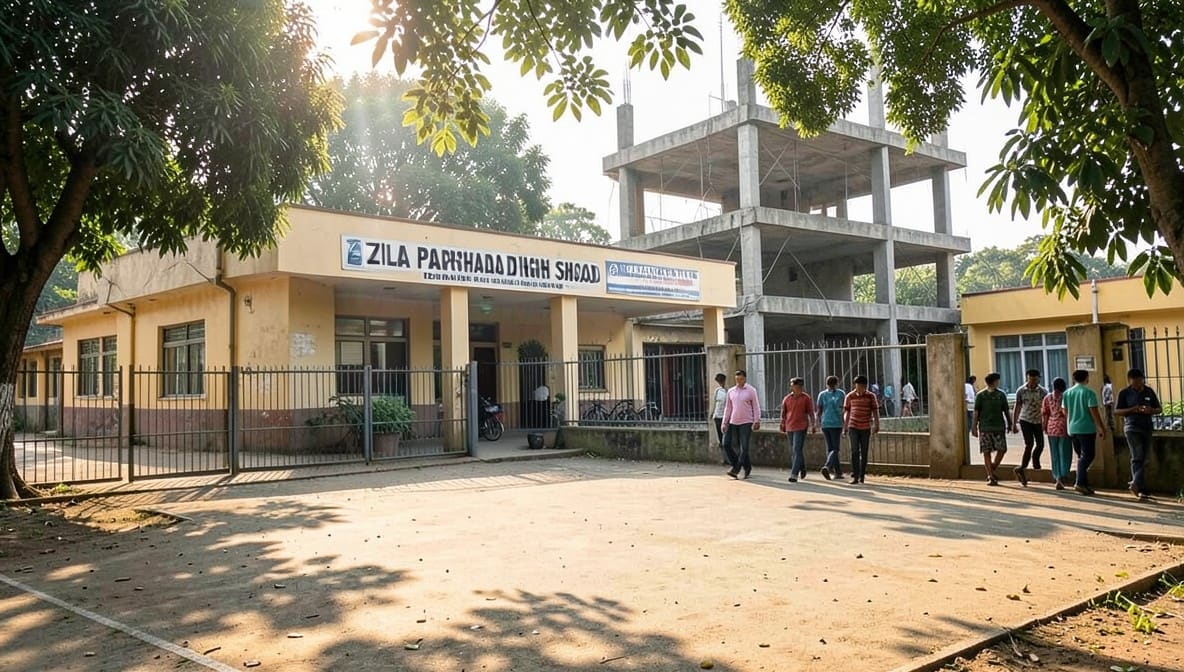
The Telangana High Court has ordered an immediate halt to the construction of a Mahila Bhavan on Zilla Parishad High School premises, ruling that land dedicated for education cannot be repurposed under any administrative scheme. This reinforces the Public Trust Doctrine and the state’s non-negotiable duty under the Right to Education Act to preserve educational infrastructure for children’s access and development.

Public Trust Doctrine | Mandatory Auction for Riverbed Festival Licensing Under Transparency & Revenue Sharing : Madurai HC
Case Law Analysis
|Madras High Court

Public Trust Doctrine | Mandatory Auction for Riverbed Festival Licensing Under Transparency & Revenue Sharing : Madurai HC

Madurai High Court rules that riverbed use for cultural festivals like Chithirai Festival must be licensed via transparent auction, ensuring revenue sharing with local temples and municipalities. The judgment rejects arbitrary denials and sets a precedent for balancing cultural rights with public resource management under the Public Trust Doctrine.

Article 226 & Public Trust Doctrine | Mandamus Mandates Timely Survey & Encroachment Removal on Public Land : Madurai HC
Case Law Analysis
|Madras High Court

Article 226 & Public Trust Doctrine | Mandamus Mandates Timely Survey & Encroachment Removal on Public Land : Madurai HC

Madurai High Court reinforces the state’s duty under Article 226 to protect public land by directing revenue authorities to conduct surveys within two weeks and remove encroachments within three months, ensuring due process. The ruling underscores the Public Trust Doctrine, mandating swift action to prevent arbitrary delays in encroachment cases.

Public Trust Doctrine | Madras HC Orders Eviction of Encroachments on Poromboke Land for Public School Infrastructure Under Tamil Nadu Land Encroachment Act : Madras HC
Case Law Analysis
|Madras High Court

Public Trust Doctrine | Madras HC Orders Eviction of Encroachments on Poromboke Land for Public School Infrastructure Under Tamil Nadu Land Encroachment Act : Madras HC

The Madras High Court directed the eviction of illegal encroachments on poromboke lands, emphasizing the Public Trust Doctrine to restore such lands for public use, including school infrastructure. The ruling mandates compliance with the Tamil Nadu Land Encroachment Act, 1905, ensuring land retrieval for educational and community purposes, directly impacting municipal corporations and educational institutions.