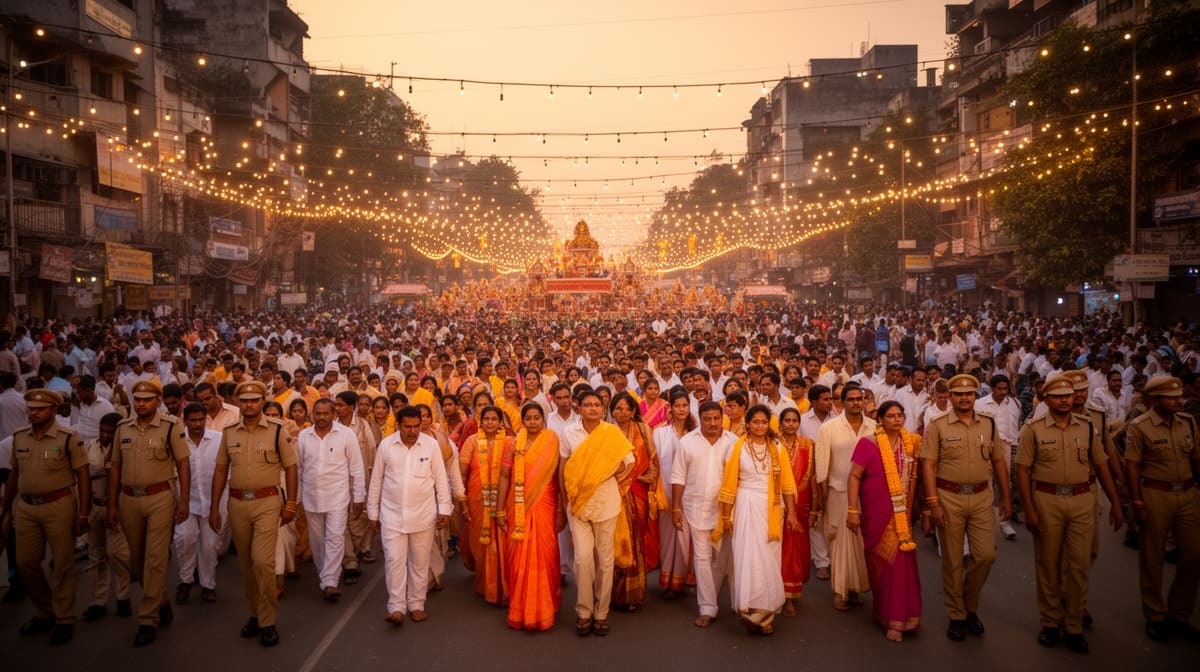
The Kerala High Court’s suo motu intervention in the Sabarimala temple’s infrastructure crisis underscores a critical but often overlooked dimension of public religious administration: the state’s duty to ensure safe and habitable conditions for those serving religious institutions. This judgment, though procedural in form, establishes a binding standard for the management of public religious infrastructure under state supervision.
Background & Facts
The Dispute
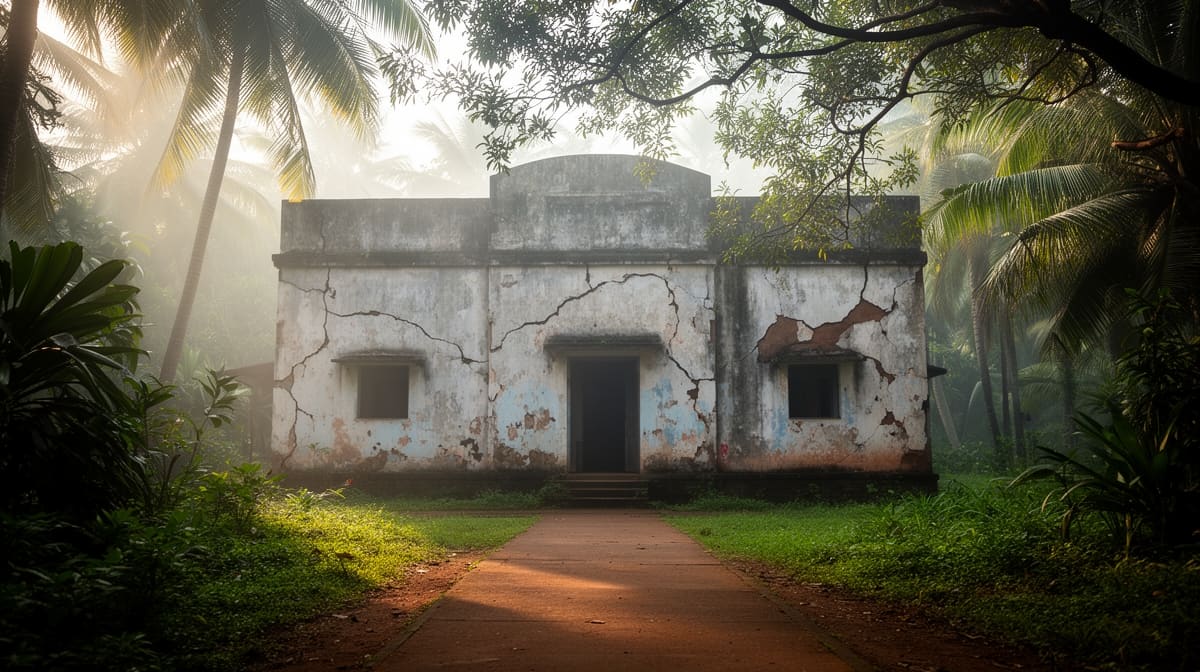
The Travancore Devaswom Board, entrusted with the administration of the Sabarimala Sree Dharma Sastha Temple, submitted a monthly report detailing activities during the Karkkidaka Masam pilgrimage season. Among the concerns raised was the deteriorating condition of the ICSE Building at Pamba, which houses temple staff and support personnel. The building, described as structurally unsound and unfit for habitation, posed a direct threat to the safety of employees performing essential religious and logistical duties.
Procedural History
- July 2025: Monthly report submitted by the Special Commissioner, Sabarimala, highlighting critical infrastructure failures.
- August 2025: Court issued directions requiring certified structural drawings for any new construction at the site.
- February 2026: SSCR No. 19 of 2025 came up for final hearing, with the Board’s legal representatives appearing before the Bench.
Relief Sought
The Court did not entertain a formal petition but initiated proceedings suo motu to address systemic neglect. The relief sought was not monetary or punitive, but remedial: immediate cessation of occupancy in unsafe structures, repair of the Chalakkayam-Pamba road, and conditional approval for the proposed Bhasmakulam project.
The Legal Issue
The central question was whether the Travancore Devaswom Board, as a state-recognized entity managing a public religious site, owes a legal duty to ensure safe and habitable infrastructure for its employees, and whether the state can be held accountable for systemic failures in such infrastructure.
Arguments Presented
For the Appellant/Petitioner
As this was a suo motu proceeding, no formal petitioner existed. However, the Amicus Curiae and Government Pleader emphasized that the Board functions as an instrumentality of the state under Article 12 of the Constitution. They argued that the state’s obligation to protect life and dignity under Article 21 extends to all persons working in state-managed public institutions, including religious ones.
For the Respondent/State
The Standing Counsel for the Travancore Devaswom Board conceded the poor condition of the ICSE Building and the Chalakkayam-Pamba road. They acknowledged the Board’s responsibility for repairs but cited budgetary constraints and administrative delays. No legal defense was mounted against the duty to ensure safety; instead, assurances of corrective action were offered.
The Court's Analysis
The Court did not engage in abstract constitutional theory but grounded its observations in the practical obligations of public administration. It recognized that the Board, though managing a religious site, operates with state authority and public funds. The safety of employees is not a matter of charity but of legal duty.
"No employee or staff member will be housed in the said building until its structural strength, safety, and habitability are duly ensured."
This directive is not merely advisory - it is a judicial order binding on the Board. The Court further reinforced its earlier direction regarding the Bhasmakulam project, requiring certified structural drawings before any construction. This reflects a commitment to procedural compliance as a safeguard against future negligence.
The Court’s reasoning implicitly applied the doctrine of public trust, holding that religious institutions receiving state recognition and support must meet minimum standards of public welfare. The failure to maintain safe housing and access roads constitutes a breach of the state’s duty to protect the dignity and safety of those serving the public interest.
The Verdict
The Court closed the proceeding after accepting the Board’s undertakings. The Board won no legal reprieve but was ordered to comply with concrete, non-negotiable conditions. The holding establishes that state-managed religious institutions must prioritize infrastructure safety for staff as a legal obligation, not a discretionary amenity.
What This Means For Similar Cases
Infrastructure Safety Is Non-Negotiable
- Practitioners must now treat unsafe staff quarters in temple complexes as potential violations of Article 21, not mere administrative lapses.
- Any petition challenging hazardous conditions in religious institutions can now invoke this judgment as precedent.
- Legal notices to Devaswom Boards should explicitly cite the Court’s directive on structural safety.
Procedural Compliance Is Mandatory
- All future construction or renovation projects by Devaswom Boards must include certified structural drawings submitted to court before commencement.
- Failure to comply with such directives may result in contempt proceedings.
- Courts may now routinely require proof of structural certification in similar cases involving public religious infrastructure.
State Accountability Extends to Religious Institutions
- The judgment blurs the line between religious autonomy and state responsibility, affirming that state recognition carries legal obligations.
- Similar institutions - such as Dargahs, Gurudwaras, or Mathas receiving state funding or land grants - may now be held to the same standard.
- Lawyers representing temple staff or labor unions can use this case to demand better working conditions under constitutional guarantees.