Rajasthan High Court judgments

488 Rajasthan High Court judgments explained in plain English: what was decided, the law applied and why it matters. Page 15 of 21.

Section 38(4) Rajasthan Panchayati Raj Act | FIR Under Prevention of Corruption Act Triggers Automatic Suspension of Sarpanch Without Departmental Enquiry : Rajasthan HC
Case Law Analysis
|Rajasthan High Court

Section 38(4) Rajasthan Panchayati Raj Act | FIR Under Prevention of Corruption Act Triggers Automatic Suspension of Sarpanch Without Departmental Enquiry : Rajasthan HC

Rajasthan High Court rules that registration of an FIR under the Prevention of Corruption Act is sufficient grounds for suspending a Sarpanch under Section 38(4) of the Rajasthan Panchayati Raj Act, bypassing the need for a prior departmental enquiry. The ruling reinforces swift action against alleged corruption in local governance, impacting elected representatives across Rajasthan.

Civil Court Jurisdiction Over Fraudulent Lease Deeds Not Barred by Rule 30 Rajasthan Urban Improvement Rules : Rajasthan HC
Case Law Analysis
|Rajasthan High Court

Civil Court Jurisdiction Over Fraudulent Lease Deeds Not Barred by Rule 30 Rajasthan Urban Improvement Rules : Rajasthan HC

Rajasthan High Court affirms that Civil Courts retain jurisdiction to adjudicate suits for cancellation of fraudulent lease deeds, despite Rule 30 of the Rajasthan Urban Improvement Rules. The ruling clarifies that statutory rules cannot oust civil court jurisdiction where fraud is alleged, ensuring aggrieved parties have access to judicial remedy.

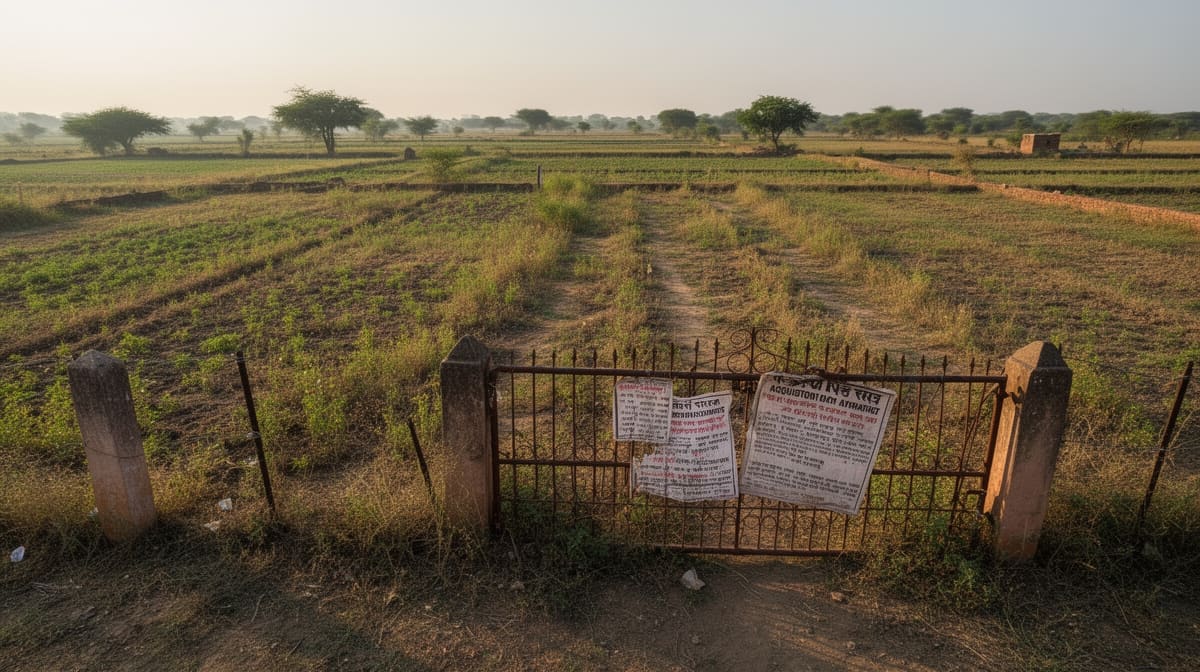
Article 300-A | State Cannot Retain Acquired Land Indefinitely Without Public Purpose: Rajasthan HC
Case Law Analysis
|Rajasthan High Court

Article 300-A | State Cannot Retain Acquired Land Indefinitely Without Public Purpose: Rajasthan HC

The Rajasthan High Court has ruled that prolonged non-use of land acquired for a public purpose-here, a BARC facility abandoned since 2004-violates the constitutional right to property under Article 300-A. Authorities must release such land or face judicial intervention, setting a binding precedent against bureaucratic inertia in land acquisition processes affecting thousands of landowners nationwide.

Burden of Proof in Environmental Challenges | Rajasthan HC Sets Evidentiary Standard for Land Allotment Writ Petitions
Case Law Analysis
|Rajasthan High Court

Burden of Proof in Environmental Challenges | Rajasthan HC Sets Evidentiary Standard for Land Allotment Writ Petitions

Rajasthan High Court dismisses writ petition challenging land allotment for an Ayurved Hospital, ruling that ecological concerns must be substantiated with cogent evidence. The judgment reinforces that mere allegations without proof cannot stall public projects under environmental law, impacting future land use disputes and administrative decision-making.

Old Pension Scheme | Administrative Delay in Appointment Does Not Bar Legacy Benefits : Rajasthan HC
Case Law Analysis
|Rajasthan High Court

Old Pension Scheme | Administrative Delay in Appointment Does Not Bar Legacy Benefits : Rajasthan HC

Rajasthan High Court rules that employees whose recruitment process commenced before 01.01.2004 are entitled to Old Pension Scheme benefits, even if appointment was delayed due to administrative or judicial proceedings. The ruling reinforces that arbitrary denial of pension benefits violates principles of equality and legitimate expectation for similarly situated employees.

Special Bonafide Resident Certificate (TSP) | Marital Status Cannot Invalidate Native Residence Claim for Tribal Rights : Rajasthan HC
Case Law Analysis
|Rajasthan High Court

Special Bonafide Resident Certificate (TSP) | Marital Status Cannot Invalidate Native Residence Claim for Tribal Rights : Rajasthan HC

The Rajasthan High Court has ruled that denying a woman a Special Bonafide Resident Certificate solely because she moved out of a Tribal Sub-Plan area after marriage violates Article 14 and undermines the very purpose of the certificate, which is tied to ancestral residence, not marital relocation. This sets a critical precedent protecting the land and welfare rights of married women from patriarchal administrative practices in tribal regions.

Legitimate Expectation Doctrine | Rajasthan HC Bars Unilateral Eligibility Restriction for Contractual Yoga Professionals : Rajasthan HC
Case Law Analysis
|Rajasthan High Court

Legitimate Expectation Doctrine | Rajasthan HC Bars Unilateral Eligibility Restriction for Contractual Yoga Professionals : Rajasthan HC

Rajasthan High Court rules that restricting contractual hiring eligibility to degree holders, when past practice recognized diploma holders, violates the principle of legitimate expectation and equality in employment. The court directed provisional acceptance of applications from diploma holders, emphasizing administrative consistency in recruitment.

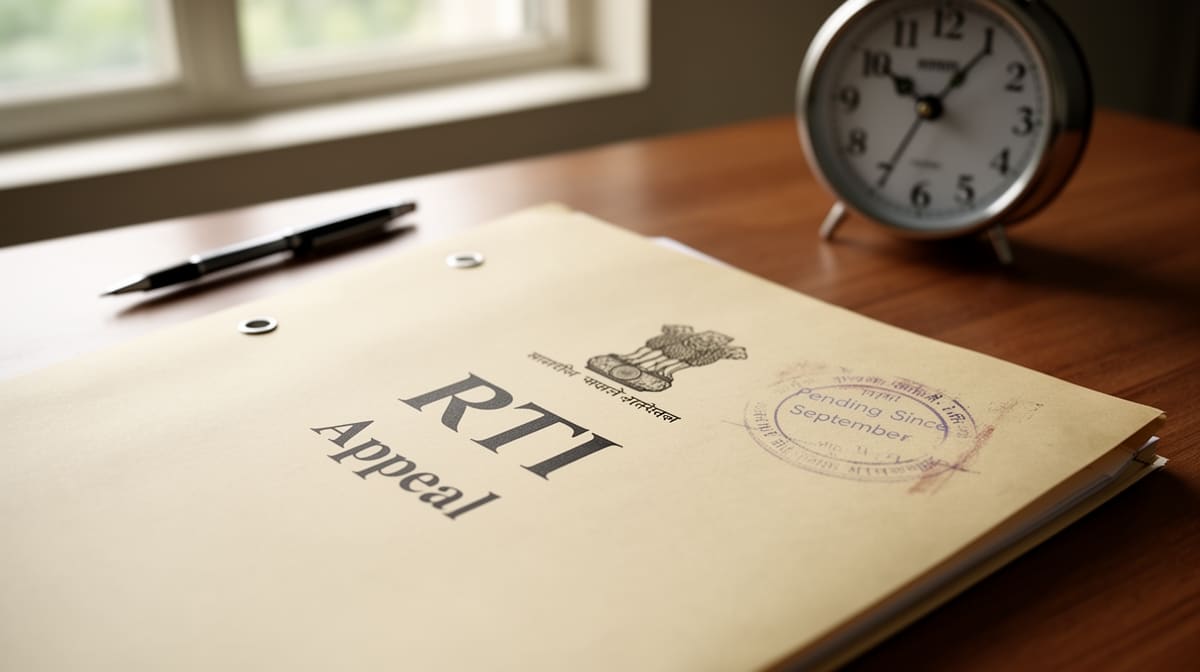
Section 19(1) RTI Act | Appellate Authorities Must Decide Appeals Within Four Weeks: Rajasthan HC
Case Law Analysis
|Rajasthan High Court

Section 19(1) RTI Act | Appellate Authorities Must Decide Appeals Within Four Weeks: Rajasthan HC

The Rajasthan High Court has mandated that appellate authorities under the RTI Act must dispose of first appeals within four weeks, enforcing statutory deadlines to prevent indefinite delays in public information disclosure. This ruling directly impacts gram panchayats and district-level officials, transforming procedural timelines into enforceable rights for citizens seeking transparency.

Ex Parte Cancellation of Land Rights Against Deceased Person Violates Natural Justice : Rajasthan HC Declares Order Void Ab Initio | Section 82 Rajasthan Land Revenue Act
Case Law Analysis
|Rajasthan High Court

Ex Parte Cancellation of Land Rights Against Deceased Person Violates Natural Justice : Rajasthan HC Declares Order Void Ab Initio | Section 82 Rajasthan Land Revenue Act

Rajasthan High Court ruled that an ex parte order canceling land rights under Section 82 of the Rajasthan Land Revenue Act, passed without notice to a deceased person, violates principles of natural justice and is void ab initio. The judgment underscores that legal representatives must be afforded an opportunity of hearing, even posthumously, to protect property rights and prevent administrative arbitrariness.

NDPS Act | Delay in FSL Testing & Non-Compliance with Standing Orders Justify Bail Despite Commercial Quantity : Rajasthan HC
Case Law Analysis
|Rajasthan High Court

NDPS Act | Delay in FSL Testing & Non-Compliance with Standing Orders Justify Bail Despite Commercial Quantity : Rajasthan HC

Rajasthan High Court grants bail in an NDPS case, emphasizing that inordinate delay in forensic testing and failure to comply with mandatory Standing Orders (requiring FSL submission within 72 hours) violate Article 21 rights, even for commercial quantities. The ruling underscores procedural lapses as grounds for bail, setting a precedent for similar cases.

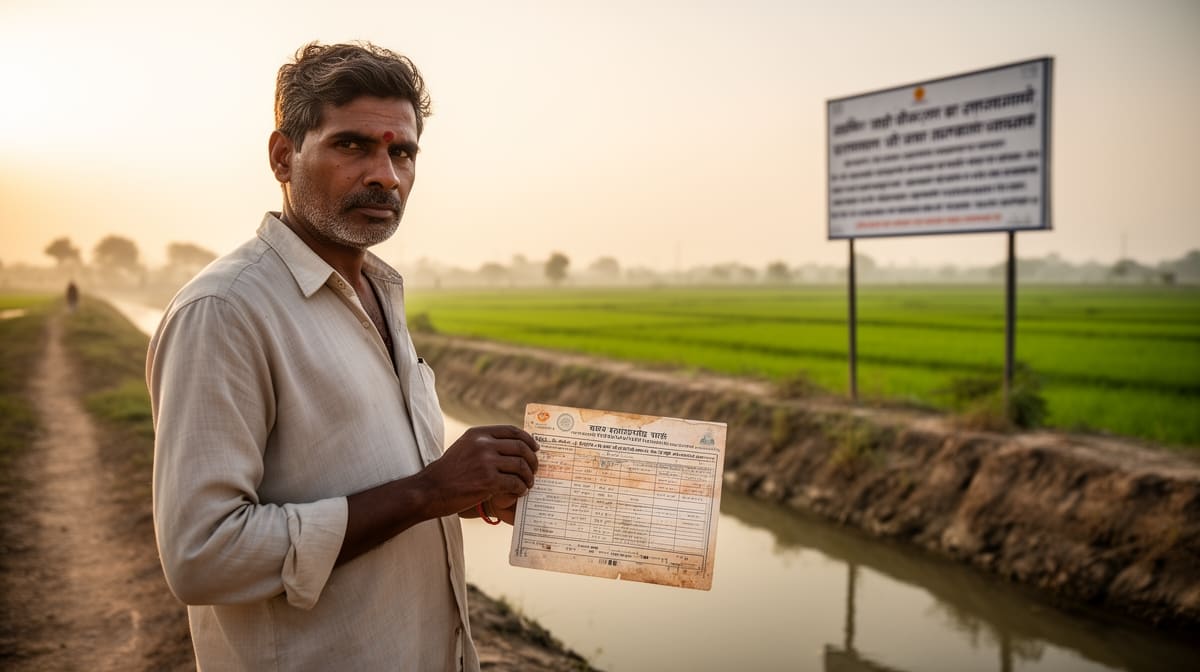
Natural Justice Mandates Prior Hearing in Water Allocation Orders | Rajasthan HC Quashes Slips Issued Without Farmer Consultation : Raj HC
Case Law Analysis
|Rajasthan High Court

Natural Justice Mandates Prior Hearing in Water Allocation Orders | Rajasthan HC Quashes Slips Issued Without Farmer Consultation : Raj HC

Rajasthan High Court ruled that water allocation orders affecting farmers' rights must comply with principles of natural justice, including a prior hearing. The court quashed water slips issued without farmer consultation, emphasizing procedural fairness in administrative decisions impacting agricultural livelihoods.

Electronic Evidence Alone Can Sustain Conviction Under Section 7 & 8 of PCA Despite Hostile Witness : Rajasthan HC
Case Law Analysis
|Rajasthan High Court

Electronic Evidence Alone Can Sustain Conviction Under Section 7 & 8 of PCA Despite Hostile Witness : Rajasthan HC

The Rajasthan High Court has ruled that voice recordings authenticated under Section 65-B of the Evidence Act, combined with circumstantial proof from middleman recoveries, are sufficient to prove demand and acceptance of bribe under the Prevention of Corruption Act-even when the complainant turns hostile. This sets a critical precedent for prosecuting corruption cases where witness testimony is unreliable, empowering investigators to rely on digital trails.

Article 21 | Major Woman’s Free Will Overrides Habeas Corpus Petition by Alleged Husband : Rajasthan HC
Case Law Analysis
|Rajasthan High Court

Article 21 | Major Woman’s Free Will Overrides Habeas Corpus Petition by Alleged Husband : Rajasthan HC

Rajasthan High Court dismisses a habeas corpus petition filed by a man claiming to be the husband of a major woman, affirming that her voluntary choice to reside with her parents negates allegations of illegal detention. The ruling reinforces that a major woman’s autonomy under Article 21 prevails over familial claims, setting a precedent for personal liberty in gender-related disputes.