The Rajasthan High Court has issued a significant interim order directing the provisional acceptance of applications from diploma-holding Yoga professionals, affirming that administrative bodies cannot abruptly narrow eligibility criteria when prior practice has consistently recognized broader qualifications. This ruling reinforces the principle that procedural fairness and legitimate expectation must govern public employment notifications, especially where candidates have already been performing the same duties under prior schemes.
Background & Facts
The Dispute
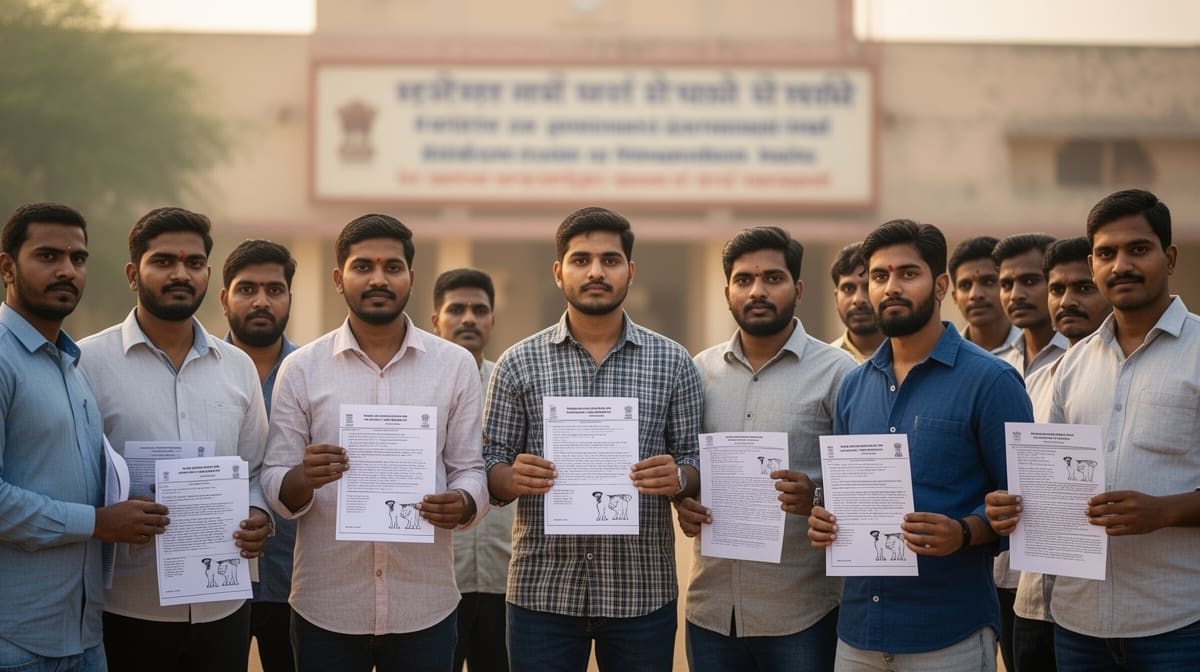
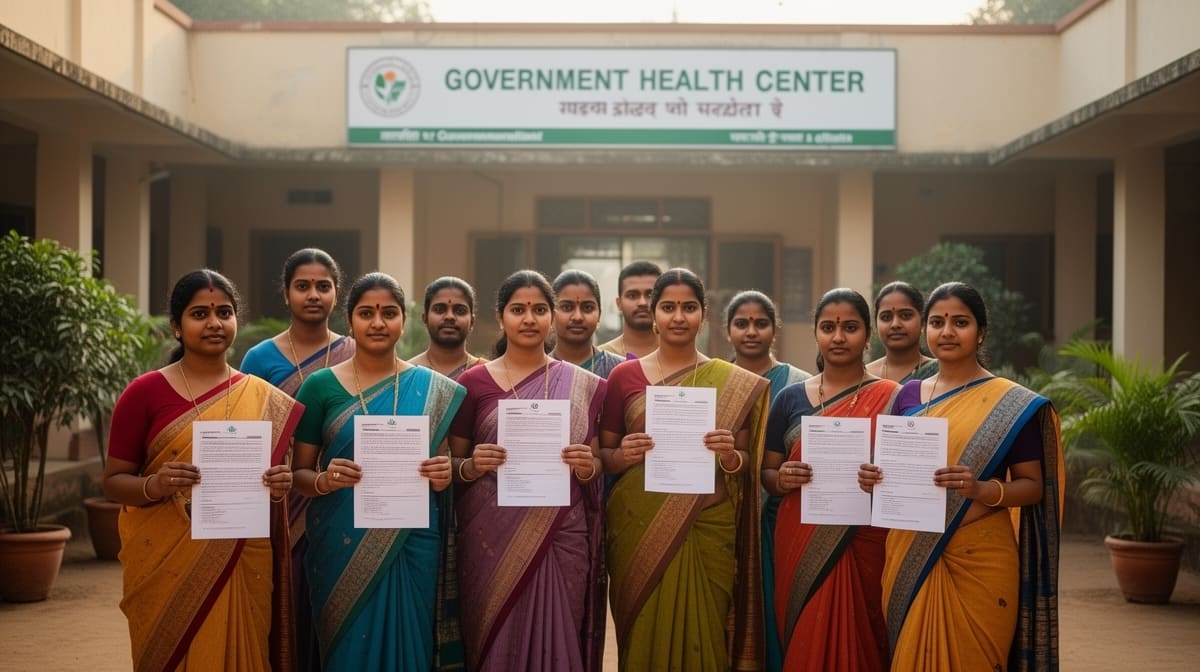
The petitioners, all experienced Yoga professionals, hold diplomas, postgraduate diplomas, or certificates in Yoga Sciences. They applied for contractual posts advertised by the Rajasthan Ayurved University under the Rajasthan Contractual Hiring to Civil Post Rules, 2022. The advertisement restricted eligibility exclusively to holders of the Bachelor of Neuropathy and Yoga Sciences (BNYS) degree, excluding all other recognized Yoga qualifications that had been accepted in previous recruitment cycles.
Procedural History
- The petitioners, who had previously been appointed on contractual basis under different rules permitting diploma holders, were suddenly barred from applying under the new notification.
- They challenged the restriction as arbitrary, discriminatory, and contrary to established administrative practice.
- No formal consultation or justification was provided for the sudden exclusion of diploma holders.
Relief Sought
The petitioners sought quashing of the impugned advertisement and direction to the respondents to accept their applications on par with BNYS degree holders, recognizing their prior service and equivalent qualifications.
The Legal Issue
The central question was whether a public employer can unilaterally restrict eligibility for a contractual post to a single degree qualification, when prior recruitment cycles have consistently accepted diploma and certificate holders for the same duties, without any rational basis or change in job requirements.
Arguments Presented
For the Petitioner
Counsel for the petitioners relied on the doctrine of legitimate expectation and the principle of non-arbitrariness under Article 14 of the Constitution. They cited past instances where diploma holders were appointed to identical posts, establishing a consistent administrative practice. They argued that sudden exclusion without justification violates equality before law and amounts to retrospective disqualification of qualified candidates.
For the Respondent
No written submissions were filed by the respondents. The Court noted the absence of any counter-argument or justification for the restrictive eligibility criteria.
The Court's Analysis
The Court examined the principle that administrative decisions must be reasonable, non-arbitrary, and consistent with past practice unless a compelling public interest justifies deviation. It observed that the petitioners had been performing the same duties under prior contracts, and the nature of the post had not changed. The Court emphasized that legitimate expectation arises when a pattern of conduct by the authority creates a reasonable assurance in applicants.
"The petitioners have been engaged in the same duties under prior contractual arrangements with qualifications now excluded without any rational or objective basis. This sudden change, without notice or justification, cannot be sustained."
The Court further held that the restriction imposed was not merely procedural but substantive, effectively disqualifying a large class of qualified individuals without any demonstrable improvement in service quality or public interest. The absence of any response from the respondents reinforced the arbitrariness of the decision.
The Verdict
The petitioners prevailed. The Court held that eligibility criteria cannot be narrowed unilaterally where prior practice has recognized broader qualifications for the same role. It directed provisional acceptance of applications from diploma holders pending final adjudication.
What This Means For Similar Cases
Past Practice Creates Legitimate Expectation
- Practitioners must now argue that consistent past recruitment patterns create enforceable expectations under Article 14.
- Public bodies must justify any departure from established eligibility norms with objective, documented reasons.
- Sudden exclusions of previously accepted qualifications will be viewed as arbitrary unless tied to substantive changes in job function or statutory mandate.
Provisional Relief Is Available Even Without Final Determination
- Courts may grant interim relief to prevent irreparable harm to candidates relying on administrative consistency.
- Provisional acceptance does not confer a right but preserves the status quo pending adjudication.
- Practitioners should seek such interim directions early in litigation to prevent disqualification of candidates before final hearing.
Administrative Discretion Is Not Absolute
- Public employers cannot use recruitment rules as tools for exclusion without transparency.
- The burden shifts to the state to explain why a previously accepted qualification is now deemed inadequate.
- This precedent applies beyond Yoga posts to all contractual and temporary government positions where qualifications have evolved through practice.