The Rajasthan High Court has clarified a critical procedural boundary in mining-related seizures, holding that once confiscation proceedings are initiated under mining laws, interim release of vehicles on supurdaginama is impermissible. This ruling resolves conflicting practices across lower courts and establishes a uniform standard for handling seized mining equipment, directly impacting law enforcement, transport operators, and legal practitioners handling regulatory offences.
Background & Facts
The Dispute
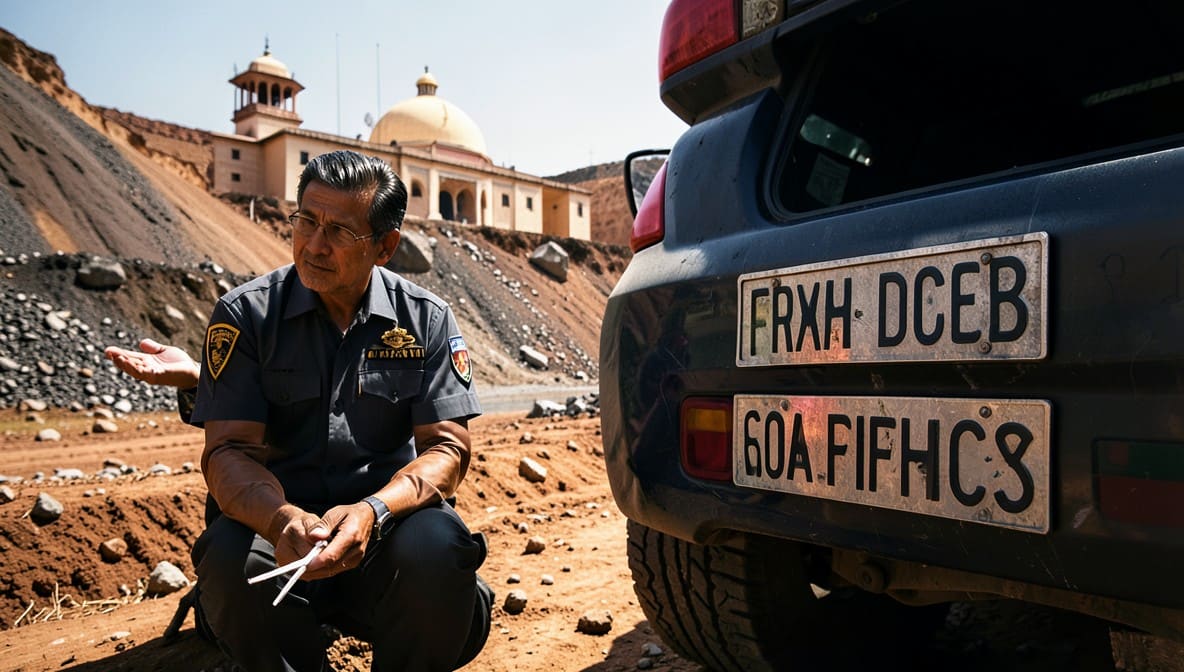
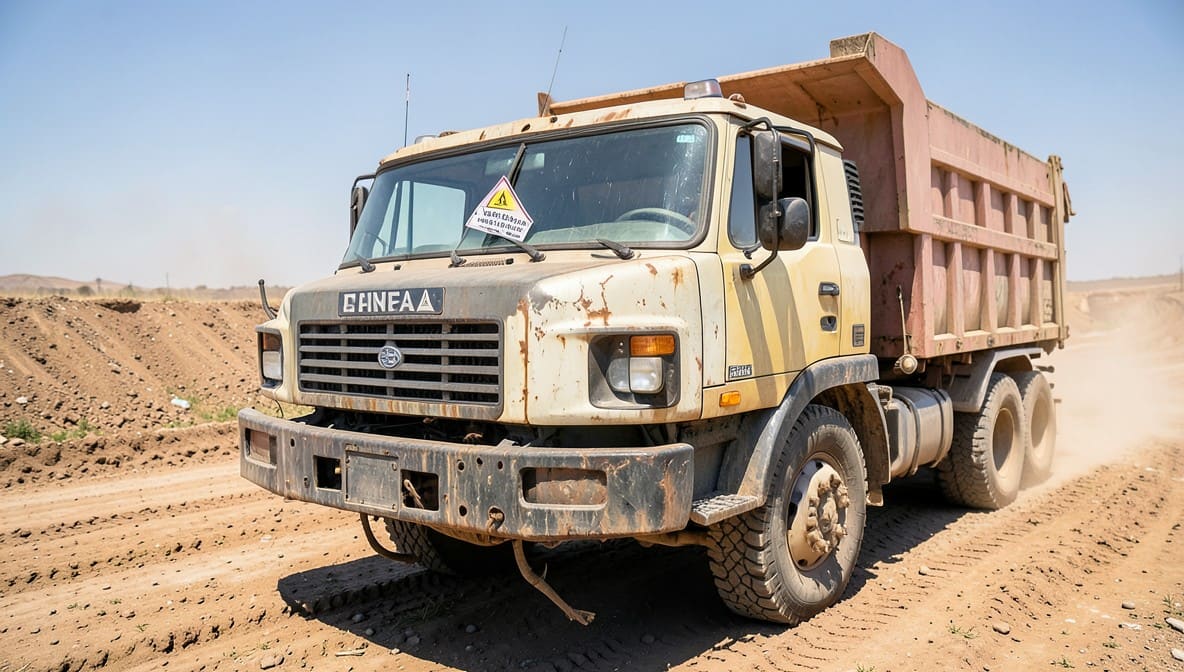
The petitioner, Rupa Ram, challenged the refusal of the lower court to release his vehicle, RJ-22-RC-4051, which was seized by mining authorities for alleged violation of the Rajasthan Minor Minerals Concession Rules. The vehicle was detained pending investigation, and the petitioner sought its release on execution of a supurdaginama - a written undertaking to produce the vehicle before the court upon demand.
Procedural History
- January 2026: Lower court rejected the petitioner’s application for release on supurdaginama, citing ongoing mining department proceedings.
- February 2026: Petitioner filed Criminal Misc. Petition No. 1813/2026 before the Rajasthan High Court seeking direction for release.
- March 2026: Both parties agreed the matter was covered by a prior coordinate bench judgment in Chaina Ram v. State of Rajasthan (S.B. Criminal Misc. Petition No. 597/2024).
Relief Sought
The petitioner sought immediate release of the vehicle on execution of a supurdaginama, arguing that the criminal court had inherent power to grant interim custody pending final adjudication.
The Legal Issue
The central question was whether a criminal court may release a vehicle seized under mining laws on supurdaginama after confiscation proceedings have been formally initiated by the mining department, or whether such release is permissible only upon payment of penalty and compounding fees.
Arguments Presented
For the Petitioner
The petitioner’s counsel argued that the criminal court, as a court of original jurisdiction, retains inherent powers under Section 439 CrPC to grant interim custody of seized property to its lawful owner, especially where no final order of confiscation has been passed. Reliance was placed on general principles of property rights and the doctrine of proportionality.
For the Respondent
The State contended that once confiscation proceedings are initiated under the Rajasthan Minor Minerals Concession Rules, the vehicle becomes subject to administrative forfeiture procedures. The criminal court lacks jurisdiction to interfere with such statutory processes. The State relied on the precedent in Chaina Ram v. State of Rajasthan, which held that supurdaginama cannot override statutory confiscation powers.
The Court's Analysis
The Court explicitly adopted the reasoning from the coordinate bench judgment in Chaina Ram v. State of Rajasthan, treating the issue as no longer res integra. It emphasized that mining laws confer exclusive authority on the state to initiate and conclude confiscation proceedings, and that the criminal court’s role is limited to ensuring procedural fairness, not overriding statutory mechanisms.
"It is once the confiscation proceedings are initiated, the vehicle cannot be released on supurdaginama as prayed by few of the petitioners. However, the said vehicles can only be released on payment of penalty and compounding fees."
The Court distinguished between two scenarios: (1) where confiscation proceedings have commenced, and (2) where they have not. In the former, only statutory remedies - payment of penalty or compounding - permit release. In the latter, the criminal court may grant interim custody. The Court further clarified that even if a vehicle was previously released on supurdaginama, the mining department retains the right to later initiate confiscation and reclaim the vehicle lawfully.
The Court rejected the notion that criminal courts possess unfettered discretion to release seized property in mining cases, noting that such an approach would undermine the legislative intent behind stringent mining control regimes.
The Verdict
The petitioner’s application was dismissed. The Court held that once confiscation proceedings are initiated under mining laws, release of seized vehicles on supurdaginama is impermissible. The petitioner was directed to file a fresh application before the competent court, which must decide the matter strictly in accordance with the parameters laid down in Chaina Ram.
What This Means For Similar Cases
Supurdaginama Cannot Bypass Statutory Confiscation
- Practitioners must now assess whether confiscation proceedings have been formally initiated before filing for release on supurdaginama.
- Applications for release on undertaking alone will be rejected if the mining department has already issued a notice under Rule 24 or similar provisions.
Penalty Payment Is the Only Path to Release
- Clients must be advised that the only lawful route to regain possession of seized mining vehicles is through payment of penalty and compounding fees as prescribed under the Rajasthan Minor Minerals Concession Rules.
- Criminal courts may not substitute their discretion for statutory compliance.
Criminal Courts Retain Limited Interim Authority
- If no confiscation proceedings have been initiated, criminal courts may grant interim custody of vehicles to owners, provided there is no risk of tampering or flight.
- Practitioners should file applications for interim custody early, before the mining department initiates formal proceedings.