Topic

Strict Liability

Strict liability in Indian law holds parties responsible for harm caused by inherently dangerous activities or substances, regardless of fault or intent, as applied in environmental, electricity, and transport cases.

19 articlesLatest September 2026
Strict Liability | Electricity Board Primarily Liable for Electrocution Despite Consumer's Illegal Tapping : Gujarat HC
|Gujarat High Court

Strict Liability | Electricity Board Primarily Liable for Electrocution Despite Consumer's Illegal Tapping : Gujarat HC

The Gujarat High Court held that an electricity distribution licensee remains strictly liable for electrocution deaths caused by live wires, even when the consumer illegally taps the line. The ruling places primary responsibility on the supplier for the escape of dangerous energy, ensuring victims' families can claim compensation directly from the board irrespective of the consumer's power theft.

Strict Liability Under Tort Law | Bombay HC Imposes 75% Liability on Railways for Unmanned Crossing Death, Awards Rs. 3.8 Crore Compensation : Bombay HC
Case Law Analysis
|Bombay High Court

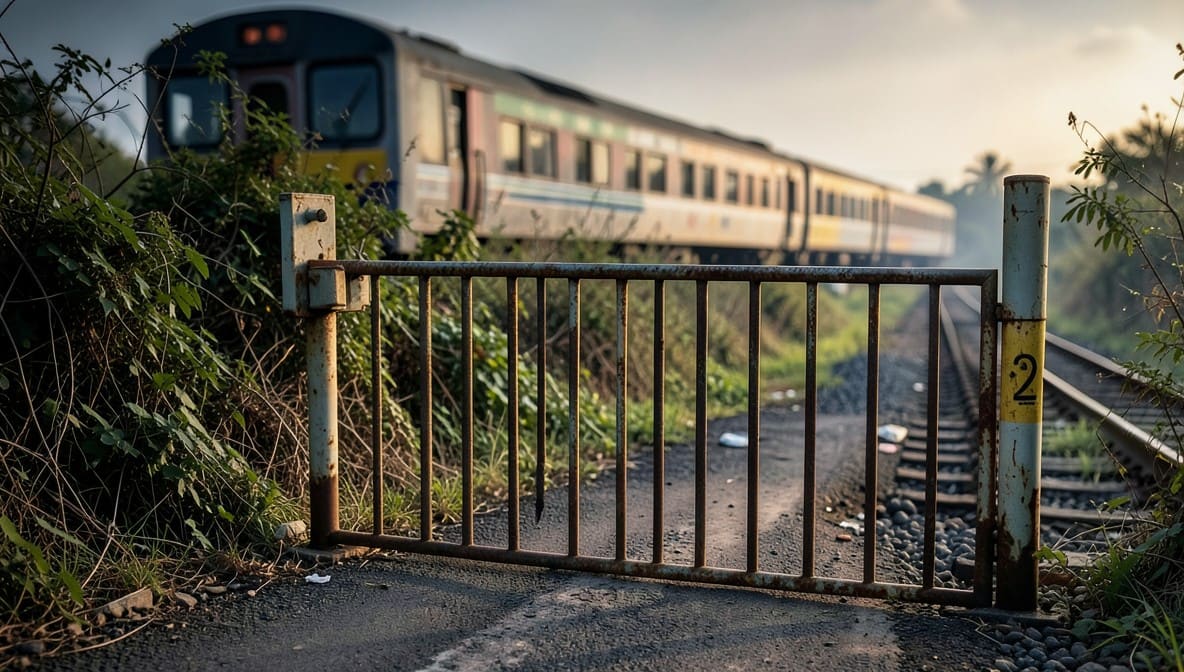
Strict Liability Under Tort Law | Bombay HC Imposes 75% Liability on Railways for Unmanned Crossing Death, Awards Rs. 3.8 Crore Compensation : Bombay HC

Bombay High Court holds the Railways strictly liable for 75% of damages in a fatal accident at an unmanned railway crossing, awarding Rs. 3.8 crores to the victims' family. The ruling reinforces institutional accountability under tort law for failing to ensure safety at level crossings, setting a precedent for future compensation claims.

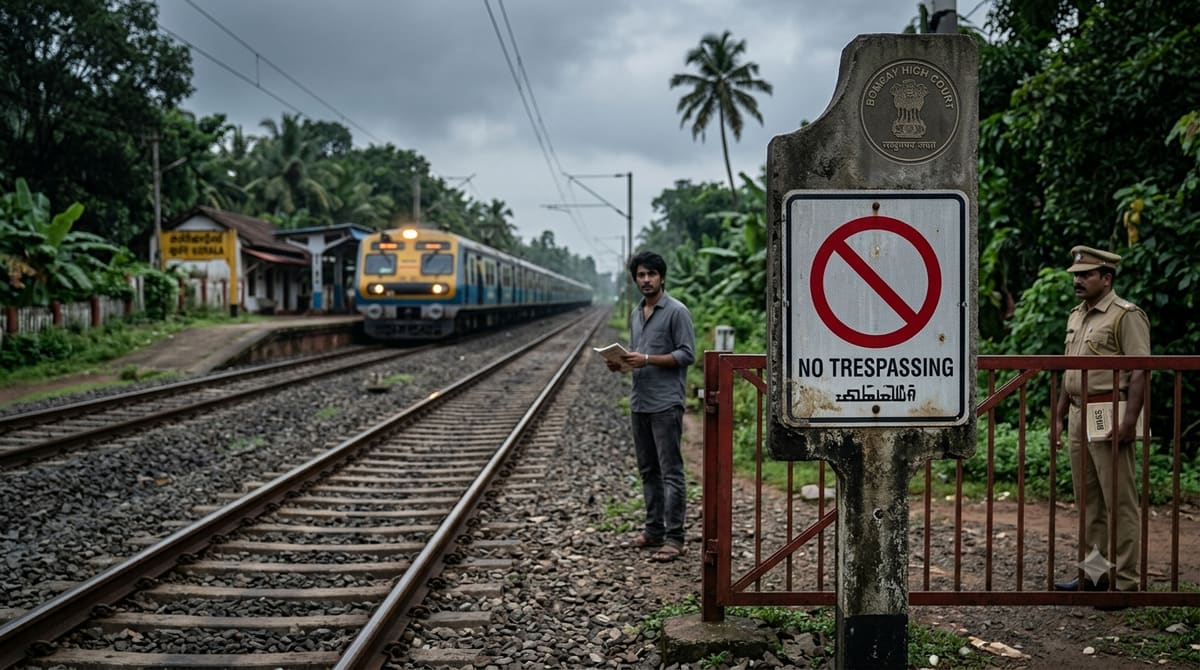
Section 124A Railways Act | Strict Liability Excludes Trespass-Related Deaths: Kerala HC Denies Compensation for Self-Inflicted Track Deaths
Case Law Analysis
|Kerala High Court

Section 124A Railways Act | Strict Liability Excludes Trespass-Related Deaths: Kerala HC Denies Compensation for Self-Inflicted Track Deaths

Kerala High Court holds that compensation under Section 124A of the Railways Act is not payable for deaths resulting from trespass on railway tracks, distinguishing such cases from accidents involving lawful passengers. The ruling clarifies that strict liability does not extend to self-inflicted injuries, impacting compensation claims for track-related fatalities.

Section 124-A Railways Act | Bonafide Passenger Status Not Disproved by Missing Ticket : Bombay HC Awards ₹8.98L Compensation for Untoward Incident
Case Law Analysis
|Bombay High Court

Section 124-A Railways Act | Bonafide Passenger Status Not Disproved by Missing Ticket : Bombay HC Awards ₹8.98L Compensation for Untoward Incident

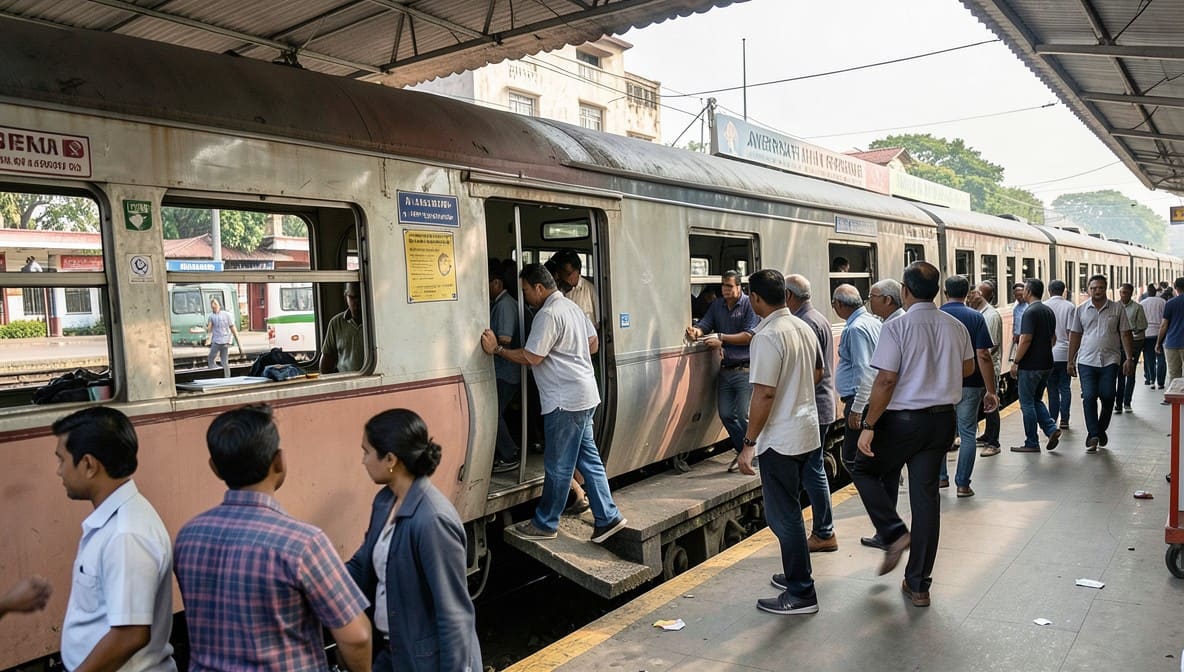
Bombay High Court holds that absence of a recovered ticket does not negate bonafide passenger status under Section 124-A of the Railways Act. Accidental falls from trains qualify as 'untoward incidents,' entitling dependents to compensation, even without physical proof of ticket. The ruling reinforces strict liability for railways in passenger safety cases.

Strict Liability for Hazardous Waste Fire | NGT Holds Occupier Liable for Environmental Damage & Orders Regulatory Inquiry : NGT Bhopal
Case Law Analysis
|National Green Tribunal

Strict Liability for Hazardous Waste Fire | NGT Holds Occupier Liable for Environmental Damage & Orders Regulatory Inquiry : NGT Bhopal

NGT imposes strict liability on industrial occupiers for hazardous waste fires, mandating environmental compensation and a technical committee inquiry into regulatory compliance. The ruling underscores non-delegable duty for safe waste handling under Hazardous and Other Wastes Rules, 2016, impacting industries storing or processing hazardous materials.

Strict Liability Under UHBVN 2019 Policy | Electrocution Compensation Mandated Irrespective of Fault : Punjab & Haryana HC
Case Law Analysis
|Punjab and Haryana High Court

Strict Liability Under UHBVN 2019 Policy | Electrocution Compensation Mandated Irrespective of Fault : Punjab & Haryana HC

The Punjab & Haryana High Court ruled that Uttar Haryana Bijli Vitran Nigam (UHBVN) is strictly liable for fatal electrocution accidents on its public network under its 2019 policy, mandating compensation under the Employees Compensation Act, 1923. The ruling underscores that electricity distribution is a hazardous activity, making UHBVN liable regardless of fault or the cause of the accident.

Directors Liable Under Air Act Even After Resignation | Burden of Non-Involvement Shifts to Accused at Trial : Allahabad HC
Case Law Analysis
|Allahabad High Court

Directors Liable Under Air Act Even After Resignation | Burden of Non-Involvement Shifts to Accused at Trial : Allahabad HC

The Allahabad High Court ruled that directors can be prosecuted under the Air Act if named in the complaint, even if they had resigned before the environmental violation occurred. The burden now shifts to them to prove they had no role in the company’s conduct at the time of the offence, significantly expanding personal liability for corporate environmental breaches.

Strict Liability Applies to Electricity Boards for Unfenced Transformers Near Schools | Child Electrocution Case : Allahabad HC
Case Law Analysis
|Allahabad High Court

Strict Liability Applies to Electricity Boards for Unfenced Transformers Near Schools | Child Electrocution Case : Allahabad HC

The Allahabad High Court ruled that electricity boards are strictly liable for electrocution injuries caused by unfenced transformers near schools, regardless of negligence. The ruling eliminates the burden of proving fault and recognizes children’s age as negating contributory negligence, setting a vital safety standard for public infrastructure near educational institutions.

Strict Liability for Electrocution | Electricity Board Liable for Death Caused by Live Supporting Wire Under Rylands v Fletcher : MP HC Gwalior
Case Law Analysis
|Madhya Pradesh High Court

Strict Liability for Electrocution | Electricity Board Liable for Death Caused by Live Supporting Wire Under Rylands v Fletcher : MP HC Gwalior

The Madhya Pradesh High Court held that the electricity board is strictly liable for fatal electrocution caused by a live supporting wire, even without proof of negligence, applying the doctrine of Rylands v Fletcher. This reinforces that public utilities cannot evade compensation for inherently dangerous activities, setting a critical precedent for consumer safety and tort accountability in infrastructure management.

Strict Liability Under Environmental Law | NGT Imposes Rs.64.8 Lakh Compensation for 324-Day Effluent Discharge Violation : NGT Western Zone Bench
Case Law Analysis
|National Green Tribunal

Strict Liability Under Environmental Law | NGT Imposes Rs.64.8 Lakh Compensation for 324-Day Effluent Discharge Violation : NGT Western Zone Bench

NGT upholds Maharashtra Pollution Control Board’s calculation of Rs.64.8 lakh environmental damage compensation against a slaughterhouse for prolonged untreated effluent discharge, reinforcing strict liability for pollution control violations. The ruling mandates deposit of the amount for remedial measures, setting a precedent for polluters' financial accountability under environmental laws.

Section 124A Railways Act | Accidental Fall from Train by Bonafide Passenger is 'Untoward Incident' Entitling Heirs to Compensation : Bombay HC
Case Law Analysis
|Bombay High Court

Section 124A Railways Act | Accidental Fall from Train by Bonafide Passenger is 'Untoward Incident' Entitling Heirs to Compensation : Bombay HC

Bombay High Court clarifies that an accidental fall from a train by a valid ticket-holding passenger qualifies as an 'untoward incident' under Section 124A of the Railways Act, 1989, overturning the Tribunal’s reliance on speculative inferences. The ruling mandates compensation for heirs, reinforcing strict liability in railway accidents regardless of fault.

Strict Liability Under Electricity Act | Child Electrocution Victim Entitled to Full Compensation Beyond Policy Limits : Punjab & Haryana HC
Case Law Analysis
|Punjab and Haryana High Court

Strict Liability Under Electricity Act | Child Electrocution Victim Entitled to Full Compensation Beyond Policy Limits : Punjab & Haryana HC

The Punjab & Haryana High Court ruled that strict liability under the Electricity Act, 2003 overrides humanitarian compensation policies, awarding Rs.99.94 lakh to a six-year-old electrocution victim. The judgment includes compensation for future prospects, attendant care, and loss of marriage prospects, setting a precedent for full reparation in public utility liability cases involving children.

Section 123(c) Railways Act | Mistaken Boarding Does Not Invalidate Bona Fide Passenger Status : Delhi HC Upholds Strict Liability for Untoward Incidents
Case Law Analysis
|Delhi High Court

Section 123(c) Railways Act | Mistaken Boarding Does Not Invalidate Bona Fide Passenger Status : Delhi HC Upholds Strict Liability for Untoward Incidents

Delhi High Court rules that passengers who mistakenly board the wrong train retain their bona fide status under the Railways Act, entitling them to compensation for untoward incidents. The court emphasized that strict liability applies regardless of boarding errors, reinforcing passenger protection under Section 123(c).

Section 166 MV Act | Contributory Negligence Requires Apportionment of Liability, Not Strict Liability : Punjab & Haryana HC
Case Law Analysis
|Punjab and Haryana High Court

Section 166 MV Act | Contributory Negligence Requires Apportionment of Liability, Not Strict Liability : Punjab & Haryana HC

The Punjab & Haryana High Court ruled that when a stationary vehicle is struck due to the contributory negligence of the other driver, compensation must be apportioned based on proven fault, not imposed as strict liability under Section 166 of the Motor Vehicles Act. This clarifies that claimants cannot bypass evidentiary burdens by relying on presumptive liability, affecting how claimants and insurers assess fault in multi-party accidents.