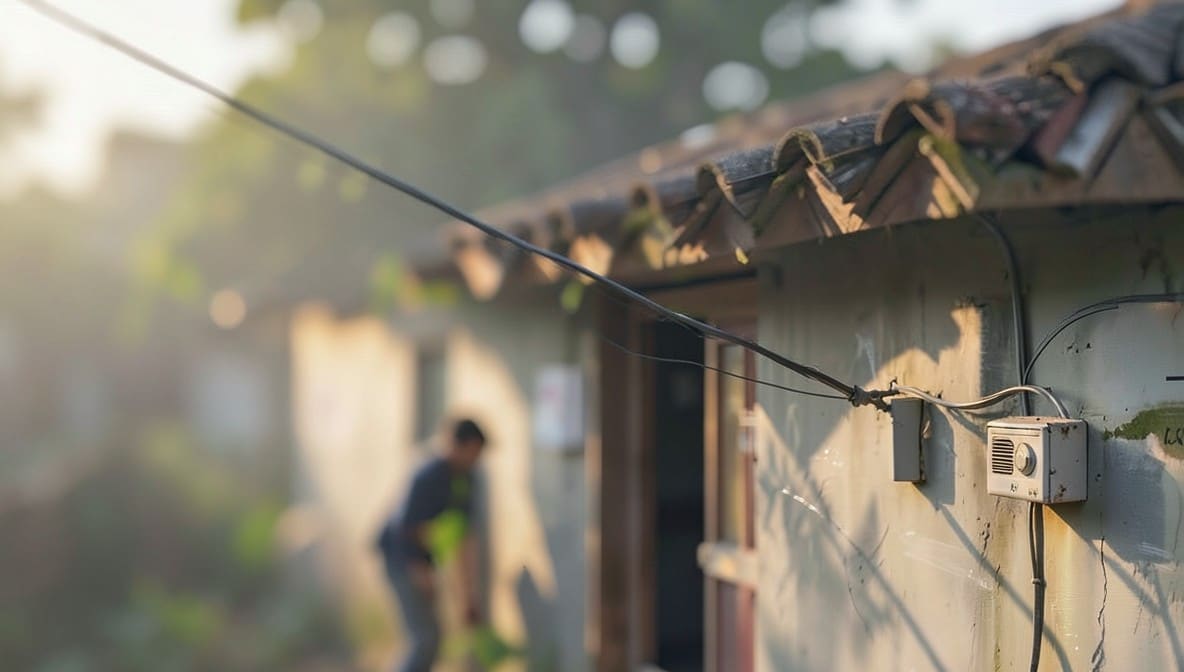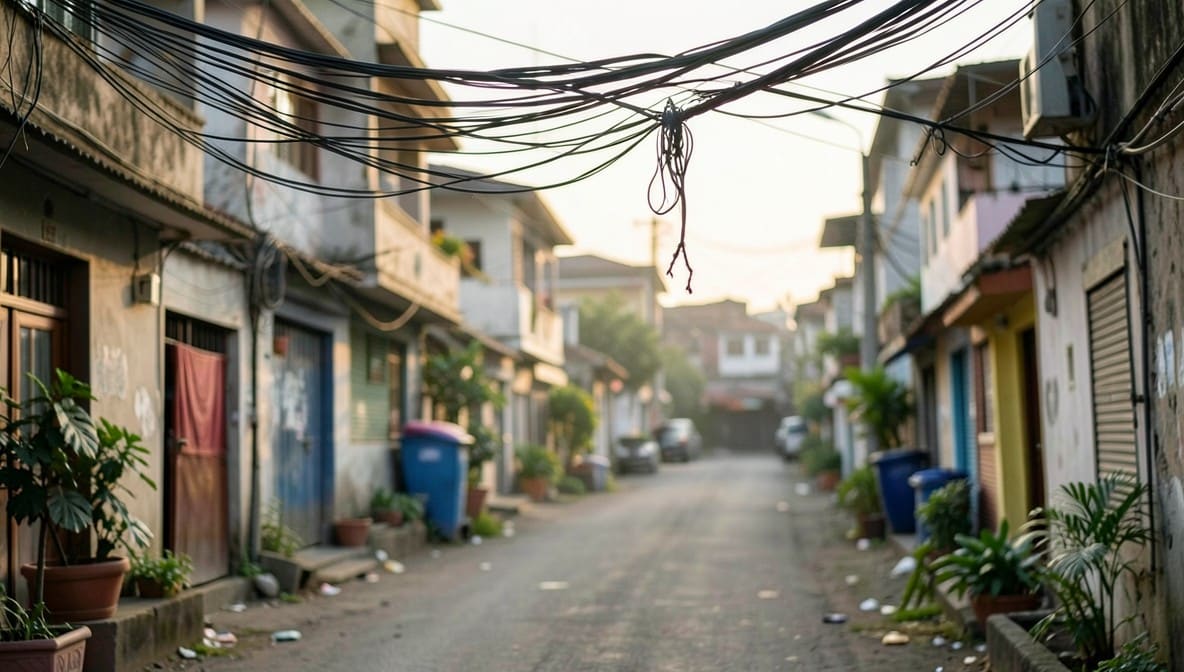
The Punjab and Haryana High Court has affirmed that Uttar Haryana Bijli Vitran Nigam Limited (UHBVN) bears strict liability for fatal electrocution accidents occurring on its public electrical network, irrespective of fault. This ruling, arising from the death of an 18-year-old, reinforces the duty of public utilities to compensate victims under their own notified policies, setting a clear precedent for similar cases involving hazardous public infrastructure.
Background & Facts
The Dispute
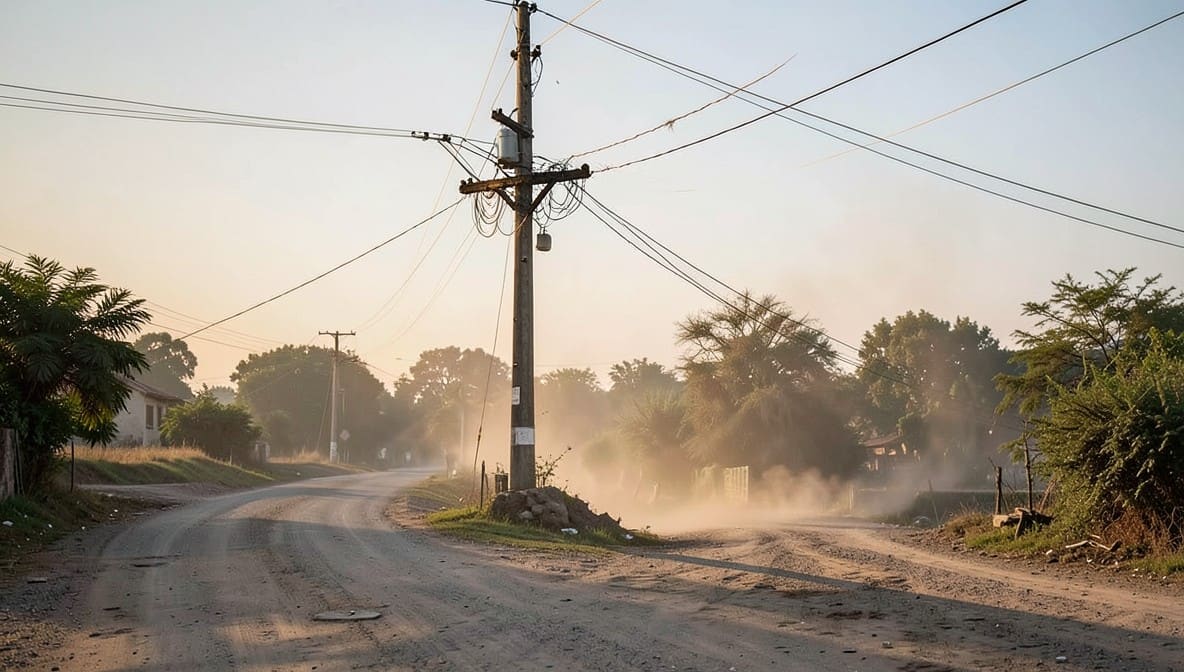
The petitioners, Ramesh Kumar and another, are the parents of Rahul Sharma, an 18-year-old who died on 11.09.2025 due to electrocution after coming into contact with loose electrical wires in a public area. The incident occurred on a public road, not on private premises, and involved infrastructure maintained by UHBVN. The petitioners sought compensation under UHBVN’s own policy for fatal accidents caused by electrocution.
Key Facts
- The deceased, Rahul Sharma, was a minor aged 18 years at the time of death on 11.09.2025
- The cause of death was confirmed by the post mortem report (Annexure P-3), which attributed death to electrocution
- A DDR No.16 dated 17.09.2023 (Annexure P-1) was registered regarding the incident
- UHBVN had framed a policy dated 08.07.2019 (Annexure P-4) providing for compensation in cases of fatal and non-fatal electrocution accidents
- Petitioner No.1 submitted a representation dated 10.09.2025 (Annexure P-5) seeking compensation under the policy, sent via speed post
- No response or action was taken on the representation prior to the filing of the petition
- The accident occurred on the UHBVN’s public electrical network, not on private premises
Procedural History
- 11.09.2025: Death of Rahul Sharma due to electrocution on public road
- 17.09.2023: DDR No.16 registered regarding the incident (note: date appears inconsistent with death date; likely typographical error in record)
- 10.09.2025: Representation (Annexure P-5) submitted by petitioner No.1 to UHBVN seeking compensation
- 16.10.2025: First hearing before the Court; notice issued to respondents
- 16.04.2026: Final hearing and disposal of petition
The Parties' Positions
Petitioners: Argued that UHBVN’s policy dated 08.07.2019 creates absolute liability for electrocution deaths on its public network, and that their representation, though not explicitly citing the policy, should be construed as made under it. Relied on Paragraph 11 of the policy which imposes strict liability.
Respondents (UHBVN and State): Did not dispute the facts or the applicability of the policy. Accepted notice and sought time to review the representation. Did not contest the legal principle of strict liability under the policy.
Relief Sought
The petitioners sought a direction to UHBVN to pay compensation for the death of their son in accordance with the policy dated 08.07.2019, specifically invoking the Employees Compensation Act, 1923 as the benchmark for calculation.
The Legal Issue
The central question was whether UHBVN is strictly liable to pay compensation for a fatal electrocution occurring on its public electrical network under its own policy dated 08.07.2019, even in the absence of proven negligence, and whether a representation not explicitly referencing the policy can be treated as a claim under it.
Arguments Presented
For the Petitioner
Counsel relied on Paragraph 11 of UHBVN’s policy dated 08.07.2019, which explicitly states that UHBVN, being engaged in a hazardous activity, owes strict liability for compensation in cases of fatal and non-fatal electrocution accidents on its public network. He argued that the policy, once notified, becomes a binding administrative commitment. He further contended that the representation (Annexure P-5), though not citing the policy by name, clearly sought compensation for an electrocution death on UHBVN infrastructure, and thus must be read as made under the policy.
For the Respondent
The State and UHBVN did not contest the legal position. The DAG and Additional Advocate General accepted notice and requested time to review the representation. At the final hearing, UHBVN’s counsel did not dispute the applicability of the policy or the principle of strict liability, and instead undertook to decide the claim within six weeks.
The Court's Analysis
The Court did not engage in a detailed doctrinal analysis because the respondents did not oppose the petitioners’ legal position. The Court noted that UHBVN had itself framed a policy imposing strict liability for electrocution accidents on its public network, and that this policy was notified on 08.07.2019. The Court observed that Paragraph 11 of the policy clearly states that compensation shall be payable irrespective of the reason for the accident, as the electricity system is open to the public.
"UHBVN is engaged in the hazardous activity and risky for the human life and thus UHBVN owns strict liability for compensation to the private person. Accordingly, the compensation to the private person shall be payable in case of fatal as well as non-fatal accident irrespective of the reasons for such accident as the electricity system is open to the public."
The Court accepted the petitioner’s representation as a valid claim under the policy, even though it did not explicitly cite the policy document, because the subject matter and relief sought were unambiguous. The Court emphasized that administrative policies, once notified, create enforceable obligations, particularly when they concern public safety and hazardous activities.
The Court further noted that the Employees Compensation Act, 1923, was correctly referenced as the benchmark for determining compensation, as explicitly stated in the policy.
The Verdict
The petitioners succeeded. The Court disposed of the petition on the undertaking of UHBVN’s counsel that the competent authority would consider the claim and pass an appropriate order within six weeks from 16.04.2026. Compensation shall be calculated as per the Employees Compensation Act, 1923, and shall be paid within the stipulated period. All pending applications were dismissed.
What This Means For Similar Cases
Strict Liability Policies Are Enforceable Against Public Utilities
- Practitioners can now invoke notified administrative policies imposing strict liability as binding obligations, even without proving negligence
- Where a public utility like UHBVN, BSES, or DISCOMs issues a compensation policy for hazardous activities, such policies create a legal duty enforceable through writ jurisdiction
- The burden shifts to the utility to prove the accident occurred on private premises to avoid liability
Representation Need Not Cite Policy by Name to Be Valid
- Administrative bodies cannot reject claims on technical grounds if the substance of the request clearly falls within the scope of a notified policy
- A representation seeking compensation for an electrocution death on public infrastructure, even without referencing the policy document, constitutes a valid claim under it
- This principle applies equally to other public utilities with similar compensation frameworks
Compensation Benchmarks Must Be Followed
- When a policy specifies a statutory benchmark (here, Employees Compensation Act, 1923), the authority must adhere to it and cannot unilaterally reduce the quantum
- Legal practitioners should ensure claims are framed with reference to the exact compensation formula under the relevant Act to avoid delays or disputes
- Interest may be claimed if payment is delayed beyond the stipulated timeline, as per State of Haryana v. Bhagwan Das (2020)