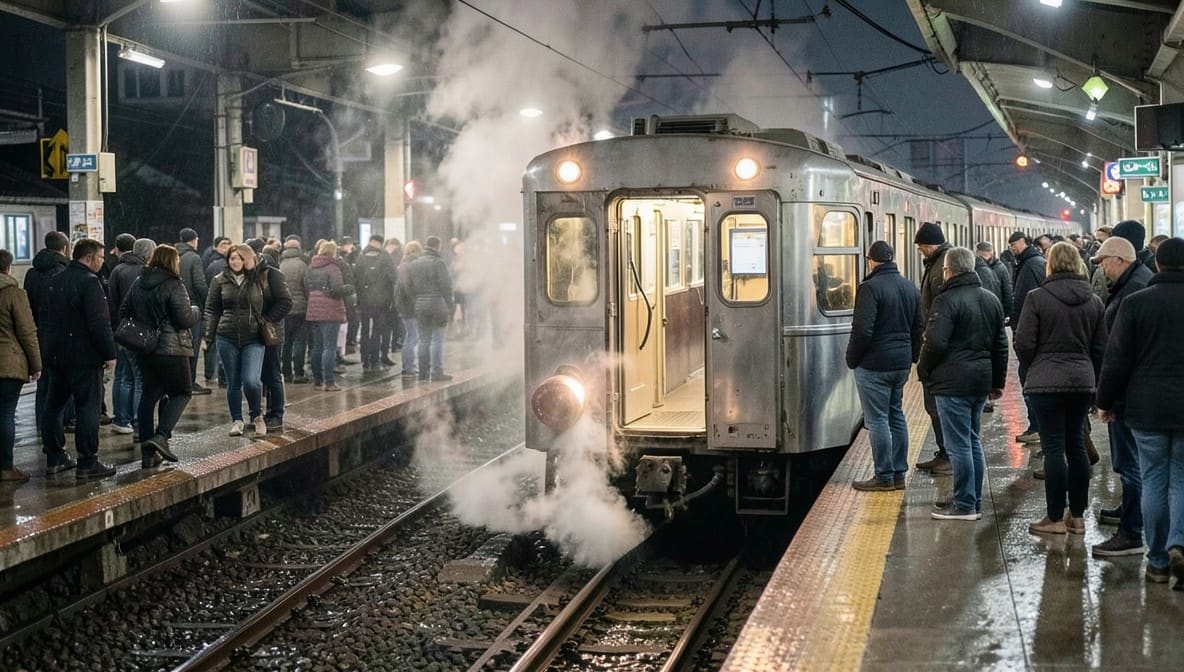
The Delhi High Court has clarified that a passenger’s mistaken boarding of a wrong train does not strip them of their legal status as a bona fide traveler under the Railways Act, 1989. This judgment reinforces the principle of strict liability for railway authorities in cases of untoward incidents, regardless of fault, and mandates a liberal interpretation of compensation provisions to protect vulnerable travelers.
Background & Facts
The Dispute
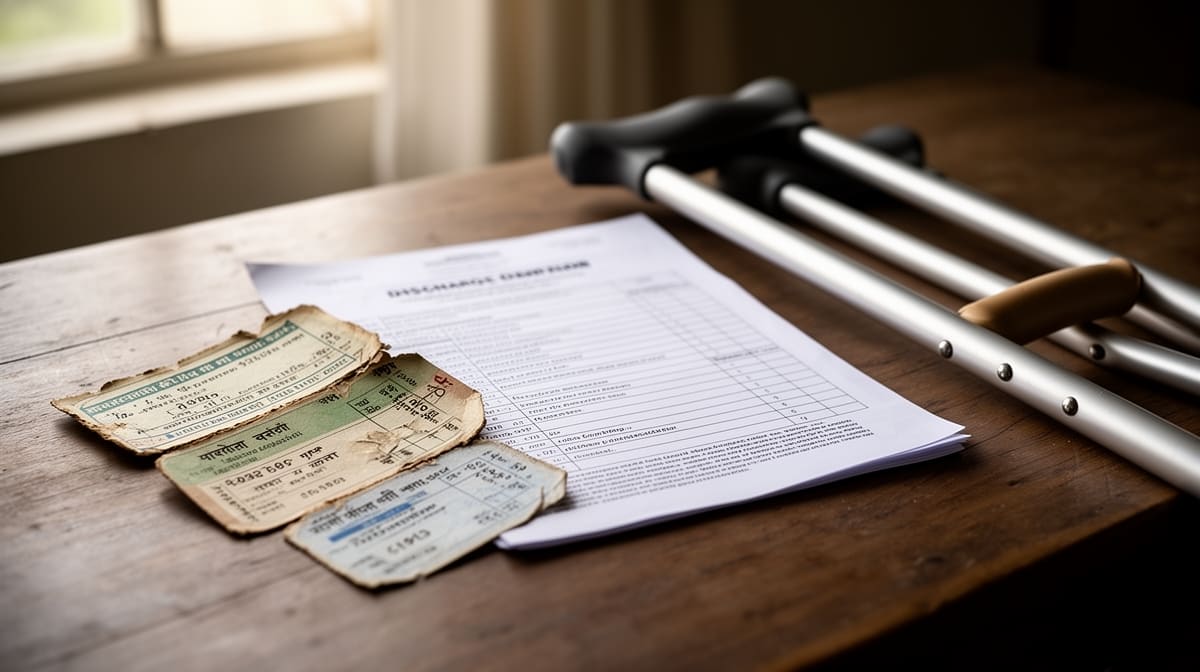
Sh. Mohd Rahees, the claimant, purchased a valid ticket to travel from Gondia to Nagpur for onward journey to Delhi. He mistakenly boarded Train No. 58117 (Jharsuguda-Gondia Passenger) from Platform No. 2, believing it would proceed to Nagpur. Upon realizing his error, he attempted to alight as the train jerked, resulting in a fall that caused bilateral below-knee amputation. The Railway Claims Tribunal dismissed his claim, holding he was not a bona fide passenger and that the incident did not qualify as an "untoward incident" under Section 123(c) of the Railways Act, 1989.
Procedural History
- 17.11.2018: Incident occurred at Gondia Railway Station; claimant sustained grievous injuries.
- 2019: Claim petition filed before Railway Claims Tribunal under Sections 123(c) and 124-A of the Railways Act.
- 23.11.2021: Tribunal dismissed claim, citing lack of ticket recovery and alleged negligence.
- 2022: Appeal filed before Delhi High Court under Section 23 of the Railway Claims Tribunal Act, 1987.
- 2023: Claimant passed away on 17.10.2023; legal representatives were brought on record after delay, which was condoned by the Court.
Relief Sought
The appellant sought reversal of the Tribunal’s order and directed compensation for injuries sustained in an untoward incident, invoking the principle of strict liability under the Railways Act.
The Legal Issue
The central question was whether boarding a wrong train automatically disqualifies a person from being a bona fide passenger under Section 123(c) of the Railways Act, 1989, and whether an accidental fall from a moving train during station operations constitutes an "untoward incident" entitling the claimant to compensation under Section 124-A.
Arguments Presented
For the Appellant
Counsel relied on Munnibai v. Union of India and Shrikumar Gupta & Anr v. Union of India to argue that mistaken boarding does not negate passenger status. It was submitted that the claimant had purchased a valid ticket, was on railway premises for legitimate travel, and the injury occurred during railway operations. The Tribunal’s reliance on non-recovery of the ticket was legally untenable, as the burden shifted to the Railways to disprove passenger status, which they failed to do.
For the Respondent
The Union contended that the claimant had boarded an empty rake during shunting operations, lacked a recovered ticket, and his actions amounted to negligence. It was argued that the incident fell outside the scope of "untoward incident" as it resulted from the claimant’s own carelessness, and thus, the exceptions under Section 124-A applied.
The Court's Analysis
The Court examined the legislative intent behind the Railways Act, emphasizing that compensation provisions are beneficial legislation requiring a liberal, purposive interpretation. It held that the initial burden of proving passenger status was discharged by the claimant’s affidavit and the Railways’ own admission of the incident occurring on its premises. The Court noted that the DRM report and MLC records corroborated the occurrence and severity of injuries.
"The death of the said passenger was due to the injuries sustained in accidental fall from a running train. Accordingly, the death was an ‘untoward incident’ and was not covered by proviso to section 124-A of the Railways Act."
The Court cited Munnibai and Shrikumar Gupta to affirm that mistaken boarding does not equate to unauthorized travel. It rejected the Tribunal’s speculative inference that the claimant’s negligence excluded the incident from Section 124-A, noting that no evidence established intentional self-harm or conduct falling within the enumerated exceptions (a) to (e). The Court emphasized that Section 124-A imposes strict liability - once an untoward incident is established, fault becomes irrelevant. The Railways failed to discharge their burden of proving applicability of any exception.
The Verdict
The appellant won. The Delhi High Court held that boarding a wrong train does not negate bona fide passenger status and that accidental falls during station operations constitute untoward incidents under the Railways Act. The impugned order was set aside, and the matter was remanded to the Tribunal to assess and disburse compensation within two months.
What This Means For Similar Cases
Passenger Status Is Not Dependent on Ticket Recovery
- Practitioners must argue that ticket possession is not mandatory to establish passenger status; purchase evidence, witness testimony, and railway admission suffice.
- The burden shifts to the Railways to prove unauthorized entry - mere non-recovery of ticket is insufficient.
Untoward Incident Includes Accidental Falls During Station Operations
- Any injury occurring during railway operations, even during shunting or platform movement, qualifies as an untoward incident unless it falls under the specific statutory exceptions in Section 124-A.
- Claims cannot be denied on speculative grounds of negligence; strict liability applies.
Tribunal Must Apply Liberal Interpretation, Not Technical Formalities
- Railway Claims Tribunals must avoid hyper-technical rejections based on procedural gaps.
- Courts will intervene where tribunals misapply the law by ignoring precedents like Munnibai and Shrikumar Gupta.
- Practitioners should cite these precedents in all passenger injury claims to counter narrow interpretations.