Topic

negligence

Negligence in Indian law refers to failure to exercise reasonable care, often leading to criminal liability under Section 304-A IPC or civil liability in motor accident claims and insurance disputes.

21 articlesLatest August 2026
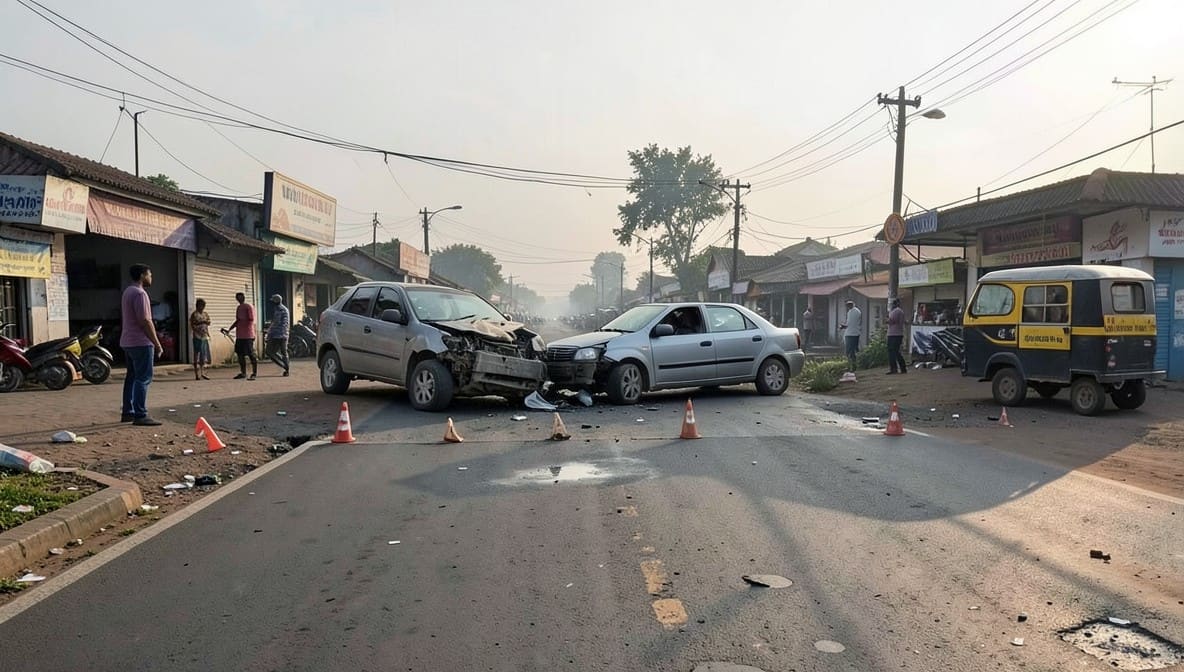
FIR & charge-sheet are prima facie evidence of negligence; criminal acquittal does not bar civil compensation in motor accident claims | Motor Vehicles Act : SC
Case Law Analysis
|Supreme Court of India

FIR & charge-sheet are prima facie evidence of negligence; criminal acquittal does not bar civil compensation in motor accident claims | Motor Vehicles Act : SC

The Supreme Court ruled that an FIR and the accompanying charge-sheet suffice as prima facie proof of negligence in motor accident cases, and that a criminal acquittal does not extinguish the right to claim civil damages. This expands claimants’ ability to recover full compensation despite a not-guilty verdict.


Motor Accident Claims | Preponderance of Probabilities Standard Overrides Concurrent Findings on Negligence : SC
Case Law Analysis
|Supreme Court of India

Motor Accident Claims | Preponderance of Probabilities Standard Overrides Concurrent Findings on Negligence : SC

The Supreme Court reiterated that motor accident compensation claims must be adjudicated on the 'preponderance of probabilities' standard, not criminal law standards. The ruling sets aside concurrent findings of negligence where the Tribunal and High Court failed to apply this civil law principle, impacting compensation calculations under the Motor Vehicles Act 1988.

Mechanical Defect as Defense in Rash Driving Cases | Prosecution Must Prove Failure to Maintain Vehicle : Himachal Pradesh HC
|Himachal Pradesh High Court

Mechanical Defect as Defense in Rash Driving Cases | Prosecution Must Prove Failure to Maintain Vehicle : Himachal Pradesh HC

Himachal Pradesh High Court acquits accused in a rash driving case, ruling that a mechanical defect shifts the burden of proof to the prosecution to demonstrate the driver's failure to maintain the vehicle. The judgment clarifies that negligence cannot be presumed without evidence of poor upkeep, impacting road accident litigation under IPC Sections 279, 337, and 338.

Section 304A IPC | Prosecution Must Prove Culpable Negligence Beyond Reasonable Doubt: Karnataka HC Acquits in Rash Driving Death Case
|Karnataka High Court

Section 304A IPC | Prosecution Must Prove Culpable Negligence Beyond Reasonable Doubt: Karnataka HC Acquits in Rash Driving Death Case

Karnataka High Court upholds acquittal under Sections 279, 337, 338, and 304A IPC, ruling that unreliable eyewitness testimony and lack of independent corroboration fail to establish culpable negligence. The judgment reinforces that mere rash driving allegations are insufficient without conclusive proof of criminal intent or recklessness.

Section 166 Motor Vehicles Act | FIR Evidence Must Be Considered for Negligence in Motor Accident Claims: Bombay HC
Case Law Analysis
|Bombay High Court

Section 166 Motor Vehicles Act | FIR Evidence Must Be Considered for Negligence in Motor Accident Claims: Bombay HC

Bombay High Court rules that Motor Accident Claims Tribunals must consider FIR evidence when determining negligence under Section 166 of the Motor Vehicles Act, 1988. The court set aside an order that ignored the FIR, remanding the case for fresh adjudication on compensation, emphasizing that the FIR is a critical factor in establishing rash and negligent driving.

Section 304-A IPC | Sentence Reduced to Six Months for Negligent Driving Causing Death; Delayed Identification Validated Through Vehicle Records and Absence of Denial : Karnataka HC
Case Law Analysis
|Karnataka High Court

Section 304-A IPC | Sentence Reduced to Six Months for Negligent Driving Causing Death; Delayed Identification Validated Through Vehicle Records and Absence of Denial : Karnataka HC

The Karnataka High Court upheld conviction under Section 304-A IPC for negligent driving resulting in death, reducing the sentence from one year to six months while setting aside the merged Section 279 IPC charge. It affirmed that delayed victim identification is legally sufficient when corroborated by vehicle registration details and the accused’s failure to deny involvement, reinforcing evidentiary standards in road accident prosecutions.

Section 279, 337, 338 & 304A IPC | Mere High Speed Without Breach of Duty Insufficient for Conviction : Himachal Pradesh HC
Case Law Analysis
|Himachal Pradesh High Court

Section 279, 337, 338 & 304A IPC | Mere High Speed Without Breach of Duty Insufficient for Conviction : Himachal Pradesh HC

The Himachal Pradesh High Court ruled that allegations of 'high speed' or 'negligence' without concrete evidence of breach of duty cannot sustain a conviction under IPC Sections 279, 337, 338, or 304A. The judgment reinforces the high evidentiary threshold required for overturning acquittals, particularly when relying on eyewitness testimony in road accident cases.

Section 304-A IPC | Driving with Defective Tyres Constitutes Criminal Negligence; Sentence Commutable to Fine Due to Delayed Justice: Andhra Pradesh HC
Case Law Analysis
|Andhra Pradesh High Court

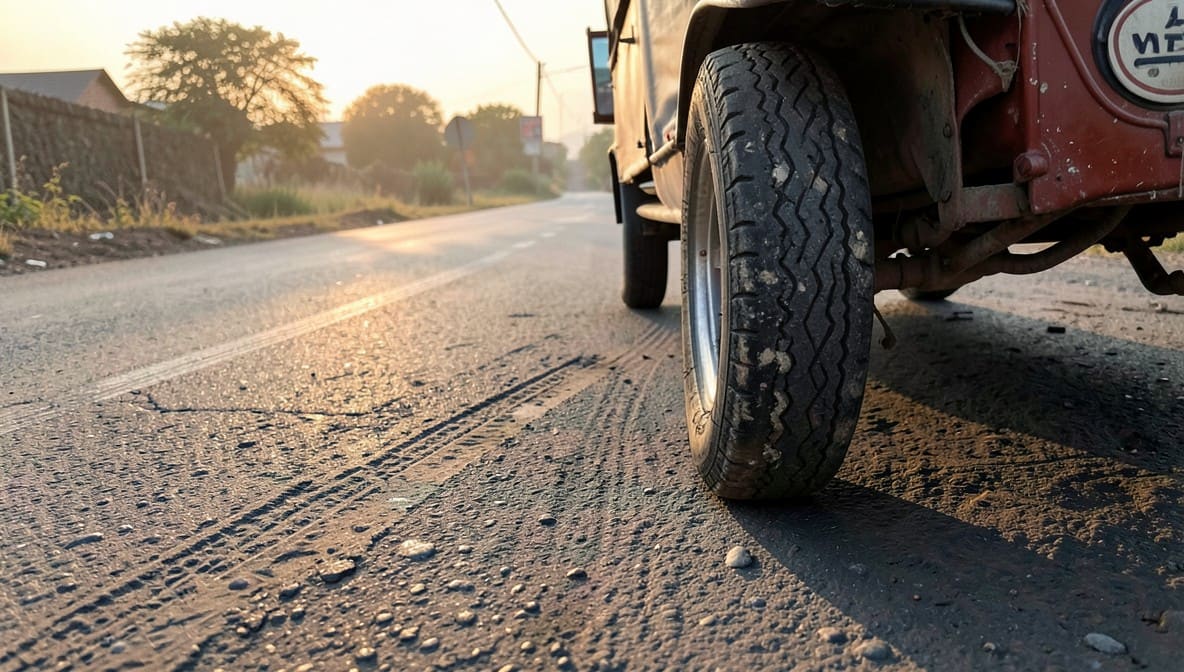
Section 304-A IPC | Driving with Defective Tyres Constitutes Criminal Negligence; Sentence Commutable to Fine Due to Delayed Justice: Andhra Pradesh HC

The Andhra Pradesh High Court upheld conviction under Section 304-A IPC for causing death due to negligent driving with worn-out tyres but reduced the six-month imprisonment to a Rs. 5,000 fine, citing a 14-year litigation delay and absence of criminal intent. The ruling reinforces that mechanical negligence leading to fatal accidents attracts criminal liability, while also acknowledging systemic delays as grounds for sentence commutation.

Section 106 BNS | Accidental Electrocution During Voluntary Technical Work Not Per Se Rash or Negligent: Chhattisgarh HC
Case Law Analysis
|Chhattisgarh High Court

Section 106 BNS | Accidental Electrocution During Voluntary Technical Work Not Per Se Rash or Negligent: Chhattisgarh HC

The Chhattisgarh High Court held that when a qualified electrician dies in an accident while performing voluntary technical work, the employer’s role in providing illegal wiring does not automatically amount to rash or negligent conduct under Section 106 of the Bhartiya Nyay Sanhita. This clarifies the boundary between criminal liability and assumed occupational risk, protecting homeowners and contractors from overcriminalization of workplace accidents.

Section 304(A) IPC & Section 197 CrPC | Public Servants Liable for Criminal Negligence in Failing to Maintain Safe Electrical Infrastructure : Gauhati HC
Case Law Analysis
|Gauhati High Court

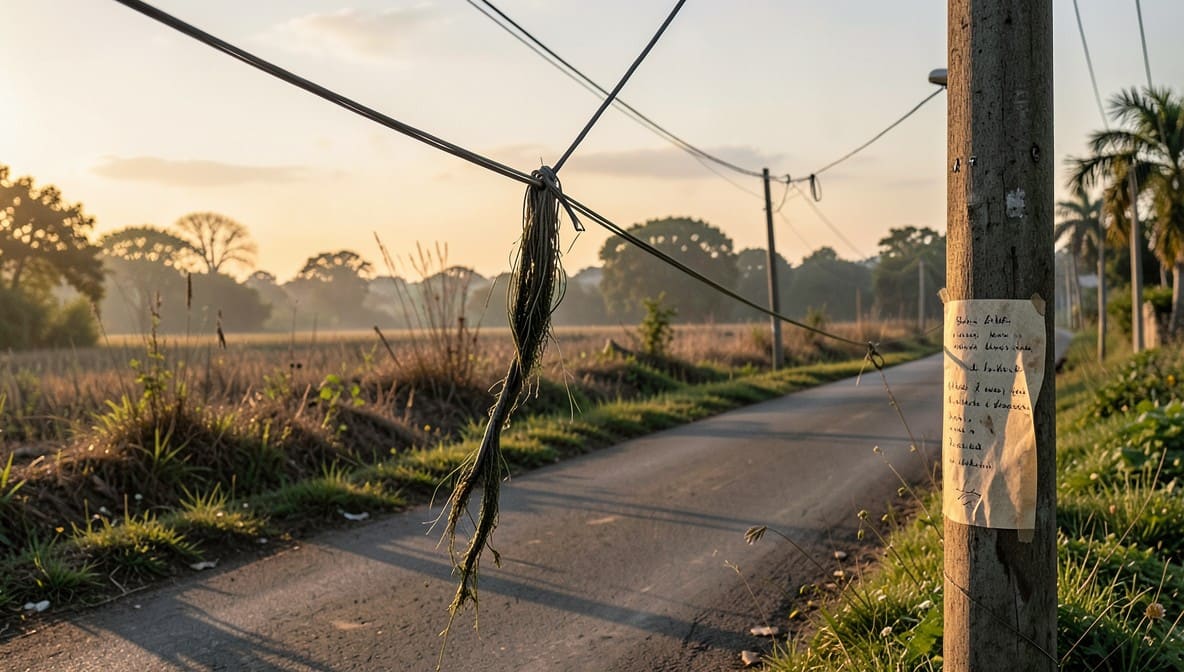
Section 304(A) IPC & Section 197 CrPC | Public Servants Liable for Criminal Negligence in Failing to Maintain Safe Electrical Infrastructure : Gauhati HC

The Gauhati High Court ruled that public servants cannot invoke Section 197 CrPC immunity when their failure to address known, life-threatening electrical hazards results in death. This establishes that negligence in maintaining public utilities falls outside protected official duty, opening the door for direct prosecution under Section 304(A) IPC - a landmark clarification for accountability in infrastructure management.

Insurer Liable for Compensation if Charge Sheet Unchallenged or Driver Unexamined: Andhra Pradesh HC Establishes Presumption of Negligence | Motor Accident Claims
Case Law Analysis
|Andhra Pradesh High Court

Insurer Liable for Compensation if Charge Sheet Unchallenged or Driver Unexamined: Andhra Pradesh HC Establishes Presumption of Negligence | Motor Accident Claims

The Andhra Pradesh High Court ruled that insurers cannot dispute liability in motor accident claims if they fail to challenge the police charge sheet or examine the driver, creating a presumption of negligence. This shifts the burden of proof onto insurers, impacting compensation claims under tort law.

Section 166 Motor Vehicles Act | Consistent Eyewitness Testimony & FIR Suffice to Establish Negligence : CGHC Shifts Burden to Insurer to Prove License Invalidity
Case Law Analysis
|Chhattisgarh High Court

Section 166 Motor Vehicles Act | Consistent Eyewitness Testimony & FIR Suffice to Establish Negligence : CGHC Shifts Burden to Insurer to Prove License Invalidity

Chhattisgarh High Court rules that unchallenged eyewitness testimony and an FIR under IPC Sections 279 & 337 conclusively establish driver negligence, entitling the victim to compensation. The insurer must prove the driver's license was invalid to evade liability, reinforcing claimant rights under the Motor Vehicles Act.

Section 482 BNSS | Negligence Without Criminal Intent Insufficient for Custodial Arrest in Religious Sentiment Cases : Punjab & Haryana HC
Case Law Analysis
|Punjab and Haryana High Court

Section 482 BNSS | Negligence Without Criminal Intent Insufficient for Custodial Arrest in Religious Sentiment Cases : Punjab & Haryana HC

The Punjab & Haryana High Court ruled that mere negligence in handling sacred texts, absent criminal intent or active participation, does not warrant custodial interrogation. The decision underscores that anticipatory bail under BNSS Section 482 must be granted where allegations are based on documentary evidence and delayed FIRs, particularly in cases involving religious sentiments.