The Andhra Pradesh High Court has affirmed that driving a vehicle with worn-out tyres constitutes negligence under Section 304-A IPC, even in the absence of intentional misconduct. While upholding the conviction, the Court commuted the sentence to a fine, emphasizing the undue delay in adjudication and the accidental nature of the incident.
Background & Facts
The Dispute
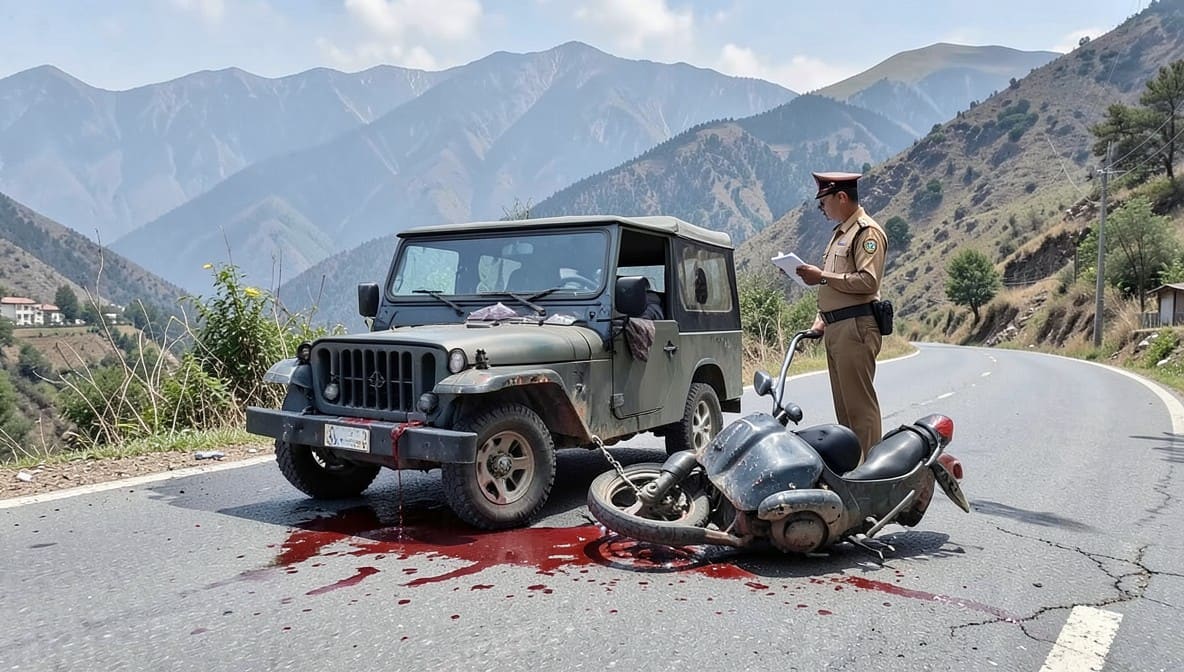
On 02.05.2011, the deceased, an elderly man, was proceeding to the Panchayat Office in Pathapatnam, Srikakulam District, to collect his old-age pension. The petitioner, Gantayettu Anil Kumar, was driving an auto-rickshaw when it struck the deceased, causing fatal injuries. The deceased succumbed to his injuries shortly thereafter.
Key Facts
- The accident occurred on 02.05.2011 at approximately 10:30 AM near the Panchayat Office
- The petitioner was the owner and driver of the auto-rickshaw
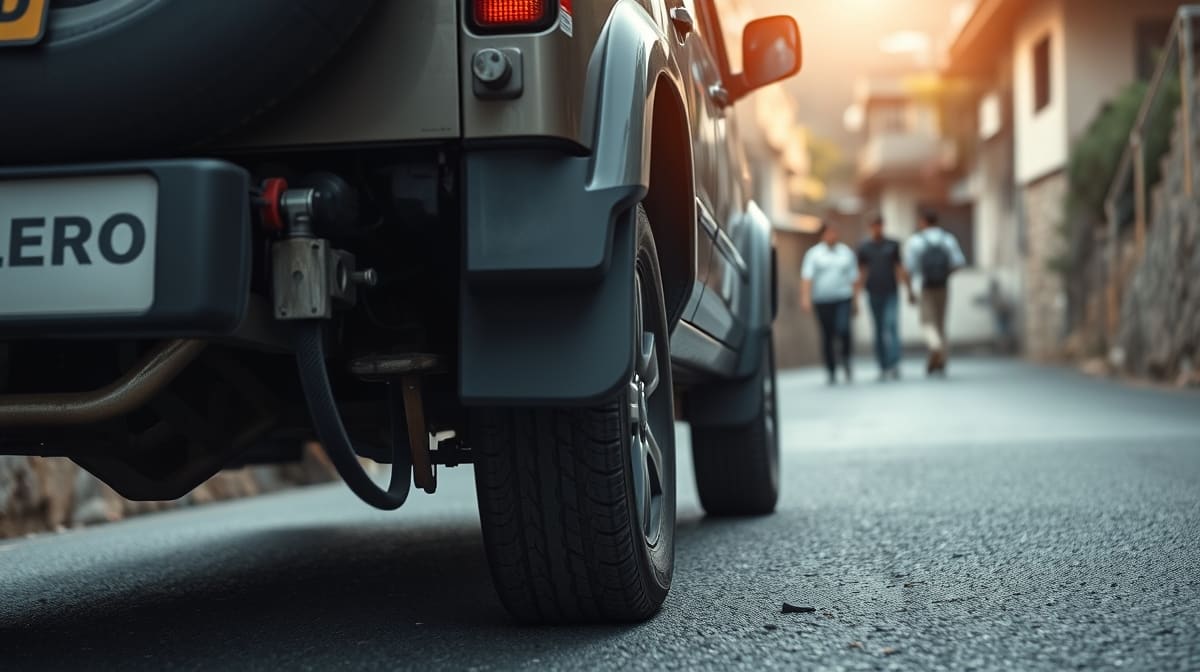
- The vehicle had a punctured and worn-out front tyre at the time of the accident
- The deceased sustained multiple injuries consistent with a high-impact road accident
- The petitioner was charged under Section 304-A IPC for causing death by negligence
- Ex.P.5, a document submitted during trial, confirmed the front tyre was punctured
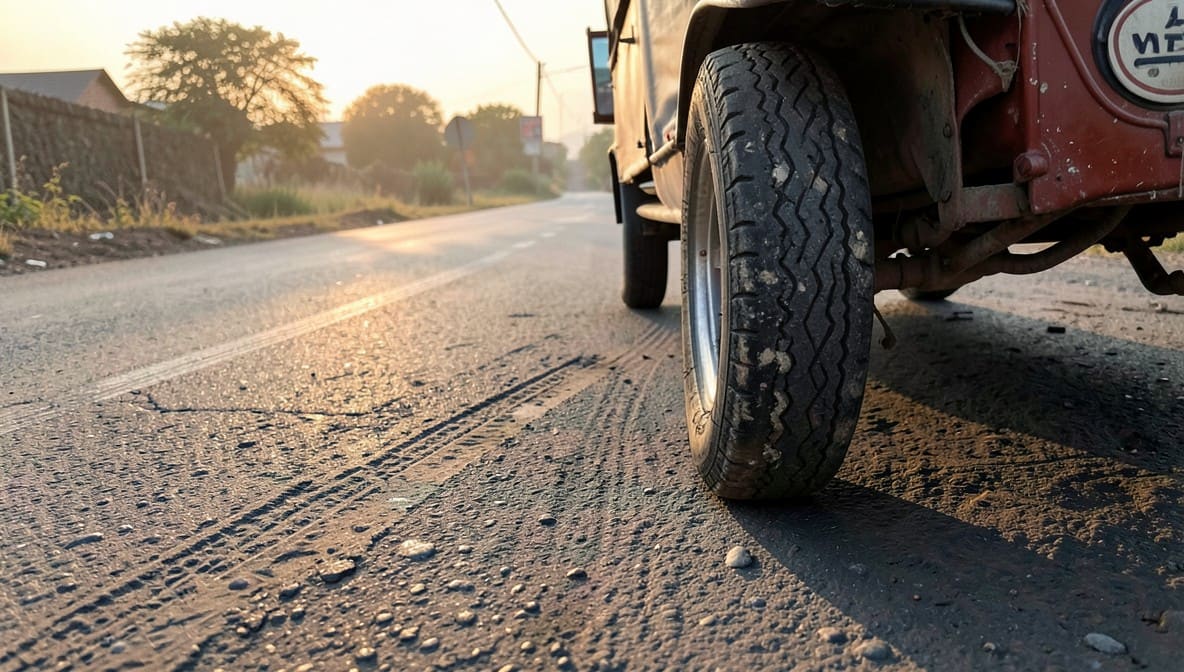
- Ex.P.4, the scene observation report, showed skid marks on the road indicating loss of control
- PW7, the Motor Vehicle Inspector, testified that the accident was not due to mechanical failure but due to rash and negligent driving
- PW8, the forensic doctor, opined that death resulted from injuries sustained in the road accident
- PW1, the deceased’s son, was an eyewitness and his testimony remained unshaken during cross-examination
- The petitioner claimed the accident was caused by a sudden burst of the front tyre, not by negligent driving
Procedural History
- 02.05.2011: Accident occurred
- 04.03.2013: Judicial Magistrate First Class, Pathapatnam, convicted the petitioner under Section 304-A IPC and sentenced him to one year simple imprisonment with a fine of Rs.2,000
- 29.09.2014: Special Judge (SC/ST POA Act), Srikakulam, confirmed conviction but reduced sentence to six months simple imprisonment
- 23.10.2014: Petitioner filed Criminal Appeal before the High Court (Crl.A.No.25/2013)
- 15.12.2014: Petitioner filed IA No.1 of 2015 seeking waiver of certified copy of judgment
- 15.12.2014: Petitioner filed IA No.2 of 2015 seeking suspension of sentence and bail
- 29.09.2015: Appellate court order challenged via Criminal Revision Case No.2306/2015
- 08.04.2026: Judgment delivered by the High Court
The Parties' Positions
The petitioner contended that the accident was unforeseeable and caused solely by a sudden tyre burst, not by rash or negligent driving. He emphasized his age, the prolonged litigation since 2007, and the absence of prior criminal record.
The State contended that the petitioner, as owner and driver, was responsible for maintaining the vehicle in a roadworthy condition. Plying a vehicle with worn-out tyres amounted to negligence per se, and the prosecution’s evidence was consistent and credible.
Relief Sought
The petitioner sought quashing of the conviction or, alternatively, commutation of the sentence to a fine, citing undue delay and mitigating circumstances. He also sought bail pending appeal.
The Legal Issue
The central question was whether driving a vehicle with worn-out tyres, resulting in a fatal accident, constitutes negligence under Section 304-A of the Indian Penal Code, and whether the sentence of six months’ imprisonment can be commuted to a fine in light of prolonged litigation and the accidental nature of the incident.
Arguments Presented
For the Petitioner
The learned counsel argued that the sudden burst of the front tyre was an unforeseen mechanical failure, not a result of rash driving. He relied on the fact that the tyre was punctured (Ex.P.5) and that the petitioner had no prior history of negligence. He emphasized the petitioner’s age and the fact that the litigation had spanned over 14 years, causing undue hardship. He urged the Court to exercise its discretionary power under Section 397 CrPC to reduce the sentence.
For the Respondent
The Assistant Public Prosecutor submitted that the prosecution had established a prima facie case through nine witnesses, including an eyewitness and the Motor Vehicle Inspector. The skid marks (Ex.P.4) and the Inspector’s report conclusively demonstrated loss of control due to excessive speed and poor vehicle maintenance. The counsel argued that knowingly operating a vehicle with a worn-out tyre is itself a negligent act under Section 304-A IPC, irrespective of whether the tyre burst was sudden or not.
The Court's Analysis
The Court undertook a detailed review of the evidence, particularly the testimony of PW1 (eyewitness), PW7 (Motor Vehicle Inspector), and PW8 (forensic doctor). It noted that while the petitioner claimed the accident was caused by a sudden tyre burst, the Inspector’s report explicitly stated that the accident was not due to mechanical failure but due to negligent driving. The presence of skid marks further corroborated the prosecution’s version.
"The fact regarding the tyre burst was proved by Ex.P.5. PW7 is the motor vehicle inspector who stated before the court that the accident occurred not due to a mechanical defect of the crime vehicle, though he observed that he found the auto tyre was punctured. The learned trial court has categorically observed that driving an auto with damaged or worn-out tyres is a negligent act."
The Court acknowledged that the petitioner did not act with intent to cause harm. However, it held that negligence under Section 304-A IPC does not require proof of intention - only a failure to exercise reasonable care. The Court emphasized that the owner-driver’s duty to ensure roadworthiness of the vehicle is non-negotiable under traffic and criminal law.
The Court further observed that while the conviction was legally sound, the extraordinary delay in adjudication - spanning over 14 years since the incident and nearly 12 years since the trial court’s conviction - warranted leniency. The petitioner had endured prolonged litigation, and the Court found no evidence of callousness or recklessness beyond the failure to maintain the vehicle.
The Verdict
The High Court dismissed the criminal revision petition and upheld the conviction under Section 304-A IPC. However, it commuted the sentence of six months’ simple imprisonment to a fine of Rs.5,000. The petitioner was directed to pay this fine within four weeks from the date of the order, in addition to the Rs.2,000 fine already paid before the trial court. All pending miscellaneous petitions were closed.
What This Means For Similar Cases
Negligence Includes Failure to Maintain Vehicle
- Practitioners must now argue that operating any vehicle with known defects - such as worn-out tyres, faulty brakes, or dim lights - constitutes negligence under Section 304-A IPC, even if the defect does not directly cause the accident
- The burden shifts to the accused to prove that the defect was unforeseeable and beyond their control
- Insurance claims and civil liability may also be affected by this interpretation
Sentence Commutation for Prolonged Pendency Is Now Recognized
- Courts may now consider excessive delay in criminal trials as a mitigating factor in sentencing, even for non-bailable offences
- This precedent supports applications for sentence reduction in cases where trial has exceeded 8 - 10 years
- Advocates should routinely file affidavits detailing litigation timelines in revision petitions under Section 397 CrPC
Eyewitness Corroboration Remains Critical
- The Court’s reliance on PW1’s unshaken testimony underscores the importance of credible eyewitness accounts in road accident cases
- Defence strategies must now anticipate challenges to claims of mechanical failure unless supported by contemporaneous inspection reports