The Chhattisgarh High Court has clarified that an accidental electrocution occurring during voluntary technical work, even if involving illegal electrical connections, does not per se constitute a rash or negligent act under the Bhartiya Nyay Sanhita, 2023. This ruling affirms a nuanced approach to criminal liability in cases of unintended fatalities arising from everyday utility work.
Background & Facts
The Dispute
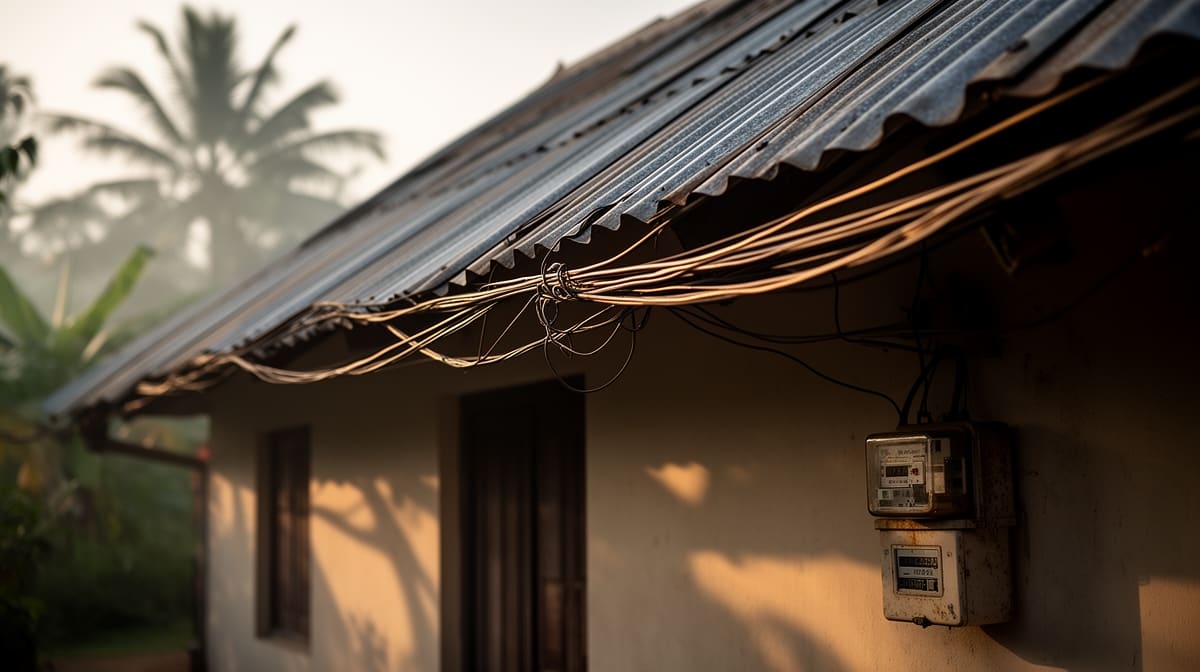
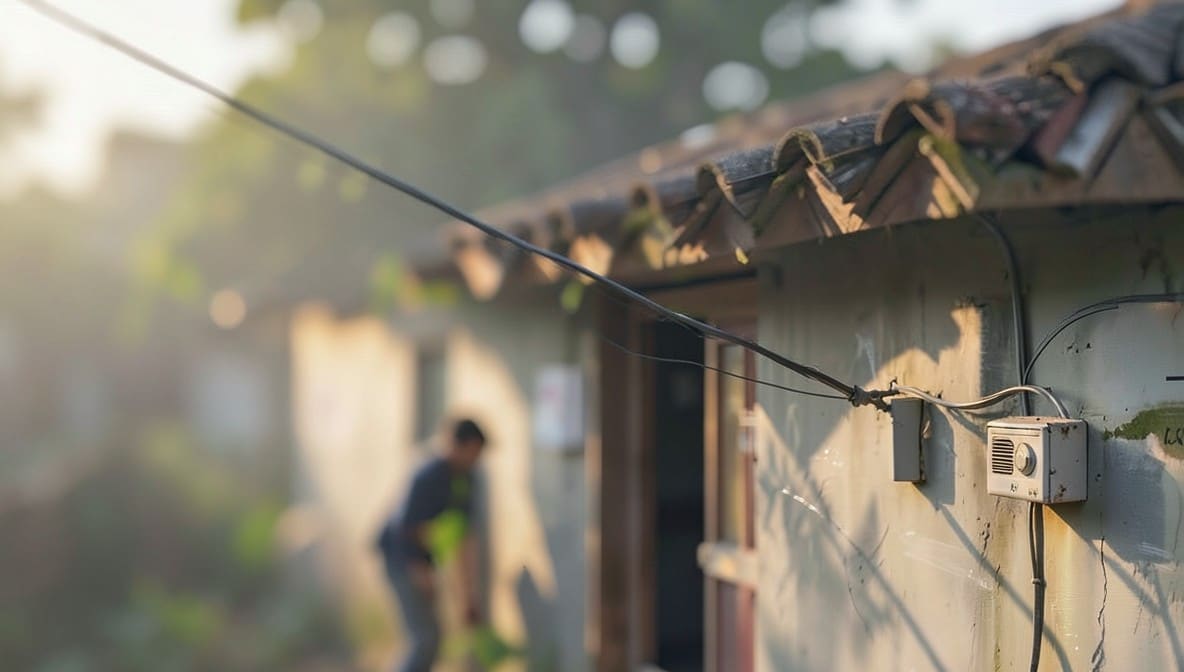
The applicants, Deva Sahu and Hari Prasad Sahu, are facing criminal proceedings in Crime No. 17/2026 registered at Police Station Chilphi, District Mungeli, for offences under Section 106 of the Bhartiya Nyay Sanhita, 2023 (causing death by negligence) and Sections 135 and 136 of the Electricity Act, 2003 (theft of electricity and unauthorized use of electricity). The prosecution alleges that the deceased, Rekhram Bareth, was electrocuted while installing a "laddu holder" on the roof of Deva Sahu’s house after an illegal power connection was drawn from the industrial meter of Hari Prasad Sahu.
Key Facts
- The deceased, Rekhram Bareth, was a trained electrician who voluntarily undertook the work of fitting the laddu holder on the roof.
- The power connection used was drawn from the meter installed at the premises of Hari Prasad Sahu, who holds a valid industrial service connection.
- The connection was allegedly pulled from the meter of Hari Prasad Sahu’s uncle (Bade Papa) and connected to the MCB of Deva Sahu’s house.
- A report from the Junior Engineer, CSPDCL, Lormi, confirmed the connection was illegal.
- The deceased was taken to the Community Health Centre, Lormi, where he was declared dead on arrival.
- No prior criminal antecedents exist against either applicant.
- Hari Prasad Sahu is approximately 70 years old and is described as a law-abiding electricity consumer.
Procedural History
- Date of Incident: Undated, but occurred prior to registration of Crime No. 17/2026.
- Crime Registered: Crime No. 17/2026 at PS Chilphi, District Mungeli.
- Date of Filing: MCRCA No. 526 of 2026 filed before the Chhattisgarh High Court.
- Date of Hearing: 09.04.2026.
The Parties' Positions
Relief Sought
The applicants seek anticipatory bail under Section 482 of the Bhartiya Nagarik Suraksha Sanhita, 2023, to prevent arrest in connection with the above offences.
The Legal Issue
The central question was whether the accidental death of an electrician during voluntary rooftop work, following an illegal but non-malicious power connection, amounts to a "rash or negligent act" under Section 106 of the Bhartiya Nyay Sanhita, 2023, warranting denial of anticipatory bail.
Arguments Presented
For the Appellant/Petitioner
Learned counsel argued that the deceased, being a professional electrician, assumed the inherent risks of his trade. The applicants did not compel or induce him to perform the work; it was voluntary. The illegal connection, while a violation of the Electricity Act, did not demonstrate criminal negligence or intent. The age of applicant No. 2 (70 years) and the absence of prior criminal history further supported the request. The investigation and trial would be protracted, and bail was necessary to prevent undue incarceration.
For the Respondent/State
The State counsel conceded that the applicants had no criminal record but opposed bail on the ground that the offences under Section 106 BNSS and Sections 135-136 of the Electricity Act were serious and involved loss of life. The State contended that the illegal connection created a foreseeable risk, and the applicants’ failure to secure the premises or prevent access amounted to negligence.
The Court's Analysis
The Court examined the nature of the incident and the conduct of the applicants. It noted that the deceased was a trained electrician who undertook the task voluntarily. The Court emphasized that for Section 106 BNSS to apply, there must be a demonstrable element of rashness or negligence attributable to the accused. The mere existence of an illegal connection, without evidence of intent to endanger life or conscious disregard for safety, does not automatically satisfy the threshold for criminal negligence.
"The death of the deceased occurred entirely due to an accidental electric shock (electrocution) sustained during the course of his voluntary work."
The Court further observed that the applicants had no control over the deceased’s decision to climb the roof, nor was there any evidence of prior warnings ignored or safety measures deliberately bypassed. The Court distinguished this from cases where the accused actively manipulated live wires or created hazardous conditions with knowledge of imminent danger. The age of applicant No. 2, at 70 years, was also noted as a relevant factor in the exercise of discretion under Section 482 BNSS.
The Court held that the gravity of the offence, while serious, must be balanced against the likelihood of the accused fleeing justice or tampering with evidence - neither of which was suggested. The absence of criminal antecedents and the non-violent nature of the alleged conduct weighed in favor of bail.
The Verdict
The applicants succeeded. The Court granted anticipatory bail to both Deva Sahu and Hari Prasad Sahu. They are to be released upon execution of a personal bond and one surety in like sum to the satisfaction of the arresting officer. The bail is subject to conditions including: (a) no intimidation of witnesses; (b) no interference with the trial; (c) mandatory appearance on all court dates; (d) submission of Aadhaar card and colour photograph with Aadhaar number for verification; and (e) no commission of similar offences in future.
What This Means For Similar Cases
Accidental Death in Technical Work Requires More Than Illegal Connection
- Practitioners must now argue that Section 106 BNSS requires proof of conscious disregard for safety, not merely the existence of an illegal connection.
- The professional status of the deceased and the voluntary nature of the work are critical factors in negating criminal negligence.
Age and Clean Record Are Material in Bail Decisions
- Courts are increasingly inclined to grant anticipatory bail in non-violent, non-premeditated cases involving elderly accused with no prior record.
- The burden shifts to the prosecution to demonstrate a real risk of tampering or flight, not merely the seriousness of the charge.
Procedural Caution in Electricity-Related Fatalities
- Investigations must distinguish between civil violations under the Electricity Act and criminal negligence under BNSS.
- Merely proving theft of electricity does not equate to proving culpable homicide or negligence causing death.