Case Law Analysis

Section 279, 337, 338 & 304A IPC | Mere High Speed Without Breach of Duty Insufficient for Conviction : Himachal Pradesh HC

The Himachal Pradesh High Court ruled that allegations of 'high speed' or 'negligence' without concrete evidence of breach of duty cannot sustain a conviction under IPC Sections 279, 337, 338, or 304A. The judgment reinforces the high evidentiary threshold required for overturning acquittals, particularly when relying on eyewitness testimony in road accident cases.

Cassie News NetworkCassie News Network
May 30, 2026, 2:38 PM(Updated: Nov 3, 2026)
•2 min read
Be the first to share in your circle
Section 279, 337, 338 & 304A IPC | Mere High Speed Without Breach of Duty Insufficient for Conviction : Himachal Pradesh HC

The Himachal Pradesh High Court recently dismissed appeals by the State challenging the acquittal of two bus drivers accused of causing a fatal accident. The judgment underscores a critical legal principle: mere allegations of 'high speed' or 'negligence' without specific evidence of breach of duty are insufficient to sustain a conviction under Sections 279, 337, 338, and 304A of the Indian Penal Code (IPC). The ruling reinforces the high threshold for overturning acquittals and clarifies the limitations of eyewitness testimony in establishing criminal liability.

Background & Facts

The Dispute

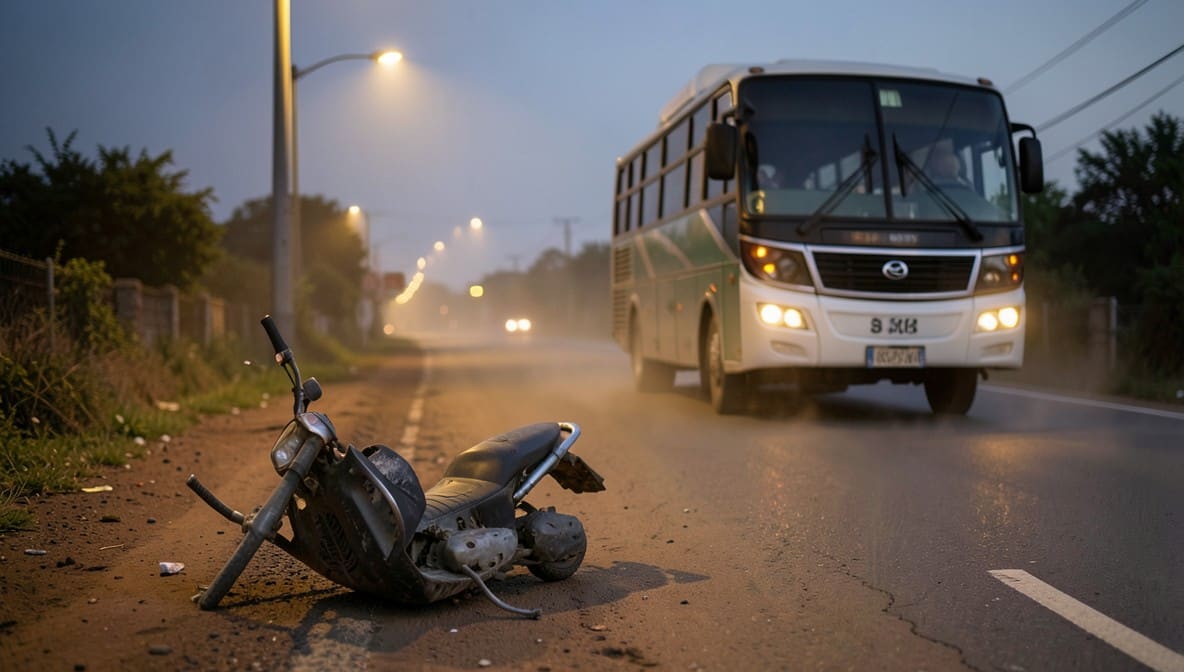
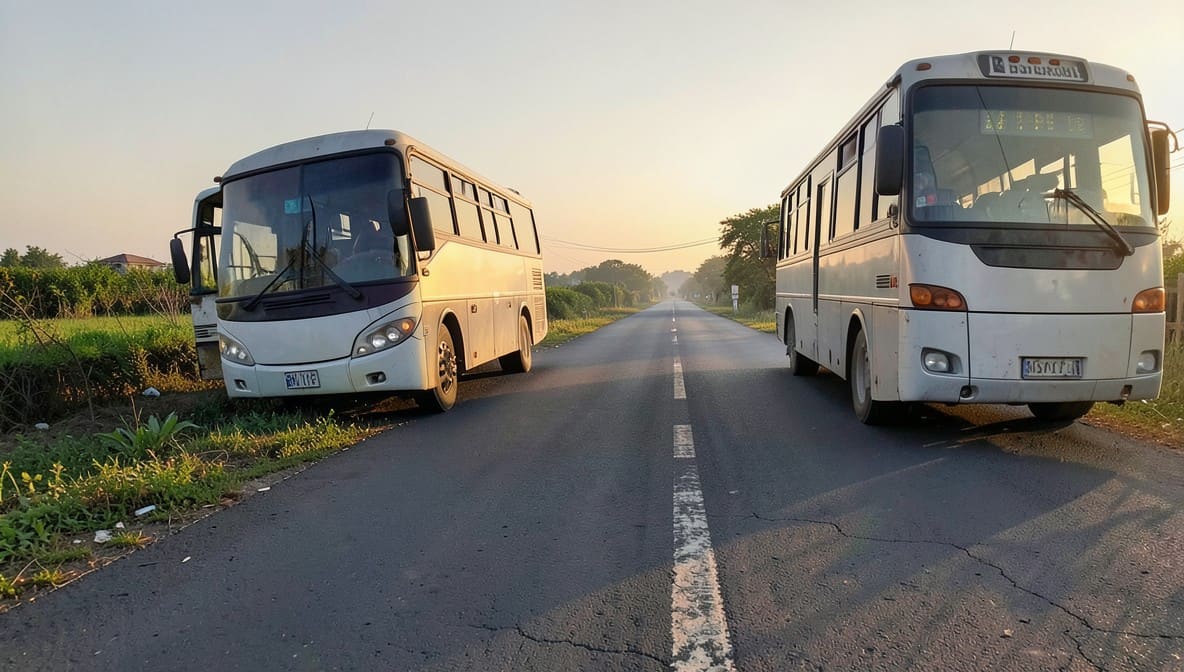
The appeals arose from a tragic road accident on 29.07.2001 near Bandh, Himachal Pradesh. Two buses - Azad Coach (HP-22-6899) traveling from Kangra to Sarkaghat and another bus (HP-39A-1149) traveling from Chintpurni to Dharamshala - collided while crossing each other. The collision resulted in injuries to passengers who had extended their arms and heads outside the buses. Babli, a passenger, succumbed to her injuries, while Anju Bala (PW7) and Karan sustained fractures.

Key Facts

  • Date of Accident: 29.07.2001 at approximately 3:00 PM
  • Vehicles Involved:
    • Bus No. HP-22-6899 (driver: Balbir Singh, respondent)
    • Bus No. HP-39A-1149 (driver: Dharam Chand, respondent)
  • Victims:
    • Babli (deceased): Fracture of right mandible and arm; died due to excessive bleeding
    • Anju Bala (PW7): Fracture of left wrist joint; muscles crushed
    • Karan: Fracture and other injuries
  • Alleged Offences: Sections 279 (rash driving), 337 (causing hurt by act endangering life), 338 (causing grievous hurt), and 304A (causing death by negligence) of the IPC
  • Investigation:
    • ASI Pratap Chand prepared the site plan (Ext. PW10/A), seized both buses (Ext. PA and PB), and recorded witness statements
    • Jagdish Chand examined the buses and found no mechanical defects (Ext. PC and PD)
    • Medical reports (Ext. PX, PE, PH) confirmed injuries and cause of death

Procedural History

  • 18.03.2008: Learned Judicial Magistrate First Class, Court No. 2, Dehra convicted both accused and sentenced them as follows:
    • Balbir Singh:
      • Section 279 IPC: Simple imprisonment for 6 months + fine of ₹500 (default: 15 days SI)
      • Section 337 IPC: Simple imprisonment for 3 months + fine of ₹200 (default: 15 days SI)
      • Section 338 IPC: Simple imprisonment for 1 year + fine of ₹500 (default: 1 month SI)
      • Section 304A IPC: Simple imprisonment for 2 years + fine of ₹1000 (default: 2 months SI)
      • All sentences to run concurrently
    • Dharam Chand: Same sentences as Balbir Singh
  • 30.10.2012: Learned Additional Sessions Judge-I, Kangra at Dharmshala acquitted both accused
Case Details

State of H.P. v. Balbir Singh & Anr.

2026:HHC:20093
PDF
Court
High Court of Himachal Pradesh, Shimla
Date
27 May 2026
Case Number
Cr. Appeal No. 4119 & 4181 of 2013
Bench
Mr Justice Rakesh Kainthla
Counsel
Pet: Mr Lokender Kutlehria, Additional Advocate General
Res: Mr Naresh Kaul (for Balbir Singh), Mr Karan Kapoor (for Dharam Chand)

Frequently Asked Questions

The Court held that 'rash driving' under Section 279 IPC requires proof of a breach of duty of care. Mere allegations of 'high speed' are insufficient unless the prosecution establishes specific acts of negligence (e.g., failure to control the vehicle, sudden braking, or driving in a manner that endangers life). The term 'high speed' is relative and must be contextualized with evidence (e.g., road conditions, traffic, visibility). (State of Karnataka v. Satish, 1998 (8) SCC 493)
No. The Court ruled that eyewitnesses cannot depose about 'negligence' as a conclusion; it is a legal inference to be drawn by the court. Testimonies must describe specific factual acts (e.g., 'the driver failed to apply brakes' or 'overtook dangerously') rather than vague assertions like 'the driver was negligent'. (Hollington v. Hawthorn, 1943 KB 507; State of H.P. v. Niti Raj, 2009 Cr.L.J. 1922 (HP))
The appellate court can interfere with an acquittal only if: 1. The acquittal is patently perverse (e.g., based on misreading evidence or ignoring material facts) 2. No reasonable person could have acquitted the accused based on the evidence 3. No two reasonable views are possible, and the only view consistent with guilt is supported by evidence If the acquittal is one of two reasonable views, the appellate court will not substitute its opinion for that of the trial court. (Surendra Singh v. State of Uttarakhand, 2025 SCC 5 433; Tulasareddi v. State of Karnataka, 2026 SCC OnLine SC 89)
Contributory negligence can be a valid defence in prosecutions under Section 304A IPC (causing death by negligence). The Court held that if the victims' actions contributed to the accident (e.g., extending limbs outside a moving bus), the prosecution must rebut this defence. Failure to do so weakens the case, as the accused cannot be held solely liable for the consequences of the victims' actions. The burden remains on the prosecution to prove that the accused's negligence was the sole or primary cause of the accident.
0

Disclaimer

This article is for informational purposes only and does not constitute legal advice. The views expressed are based on the judgment analysis and should not be taken as professional counsel. Please consult with a qualified attorney for advice specific to your situation.