Supreme Court of India judgments

498 Supreme Court of India judgments explained in plain English: what was decided, the law applied and why it matters. Page 17 of 21.

Pension Adjustment as Disciplinary Penalty | Post-Retirement Pay Reduction Valid Under Service Regulations if Proceedings Initiated Pre-Retirement : SC
Case Law Analysis
|Supreme Court of India

Pension Adjustment as Disciplinary Penalty | Post-Retirement Pay Reduction Valid Under Service Regulations if Proceedings Initiated Pre-Retirement : SC

The Supreme Court ruled that disciplinary penalties involving permanent pay scale reduction can be enforced post-retirement through pension adjustment, provided proceedings were initiated before superannuation. This holding clarifies that service regulations permit such penalties even after retirement, impacting retired bank employees and public servants facing disciplinary action.


Section 319 CrPC | 'Strong and Cogent Evidence' Suffices to Summon Additional Accused; Mini-Trial Scrutiny Unwarranted : SC
Case Law Analysis
|Supreme Court of India

Section 319 CrPC | 'Strong and Cogent Evidence' Suffices to Summon Additional Accused; Mini-Trial Scrutiny Unwarranted : SC

The Supreme Court clarified that courts must summon additional accused under Section 319 CrPC based on 'strong and cogent evidence' alone, without subjecting the material to a mini-trial standard. Minor inconsistencies or lack of corroboration cannot justify rejection, reinforcing judicial discretion in criminal proceedings.

Dying Declaration Admissible Despite 80-90% Burns: SC Holds Medical Certification of Consciousness Overrides Injury Severity | SC
Case Law Analysis
|Supreme Court of India

Dying Declaration Admissible Despite 80-90% Burns: SC Holds Medical Certification of Consciousness Overrides Injury Severity | SC

The Supreme Court has ruled that the severity of burn injuries alone cannot invalidate a dying declaration if medical evidence confirms the declarant was conscious and capable of making a reliable statement. This sets a critical precedent for evidentiary standards in dowry death and arson cases, ensuring that trauma does not automatically render a victim’s final words inadmissible.

Fraudulent Diversion of Preferential Issue Proceeds | Shareholder Ratification Under PFUTP Regulations Void : SC
Case Law Analysis
|Supreme Court of India

Fraudulent Diversion of Preferential Issue Proceeds | Shareholder Ratification Under PFUTP Regulations Void : SC

The Supreme Court ruled that shareholder ratification cannot cure fraudulent diversion of funds raised through preferential allotment, upholding SEBI’s penalties under PFUTP Regulations. The judgment reinforces that fraud in securities markets cannot be legitimized by post-facto approval, impacting corporate governance and regulatory compliance.

Section 50 NDPS Act | Invalid Third Option for Search Renders Recovery Inadmissible and Conviction Unsustainable : SC
Case Law Analysis
|Supreme Court of India

Section 50 NDPS Act | Invalid Third Option for Search Renders Recovery Inadmissible and Conviction Unsustainable : SC

The Supreme Court has ruled that offering an accused an invalid third option for search under Section 50 of the NDPS Act violates the mandatory procedural safeguard, rendering the recovery of contraband suspect and any conviction unsustainable-even when drugs are found in a bag. This sets a strict precedent for law enforcement to strictly adhere to the statutory choice of search location, protecting accused persons from arbitrary searches.

Fuel Supply Agreement Pricing | Supreme Court Empowers Respondent to Choose Benchmark Date for Current Rate : SC
Case Law Analysis
|Supreme Court of India

Fuel Supply Agreement Pricing | Supreme Court Empowers Respondent to Choose Benchmark Date for Current Rate : SC

The Supreme Court ruled that in coal supply disputes under a Fuel Supply Agreement, the respondent may select either the 2014 or 2019 date as the benchmark for determining the current price, rejecting a Rs. 106.6 crore compensation claim. This holding clarifies the equitable remedy of supply at market rates while emphasizing judicial compliance over rigid pricing formulas, impacting energy sector contracts and public utilities.

Motor Vehicles Act | Group Insurance Payouts Are Collateral Benefits, Not Deductible from Statutory Compensation : SC
Case Law Analysis
|Supreme Court of India

Motor Vehicles Act | Group Insurance Payouts Are Collateral Benefits, Not Deductible from Statutory Compensation : SC

The Supreme Court held that group insurance payouts, being contractual and independent of statutory liability, cannot be deducted from compensation awarded under the Motor Vehicles Act. This ruling reinforces the principle that statutory compensation must remain unreduced by unrelated benefits, ensuring just relief for accident victims and their dependents.

Article 14 & 21 | Maternity Benefit for Adoptive Mothers Cannot Be Restricted by Age Limit : SC
Case Law Analysis
|Supreme Court of India

Article 14 & 21 | Maternity Benefit for Adoptive Mothers Cannot Be Restricted by Age Limit : SC

The Supreme Court ruled that denying maternity benefits to adoptive mothers based on an arbitrary age limit violates constitutional guarantees of equality and reproductive autonomy. The judgment reinforces that motherhood is defined by care, not biology, and adoption is a protected form of family under Articles 14 and 21, impacting workplace policies and social security frameworks.

Section 126 Indian Contract Act | Corporate Guarantee as Independent Contract Enforceable Despite Bank Errors : SC
Case Law Analysis
|Supreme Court of India

Section 126 Indian Contract Act | Corporate Guarantee as Independent Contract Enforceable Despite Bank Errors : SC

The Supreme Court ruled that a corporate guarantee constitutes a valid contract under Section 126 of the Indian Contract Act, binding banks to honor payment obligations even for erroneous remittances. The judgment reinforces that guarantees are independent undertakings, shielding beneficiaries from regulatory or procedural lapses by financial institutions.

Article 21 & 32 | Bar Association Violence Against Accused Violates Right to Fair Trial & Legal Representation : SC Orders Bail & Case Transfer
Case Law Analysis
|Supreme Court of India

Article 21 & 32 | Bar Association Violence Against Accused Violates Right to Fair Trial & Legal Representation : SC Orders Bail & Case Transfer

The Supreme Court ruled that violent protests by a Bar Association against an accused-including burning an advocate’s office-constitute a violation of Article 21 (fair trial) and Article 32 (constitutional remedy). The Court directed the immediate release of the accused on bail and transferred the case to Delhi, emphasizing that no legal body can intimidate or obstruct legal representation without undermining justice.

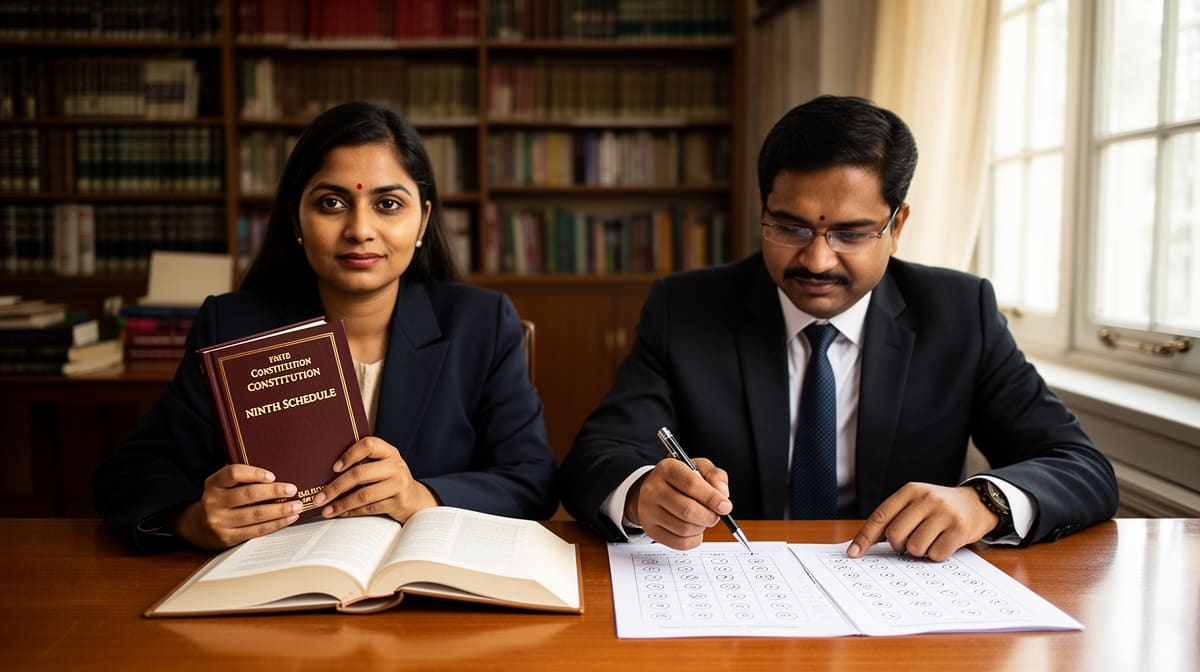
Ninth Schedule Immunity Under Judicial Review | SC Orders Supernumerary Post to Resolve Ambiguous Exam Answer : SC
Case Law Analysis
|Supreme Court of India

Ninth Schedule Immunity Under Judicial Review | SC Orders Supernumerary Post to Resolve Ambiguous Exam Answer : SC

Supreme Court rules that ambiguity in constitutional law exam answers-specifically on judicial review of Ninth Schedule laws-justifies creating a supernumerary post to avoid unfair disqualification. The judgment balances competing interpretations of Article 31B while ensuring equitable treatment for candidates in recruitment disputes.

Article 32 | Delay and Laches Cannot Bar Petitions for Historical Land Rights Violations : SC
Case Law Analysis
|Supreme Court of India

Article 32 | Delay and Laches Cannot Bar Petitions for Historical Land Rights Violations : SC

The Supreme Court ruled that inordinate delay in filing Article 32 petitions cannot automatically dismiss claims involving systemic deprivation of land rights, especially where historical injustice is alleged. The judgment underscores the constitutional duty to address fundamental rights violations, even decades later, for marginalized communities like the Mizo Chiefs.

Section 376 IPC | Sole Testimony Without Corroboration or Timely FIR Fails Conviction Test : SC Overturns Rape Verdict
Case Law Analysis
|Supreme Court of India

Section 376 IPC | Sole Testimony Without Corroboration or Timely FIR Fails Conviction Test : SC Overturns Rape Verdict

The Supreme Court ruled that a rape conviction under Section 376 IPC cannot stand on the victim's sole testimony alone if uncorroborated by medical or forensic evidence and marked by a delayed FIR. The judgment underscores the need for independent proof to meet the 'beyond reasonable doubt' standard in sexual offence cases, impacting prosecutorial strategies and trial court evaluations.

PC Act Section 13(2) | Ocular Evidence Alone Suffices for Bribery Conviction; Sentence Reduced on Age & Custody : SC
Case Law Analysis
|Supreme Court of India

PC Act Section 13(2) | Ocular Evidence Alone Suffices for Bribery Conviction; Sentence Reduced on Age & Custody : SC

The Supreme Court upheld a bribery conviction under the Prevention of Corruption Act despite non-production of tainted currency notes, affirming that ocular evidence and witness testimony can suffice. The Court reduced the sentence from 3 years to 1.5 years, citing the appellant's advanced age and two months of custody already served, setting a precedent for proportional sentencing in corruption cases.

Article 311(2)(b) | Objective Evidence Mandatory for Dismissal Without Inquiry: SC Reinforces Natural Justice in Service Law
Case Law Analysis
|Supreme Court of India

Article 311(2)(b) | Objective Evidence Mandatory for Dismissal Without Inquiry: SC Reinforces Natural Justice in Service Law

The Supreme Court ruled that dismissal under Article 311(2)(b) of the Constitution requires concrete, recorded material-not mere suspicion-to bypass departmental inquiry. The judgment underscores that subjective beliefs of witness intimidation or evidence tampering must be objectively substantiated, failing which the dismissal order violates principles of natural justice and is liable to be quashed.

RPwD Act Section 34 | Mental Illness & Specific Learning Disability Eligible for Auditor Posts Under 2021 Notification : SC Overrides Administrative Exclusions
Case Law Analysis
|Supreme Court of India

RPwD Act Section 34 | Mental Illness & Specific Learning Disability Eligible for Auditor Posts Under 2021 Notification : SC Overrides Administrative Exclusions

Supreme Court rules that the 2021 DEPwD notification explicitly includes mental illness and specific learning disability under the RPwD Act's reservation for Group C Auditor posts, invalidating administrative exclusions. The judgment mandates appointment or creation of supernumerary posts if vacancies are filled, reinforcing disability rights in public employment.

Section 149 IPC | Armed Unlawful Assembly Members Vicariously Liable for Murder Without Individual Acts : SC
Case Law Analysis
|Supreme Court of India

Section 149 IPC | Armed Unlawful Assembly Members Vicariously Liable for Murder Without Individual Acts : SC

The Supreme Court reaffirmed that mere presence, coordination, and possession of weapons in an armed unlawful assembly with a common object suffice to hold all members vicariously liable for murder under Section 149 IPC, even without proof of individual acts. This ruling underscores the stringent collective criminal responsibility imposed on unlawful assemblies, impacting criminal defense strategies and prosecution of group offenses.

Section 242 Companies Act | Supreme Court Mandates Robust Interim Relief to Preserve Disputed Assets in Oppression & Mismanagement Cases
Case Law Analysis
|Supreme Court of India

Section 242 Companies Act | Supreme Court Mandates Robust Interim Relief to Preserve Disputed Assets in Oppression & Mismanagement Cases

The Supreme Court ruled that courts must grant strong interim relief in oppression and mismanagement cases under Section 242 of the Companies Act, 2013, to prevent dissipation of disputed assets until final adjudication. The judgment rejects vague restraints and directs NCLT to dispose of such cases expeditiously, ensuring minority shareholders' rights are protected against prejudicial actions by majority stakeholders.

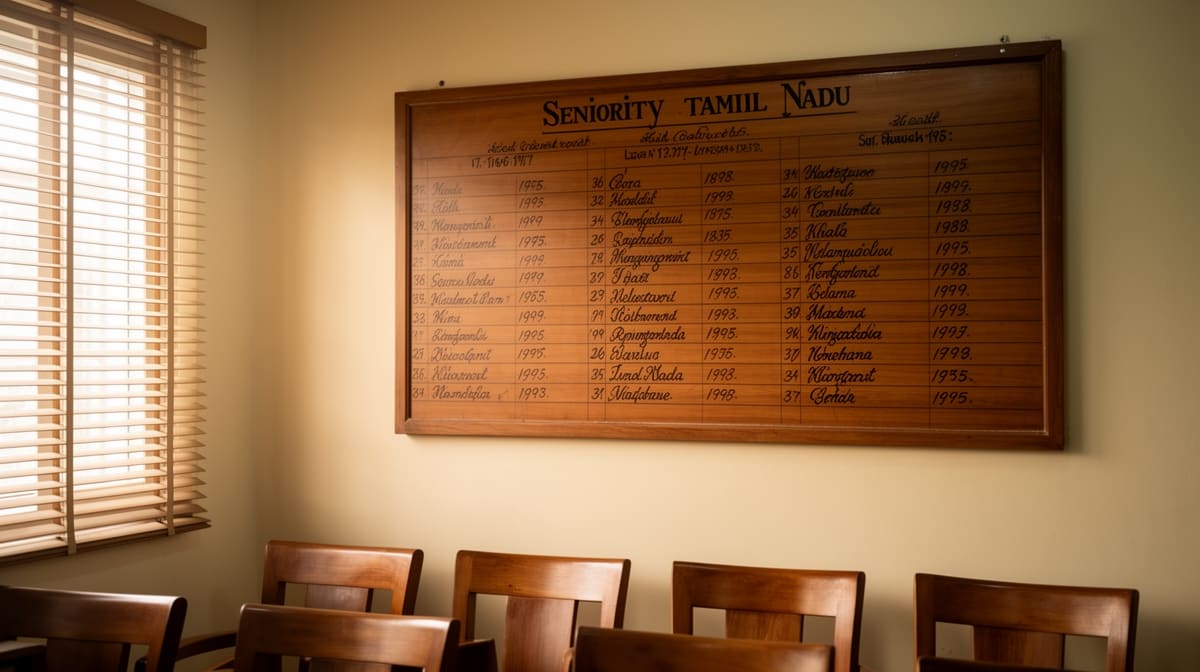
Tamil Nadu Electricity Board Service Regulations | Training Period Counts Toward Seniority from Date of Joining, Not Probation : SC
Case Law Analysis
|Supreme Court of India

Tamil Nadu Electricity Board Service Regulations | Training Period Counts Toward Seniority from Date of Joining, Not Probation : SC

The Supreme Court ruled that seniority under service regulations must be calculated from the date of initial appointment, including training periods, and not from the commencement of probation. This holding invalidates administrative circulars attempting to override statutory definitions, ensuring direct recruits retain seniority based on their original appointment dates.

Section 11(4) Arbitration and Conciliation Act | Co-Arbitrators May Appoint Presiding Arbitrator After 30 Days If Parties Fail to Agree : Supreme Court
Case Law Analysis
|Supreme Court of India

Section 11(4) Arbitration and Conciliation Act | Co-Arbitrators May Appoint Presiding Arbitrator After 30 Days If Parties Fail to Agree : Supreme Court

The Supreme Court reaffirms that under Section 11(4), if parties fail to jointly appoint a presiding arbitrator within 30 days, the two party-appointed arbitrators retain the authority to make the appointment - reinforcing party autonomy and closing the door to procedural delays disguised as jurisdictional challenges. This clarifies a critical pathway for tribunal constitution in domestic arbitrations, benefiting commercial parties and arbitrators alike.

Article 14 & Manifest Arbitrariness | State Takeover of Private Trust Without Proof of Mismanagement Violates Constitutional Rights : SC
Case Law Analysis
|Supreme Court of India

Article 14 & Manifest Arbitrariness | State Takeover of Private Trust Without Proof of Mismanagement Violates Constitutional Rights : SC

Supreme Court strikes down Bihar's 2015 Act seizing a century-old private trust, ruling that complete acquisition without evidence of mismanagement or public interest violates Article 14. The judgment reinforces that state intervention in private trusts must pass the 'manifest arbitrariness' test, protecting hereditary trustees' rights under the Indian Trusts Act.

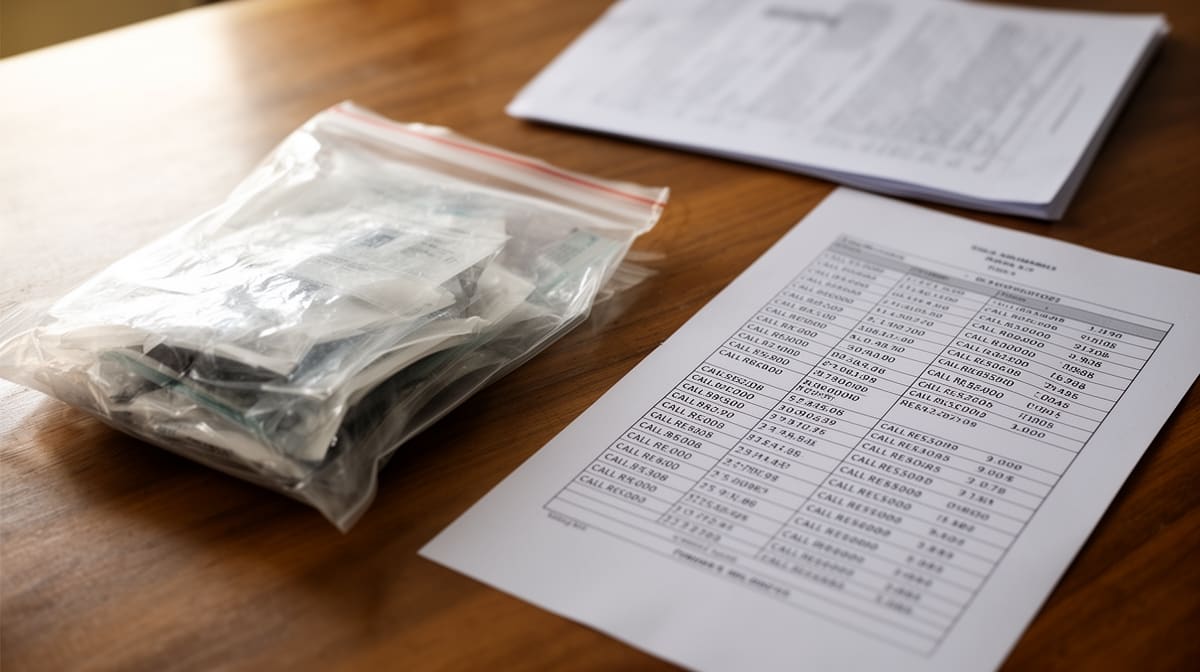
Section 65-B Evidence Act | Mandatory Certificate Requirement for Electronic Evidence Non-Negotiable : SC Overturns Conviction Based on Call Detail Records Without Certification
Case Law Analysis
|Supreme Court of India

Section 65-B Evidence Act | Mandatory Certificate Requirement for Electronic Evidence Non-Negotiable : SC Overturns Conviction Based on Call Detail Records Without Certification

The Supreme Court reaffirmed that electronic evidence, including call detail records, is inadmissible without a valid Section 65-B certificate. This ruling overturned a conviction reliant solely on circumstantial evidence, setting a strict precedent for the admissibility of digital records in criminal trials.