Supreme Court of India judgments

498 Supreme Court of India judgments explained in plain English: what was decided, the law applied and why it matters. Page 16 of 21.

Select List Finality Under Karnataka Recruitment Rules | No Automatic Substitution for Unfilled Vacancies Absent Statutory Reserve List: SC
Case Law Analysis
|Supreme Court of India

Select List Finality Under Karnataka Recruitment Rules | No Automatic Substitution for Unfilled Vacancies Absent Statutory Reserve List: SC

The Supreme Court ruled that recruitment rules lacking a statutory provision for reserve lists bar claims to unfilled posts, even if a selected candidate fails to join. The selection list operates strictly within notified vacancies, and no implied right to substitution exists without explicit legal backing. This decision reinforces the finality of select lists in public service recruitments, impacting ex-servicemen and other reserved category candidates.


Section 14 IBC | Pre-CIRP Security Deposits Cannot Be Adjusted Against Pre-CIRP Dues During Moratorium : SC
Case Law Analysis
|Supreme Court of India

Section 14 IBC | Pre-CIRP Security Deposits Cannot Be Adjusted Against Pre-CIRP Dues During Moratorium : SC

Supreme Court rules that security deposits made before the commencement of Corporate Insolvency Resolution Process (CIRP) must remain part of the corporate debtor’s estate and cannot be appropriated by operational creditors against pre-CIRP dues. The adjustment of such deposits is permissible only post-adjudication of claims under the IBC, ensuring pari passu treatment of all creditors.

IBC Commercial Wisdom Non-Justiciable | SC Bars Recall of Dismissed SLP Post-Settlement Unless Clerical Error or Executory Impossibility : SC
Case Law Analysis
|Supreme Court of India

IBC Commercial Wisdom Non-Justiciable | SC Bars Recall of Dismissed SLP Post-Settlement Unless Clerical Error or Executory Impossibility : SC

Supreme Court reaffirms that the commercial wisdom of the Committee of Creditors under the Insolvency and Bankruptcy Code is non-justiciable, and a dismissed Special Leave Petition cannot be recalled based on subsequent settlements. The Court held that only clerical errors or executory impossibility can warrant reconsideration, setting a high bar for reopening dismissed appeals.

NGT Act Section 20 | Adjudicatory Powers Cannot Be Delegated to Expert Committees : SC Upholds Natural Justice in Environmental Disputes
Case Law Analysis
|Supreme Court of India

NGT Act Section 20 | Adjudicatory Powers Cannot Be Delegated to Expert Committees : SC Upholds Natural Justice in Environmental Disputes

The Supreme Court ruled that the National Green Tribunal (NGT) cannot outsource its judicial function to expert committees or issue orders without proper notice, reinforcing the principles of natural justice. The judgment underscores that environmental adjudication must remain with the NGT, ensuring accountability and procedural fairness in disputes involving CPCB guidelines and public utilities.

Permanent Commission in Navy | Service Tenure & Natural Justice Override Biased ACR Evaluations : SC
Case Law Analysis
|Supreme Court of India

Permanent Commission in Navy | Service Tenure & Natural Justice Override Biased ACR Evaluations : SC

The Supreme Court ruled that Short Service Commission Officers in the Indian Navy are entitled to Permanent Commission based on years of service and equitable consideration, not just opaque selection board evaluations. The judgment mandates pension benefits for retired officers deemed to have completed 20 years of service and sets aside arbitrary Annual Confidential Reports (ACRs) that lacked transparency.

Unilateral Arbitrator Appointment Without Mutual Consent Void Under Arbitration Act, 1940 : SC
Case Law Analysis
|Supreme Court of India

Unilateral Arbitrator Appointment Without Mutual Consent Void Under Arbitration Act, 1940 : SC

Supreme Court rules that an arbitration award is null and void if the arbitrator was appointed unilaterally by one party without mutual consent, even if the other party participated in proceedings. The judgment reinforces that jurisdictional defects in arbitration agreements cannot be cured by mere participation, impacting all contracts with similar dispute resolution clauses.

Motor Vehicles Act | State Liable for Accidents Involving Requisitioned Vehicles During Public Use : SC Shifts Liability from Insurer to Requisitioning Authority
Case Law Analysis
|Supreme Court of India

Motor Vehicles Act | State Liable for Accidents Involving Requisitioned Vehicles During Public Use : SC Shifts Liability from Insurer to Requisitioning Authority

The Supreme Court ruled that when a vehicle is requisitioned by the State for public purposes like elections, the requisitioning authority-not the insurer-bears liability for accidents. This holding clarifies that statutory control under the Motor Vehicles Act overrides legal ownership, directly impacting government bodies and insurers in similar claims.

Article 14 Violation | Arbitrary ACR Grading & 250-Vacancy Cap for Women SSCOs Discriminatory : SC Grants PC & Pension Relief
Case Law Analysis
|Supreme Court of India

Article 14 Violation | Arbitrary ACR Grading & 250-Vacancy Cap for Women SSCOs Discriminatory : SC Grants PC & Pension Relief

Supreme Court rules that casual Annual Confidential Report grading and the 250-vacancy cap for Permanent Commission disproportionately affect women Short Service Commission Officers, violating equality under Article 14. The Court directs grant of PC to officers scoring 60%+ in 2020-2021 boards and pension for released officers, while rejecting the vacancy cap as an absolute barrier.

TET Relaxation | Reserved Category Candidates Can Migrate to Open Category on Merit Absent Explicit Bar : SC
Case Law Analysis
|Supreme Court of India

TET Relaxation | Reserved Category Candidates Can Migrate to Open Category on Merit Absent Explicit Bar : SC

Supreme Court holds that reserved category candidates who qualify for teacher recruitment with relaxed TET marks must be considered for open category seats if they score higher than the last general candidate, unless recruitment rules expressly prohibit such migration. This ruling reinforces merit-based inclusion in public employment while upholding constitutional principles under Articles 14 and 16.

ACR Grading Bias Violates Article 14 | SC Grants Permanent Commission to Women Officers Denied on 'Merit' Grounds
Case Law Analysis
|Supreme Court of India

ACR Grading Bias Violates Article 14 | SC Grants Permanent Commission to Women Officers Denied on 'Merit' Grounds

The Supreme Court ruled that systemic bias in Annual Confidential Reports (ACR) grading and unequal career opportunities rendered the denial of Permanent Commission (PC) to women officers unconstitutional under Article 14. The Court directed pension benefits for released officers, emphasizing that merit-based denials cannot stand where structural discrimination is proven.

Constitutional (Scheduled Castes) Order 1950 | Conversion to Christianity Extinguishes SC Status & SC/ST Act Protection : SC
Case Law Analysis
|Supreme Court of India

Constitutional (Scheduled Castes) Order 1950 | Conversion to Christianity Extinguishes SC Status & SC/ST Act Protection : SC

The Supreme Court ruled that conversion to Christianity terminates Scheduled Caste status under the Constitution (Scheduled Castes) Order, 1950, thereby stripping protections under the SC/ST (Prevention of Atrocities) Act. The judgment impacts statutory benefits and legal remedies for converts from Scheduled Castes, reinforcing the linkage between caste identity and religious affiliation under Indian law.

Pension Regulations | Defence Security Corps Personnel Entitled to One-Year Condonation of Service Shortfall : SC
Case Law Analysis
|Supreme Court of India

Pension Regulations | Defence Security Corps Personnel Entitled to One-Year Condonation of Service Shortfall : SC

The Supreme Court ruled that Defence Security Corps (DSC) personnel are entitled to condonation of up to one year's shortfall in qualifying service for a second pension, ensuring parity with other armed forces under the Pension Regulations. This decision reinforces judicial consistency and mandates the Union of India to comply with the statutory entitlement, impacting thousands of DSC retirees.

Section 376 IPC | Sole Testimony of Child Victim Sufficient for Conviction if Credible; Medical Evidence Merely Corroborative : SC
Case Law Analysis
|Supreme Court of India

Section 376 IPC | Sole Testimony of Child Victim Sufficient for Conviction if Credible; Medical Evidence Merely Corroborative : SC

The Supreme Court reaffirmed that a child victim's credible testimony alone can sustain a conviction under Section 376 IPC, even without conclusive medical evidence. The ruling underscores the primacy of victim testimony in sexual assault cases, particularly involving minors, and limits the role of medical evidence to corroborative status.

NGT Act | Adjudicatory Powers Cannot Be Delegated to Expert Committees : SC Upholds Natural Justice in Environmental Disputes
Case Law Analysis
|Supreme Court of India

NGT Act | Adjudicatory Powers Cannot Be Delegated to Expert Committees : SC Upholds Natural Justice in Environmental Disputes

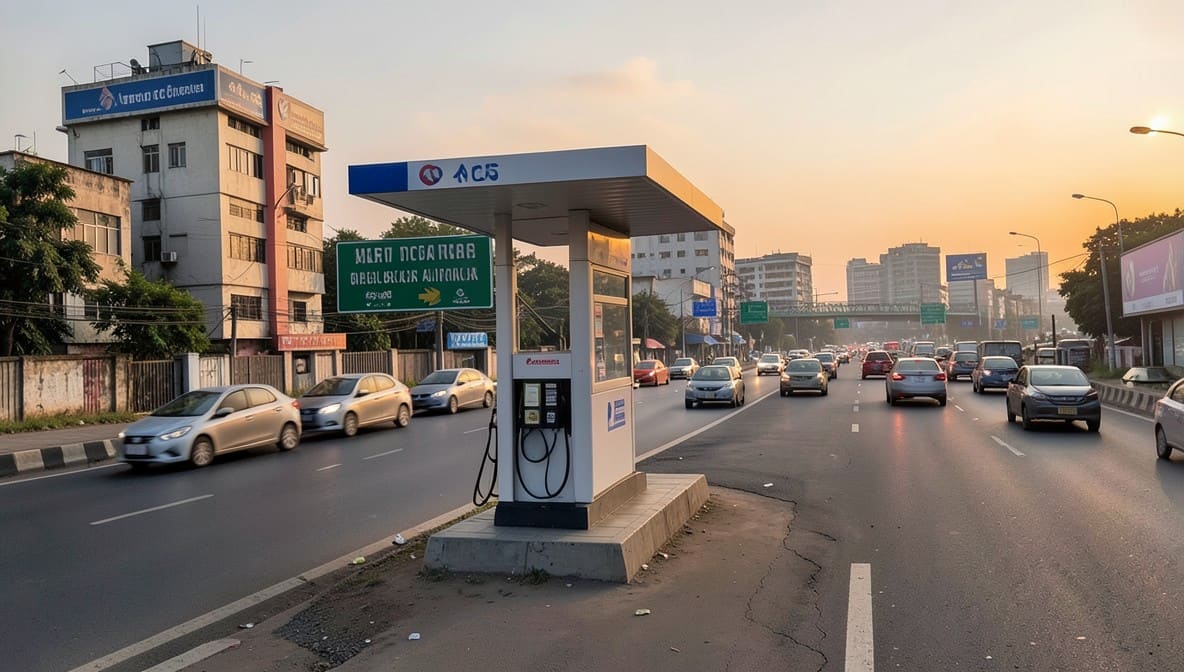
The Supreme Court ruled that the National Green Tribunal (NGT) cannot outsource its judicial functions to expert committees, as it violates principles of natural justice. The judgment quashed NGT’s reliance on committee reports to block a petrol pump project, emphasizing that statutory compliance and procedural fairness must prevail over speculative environmental concerns. This sets a precedent for environmental adjudication, ensuring courts retain their decision-making authority.

Copyright Infringement | Bald Allegations Without Prima Facie Similarity Cannot Sustain Criminal Proceedings Under Section 63 Copyright Act : SC
Case Law Analysis
|Supreme Court of India

Copyright Infringement | Bald Allegations Without Prima Facie Similarity Cannot Sustain Criminal Proceedings Under Section 63 Copyright Act : SC

The Supreme Court quashed criminal proceedings for copyright infringement, emphasizing that mere allegations without demonstrable similarity between works fail to establish a prima facie case. The ruling underscores that concealing expert reports finding no resemblance constitutes abuse of process, protecting creators from frivolous litigation.

IBC Section 14 | Set-off Permitted as Defensive Offset in Arbitration, Not Affirmative Claim, After Resolution Plan Approval : SC
Case Law Analysis
|Supreme Court of India

IBC Section 14 | Set-off Permitted as Defensive Offset in Arbitration, Not Affirmative Claim, After Resolution Plan Approval : SC

The Supreme Court has ruled that while claims not included in an IBC resolution plan are extinguished, a respondent may still use set-off as a defensive countermeasure in arbitration to reduce the appellant’s claim-provided no independent relief is sought. This preserves contractual fairness without undermining the finality of resolution plans, impacting creditors, corporate debtors, and arbitration practitioners alike.

Master Plan Under Delhi Development Act Prevails Over Deemed Forest Claims Under Forest (Conservation) Act : SC
Case Law Analysis
|Supreme Court of India

Master Plan Under Delhi Development Act Prevails Over Deemed Forest Claims Under Forest (Conservation) Act : SC

The Supreme Court ruled that an approved Master Plan under the Delhi Development Act overrides deemed forest status claims under the Forest (Conservation) Act, even if tree growth occurred post-acquisition. This binding precedent clarifies that statutory urban development plans take precedence over subsequent environmental classifications, impacting railway land development and urban planning authorities.

Section 364 IPC | Conviction Without Framed Charge Violates Fair Trial Under Section 222 CrPC: SC
Case Law Analysis
|Supreme Court of India

Section 364 IPC | Conviction Without Framed Charge Violates Fair Trial Under Section 222 CrPC: SC

The Supreme Court has ruled that convicting an accused under Section 364 IPC without a formal charge, even when evidence supports abduction, breaches fair trial guarantees because the offence is not cognate to Section 302 IPC and cannot be subsumed under Section 222 CrPC. This sets a critical precedent for charge framing precision in criminal trials, protecting accused persons from prejudicial surprise convictions.

Corporate Fixed Deposits Not Commercial Use | Section 2(1)(d) CPA 1986 Protects Entities Earning Interest on Surplus Funds : SC
Case Law Analysis
|Supreme Court of India

Corporate Fixed Deposits Not Commercial Use | Section 2(1)(d) CPA 1986 Protects Entities Earning Interest on Surplus Funds : SC

The Supreme Court clarifies that a corporate entity depositing surplus funds in a bank for interest does not lose its status as a consumer under the Consumer Protection Act, 1986. This ruling shields businesses from being excluded from consumer forums merely for earning passive income, and affirms that fraud in banking transactions must be pursued in civil or criminal courts - not consumer tribunals.