Supreme Court of India judgments

498 Supreme Court of India judgments explained in plain English: what was decided, the law applied and why it matters. Page 14 of 21.

COFEPOSA Advisory Board | Detainee has No Right to Legal Counsel Unless State Is Represented: SC
Case Law Analysis
|Supreme Court of India

COFEPOSA Advisory Board | Detainee has No Right to Legal Counsel Unless State Is Represented: SC

The Supreme Court has ruled that under COFEPOSA, a detenu has no automatic right to legal representation before the Advisory Board unless the state appears through a lawyer. This creates a procedural imbalance that undermines the fairness of preventive detention reviews and affects thousands of detainees subject to executive discretion without judicial safeguards.


Section 7(3) DP Act | Statements Under Section 161 CrPC Cannot Trigger Dowry Prosecution Against Complainant : SC
Case Law Analysis
|Supreme Court of India

Section 7(3) DP Act | Statements Under Section 161 CrPC Cannot Trigger Dowry Prosecution Against Complainant : SC

The Supreme Court ruled that statements made by an aggrieved party under Section 161 CrPC, admitting to giving dowry, cannot be used to register an FIR against them under Section 3 of the Dowry Prohibition Act due to immunity under Section 7(3). This holding protects complainants from self-incrimination in dowry-related prosecutions and clarifies the scope of statutory immunity in matrimonial disputes.

Anticipatory Bail | Extortion Counter-Claims Can Undermine Sexual Offence Allegations in Workplace Cases: SC
Case Law Analysis
|Supreme Court of India

Anticipatory Bail | Extortion Counter-Claims Can Undermine Sexual Offence Allegations in Workplace Cases: SC

The Supreme Court has ruled that when serious sexual offence allegations are met with credible counter-claims of extortion, anticipatory bail cannot be denied solely on the basis of gravity. This shifts the legal calculus in workplace harassment cases, requiring courts to weigh the credibility of both sides before denying liberty, and sets a new precedent for balancing natural justice against stigmatic accusations.

Section 7 PCA | Demand for Bribe May Be Inferred from Circumstantial Evidence Even When Complainant Prevaricates at Trial : SC
Case Law Analysis
|Supreme Court of India

Section 7 PCA | Demand for Bribe May Be Inferred from Circumstantial Evidence Even When Complainant Prevaricates at Trial : SC

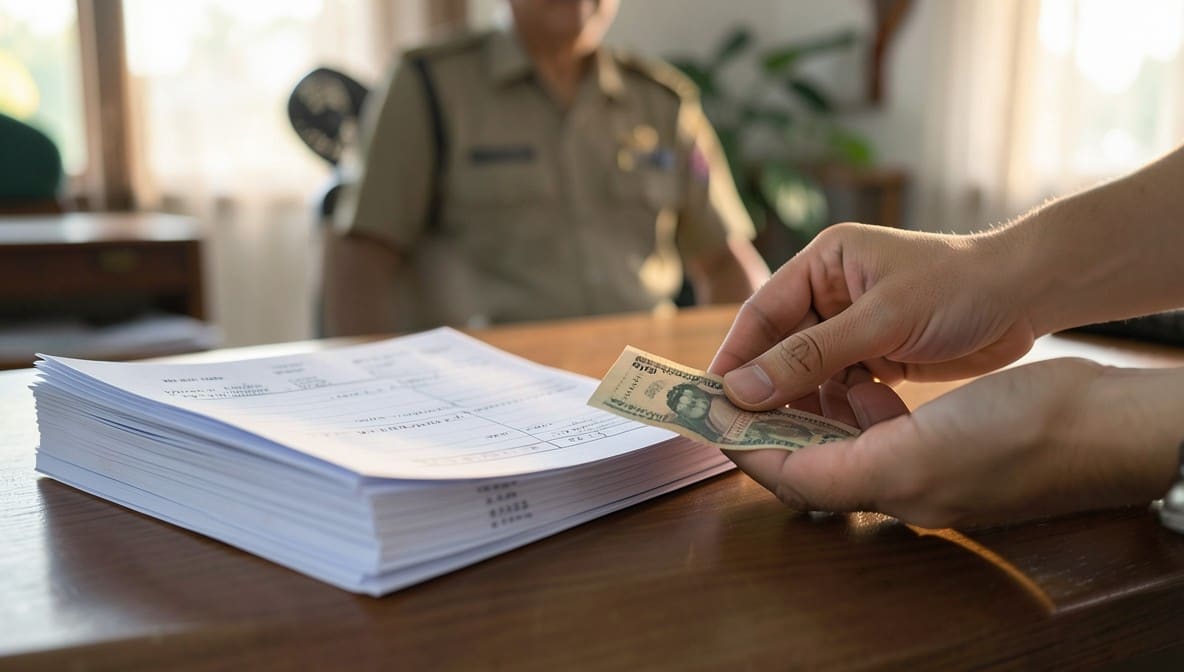
The Supreme Court has ruled that a demand under Section 7 of the Prevention of Corruption Act need not be proven by direct testimony if circumstantial evidence - including prior statements and corroborating witness accounts - collectively establishes the bribe transaction. This clarifies that a complainant’s inconsistent trial testimony does not automatically invalidate a prosecution, strengthening the state’s ability to secure convictions in covert corruption cases.

Section 482 CrPC | Criminal Proceedings Cannot Be Quashed at Investigation Stage Merely Due to Civil Dispute: SC
Case Law Analysis
|Supreme Court of India

Section 482 CrPC | Criminal Proceedings Cannot Be Quashed at Investigation Stage Merely Due to Civil Dispute: SC

The Supreme Court ruled that criminal proceedings involving allegations of forgery and cheating cannot be quashed under Section 482 CrPC at the investigation stage merely because a parallel civil dispute exists. The Court emphasized that evaluating defence documents or requiring prior civil cancellation of sale deeds is beyond the scope of judicial review at this stage, reinforcing the primacy of criminal investigation in fraud cases.

No Successor Entitlement to Pre-Amalgamation Losses Under Kerala Agricultural Income Tax Act : SC | Section 54 Bars Set-Off Without Explicit Statutory Provision
Case Law Analysis
|Supreme Court of India

No Successor Entitlement to Pre-Amalgamation Losses Under Kerala Agricultural Income Tax Act : SC | Section 54 Bars Set-Off Without Explicit Statutory Provision

The Supreme Court ruled that an amalgamated company cannot claim set-off of pre-amalgamation losses under the Kerala Agricultural Income Tax Act, 1991, as Section 54 does not expressly permit such transfer. The judgment underscores that contractual clauses cannot override statutory limitations, impacting corporate restructuring and tax planning strategies.

Consent Award Indemnity Triggered by Any Forum-Imposed Liability, Not Just Final Judgment : SC
Case Law Analysis
|Supreme Court of India

Consent Award Indemnity Triggered by Any Forum-Imposed Liability, Not Just Final Judgment : SC

The Supreme Court ruled that an indemnity obligation under a consent award is enforceable upon any liability imposed by a forum, such as a court-ordered deposit, without waiting for final appellate confirmation. This interpretation invalidates judicial delay tactics and reinforces strict adherence to contractual indemnity clauses in commercial disputes.

Article 142 | Post-Settlement DV Proceedings Amount to Abuse of Process; SC Grants Divorce on Irretrievable Breakdown
Case Law Analysis
|Supreme Court of India

Article 142 | Post-Settlement DV Proceedings Amount to Abuse of Process; SC Grants Divorce on Irretrievable Breakdown

The Supreme Court quashed domestic violence proceedings filed after a ₹89 lakh mediated settlement, ruling that post-settlement litigation constitutes abuse of process. Invoking Article 142, the Court dissolved the marriage on grounds of irretrievable breakdown, even in the absence of statutory divorce grounds, setting a precedent for similar disputes.

Consent Award Indemnity Clause Triggers Immediate Payment Obligation Upon Liability Crystallisation : SC
Case Law Analysis
|Supreme Court of India

Consent Award Indemnity Clause Triggers Immediate Payment Obligation Upon Liability Crystallisation : SC

The Supreme Court ruled that an indemnity clause in a consent award becomes enforceable immediately upon crystallisation of liability, without awaiting final judicial confirmation. This decision clarifies that parties cannot delay indemnity payments under arbitration awards, impacting commercial dispute resolutions involving indemnity contracts.

NDPS Act Sections 20, 25 & 29 | Separate Convictions Permitted but Fines Must Be Concurrent: Supreme Court
Case Law Analysis
|Supreme Court of India

NDPS Act Sections 20, 25 & 29 | Separate Convictions Permitted but Fines Must Be Concurrent: Supreme Court

The Supreme Court has clarified that while multiple convictions under Sections 20, 25, and 29 of the NDPS Act can stand simultaneously, fines cannot be imposed separately if the sentences run concurrently. This prevents double punishment in financial penalties, protecting accused persons from disproportionate economic burden even when convicted on multiple counts for the same transaction.

Article 14 | Differential DA and DR Rates for Serving Employees vs. Pensioners Violate Equality: Supreme Court
Case Law Analysis
|Supreme Court of India

Article 14 | Differential DA and DR Rates for Serving Employees vs. Pensioners Violate Equality: Supreme Court

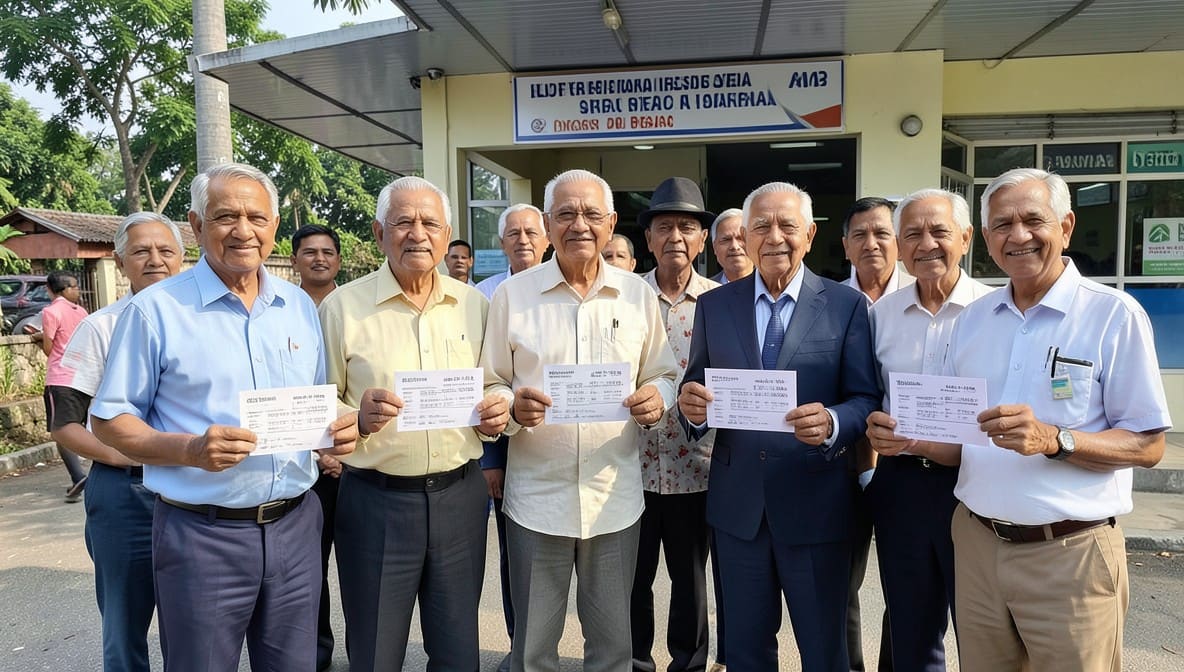
The Supreme Court has ruled that paying higher dearness allowance to serving employees than dearness relief to pensioners, despite both compensating for the same inflation, constitutes arbitrary classification under Article 14. This landmark decision mandates uniform inflation adjustment for all public sector beneficiaries, impacting millions of pensioners across state and central governments.

HMA Sections 13(1)(ia) & (ib) | Fact-Finding Courts’ Findings on Cruelty and Desertion Upheld; Enhanced Maintenance Awarded: SC
Case Law Analysis
|Supreme Court of India

HMA Sections 13(1)(ia) & (ib) | Fact-Finding Courts’ Findings on Cruelty and Desertion Upheld; Enhanced Maintenance Awarded: SC

The Supreme Court affirmed that sustained cruelty and desertion under the Hindu Marriage Act, as established by fact-based findings of lower courts, justify divorce and warrant enhanced monthly maintenance to ensure the wife’s dignity and subsistence. This reinforces that judicial discretion in maintenance must reflect actual need and conduct, not just statutory minimums.

Subletting Proven by Exclusive Possession of Third Parties | Karnataka Rent Act Section 27(b)(ii) : Supreme Court
Case Law Analysis
|Supreme Court of India

Subletting Proven by Exclusive Possession of Third Parties | Karnataka Rent Act Section 27(b)(ii) : Supreme Court

The Supreme Court ruled that when a tenant vacates premises and third parties not party to the lease take exclusive possession, it constitutes unlawful subletting under the Karnataka Rent Act, regardless of partnership deeds. This clarifies that mere business association does not equate to tenancy, empowering landlords to act against covert subletting without direct contractual evidence.

Article 14 & 16 | Arbitrary Denial of Promotion to Senior Employee Despite Parity with Peers Violates Equality: SC
Case Law Analysis
|Supreme Court of India

Article 14 & 16 | Arbitrary Denial of Promotion to Senior Employee Despite Parity with Peers Violates Equality: SC

The Supreme Court ruled that denying promotion to a senior employee with 28 years of service, while granting it to similarly situated peers despite identical educational deficiencies, constitutes arbitrary classification under Articles 14 and 16. This sets a critical precedent for promotional fairness in public and cooperative service structures where rigid qualification norms cannot override substantive equality and seniority-based equity.

MSCS Act Section 12(1)(a) | Resolution Plan Eligibility Under IBC Restricted to Bye-Law Objects: Supreme Court
Case Law Analysis
|Supreme Court of India

MSCS Act Section 12(1)(a) | Resolution Plan Eligibility Under IBC Restricted to Bye-Law Objects: Supreme Court

The Supreme Court has ruled that a Multi-State Co-operative Society cannot submit a resolution plan under the IBC unless its bye-laws explicitly permit activities substantially similar to the corporate debtor’s business. This clarifies that object clauses-not general investment powers-define the legal line of business, directly impacting cooperative societies seeking to participate in corporate insolvency resolutions.

Section 11 Arbitration Act | LOI Referencing Tender Docs Does Not Incorporate Arbitration Clause Without Explicit Language : SC
Case Law Analysis
|Supreme Court of India

Section 11 Arbitration Act | LOI Referencing Tender Docs Does Not Incorporate Arbitration Clause Without Explicit Language : SC

The Supreme Court has ruled that a Letter of Intent merely referencing tender documents cannot be construed as incorporating their arbitration clause unless explicitly stated. This clarifies the threshold for prima facie existence of an arbitration agreement under Section 11, impacting contractors, public utilities, and tender processes nationwide where LOIs are routinely issued before formal contracts.

Order XXI CPC | Compromise Decree Must Be Executed As-Is; Executing Court Cannot Modify Terms: SC
Case Law Analysis
|Supreme Court of India

Order XXI CPC | Compromise Decree Must Be Executed As-Is; Executing Court Cannot Modify Terms: SC

The Supreme Court reaffirmed that executing courts lack jurisdiction to alter or reinterpret the terms of a compromise decree, even for practical convenience. The ruling underscores that parties must strictly adhere to the decree's terms, reinforcing the finality of consensual settlements in civil disputes and limiting judicial discretion in execution proceedings.

Section 9 IBC | Pre-Existing Dispute Must Be Plausible and Non-Spurious to Bar CIRP Initiation: SC
Case Law Analysis
|Supreme Court of India

Section 9 IBC | Pre-Existing Dispute Must Be Plausible and Non-Spurious to Bar CIRP Initiation: SC

The Supreme Court ruled that a pre-existing dispute over defective supplies and account reconciliation, if plausible and not spurious, bars the initiation of the Corporate Insolvency Resolution Process (CIRP) under Section 9 of the IBC. The judgment reinforces the threshold for operational creditors, ensuring frivolous claims do not trigger insolvency proceedings.

Section 468 CrPC | Limitation Period Runs from FIR/Complaint Date, Not Magistrate’s Cognizance : SC
Case Law Analysis
|Supreme Court of India

Section 468 CrPC | Limitation Period Runs from FIR/Complaint Date, Not Magistrate’s Cognizance : SC

The Supreme Court clarifies that the limitation period under Section 468 CrPC begins from the date of the FIR or complaint filing, not when the magistrate takes cognizance. This ruling overturns the High Court’s quashing of the FIR, reinforcing that delayed charge-sheets beyond the prescribed period will attract the bar of limitation, impacting criminal proceedings nationwide.

Right to Impleadment Under Article 226 | Non-Party Facing Direct Civil Consequences from Interim Order Entitled to Be Heard: SC
Case Law Analysis
|Supreme Court of India

Right to Impleadment Under Article 226 | Non-Party Facing Direct Civil Consequences from Interim Order Entitled to Be Heard: SC

The Supreme Court ruled that a non-party directly affected by civil consequences of an interim order in a writ petition under Article 226 must be impleaded to ensure procedural fairness. This holding reinforces the principle that affected third parties cannot be denied a hearing merely because they were not original parties to the proceedings.

Governor’s Sanction Mandatory for Extraordinary Pension Under UP Civil Services Rules, 1981 | SC Bars Judicial Direction Without Administrative Consideration : SC
Case Law Analysis
|Supreme Court of India

Governor’s Sanction Mandatory for Extraordinary Pension Under UP Civil Services Rules, 1981 | SC Bars Judicial Direction Without Administrative Consideration : SC

The Supreme Court has ruled that extraordinary pensions under the Uttar Pradesh Civil Services (Extraordinary Pension) Rules, 1981 require mandatory Governor’s sanction and cannot be ordered by courts without prior administrative evaluation. This reinforces the separation of judicial and executive powers in service benefits and ensures widows of deceased officers must reapply through proper channels, not judicial mandate.