Topic

Railways Act

The Railways Act governs liability, compensation, and operational responsibilities of Indian Railways, including passenger safety, freight damage, and land acquisition procedures.

14 articlesLatest July 2026
Railways Act Section 123(c)(2) | Loss of Ticket Does Not Disqualify Bonafide Passenger Status in Untoward Incident Claims : Bombay HC
Case Law Analysis
|Bombay High Court

Railways Act Section 123(c)(2) | Loss of Ticket Does Not Disqualify Bonafide Passenger Status in Untoward Incident Claims : Bombay HC

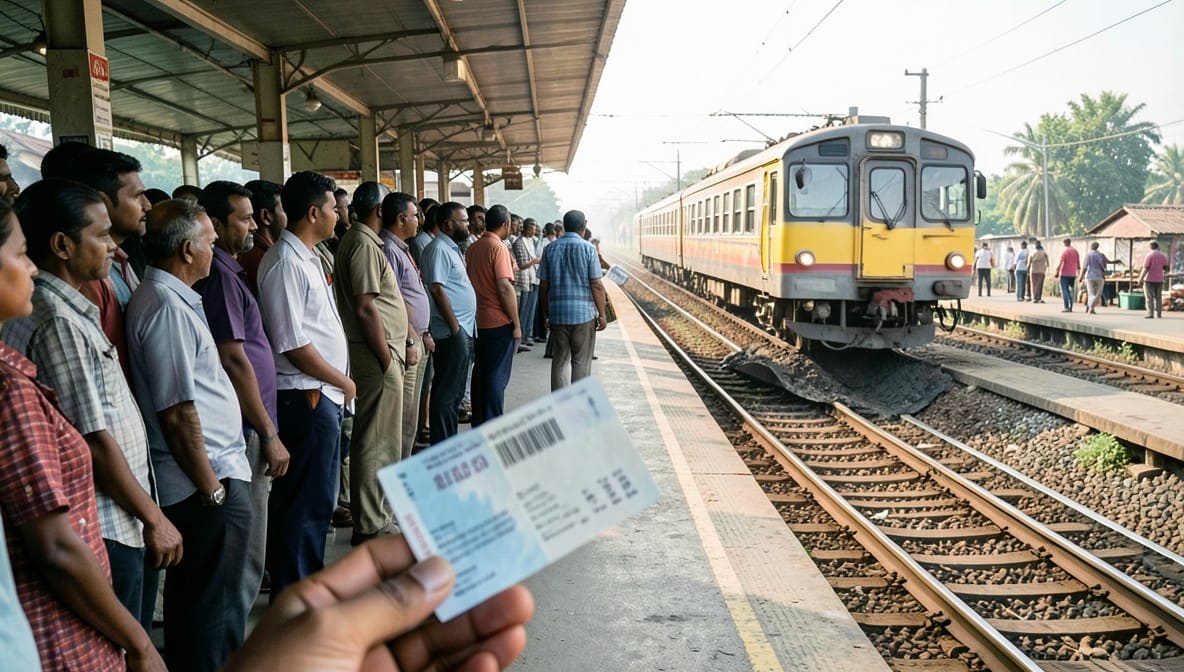
The Bombay High Court ruled that a passenger who loses their ticket but was legitimately traveling remains a bonafide passenger under the Railways Act, making the railway liable for compensation in case of accidental fall from a train. This affirms strict liability for untoward incidents regardless of ticket possession, significantly expanding access to compensation for vulnerable travelers.

Railways Act Section 123(c)(ii) | Compensation Must Reflect Revised Rates in Force at Time of Award, Not Incident: Allahabad HC
Case Law Analysis
|Allahabad High Court

Railways Act Section 123(c)(ii) | Compensation Must Reflect Revised Rates in Force at Time of Award, Not Incident: Allahabad HC

The Allahabad High Court ruled that compensation for railway-related deaths must be calculated using the revised rates effective at the time of the tribunal's award, not at the time of the incident. This ensures claimants benefit from legislative enhancements in statutory compensation, reinforcing the principle that remedial statutes must be interpreted to maximize relief to victims.

Section 123(c)(2) Railways Act | Peeping Out of Moving Train Qualifies as 'Untoward Incident' for Compensation: Allahabad HC
Case Law Analysis
|Allahabad High Court

Section 123(c)(2) Railways Act | Peeping Out of Moving Train Qualifies as 'Untoward Incident' for Compensation: Allahabad HC

The Allahabad High Court has ruled that a passenger’s fatal fall after leaning out of a moving train to check the platform constitutes an 'untoward incident' under the Railways Act, entitling dependents to Rs. 4 lakh compensation plus 7% interest. This expands the scope of railway liability beyond mere operational failures to include passenger actions that are impulsive but not intentional self-harm, setting a critical precedent for future claims.

Section 14 Electricity Act 2003 | Indian Railways Not a 'Deemed Distribution Licensee'; Liable for Cross-Subsidy Surcharge Under Section 42 : SC
Case Law Analysis
|Supreme Court of India

Section 14 Electricity Act 2003 | Indian Railways Not a 'Deemed Distribution Licensee'; Liable for Cross-Subsidy Surcharge Under Section 42 : SC

The Supreme Court ruled that Indian Railways does not qualify as a 'deemed distribution licensee' under Section 14 of the Electricity Act, 2003, and is thus liable to pay Cross-Subsidy Surcharge as a consumer under Section 42. The judgment rejects Railways' claims of sovereign immunity or internal infrastructure exemptions, setting a precedent for open access electricity consumers.

Section 106(3) Railways Act | Illegal Charges Exempt from Six-Month Notice Requirement; Overcharges Alone Trigger Statutory Notice : GAHC
Case Law Analysis
|Gauhati High Court

Section 106(3) Railways Act | Illegal Charges Exempt from Six-Month Notice Requirement; Overcharges Alone Trigger Statutory Notice : GAHC

Gauhati High Court clarifies that Section 106(3) of the Railways Act applies only to overcharges, not illegal charges, exempting the latter from the six-month statutory notice requirement. The ruling entitles Numaligarh Refinery Ltd. to a ₹2.98 crore refund with interest after Railways admitted to duplicate billing in siding and through-distance charges.

Section 124A Railways Act | Accidental Fall from Train by Bonafide Passenger is 'Untoward Incident' Entitling Heirs to Compensation : Bombay HC
Case Law Analysis
|Bombay High Court

Section 124A Railways Act | Accidental Fall from Train by Bonafide Passenger is 'Untoward Incident' Entitling Heirs to Compensation : Bombay HC

Bombay High Court clarifies that an accidental fall from a train by a valid ticket-holding passenger qualifies as an 'untoward incident' under Section 124A of the Railways Act, 1989, overturning the Tribunal’s reliance on speculative inferences. The ruling mandates compensation for heirs, reinforcing strict liability in railway accidents regardless of fault.

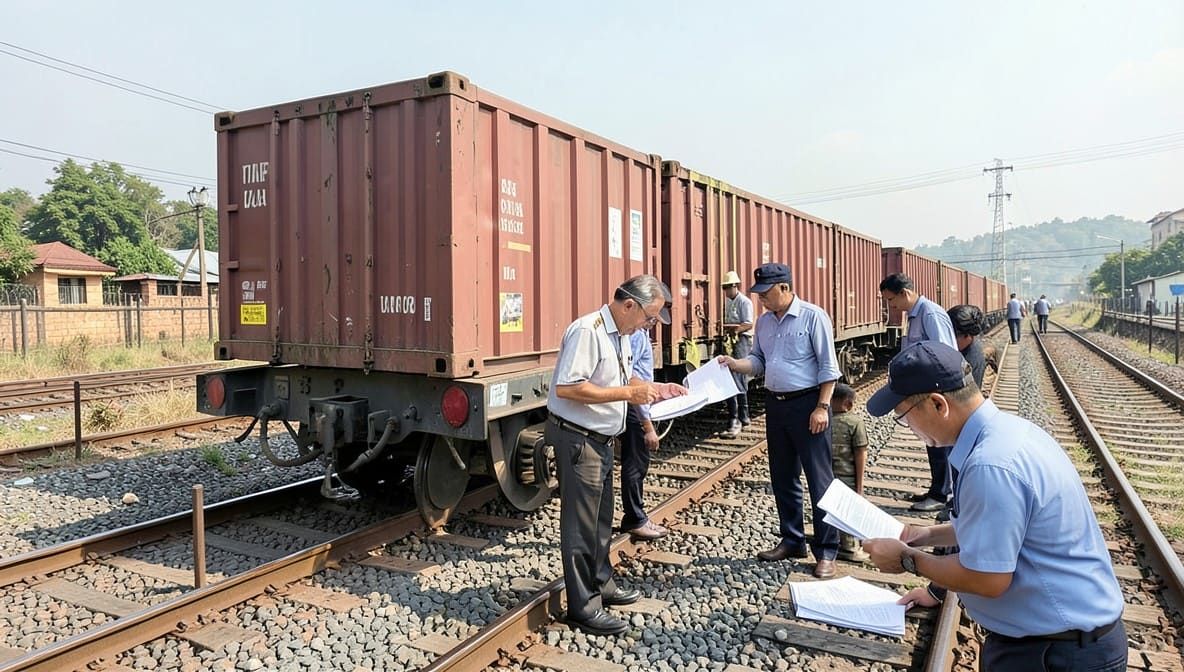
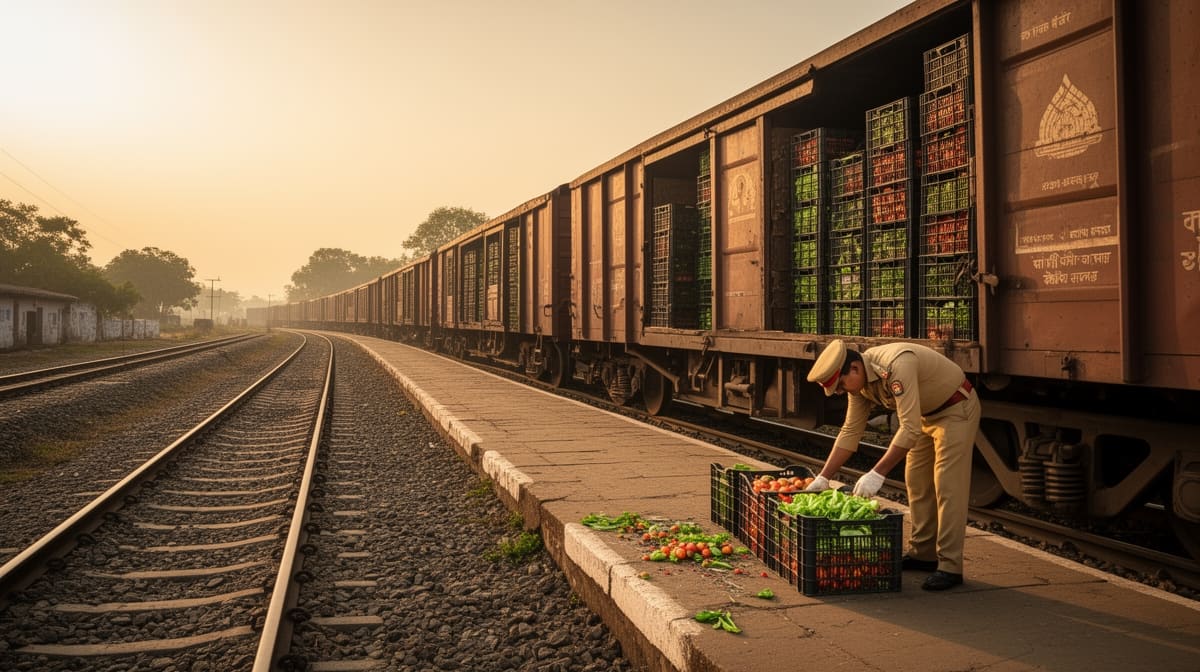
Section 97 Railways Act | Railways Liable for Wet Damage to Perishable Goods Despite 'Owner’s Risk' Booking if Negligence Proven : Gauhati HC
Case Law Analysis
|Gauhati High Court

Section 97 Railways Act | Railways Liable for Wet Damage to Perishable Goods Despite 'Owner’s Risk' Booking if Negligence Proven : Gauhati HC

Gauhati High Court rules that railways cannot escape liability for wet damage to perishable goods booked under 'owner’s risk' if negligence-such as leaky wagons, delayed transit, or failure to act on perishability warnings-is established. The judgment reinforces that Section 97 of the Railways Act imposes a duty of care even under risk-shifted contracts, impacting consignors of perishable cargo.

Section 123(c) Railways Act | Mistaken Boarding Does Not Invalidate Bona Fide Passenger Status : Delhi HC Upholds Strict Liability for Untoward Incidents
Case Law Analysis
|Delhi High Court

Section 123(c) Railways Act | Mistaken Boarding Does Not Invalidate Bona Fide Passenger Status : Delhi HC Upholds Strict Liability for Untoward Incidents

Delhi High Court rules that passengers who mistakenly board the wrong train retain their bona fide status under the Railways Act, entitling them to compensation for untoward incidents. The court emphasized that strict liability applies regardless of boarding errors, reinforcing passenger protection under Section 123(c).