The Bombay High Court has clarified that a passenger’s fatal fall from a moving train qualifies as an 'untoward incident' under the Railways Act, 1989, entitling dependents to compensation even in the absence of eyewitnesses or expert medical evidence of a train collision. This ruling reinforces the principle of strict liability owed by railways to passengers and rejects speculative inferences based on circumstantial evidence.
Background & Facts
The Dispute
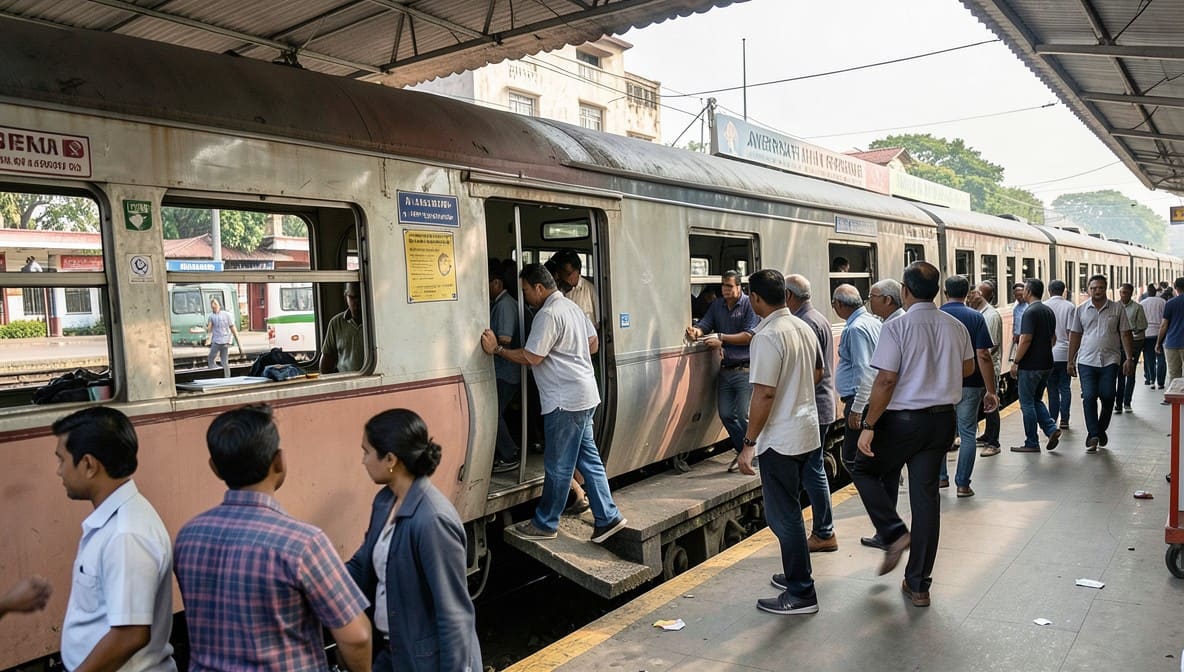
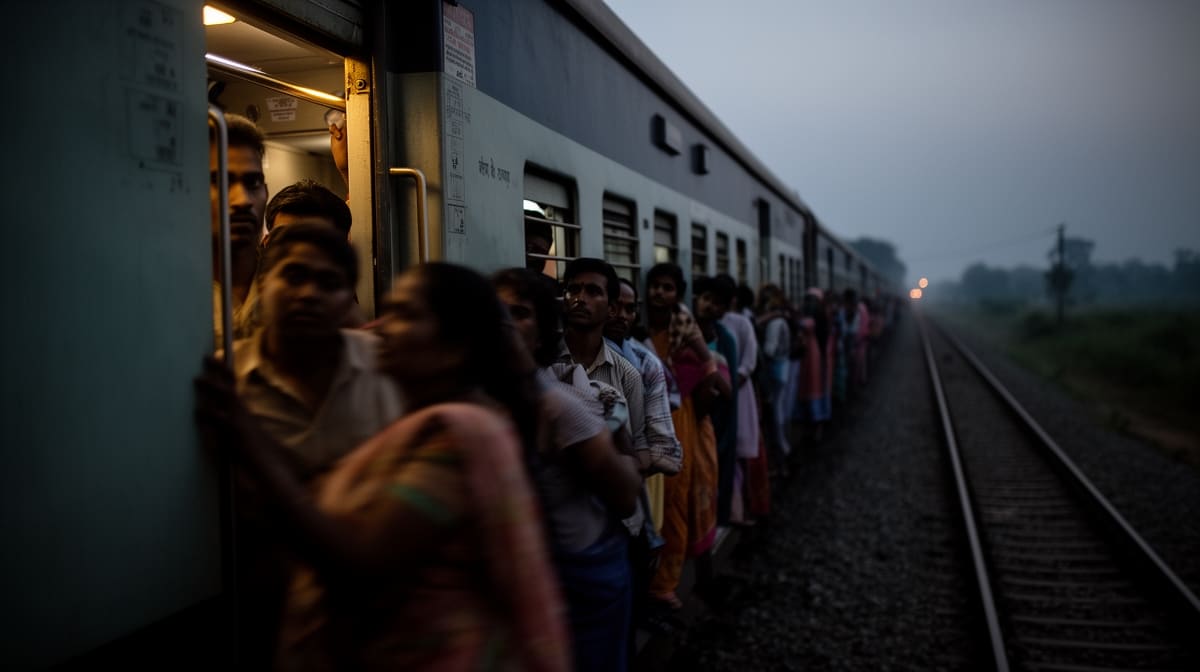
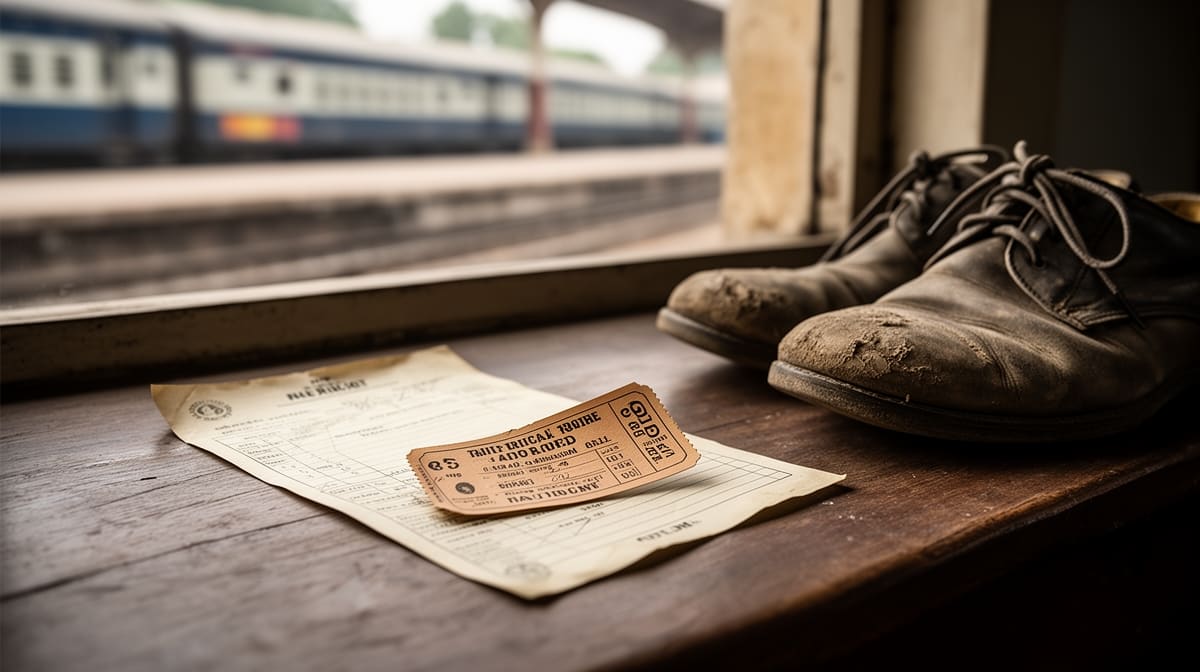
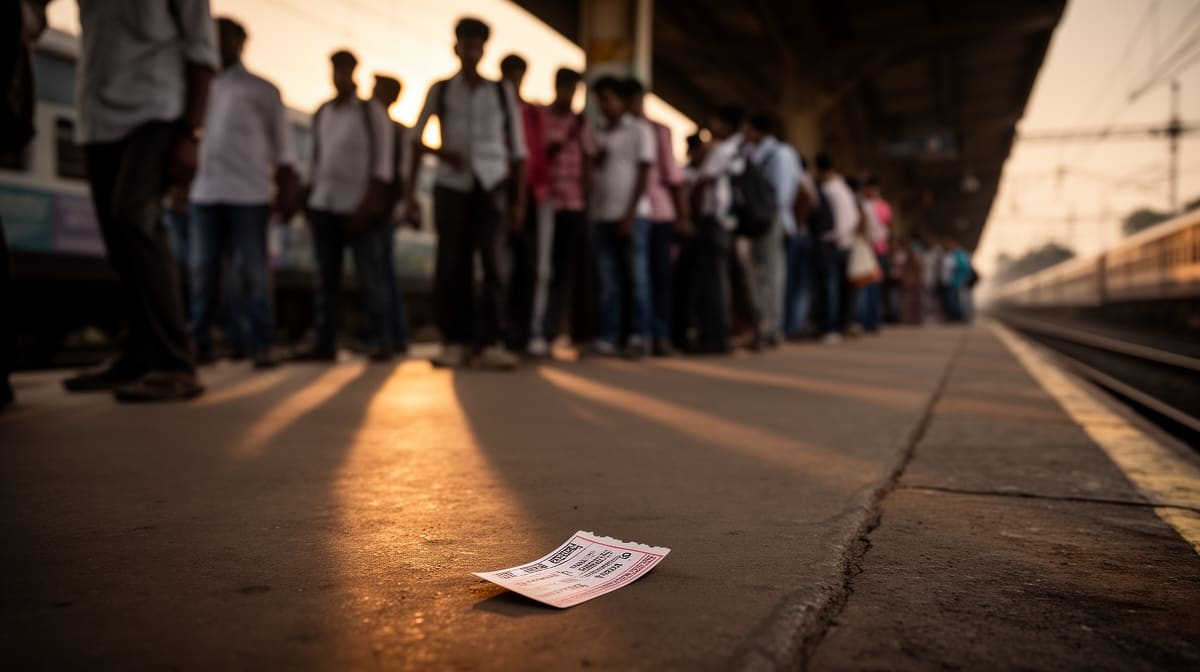
The appellants, widow and two minor children of Rameshchandra Shukla, sought compensation under Section 16 of the Railway Claims Tribunal Act, 1987, following his death on 9 May 2016. The deceased, a resident of Virar, had purchased a second-class return ticket from Virar to Mahalaxmi. While returning on a local train between Nalasopara and Virar, near KM 59/6-7, he allegedly fell from the train, sustaining fatal head injuries. His body was found near the tracks, and a return ticket was recovered during the inquest.
Procedural History
- 9 May 2016: Deceased found dead near railway track between Nalasopara and Virar.
- 2016: Claim application filed before Railway Claims Tribunal, Mumbai.
- 6 December 2021: Tribunal dismissed the claim, concluding the death resulted from the deceased attempting to cross the track and being knocked down by a train.
- 2022: First Appeal filed in Bombay High Court challenging the dismissal.
Relief Sought
The appellants sought compensation of ₹4,00,000 under Section 124-A of the Railways Act, 1989, arguing the death was an untoward incident during travel. They also sought interest at 9% per annum from the date of accident, in line with precedents.
The Legal Issue
The central question was whether a fatal fall from a moving train constitutes an 'untoward incident' under Section 123(c)(2) read with Section 124-A of the Railways Act, 1989, and whether the Railway Administration can deny compensation based solely on speculative inference in the absence of expert medical evidence.
Arguments Presented
For the Appellant
Counsel for the appellants relied on Rina Devi v. Union of India and Sanyokta Devi v. Union of India to argue that:
- The recovery of a valid ticket and the deceased’s residence at the destination station established prima facie passenger status.
- The inquest panchnama recorded that the death occurred due to a fall from the train, not a knock-down.
- No expert medical evidence proved the injuries resulted from a train collision.
- The Railway failed to examine any motorman, guard, or eyewitness to substantiate its claim of trespass.
- Beneficial legislation must be interpreted liberally, and negligence of the deceased cannot override strict liability.
For the Respondent
The Railway contended that:
- The deceased was found near the track, not inside the train, suggesting trespass.
- The DRM report and Station Master’s memo indicated the deceased was hit while crossing the track.
- The death certificate did not mention railway accident, and the inquest noted head injuries consistent with being run over.
- No witness saw the deceased board the train, and the wife had no personal knowledge of the incident.
- Precedents like Smt. Meena Devi and Ganesh Waghmare supported dismissal where evidence was weak.
The Court's Analysis
The Court emphasized that strict liability applies under Section 124-A, meaning compensation is payable irrespective of fault, unless the death resulted from the passenger’s own criminal act or self-inflicted injury. The Tribunal’s conclusion that the deceased was knocked down by a train was based on inference from the nature of injuries, not on any expert or eyewitness testimony.
"The inference drawn by the Tribunal about this being a case of knock-down/run-over is not sustainable, in the absence of specific medical evidence/expert evidence."
The Court distinguished the facts from Smt. Meena Devi, where no ticket was produced and a post-mortem confirmed run-over. Here, a valid ticket was recovered, and the inquest panchnama explicitly recorded a fall from the train. The Court noted that head injuries can result from falling onto a hard surface, not necessarily from a train collision, citing Mrs. Seema Pathare v. Union of India.
The Court further held that the Railway’s failure to examine any railway personnel - motorman, guard, or station staff - who could have reported a collision or trespass, rendered its case speculative. The Station Master’s memo, which had been altered from "hit by unknown train" to "unknown person hit on head," was deemed unreliable.
The Court reaffirmed Rina Devi’s principle that the initial burden on the claimant is discharged by affidavit and documentary evidence, after which the burden shifts to the Railway. The absence of ocular witnesses is not fatal, especially when the claimant is not accompanying the deceased.
The Verdict
The appellants won. The Court held that a fatal fall from a train constitutes an untoward incident under Section 124-A of the Railways Act, 1989, and compensation is payable without expert medical proof of knock-down. The Tribunal’s order was set aside, and ₹8,00,000 in compensation, plus 9% interest, was awarded.
What This Means For Similar Cases
Fall from Train Is an Untoward Incident
- Practitioners must argue that any accidental fall from a moving train, even without eyewitnesses, qualifies as an untoward incident.
- Tribunals cannot substitute their own speculative inferences for expert medical evidence.
- The burden shifts to the Railway to prove criminal negligence or trespass - mere presence near tracks is insufficient.
Documentary Evidence Prevails Over Speculative Reports
- Recovery of a valid ticket, residence at destination, and inquest panchnama are sufficient to establish passenger status.
- Alterations in official documents (e.g., Station Master’s memo) must be scrutinized and may invalidate the Railway’s case.
- Death certificates omitting "railway accident" do not negate compensation if other evidence supports the claim.
Beneficial Legislation Demands Liberal Interpretation
-
Section 124-A must be interpreted broadly to protect vulnerable passengers.
-
Courts must reject narrow, technical readings that favor the Railway’s procedural defenses.
-
Interest at 9% from the date of accident is now the standard, aligning with Motor Vehicles Act jurisprudence.
-
Claimants should file affidavits detailing ticket purchase, residence, and relationship to deceased.
-
Opposing counsel must request expert medical reports if alleging knock-down; otherwise, the claim stands.
-
Tribunals must avoid drawing conclusions based on injury patterns alone - context and evidence matter.