The Delhi High Court has reaffirmed that compensation for injuries sustained in an untoward incident under the Railways Act, 1989 is contingent upon the claimant establishing bona fide passenger status through verifiable ticket evidence. This ruling clarifies that medical records alone cannot substitute for proof of lawful travel, setting a critical threshold for claimants before Railway Claims Tribunals.
Background & Facts
The Dispute
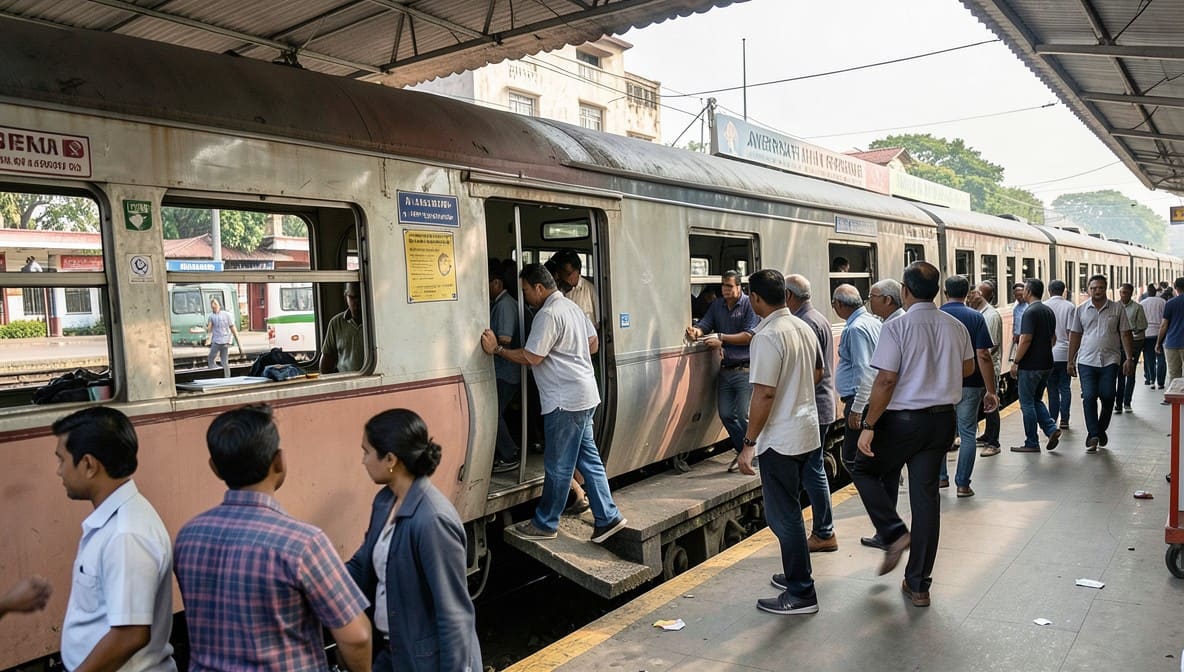
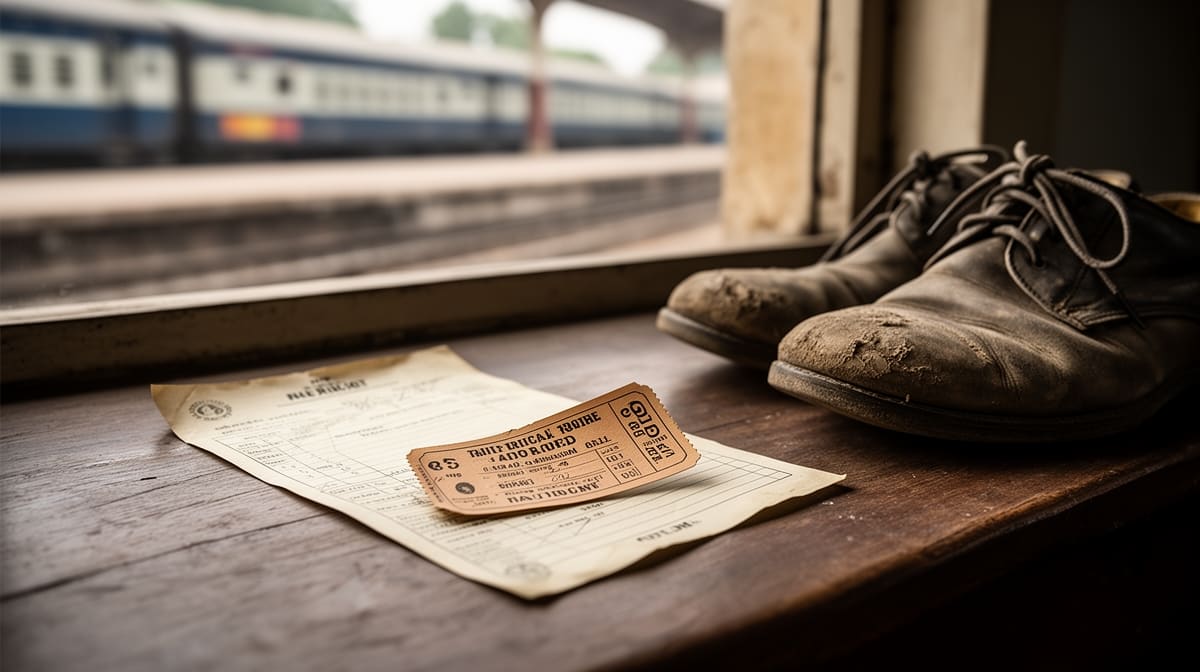
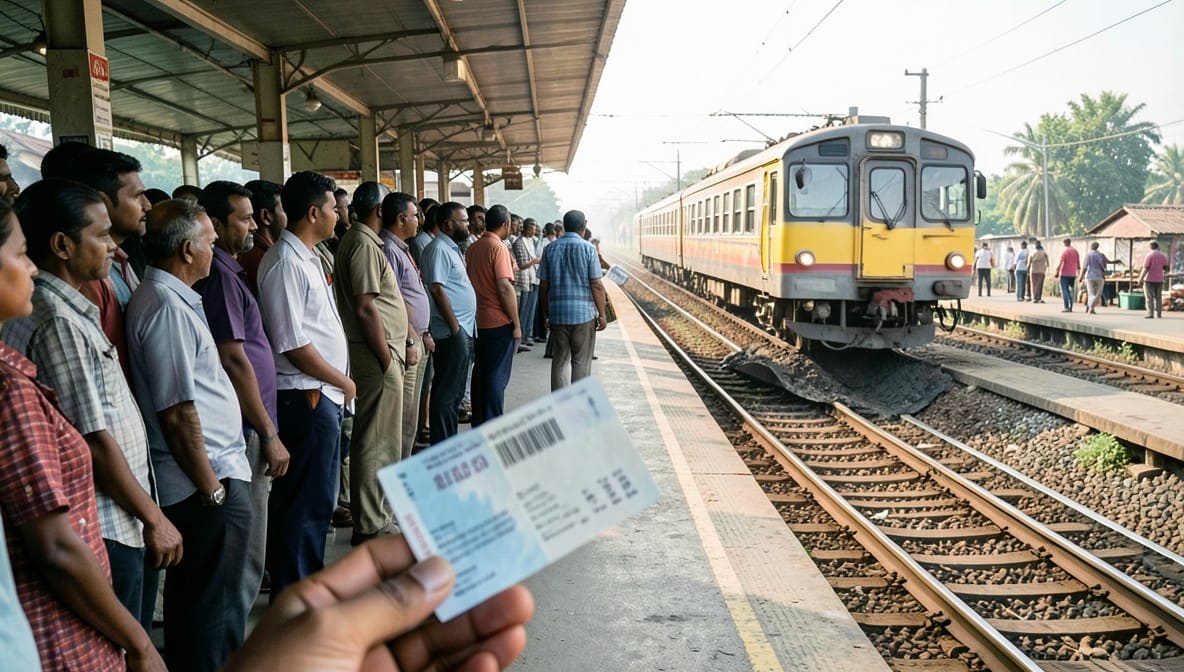
Jaipal Yadav, the appellant, claimed he sustained grievous injuries - including amputation of his left leg and head lacerations - after falling from the Old Delhi-Rewari Passenger Train on 28.09.2019. He alleged the fall resulted from overcrowding and a sudden thrust by other passengers. He produced a general journey ticket bearing No. UAC-39504166, asserting it was purchased on the day of the incident.
Procedural History
- 28.09.2019: Alleged incident occurred during train journey from Taj Nagar to Rewari
- 2019: Claim Application No. OA-II(u)/DLI/305/2019 filed before Railway Claims Tribunal
- 16.07.2021: Tribunal dismissed claim, holding appellant was not a bona fide passenger
- 2021: Appeal filed before Delhi High Court under Section 23 of the Railway Claims Tribunal Act, 1989
Relief Sought
The appellant sought compensation under Section 124-A of the Railways Act, 1989, for injuries arising from an "untoward incident," citing medical records, GRP reports, and the journey ticket as evidence.
The Legal Issue
The central question was whether Section 124-A of the Railways Act, 1989 entitles compensation for an untoward incident when the claimant fails to establish bona fide passenger status through a valid, contemporaneous ticket, and whether medical evidence alone can substantiate the occurrence of such an incident.
Arguments Presented
For the Appellant
Counsel argued that the journey ticket, coupled with the MLC, disability certificate, and GRP’s record of the injured person at Pataudi Road, collectively established the appellant’s presence on the train and the occurrence of the fall. Reliance was placed on Rajni v. Union of India and Raj Kumari Devi v. Union of India to assert that the Railways Act adopts a no-fault regime and that technical discrepancies in ticket issuance should not defeat a legitimate claim.
For the Respondent
The State contended that the ticket’s verification report conclusively showed issuance on 27.09.2019, one day prior to the incident, and that the ticket was valid for only three hours - making it impossible to have been used for travel on 28.09.2019. The guard and ticket vendor both testified no incident was reported, and the Guard’s Memo Book contained no entry. The absence of eyewitnesses and official records rendered the claim speculative.
The Court's Analysis
The Court examined the statutory definition of "passenger" under Explanation (ii) to Section 124-A, which explicitly requires a person to have purchased a "valid ticket for travelling" to qualify for compensation. The Court emphasized that the term "valid" implies temporal and operational legitimacy - not merely possession of a printed ticket.
"Explanation (ii) - 'passenger' includes a person who has purchased a valid ticket for travelling, by a train carrying passengers, on any date or a valid platform ticket and becomes a victim of an untoward incident."
The Court found the appellant’s explanation for the ticket discrepancy - claiming issuance on 28.09.2019 despite verification showing 27.09.2019 - unsubstantiated and uncorroborated. The Tribunal’s inference that the ticket could not have been used for travel on the day of the incident was deemed reasonable given the ticket’s three-hour validity window.
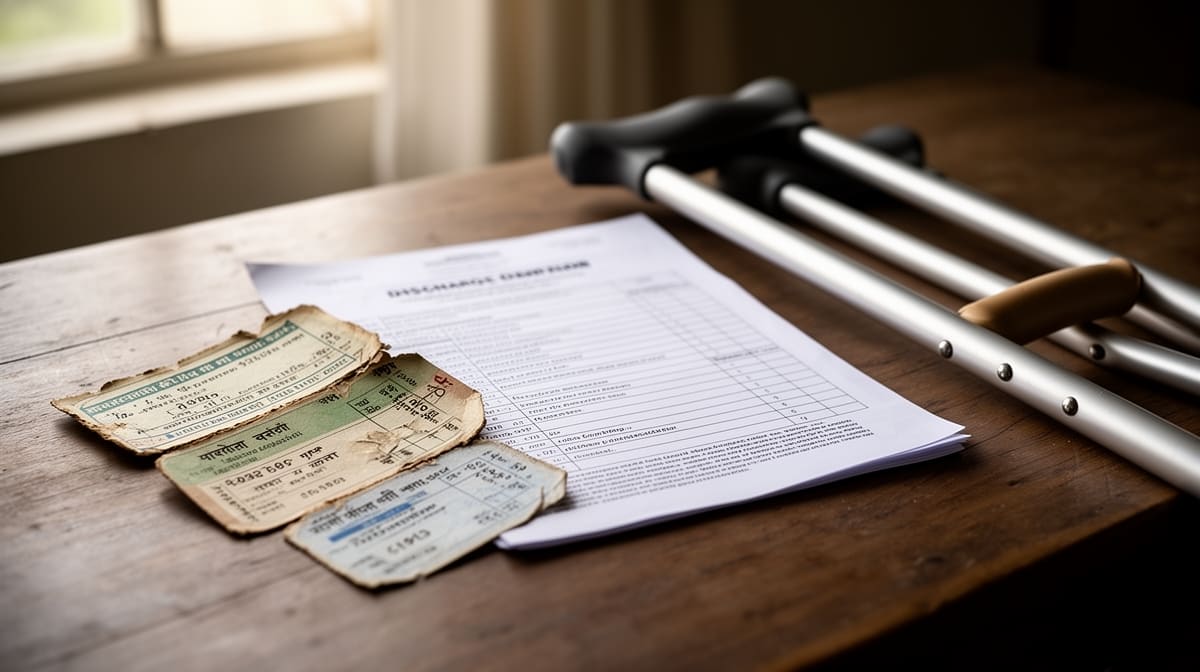
The Court further held that while the MLC and disability certificate confirmed the severity of injuries, they did not establish the manner or cause of injury. The GRP’s record of an injured person, even with a hospital visit, does not equate to proof of an untoward incident on a moving train. Absent corroboration from railway staff, CCTV, or eyewitnesses, the claim remained speculative.
The Court concluded that bona fide passenger status is a precondition to invoking the no-fault compensation regime under the Act, and without it, the question of whether the incident qualifies as "untoward" becomes irrelevant.
The Verdict
The appellant’s appeal was dismissed. The Court held that bona fide passenger status must be established through verifiable ticket evidence, and medical records alone cannot substitute for proof of lawful travel or the occurrence of an untoward incident under the Railways Act, 1989.
What This Means For Similar Cases
Passenger Status Is Not Presumed
- Practitioners must now prove valid ticket issuance on the date of incident, not merely possession of a ticket
- Ticket verification reports from railway authorities carry decisive weight
- Claims based on "I bought it that day" without documentary proof will fail
Medical Evidence Is Necessary But Insufficient
- MLCs, disability certificates, and hospital records are admissible but cannot independently establish the cause of injury
- Absent corroborative evidence (e.g., GRP logs, guard statements, CCTV), medical proof alone will not satisfy the "untoward incident" requirement
- Claimants must build a chain of evidence linking ticket, incident, and injury
No-Fault Does Not Mean No-Proof
- While Section 124-A removes the need to prove railway negligence, it does not eliminate the burden to prove passenger status and incident occurrence
- Tribunals and courts will scrutinize ticket validity with greater rigor
- Legal strategy must prioritize obtaining and preserving railway-issued verification reports at the earliest stage