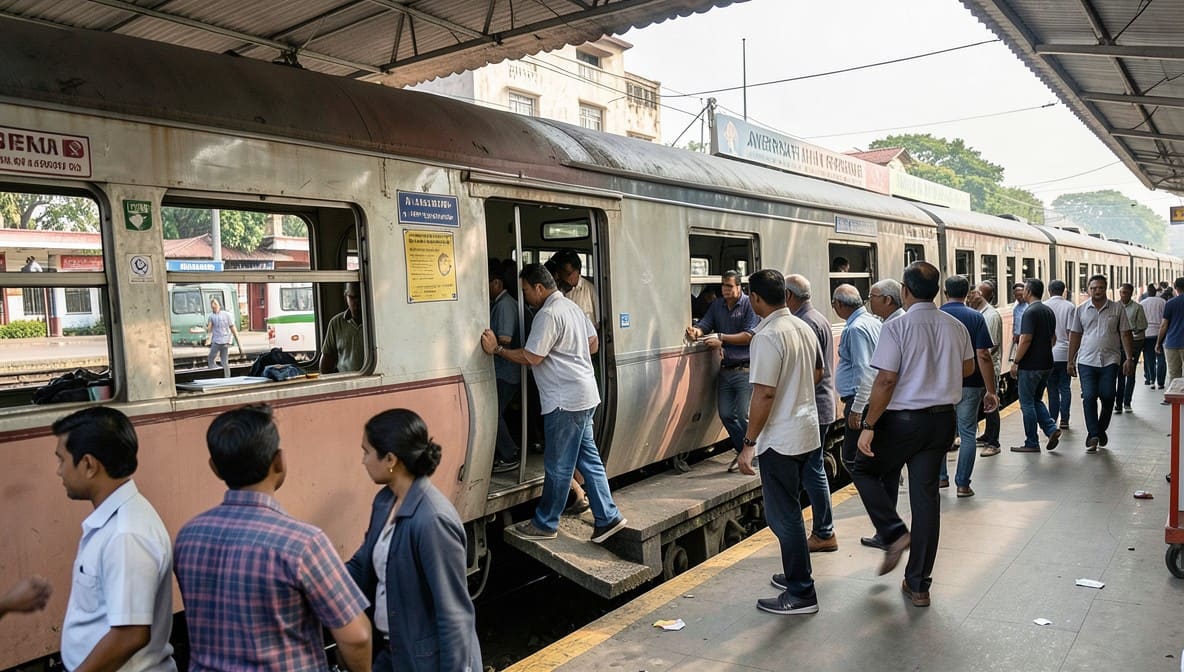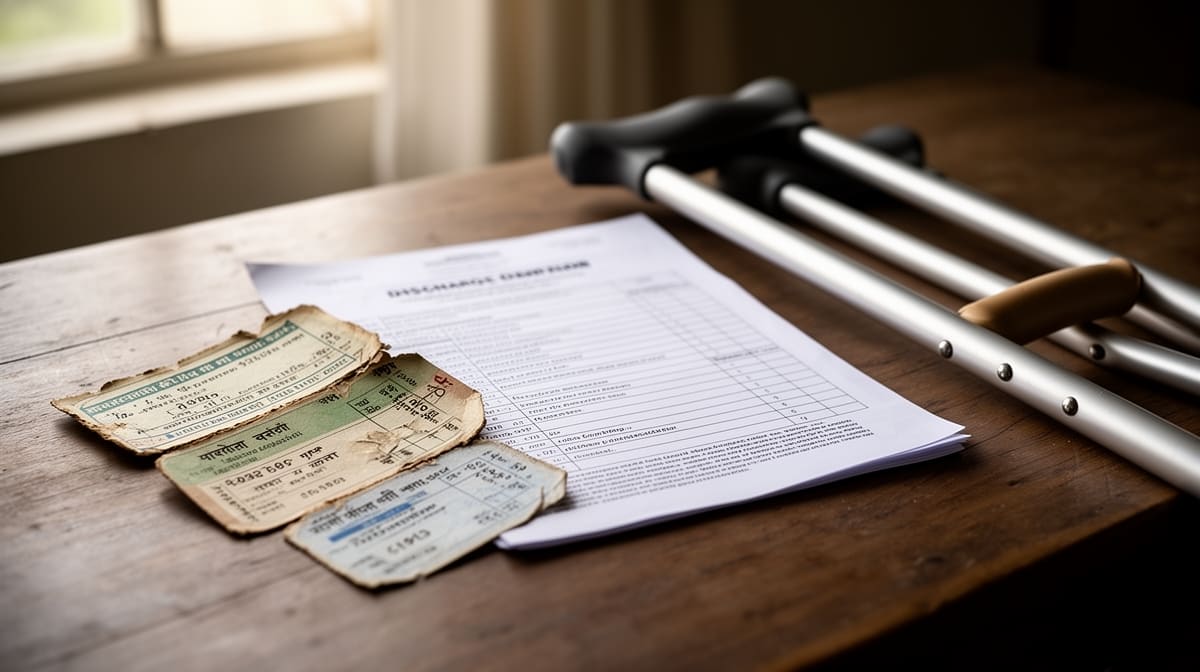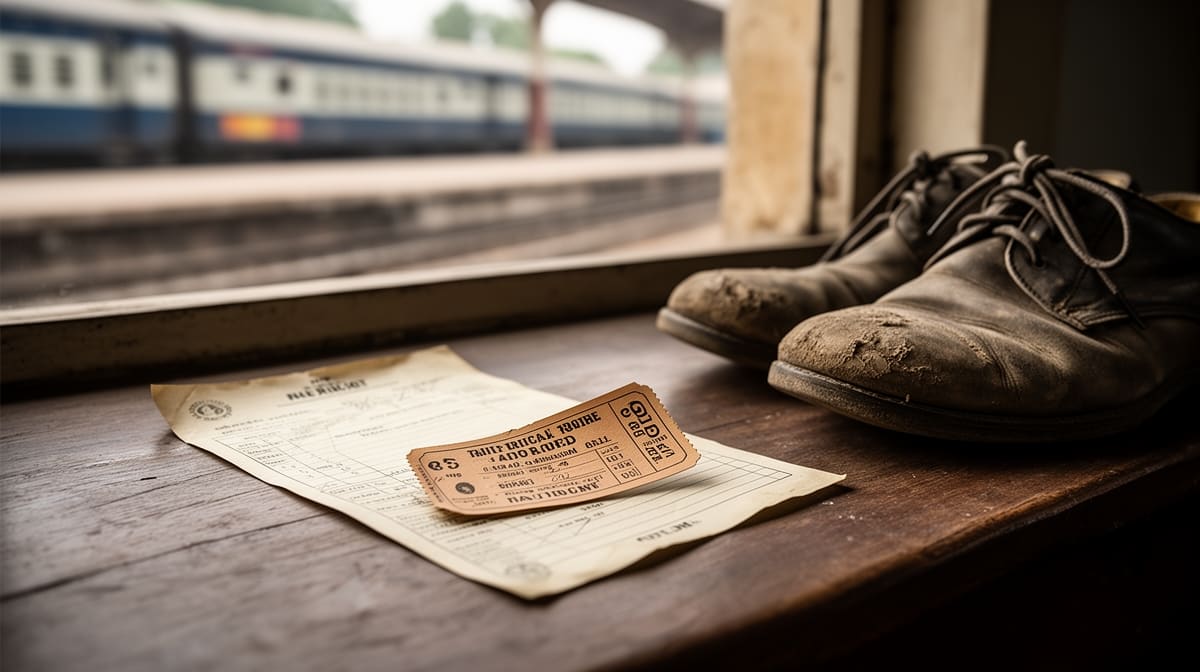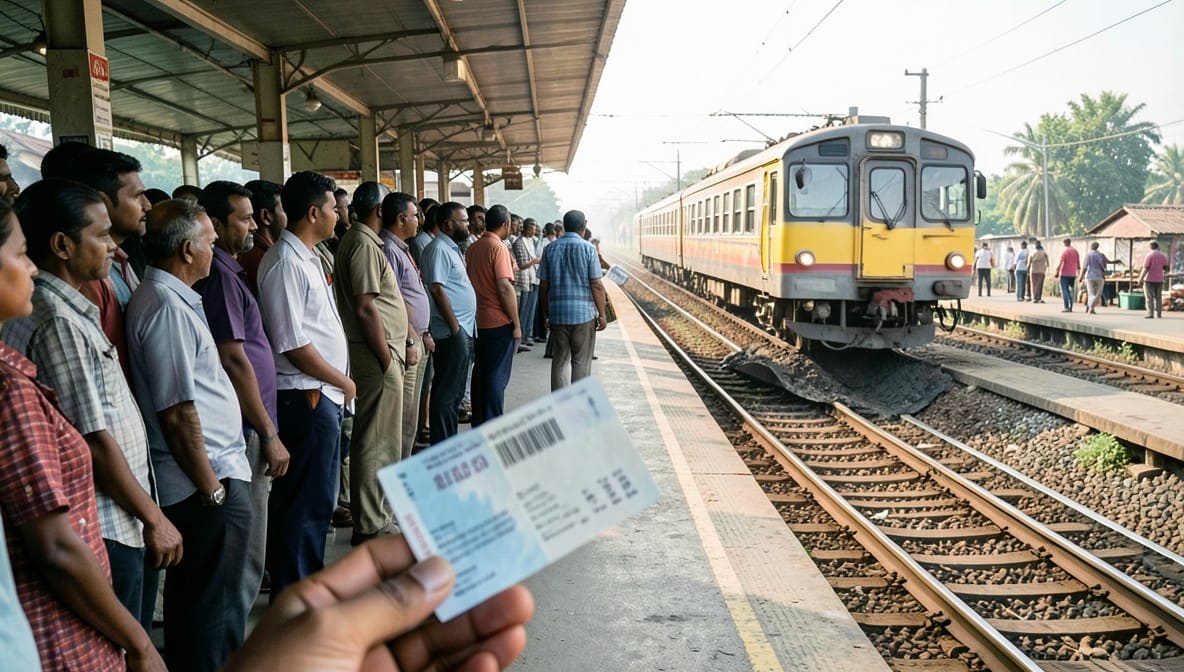
The Bombay High Court has set aside a Railway Claims Tribunal order denying compensation to the dependents of a deceased passenger, holding that the non-production of a railway ticket does not negate the status of a bona fide passenger. The Court emphasized that the initial burden on claimants can be satisfied by an affidavit and that the GRP's report mentioning the recovery of a ticket raises a presumption in favor of the claimants. The judgment underscores the importance of documentary evidence and judicial precedent in determining passenger status for compensation claims under the Railways Act.
Background & Facts
The Dispute
The appellants, comprising the deceased's family, filed a claim application under Section 16(1) read with Section 13(1-A) of the Railway Claims Tribunal Act, 1987 and Section 124-A of the Railways Act, 1989, seeking compensation for the death of Pandurang Prahlad Dhule. The incident occurred on 11th August, 2014 between Umalner and Khardi railway stations while the deceased was traveling as a bona fide railway passenger from Kasara to Kalyan railway station.
Key Facts
- The deceased was traveling from Kasara to Kalyan railway station on 11th August, 2014.
- The incident was classified as an "untoward incident" by the Railway Claims Tribunal.
- The GRP (Government Railway Police) in its inquest panchnama mentioned the recovery of a railway ticket from the deceased's possession.
- The Railway Claims Tribunal dismissed the claim application solely on the ground that the deceased was not a bona fide passenger, as the details of the ticket were not recorded in the GRP report.
- The appellants pleaded that the deceased was a bona fide passenger and had purchased a railway ticket for the journey.
Procedural History
- 11th August, 2014: Incident occurred between Umalner and Khardi railway stations.
- 2015: Claim Application No. OA (II u)/MCC/0421/2015 filed before the Railway Claims Tribunal.
- 25th February, 2020: Railway Claims Tribunal dismissed the claim application, holding that the deceased was not a bona fide passenger.
- 21st July, 2026: Present First Appeal No. 1473 of 2024 filed before the Bombay High Court.
The Parties' Positions
For the Appellants
The appellants contended that the Railway Claims Tribunal erred in rejecting the claim on the ground that the deceased was not a bona fide passenger. They argued that the GRP's report mentioning the recovery of a railway ticket raises a presumption that the deceased was a bona fide passenger. The appellants relied on judicial precedents to support their contention.
For the Respondent
The respondent, Union of India through the General Manager of Central Railway, contended that the claimants failed to produce the railway ticket on record. The respondent argued that the mere mention of a railway ticket in the inquest panchnama is insufficient to establish the deceased's status as a bona fide passenger.
The Legal Issue
The central question was whether the non-production of a railway ticket at the time of evidence negates the status of a deceased as a bona fide railway passenger, thereby disentitling the claimants to compensation under the Railways Act.
Arguments Presented
For the Appellants
- The appellants relied on the decision in Lata v. Union of India and Union of India v. Rina Devi to argue that the initial burden on claimants can be satisfied by an affidavit.
- They contended that the GRP's report mentioning the recovery of a railway ticket raises a presumption that the deceased was a bona fide passenger.
- The appellants emphasized that the Railway Claims Tribunal erred in dismissing the claim solely on the ground of non-production of the ticket details.
For the Respondent
- The respondent argued that the claimants failed to produce the railway ticket on record, which is essential to establish the deceased's status as a bona fide passenger.
- The respondent contended that the mere mention of a railway ticket in the inquest panchnama is insufficient to prove the deceased's status as a bona fide passenger.
- The respondent relied on the Railway Claims Tribunal's reasoning to support their contention.
The Court's Analysis
The Court examined the evidence on record, including the GRP's inquest panchnama, which mentioned the recovery of a railway ticket from the deceased's possession. The Court noted that the Railway Claims Tribunal had accepted that the deceased expired in an untoward incident but erred in rejecting the claim on the ground that the deceased was not a bona fide passenger.
The Court relied on the decision in Lata v. Union of India and Union of India v. Rina Devi, where the Supreme Court held that merely because the ticket of a train journey was not found on the person of the deceased, it would not change his status as a bona fide passenger. The Court emphasized that the initial burden on claimants can be satisfied by an affidavit.
"The said bag in which the ticket was allegedly kept, could not be recovered, more so by the Police. Be that as it may, we are of the view that the Courts below have erred in not awarding compensation to the appellant. The decision in Rina Devi (supra) subsequently approved by a Bench of three judges in Doli Rani Saha v. Union of India [(2024) 9 SCC 656], records that merely because the ticket of a train journey was not found on the person of the deceased, will not change his status as a bona fide passenger."
The Court held that the evidence on record raises a presumption about the ticket being found with the body of the deceased and that he was a bona fide passenger. The Court concluded that the Railway Claims Tribunal committed an error in deciding the issue against the appellants.
The Verdict
The Bombay High Court allowed the First Appeal No. 1473 of 2024. The Court set aside the impugned judgment and order dated 25th February, 2020 in Claim Application No. OA (II u)/MCC/0421/2015. The claim application was allowed, and the respondent was directed to pay a sum of Rs. 8,00,000/- or Rs. 4,00,000/-, whichever is higher, along with interest at 9% per annum from the date of the accident until payment or realization. The amount was to be paid within 8 weeks from the submission of account details by the appellants to the concerned department of the respondent.
What This Means For Similar Cases
Documentary Evidence and Presumptions
- The judgment clarifies that the non-production of a railway ticket does not automatically negate the status of a deceased as a bona fide passenger.
- The Court emphasized that the initial burden on claimants can be satisfied by an affidavit, and the GRP's report mentioning the recovery of a ticket raises a presumption in favor of the claimants.
Judicial Precedents and Consistency
- Practitioners must rely on judicial precedents such as Lata v. Union of India and Union of India v. Rina Devi to argue that the initial burden on claimants can be satisfied by an affidavit.
- The judgment underscores the importance of consistency in applying judicial precedents to similar factual scenarios.
Procedural Compliance and Evidence
- Claimants should ensure that all relevant documents, including affidavits, are filed to support their claims.
- The judgment highlights the significance of procedural compliance and the proper appreciation of evidence by tribunals and courts.