Topic

Public Law

Public law in India governs the relationship between individuals and the state, including judicial review of administrative actions, fundamental rights enforcement, and duties of public authorities under constitutional provisions like Articles 226 and 21.

35 articlesLatest August 2026
No Permit Needed for Intra-State Cattle Transport; Vehicle Confiscation Quashed & Compensation Awarded | Section 5A UP Cow Slaughter (Prevention) Act : Allahabad HC
Case Law Analysis
|Allahabad High Court

No Permit Needed for Intra-State Cattle Transport; Vehicle Confiscation Quashed & Compensation Awarded | Section 5A UP Cow Slaughter (Prevention) Act : Allahabad HC

Transporting cattle within Uttar Pradesh does not require a permit under Section 5A of the Cow Slaughter (Prevention) Act, so the seizure of the petitioner’s Tata Ace was unlawful. The High Court ordered its release and awarded compensation for loss of livelihood. The ruling clarifies transport requirements for intra-state cattle traders across the state.
Public Trust Doctrine | Mandamus Issued to Remove Encroachments on Revenue-Recorded Pond Land Under U.P. Revenue Code : Allahabad HC
Case Law Analysis
|Allahabad High Court

Public Trust Doctrine | Mandamus Issued to Remove Encroachments on Revenue-Recorded Pond Land Under U.P. Revenue Code : Allahabad HC

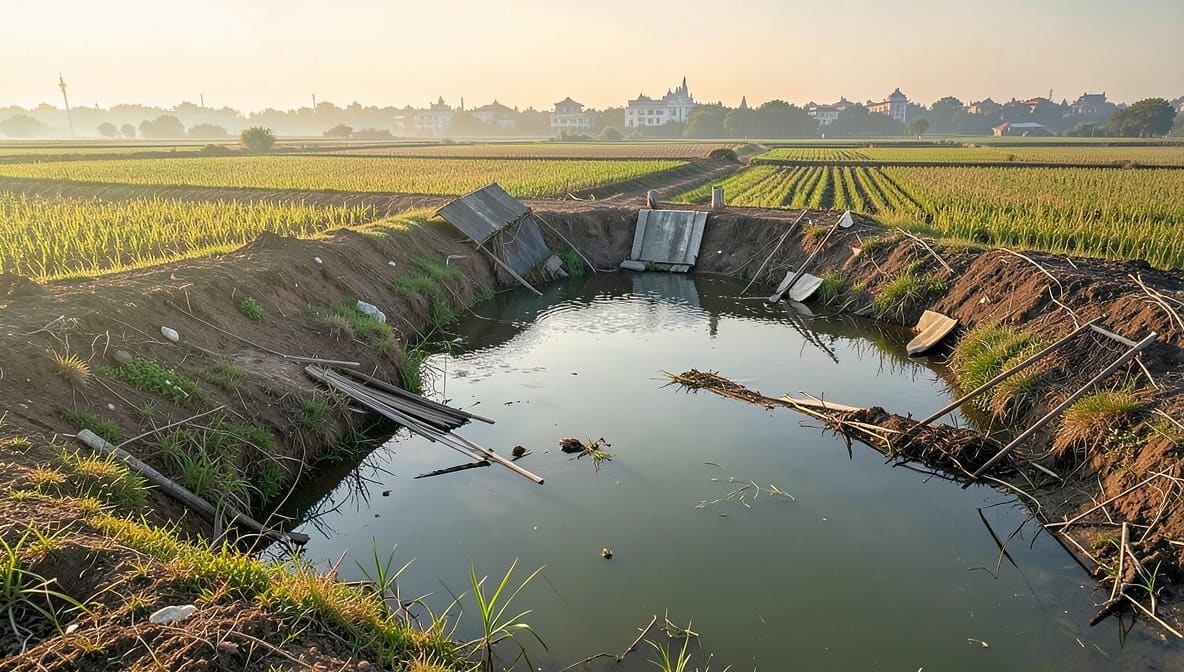
The Allahabad High Court has directed the Tehsildar to decide pending encroachment cases on revenue-recorded pond land within three months, reinforcing that public utility land held in trust cannot be lawfully occupied. This ruling strengthens accountability for local revenue authorities and affirms that encroachments on community water bodies violate the Public Trust Doctrine, affecting thousands of citizens reliant on such lands for ecological and livelihood security.

Section 14(1)(g) MVP Act | Payment to Relative for Non-Existent Work Does Not Constitute 'Interest in Panchayat Work' : Bombay HC
Case Law Analysis
|Bombay High Court

Section 14(1)(g) MVP Act | Payment to Relative for Non-Existent Work Does Not Constitute 'Interest in Panchayat Work' : Bombay HC

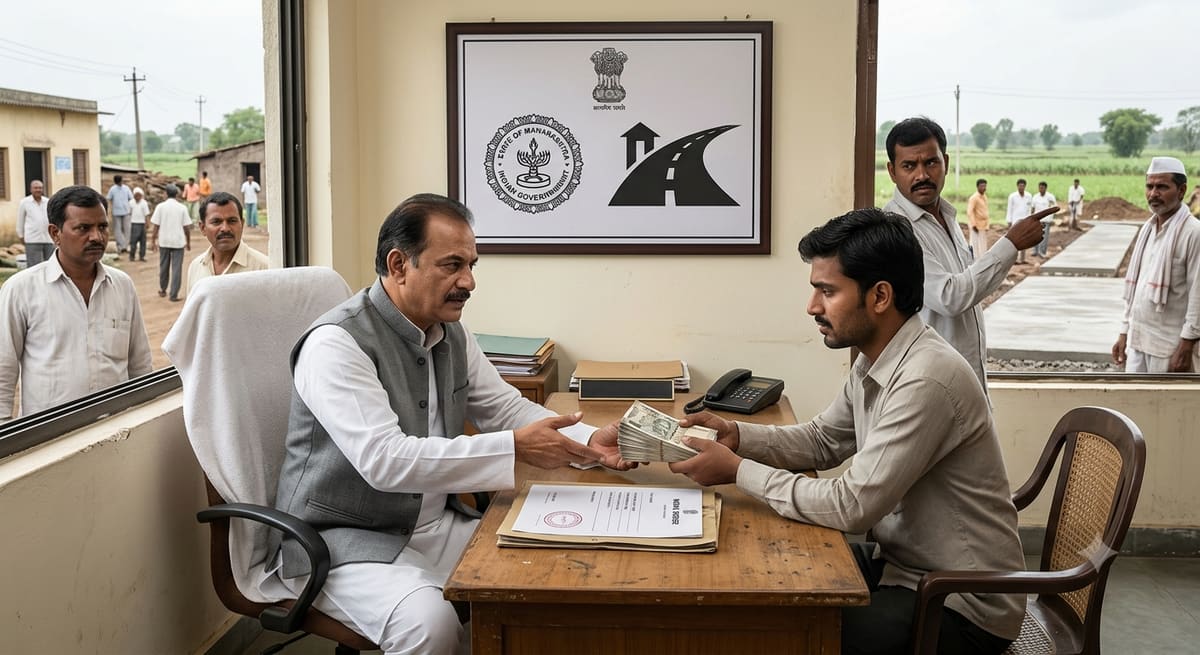
The Bombay High Court has ruled that disbursing funds to a family member for work that never occurred cannot trigger disqualification under Section 14(1)(g) of the Maharashtra Village Panchayats Act. This sets a critical precedent: financial transactions with relatives, absent actual involvement in panchayat functions, do not amount to conflict of interest-protecting elected representatives from overbroad interpretations of disqualification.

Promissory Estoppel & Article 14 | State Cannot Withdraw EPC Contract Without Contractor Default: Rajasthan HC
|Rajasthan High Court

Promissory Estoppel & Article 14 | State Cannot Withdraw EPC Contract Without Contractor Default: Rajasthan HC

The Rajasthan High Court struck down the Jaipur Development Authority’s unilateral withdrawal of an EPC contract for the OTS Flyover, holding that invoking Clause 32 without evidence of contractor default violates both Article 14 and the doctrine of promissory estoppel. This ruling reinforces that state agencies cannot arbitrarily revoke contracts merely on policy grounds, setting a critical precedent for infrastructure contractors relying on state assurances.

Article 39A | Contractual Legal Aid Counsels Must Remain in Place Until SC Rules on NALSA Scheme: HP HC
Case Law Analysis
|Himachal Pradesh High Court

Article 39A | Contractual Legal Aid Counsels Must Remain in Place Until SC Rules on NALSA Scheme: HP HC

The Himachal Pradesh High Court has ordered the immediate continuation of contractual legal aid defence counsels, holding that their abrupt termination would violate the constitutional guarantee of access to justice under Article 39A. This interim measure ensures that indigent accused do not lose representation while the Supreme Court deliberates on the legality of NALSA’s 2022 scheme to restructure legal aid appointments.

Public Drain as Revenue-Recorded Asset | Encroachment Must Be Removed to Preserve Drainage Flow and Prevent Urban Flooding: Allahabad HC
|Allahabad High Court

Public Drain as Revenue-Recorded Asset | Encroachment Must Be Removed to Preserve Drainage Flow and Prevent Urban Flooding: Allahabad HC

The Allahabad High Court has ordered the District Magistrate of Azamgarh to demarcate and clear all encroachments on a revenue-recorded public drain, affirming that such drains cannot terminate abruptly due to private construction. This ruling reinforces that revenue records confer public easement rights, and obstructing natural water flow violates public safety and environmental integrity under Article 21.

Jharkhand Public Land Encroachment Act | Statutory Procedure Under Section 3 Mandatory, PIL Remedy Barred : Jharkhand HC
Case Law Analysis
|Jharkhand High Court

Jharkhand Public Land Encroachment Act | Statutory Procedure Under Section 3 Mandatory, PIL Remedy Barred : Jharkhand HC

Jharkhand High Court rules that complaints regarding public land encroachment must follow the statutory procedure under Section 3 of the Jharkhand Public Land Encroachment Act, 2000, dismissing a PIL seeking direct court intervention. The judgment reinforces that statutory remedies are exclusive and preclude judicial bypass via PIL for such disputes.

Article 243G Accountability | Mandamus Mandatory for Recovery & FIR on Conclusive Inquiry Report of Public Fund Misappropriation : CGHC
Case Law Analysis
|Chhattisgarh High Court

Article 243G Accountability | Mandamus Mandatory for Recovery & FIR on Conclusive Inquiry Report of Public Fund Misappropriation : CGHC

Chhattisgarh High Court rules that a conclusive inquiry report establishing misappropriation of public funds by Gram Panchayat officials imposes a mandatory duty on authorities to recover the funds and register an FIR. Failure to act violates constitutional accountability under Article 243G, empowering citizens to seek judicial intervention for enforcement of statutory duties.

Section 39 Maharashtra Village Panchayat Act | Systematic Tender Violations Amount to Misconduct Justifying Sarpanch Removal : Bombay HC
Case Law Analysis
|Bombay High Court

Section 39 Maharashtra Village Panchayat Act | Systematic Tender Violations Amount to Misconduct Justifying Sarpanch Removal : Bombay HC

Bombay HC clarifies that repeated administrative lapses, particularly systematic violations of tender rules, constitute misconduct under the Maharashtra Village Panchayat Act, justifying removal of an elected Sarpanch. The ruling sets a precedent for holding local self-government officials accountable for statutory breaches beyond mere procedural errors.

Section 22 Tamil Nadu HR & CE Act | Mandamus Issued for Six-Week Disposal of Temple Mismanagement Representations : Madras HC
Case Law Analysis
|Madras High Court

Section 22 Tamil Nadu HR & CE Act | Mandamus Issued for Six-Week Disposal of Temple Mismanagement Representations : Madras HC

The Madras High Court ruled that the Commissioner of Revenue Administration must dispose of representations alleging temple mismanagement within six weeks under Section 22 of the Tamil Nadu Hindu Religious and Charitable Endowments Act. Failure to act within this timeline violates statutory duty, empowering devotees and trustees to seek judicial redress for administrative delays.

Tribal Skill Development Scheme, 2015 | Grant Release Triggered by Training Completion, Not Placement : Bombay HC
Case Law Analysis
|Bombay High Court

Tribal Skill Development Scheme, 2015 | Grant Release Triggered by Training Completion, Not Placement : Bombay HC

The Bombay High Court ordered the release of Rs. 28.7 lakh to Shanti Seva Nidhi, ruling that under the 2015 Tribal Skill Development Scheme, financial disbursement is contingent solely on successful completion of the curriculum and certification-not on securing employment afterward. This sets a critical precedent for tribal training institutions nationwide, ensuring funding security for programs focused on skill upliftment over job placement metrics.

Land Reforms Act Vesting Imposes Non-Delegable State Duty to Maintain Religious Amenities: Jharkhand HC
Case Law Analysis
|Jharkhand High Court

Land Reforms Act Vesting Imposes Non-Delegable State Duty to Maintain Religious Amenities: Jharkhand HC

Jharkhand High Court quashed the State's transfer of a pilgrim guesthouse on Parasnath Hill, holding that land vested under the Land Reforms Act creates an irrevocable obligation on the State to maintain religious amenities for public worship. The ruling reinforces that administrative convenience cannot override statutory vesting obligations, impacting all vested religious sites under state management.

Judicial Oversight of Sabarimala Master Plan | Kerala HC Appoints New Chairman for Time-Bound, Ecologically Compliant Implementation : Kerala HC
Case Law Analysis
|Kerala High Court

Judicial Oversight of Sabarimala Master Plan | Kerala HC Appoints New Chairman for Time-Bound, Ecologically Compliant Implementation : Kerala HC

Kerala High Court appoints Justice Arun V.G. to chair the High Power Committee for Sabarimala Master Plan, mandating strict adherence to timelines and environmental safeguards. The ruling underscores judicial intervention to ensure institutional continuity in large-scale infrastructure projects affecting pilgrim safety and ecological conservation.

Article 226 & Public Trust Doctrine | Mandamus Mandates Timely Survey & Encroachment Removal on Public Land : Madurai HC
Case Law Analysis
|Madras High Court

Article 226 & Public Trust Doctrine | Mandamus Mandates Timely Survey & Encroachment Removal on Public Land : Madurai HC

Madurai High Court reinforces the state’s duty under Article 226 to protect public land by directing revenue authorities to conduct surveys within two weeks and remove encroachments within three months, ensuring due process. The ruling underscores the Public Trust Doctrine, mandating swift action to prevent arbitrary delays in encroachment cases.