The Jharkhand High Court has reaffirmed that statutory remedies under specialized land encroachment legislation must be exhausted before invoking public interest litigation. In dismissing a PIL seeking removal of encroachments on government land, the Court emphasized that procedural compliance with the Jharkhand Public Land Encroachment Act, 2000, is not optional but mandatory.
Background & Facts
The Dispute
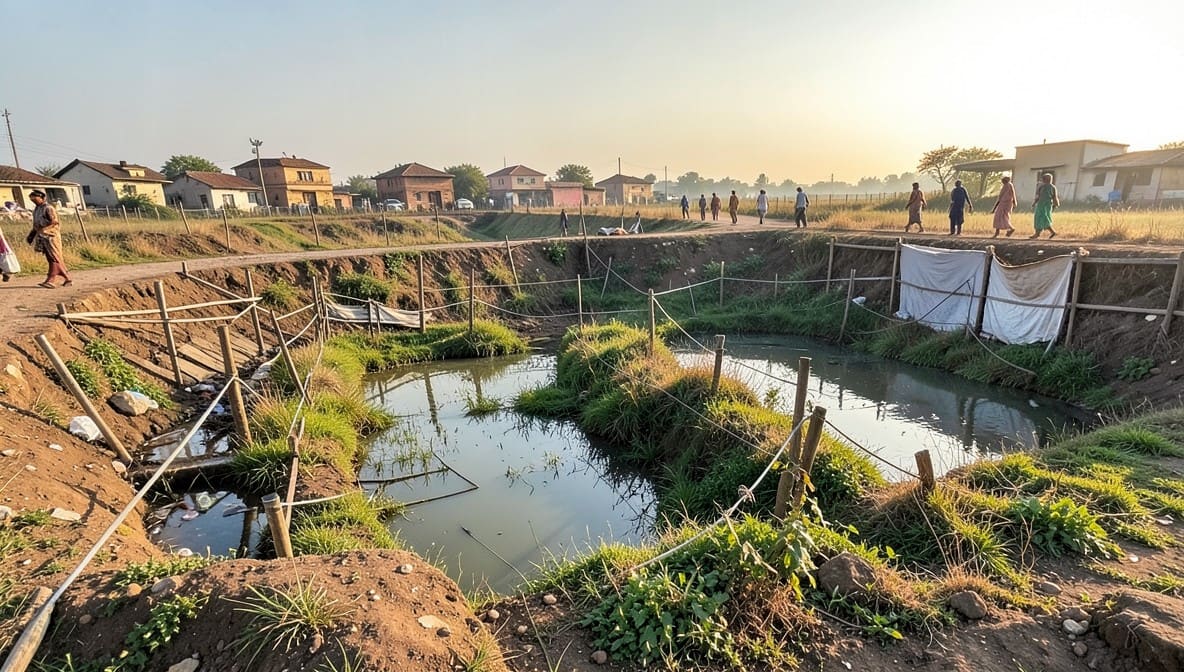
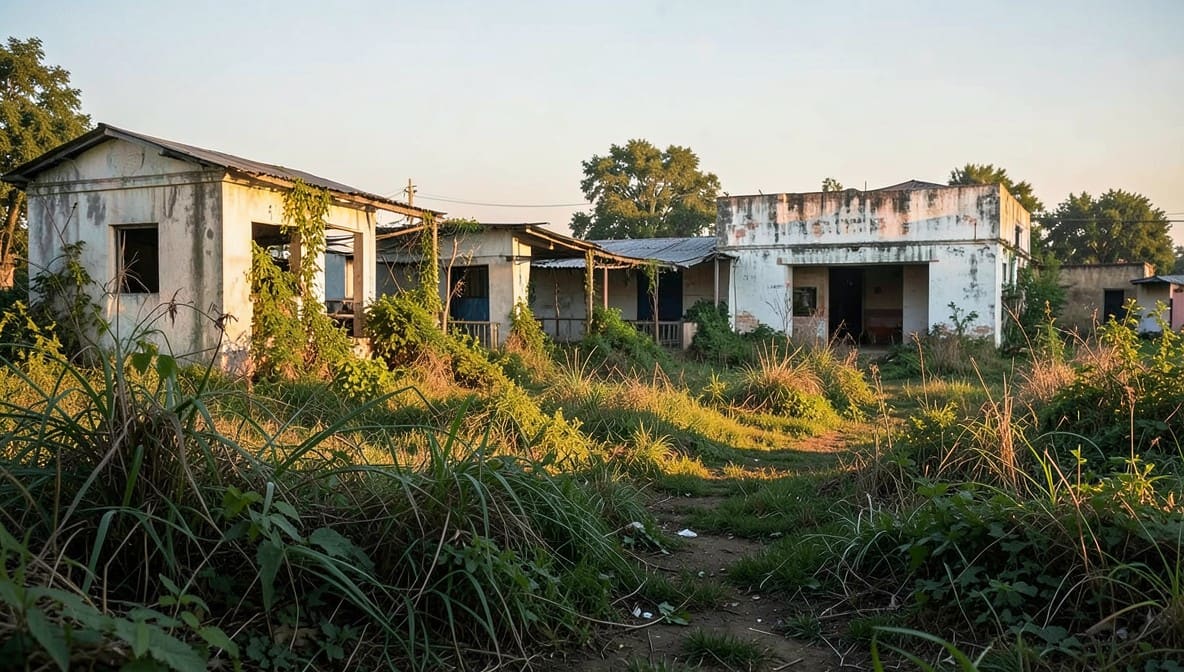
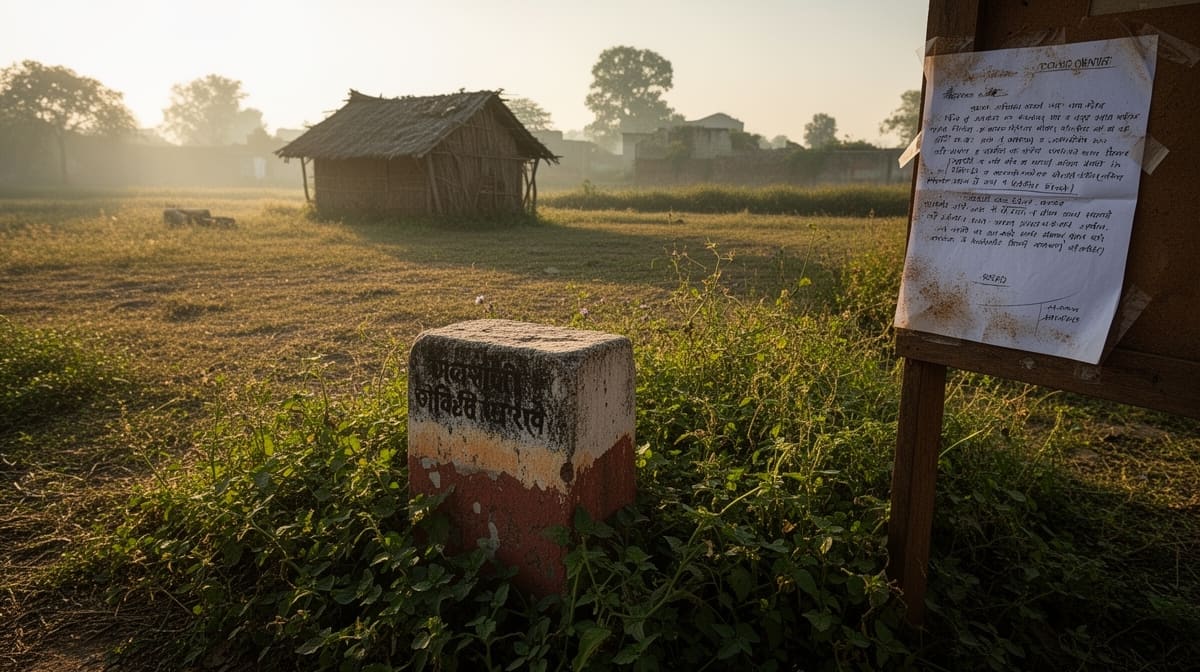
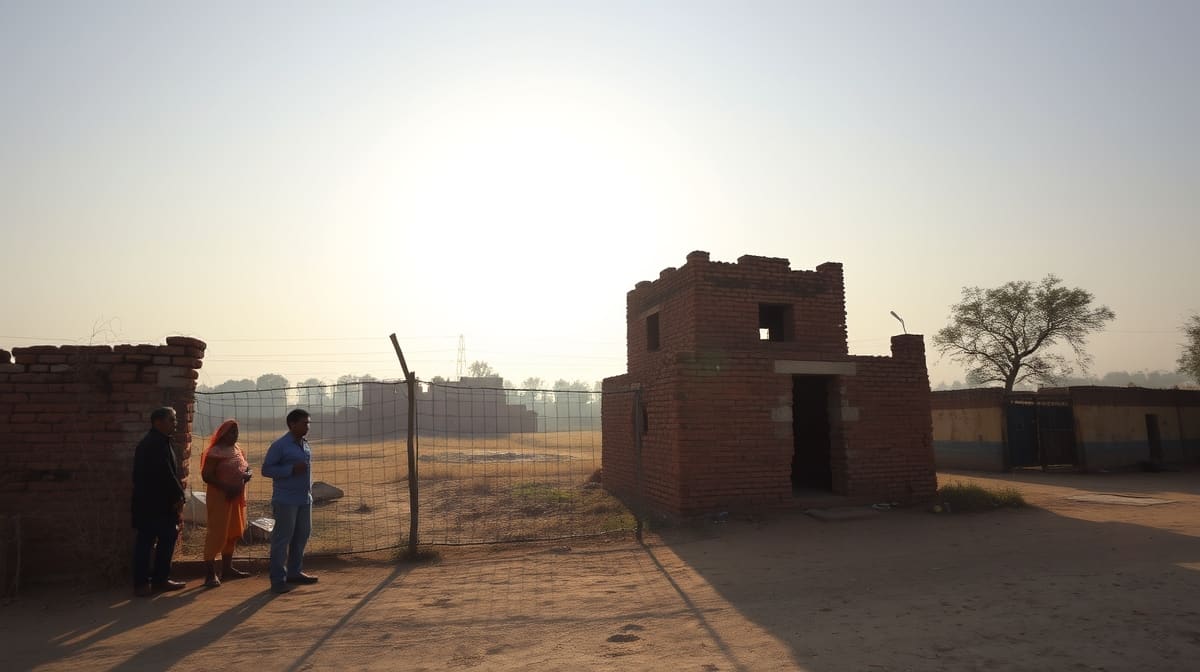
The petitioner, Anjuman Committee of Nagar Untari, filed a Public Interest Litigation seeking removal of alleged encroachments on government land situated in Village: Purna Nagar, P.O. & P.S.: Nagar Untari, District: Garhwa. The land is described as Old Khata No. 73, Plot No. 110, measuring 15.50 acres, classified in revenue records as "Gair Majarua Malik" land and recently surveyed as "Jungle-Jhari".
Key Facts
- The petitioner claims the land is government property under the control of the Department of Revenue, Registration and Land Reforms
- The encroachment is alleged to have persisted for years without any action by revenue authorities
- The petitioner submitted photographs and survey details as supporting material with the petition
- No prior complaint had been filed under the Jharkhand Public Land Encroachment Act, 2000
- The respondents include the State of Jharkhand, Secretary (Revenue), Deputy Commissioner, Sub-Divisional Officer, Land Reforms Deputy Collector, and Circle Officer
Procedural History
- 05.05.2026: W.P. (PIL) No. 732 of 2026 filed before the High Court of Jharkhand
- 05.05.2026: Hearing conducted before the Division Bench of Chief Justice M.S. Sonak and Justice Rajesh Shankar
- 05.05.2026: Court disposed of the petition with directions to initiate statutory proceedings
Relief Sought
The petitioner sought:
- Direction to respondents to remove encroachments on the 15.50-acre government land
- Direction to initiate action under the Jharkhand Public Land Encroachment Act, 2000
- Declaration that the encroachment is illegal and void
The Parties' Positions
The petitioner contended that the state authorities had failed in their statutory duty to protect public land. The respondents did not file a detailed written reply but appeared through the Additional Advocate General, who conceded the existence of the statutory framework but did not dispute the allegations.
The Legal Issue
The central question was whether a Public Interest Litigation is maintainable to direct removal of encroachments on public land when a comprehensive statutory mechanism under the Jharkhand Public Land Encroachment Act, 2000, already exists.
Arguments Presented
For the Petitioner
The petitioner’s counsel argued that the persistent encroachment on government land constituted a public wrong affecting community interests. He contended that the delay by revenue authorities justified direct judicial intervention under Article 226 of the Constitution. He relied on the principle that courts must act when administrative inaction results in irreversible loss of public property.
For the Respondent
The Additional Advocate General did not contest the factual allegations but submitted that the Jharkhand Public Land Encroachment Act, 2000, provides a complete and exclusive procedure for addressing encroachments. He emphasized that the Act vests exclusive authority in the Collector (designated as the Circle Officer in this case) to initiate notice, hearing, and removal proceedings.
The Court's Analysis
The Court observed that the Jharkhand Public Land Encroachment Act, 2000, is a special statute enacted to provide a detailed, structured, and fair procedure for dealing with encroachments on public land. Section 3 of the Act mandates that the Collector must issue a notice to the alleged encroacher, afford an opportunity to show cause, and pass a reasoned order after hearing.
"Since there is a substantive law in the State to deal with the issue of encroachments on public lands, we believe that the petitioner could be given the liberty to file a complaint under the said Act..."
The Court held that PILs cannot be used to bypass statutory procedures designed to ensure due process. The Act’s framework, which includes notice, hearing, and adjudication, embodies the principles of natural justice. To allow direct judicial intervention would undermine the legislative intent and displace the designated statutory authority.
The Court further clarified that it was not evaluating the truth of the allegations. The veracity of the encroachment claim, the identity of the encroachers, and the nature of the land use are matters for the Collector to determine after following the procedure under the Act.
The Court also directed that the Collector must hear the petitioner’s representative during the adjudication process, recognizing the petitioner’s legitimate interest as a community body with documented knowledge of the land.
The Verdict
The petition was dismissed without costs. The Court directed the petitioner to file a detailed complaint before the Circle Officer (acting as Collector under the Act) within 15 days. The Circle Officer must dispose of the complaint within six months, strictly following the procedure under the Jharkhand Public Land Encroachment Act, 2000, including issuance of notice, hearing the alleged encroacher, and providing the petitioner an opportunity to be heard. All contentions of the parties are left open for determination by the statutory authority.
What This Means For Similar Cases
Statutory Remedies Must Be Exhausted First
- Practitioners must file formal complaints under specialized land encroachment statutes before approaching courts via PIL
- Courts will dismiss PILs seeking enforcement of statutory duties if the statutory mechanism is available and functional
- The existence of a statutory procedure negates the necessity of extraordinary jurisdiction under Article 226
Natural Justice Is Embedded in the Statute
- The Act’s notice-and-hearing requirements satisfy the principles of natural justice
- Petitioners cannot claim denial of natural justice when the statute itself prescribes procedural safeguards
- Courts will not substitute their judgment for that of the statutory authority unless there is clear mala fide or total inaction
Role of Community Bodies in Land Protection
- Registered community organizations may act as complainants under land encroachment statutes
- Their participation in statutory proceedings is not merely permissive but may be mandated by courts to ensure transparency
- Documentation such as photographs, survey maps, and historical records submitted with complaints will be critical for evidentiary support