Topic

Customs Classification

Customs classification in India determines the correct Harmonized System Nomenclature (HSN) code for imported or exported goods, affecting duties and exemptions under the Customs Act, 1962.

17 articlesLatest August 2026
Concessional Basic Customs Duty (10%) Upheld for Mixed Polyester Warp-Knitted Fabrics | Revenue Failed to Prove Mis-classification : CESTAT
Case Law Analysis
|Custom, Excise & Service Tax Tribunal

Concessional Basic Customs Duty (10%) Upheld for Mixed Polyester Warp-Knitted Fabrics | Revenue Failed to Prove Mis-classification : CESTAT

CESTAT affirmed the importer’s classification of mixed polyester warp-knitted fabrics under tariff item 6005 9000 and upheld the 10 % concessional BCD, because the revenue could not produce technical evidence of mis-classification. The ruling shifts the evidential burden to customs authorities in similar classification disputes, benefiting textile importers.
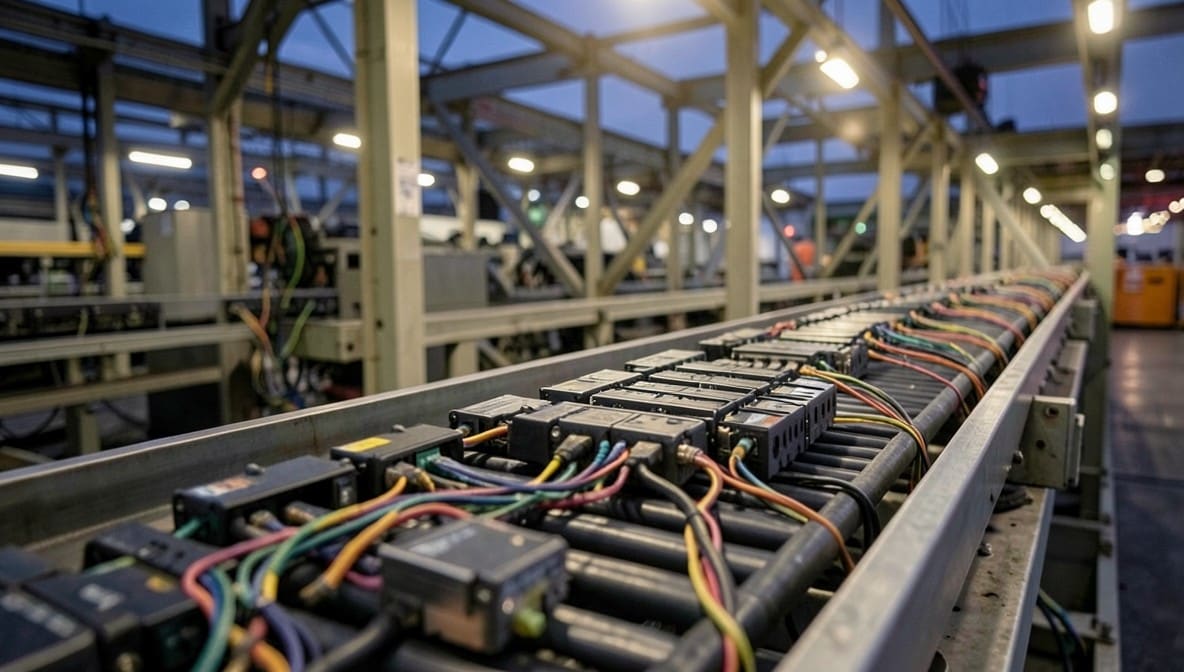
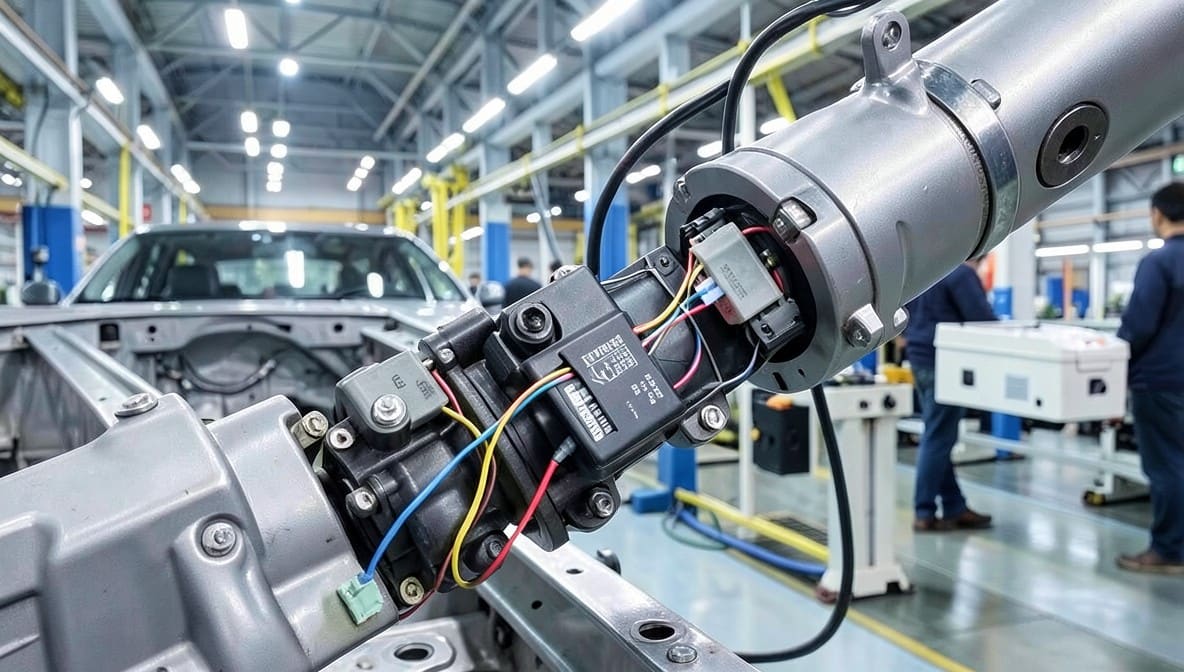
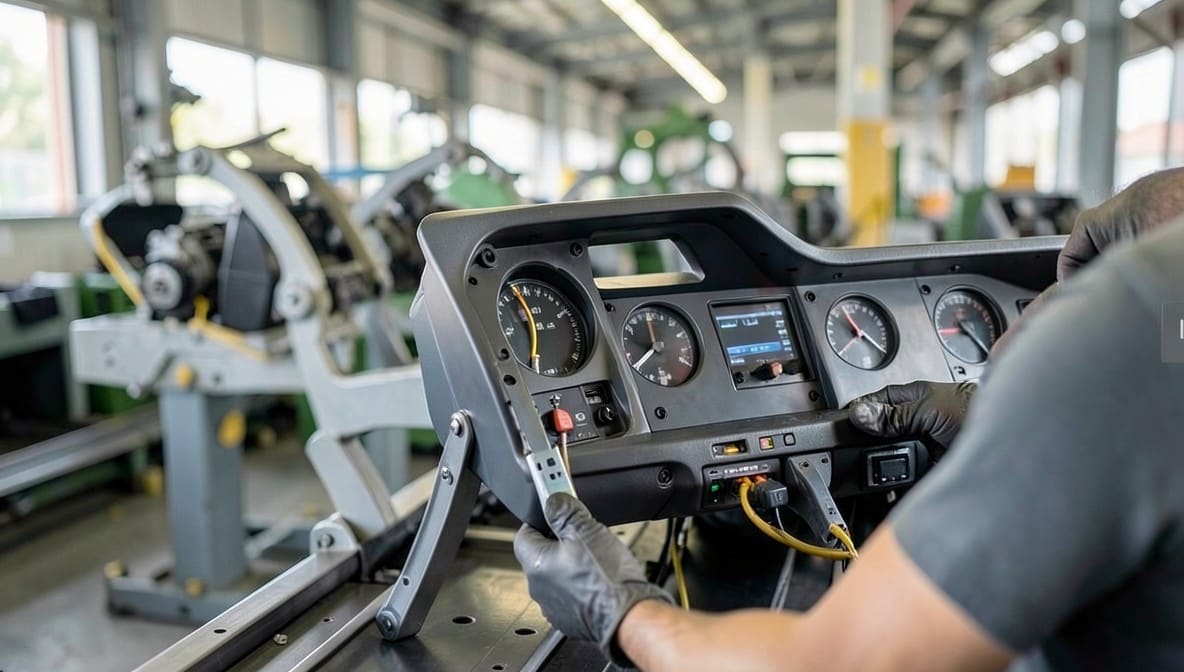
Automotive ECUs (BCM, IBU, TPMS) classified as automatic regulators under HS 9032, not as vehicle parts | Customs tariff interpretation : CESTAT Chennai
Case Law Analysis
|Custom, Excise & Service Tax Tribunal

Automotive ECUs (BCM, IBU, TPMS) classified as automatic regulators under HS 9032, not as vehicle parts | Customs tariff interpretation : CESTAT Chennai

The Chennai Customs Tribunal ruled that body control modules, integrated body units and tyre-pressure-monitor systems are to be classified under heading 9032 as automatic regulating apparatus, not under heading 8708 as vehicle parts. Consequently, importers can claim the lower concessional duty rates prescribed for 9032. The holding benefits manufacturers and importers of automotive ECUs.

CESTAT Upholds CTH 8708 94 00 Classification for EPS-ECU & Automotive Parts Under General Interpretative Rules : Delhi Bench
Case Law Analysis
|Custom, Excise & Service Tax Tribunal

CESTAT Upholds CTH 8708 94 00 Classification for EPS-ECU & Automotive Parts Under General Interpretative Rules : Delhi Bench

The Customs, Excise and Service Tax Appellate Tribunal (CESTAT), Delhi, affirmed the classification of Electronic Control Units for Electronic Power Steering (EPS-ECU) and related parts under CTH 8708 94 00, dismissing appeals challenging differential duty demands. The ruling reinforces binding precedent on tariff classification under the General Interpretative Rules, impacting automotive manufacturers and importers.

Section 112(a) Customs Act | Consistent Past Classification Acceptance Bars Extended Period Duty Demand: CESTAT Chennai
Case Law Analysis
|Custom, Excise & Service Tax Tribunal

Section 112(a) Customs Act | Consistent Past Classification Acceptance Bars Extended Period Duty Demand: CESTAT Chennai

CESTAT Chennai rules that when customs authorities have consistently accepted a tariff classification over years, the department cannot later allege suppression to extend the limitation period for duty demand. This protects importers and logistics firms from retrospective penalties when classifications were openly and repeatedly approved, reinforcing legal certainty in trade compliance.

Mono Potassium Phosphate Classified as Fertiliser Under CTH 31056000, Not Chapter 28 | CESTAT Chennai Rejects Outdated CBEC Circular
Case Law Analysis
|Custom, Excise & Service Tax Tribunal

Mono Potassium Phosphate Classified as Fertiliser Under CTH 31056000, Not Chapter 28 | CESTAT Chennai Rejects Outdated CBEC Circular

CESTAT Chennai rules that bulk mono potassium phosphate qualifies as a fertiliser under CTH 31056000, rejecting Revenue’s attempt to reclassify it under Chapter 28 based on a 2001 circular now rendered obsolete by evolving agricultural standards. This sets a binding precedent for importers of specialty fertilisers, ensuring tariff accuracy and aligning classification with current industry use.

CTH 9013 | LCD Panels for Automotive Instrument Clusters Not 'Parts of Motor Vehicles' Under Specificity Doctrine : CESTAT Chennai
Case Law Analysis
|Custom, Excise & Service Tax Tribunal

CTH 9013 | LCD Panels for Automotive Instrument Clusters Not 'Parts of Motor Vehicles' Under Specificity Doctrine : CESTAT Chennai

CESTAT Chennai rules that LCD panels, even when custom-designed for vehicle instrument clusters, cannot be classified as motor vehicle parts under CTH 8708/8714 because they are more specifically covered under CTH 9013 as liquid crystal devices. This clarifies that mere integration into a vehicle does not override the principle of specific tariff headings over use-based classification, impacting importers of electronics for automotive use nationwide.

Customs Classification | Mere Processing Without Suppression Does Not Trigger Extended Limitation Under Section 28(4) : CESTAT Kolkata
Case Law Analysis
|Custom, Excise & Service Tax Tribunal

Customs Classification | Mere Processing Without Suppression Does Not Trigger Extended Limitation Under Section 28(4) : CESTAT Kolkata

CESTAT Kolkata rules that CRCL reports stating goods 'appear to be processed' are insufficient to prove intentional misdeclaration, and thus cannot justify invoking the extended limitation period under Section 28(4) of the Customs Act. This protects importers from punitive duties based on ambiguous technical assessments, reinforcing that classification disputes are not fraud unless suppression is proven.

Customs Classification | Product Must Be Marketed as Insecticide for Tariff Classification Under Insecticides Act, Not Just Contain Alkaloids : CESTAT Hyderabad
Case Law Analysis
|Custom, Excise & Service Tax Tribunal

Customs Classification | Product Must Be Marketed as Insecticide for Tariff Classification Under Insecticides Act, Not Just Contain Alkaloids : CESTAT Hyderabad

CESTAT Hyderabad ruled that goods containing alkaloids cannot be classified as insecticides under the Insecticides Act solely based on chemical content; classification requires clear commercial intent, market identity, and evidence of use as an insecticide. This sets a critical precedent for agrochemical importers and customs authorities, shifting focus from composition to commercial reality.

Customs Classification | Inconclusive IS Standard Lab Reports Cannot Justify Confiscation; Benefit of Doubt Favors Importer : CESTAT Ahmedabad
Case Law Analysis
|Custom, Excise & Service Tax Tribunal

Customs Classification | Inconclusive IS Standard Lab Reports Cannot Justify Confiscation; Benefit of Doubt Favors Importer : CESTAT Ahmedabad

CESTAT Ahmedabad rules that test reports failing to verify mandatory parameters under IS 14314:1995 and IS 1745:2018 are legally inadequate for confiscation. Importers are entitled to benefit of doubt when labs omit critical data like aromatic hydrocarbon content, reinforcing strict compliance with Indian Standards for accurate tariff classification.

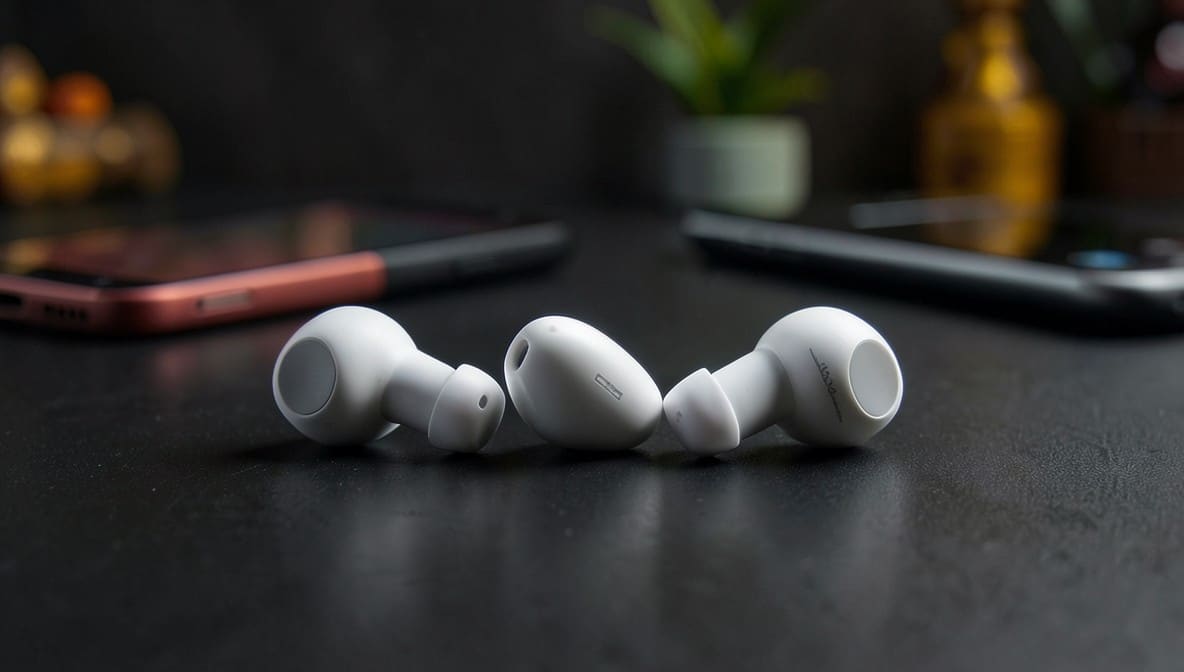
GRI 1 & Eo Nomine Rule | Bluetooth Earphones Classifiable as Audio Devices (CTI 8518), Not Data Transmission (CTI 8517) : CESTAT
Case Law Analysis
|Custom, Excise & Service Tax Tribunal

GRI 1 & Eo Nomine Rule | Bluetooth Earphones Classifiable as Audio Devices (CTI 8518), Not Data Transmission (CTI 8517) : CESTAT

CESTAT rules that Bluetooth earphones' primary function is sound reproduction, not data transmission, classifying them under CTI 8518 (15% duty) instead of CTI 8517 (10% duty). The decision clarifies classification disputes under General Interpretative Rule 1 and the eo nomine provision, impacting importers of wireless audio devices.

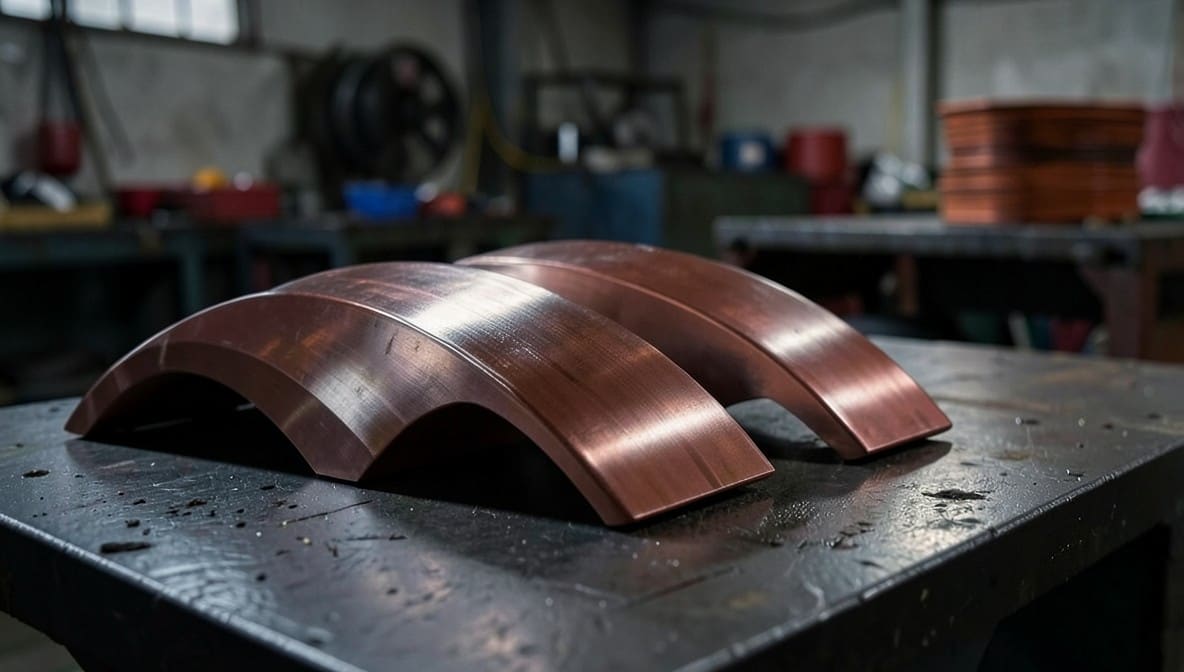
General Rules of Interpretation | Curved Molybdenum Mirrors/Shields Classifiable as 'Other Articles' Under CTH 81029900, Not Flat Sheets : CESTAT
Case Law Analysis
|Custom, Excise & Service Tax Tribunal

General Rules of Interpretation | Curved Molybdenum Mirrors/Shields Classifiable as 'Other Articles' Under CTH 81029900, Not Flat Sheets : CESTAT

CESTAT rules that curved molybdenum mirrors/shields, despite being made from sheets, acquire a distinct functional identity and must be classified under CTH 81029900 at 10% BCD, not as flat sheets under CTH 810295. The decision underscores the application of the General Rules of Interpretation in customs law, impacting importers and tax authorities in tariff disputes.

Essential Character Doctrine | Wheelchairs with Integrated Toileting Facilities Remain Classifiable Under HSN 8713 for Exemption: CESTAT Chennai
Case Law Analysis
|Custom, Excise & Service Tax Tribunal

Essential Character Doctrine | Wheelchairs with Integrated Toileting Facilities Remain Classifiable Under HSN 8713 for Exemption: CESTAT Chennai

CESTAT Chennai rules that adding toileting functionality to a wheelchair does not reclassify it as a commode chair under HSN 9402, as long as mobility remains its essential purpose. This clarifies that assistive devices combining multiple health functions retain exemption eligibility under Notification 12/2012-Cus. if their primary design serves mobility for persons with disabilities.

CRCL Test Reports Sufficient for Customs Tariff Classification Without Additional Evidence: CESTAT Ahmedabad
Case Law Analysis
|Custom, Excise & Service Tax Tribunal

CRCL Test Reports Sufficient for Customs Tariff Classification Without Additional Evidence: CESTAT Ahmedabad

CESTAT Ahmedabad ruled that Central Revenues Control Laboratory (CRCL) test reports alone are adequate for determining customs tariff classification, remanding the case for re-determination. The decision underscores that importers cannot be denied duty exemptions solely due to procedural lapses in sharing test reports if the substantive findings are conclusive.

CVD/SAD Credit on Imported Software Cannot Be Recovered as Excise Duty | CESTAT Chennai Bars Jurisdictional Overreach by Central Excise : CESTAT
Case Law Analysis
|Custom, Excise & Service Tax Tribunal

CVD/SAD Credit on Imported Software Cannot Be Recovered as Excise Duty | CESTAT Chennai Bars Jurisdictional Overreach by Central Excise : CESTAT

CESTAT Chennai rules that Central Excise authorities lack jurisdiction to challenge Customs classification of imported software, as CVD/SAD credit cannot be treated as excise duty. The ruling protects importers from retrospective demands based on disputed classifications, reinforcing the finality of Customs assessments.

CRCL Test Reports Must Be Categorical to Prove Misdeclaration Under Customs Act : CESTAT Chandigarh Sets Evidentiary Standard
Case Law Analysis
|Custom, Excise & Service Tax Tribunal

CRCL Test Reports Must Be Categorical to Prove Misdeclaration Under Customs Act : CESTAT Chandigarh Sets Evidentiary Standard

CESTAT Chandigarh ruled that ambiguous CRCL test reports merely stating goods 'have characteristics of base oil' fail to meet the evidentiary threshold for misdeclaration under the Customs Act. The judgment mandates clear, categorical test reports to sustain allegations of misclassification, impacting importers and customs authorities alike.