The Customs, Excise & Service Tax Appellate Tribunal, Chennai, has clarified that mono potassium phosphate in fertiliser grade, imported in bulk, must be classified under CTH 31056000 as a fertiliser, not under Chapter 28 as a pure chemical compound. This decision reinforces the principle that end-use context and product form, not merely chemical composition, govern tariff classification when the Harmonized System explicitly provides for category-based distinctions.
Background & Facts
The Dispute
The appellant, Coromandel International Ltd., imported mono potassium phosphate (MKP) in fertiliser grade for agricultural use. At the time of import, the company declared the goods under CTH 31056000, attracting a basic customs duty (BCD) of 5%, countervailing duty (CVD) of 1%, and no special additional duty (SAD). The Revenue disputed this classification, asserting that the product should be classified under CTH 28352400, which attracts higher duties and is reserved for chemically defined inorganic compounds not intended for use as fertilisers.
Key Facts
- The imported goods were mono potassium phosphate (KH2PO4), a compound containing potassium and phosphorus - two of the three primary macronutrients essential for plant growth
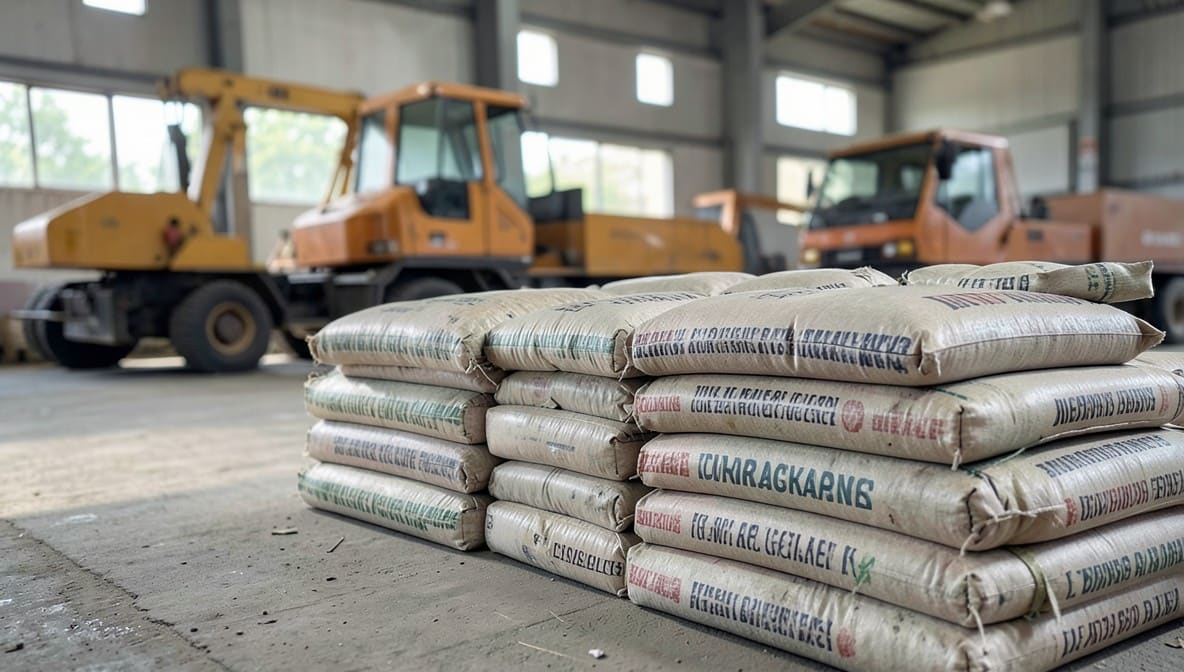
- The product was imported in bulk form, not in packaged retail form
- The appellant held valid import licences issued by the Government of Maharashtra under the Fertilizer (Control) Order, 1985
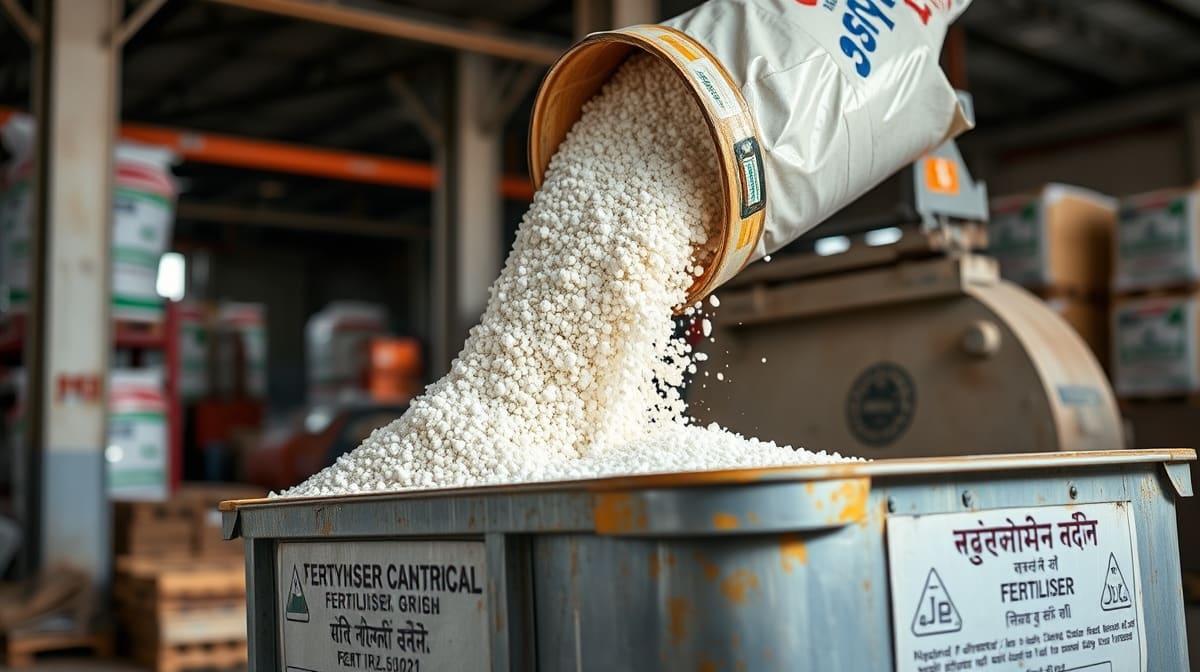
- The product was intended exclusively for agricultural use as a fertiliser
- The Revenue relied solely on CBEC Circular No. 44/2001 dated 06.08.2001 to justify reclassification
- The circular, originally issued to clarify classification of calcium nitrate, was applied by the Revenue to mono potassium phosphate despite no explicit reference to it
Procedural History
- 13.09.2012: Show Cause Notice (SCN) issued by the adjudicating authority proposing reclassification under CTH 28352400 and demand of additional duty under Section 28(1) of the Customs Act, 1962
- Nil.05.2016: Order-in-Original No. 47497/2016 passed confirming the SCN and reclassifying the goods under CTH 28352400
- 23.08.2016: Commissioner of Customs (Appeals - II) dismissed the first appeal (C. Cus. II No. 813/2016), upholding the reclassification
- 28.01.2026: Hearing before CESTAT Chennai
- 27.05.2026: Final order passed by CESTAT Chennai
Relief Sought
The appellant sought setting aside of the impugned orders dated 23.08.2016 and 05.2016, restoration of the original classification under CTH 31056000, refund of excess duty paid with interest, and cancellation of interest demands under Section 28AA.
The Legal Issue
The central question was whether mono potassium phosphate in fertiliser grade, imported in bulk and intended for agricultural use, should be classified under CTH 31056000 as a fertiliser or under CTH 28352400 as a chemically defined inorganic compound.
Arguments Presented
For the Appellant
The appellant’s counsel, Shri S. Muthuvenkataraman, relied on the binding precedent of Commissioner of Customs (Import), Nhava Sheva v. Solufeed Plant Product & Services Pvt. Ltd. (2018 (4) TMI 1346 - CESTAT Mumbai) and its reliance on Vardhaman Fertilisers and Seeds Private Limited v. CCE, Pune (2017 (345) ELT 560 - Tri. Mumbai). He argued that Chapter 31 of the Customs Tariff Act, 1975, is specifically designed for fertilisers, and the Harmonized System Explanatory Notes exclude only separately defined chemical compounds not put up in forms and packages described under heading 3105. Since the imported MKP was in bulk and intended for agricultural use, it fell squarely within Chapter 31. He further contended that Circular 44/2001, which dealt with calcium nitrate, was inapplicable by analogy to mono potassium phosphate.
For the Respondent
The Revenue, represented by Ms. Rajni Menon, argued that mono potassium phosphate is a chemically defined inorganic compound and therefore must be classified under Chapter 28. It relied exclusively on Circular 44/2001, asserting that the circular’s principle - that chemically defined compounds belong in Chapter 28 - applied by default. The Revenue did not dispute the end-use or bulk nature of the product but insisted that chemical purity alone dictated classification.
The Court's Analysis
The Tribunal conducted a detailed analysis of the Harmonized System Nomenclature, the Explanatory Notes to Chapter 31, and the binding precedent from the Mumbai Bench. It observed that Chapter 31 is exclusively devoted to fertilisers, and the term ‘fertiliser’ inherently connotes end-use. The Explanatory Notes clarify that while separately defined chemical compounds are excluded from Chapter 31, compounds that are mixtures or combinations of fertilising elements - such as potassium and phosphorus - and are put up in bulk form for agricultural use, are included.
"Chapter 31 of the First Schedule to the Customs Tariff Act, 1975 deals entirely with fertilisers. Fertilisers, by its very nomenclature, indicates nothing but their usage; these are intended for use in agriculture for ensuring better yield of crop."
The Tribunal noted that the Revenue’s reliance on Circular 44/2001 was misplaced. The circular explicitly addressed calcium nitrate as a single product and clarified that mixtures containing calcium nitrate should be classified under Chapter 31. By extension, the same logic applied to mono potassium phosphate, which is a mixture of two primary fertilising elements. The Tribunal held that the Revenue failed to distinguish the factual matrix of the Mumbai decision or demonstrate any change in law that would justify departing from it.
The Court further emphasized that end-use, while not determinative in all cases, becomes decisive when the tariff schedule itself is structured around functional categories. The Fertilizer (Control) Order, 1985, which required import licences for the product, further corroborated its intended use as a fertiliser.
The Verdict
The appeal was allowed. The impugned order dated 23.08.2016 was set aside. The classification of mono potassium phosphate under CTH 31056000 was restored. The appellant is entitled to refund of excess duty paid, along with interest at the rate of 6% per annum from the date of payment until realization. All interest demands under Section 28AA of the Customs Act, 1962, were cancelled. The Revenue was directed to process the refund within 8 weeks from the date of the order.
What This Means For Similar Cases
Classification Must Align with Tariff Structure, Not Just Chemical Purity
- Practitioners must argue that if a product is a mixture of fertilising elements (N, P, K) and is imported in bulk for agricultural use, it qualifies under Chapter 31 regardless of chemical purity
- The mere fact that a substance is a chemically defined compound does not automatically place it in Chapter 28 if it meets the description in Chapter 31
- Circulars must be interpreted within their stated scope; analogical application without textual basis is legally untenable
End-Use Is a Valid Consideration When the Tariff Itself Is Use-Based
- Chapter 31 is explicitly structured around the function of the product - fertilisation - making end-use a relevant factor in classification
- The Fertilizer (Control) Order, 1985, and import licensing requirements provide strong corroborative evidence of intended use
- Customs authorities cannot ignore statutory context and impose rigid chemical classifications that contradict the tariff’s functional design
Precedent from Coordinate Benches Is Binding Unless Distinguished
- A coordinate bench’s decision on identical facts cannot be ignored unless there is a material factual distinction or a change in law
- The Tribunal’s refusal to accept the Revenue’s attempt to circumvent Solufeed and Vardhaman reinforces the doctrine of consistency in adjudication
- Practitioners should cite coordinate bench rulings as binding authority in classification disputes, especially when the facts are materially identical