Punjab and Haryana High Court judgments

776 Punjab and Haryana High Court judgments explained in plain English: what was decided, the law applied and why it matters. Page 24 of 33.

Estoppel in Rent Proceedings | Tenants Denying Landlord-Tenant Relationship Barred from Seeking Provisional Rent Assessment : Punjab & Haryana HC
Case Law Analysis
|Punjab and Haryana High Court

Estoppel in Rent Proceedings | Tenants Denying Landlord-Tenant Relationship Barred from Seeking Provisional Rent Assessment : Punjab & Haryana HC

Punjab & Haryana High Court rules that tenants who deny the landlord-tenant relationship in pleadings cannot later invoke provisional rent assessment under the Rent Control Act. The court held that contradictory pleas violate estoppel and undermine judicial integrity, affecting landlords' rights to fair rent determination.


PIL Maintainability | Service Disputes Cannot Be Adjudicated via Public Interest Litigation: Punjab & Haryana HC Imposes Costs for Frivolous Petition
Case Law Analysis
|Punjab and Haryana High Court

PIL Maintainability | Service Disputes Cannot Be Adjudicated via Public Interest Litigation: Punjab & Haryana HC Imposes Costs for Frivolous Petition

The Punjab & Haryana High Court reiterated that service-related grievances, including compassionate appointments, cannot be challenged through PILs. The Court dismissed a petition contesting appointments after the 2018 Amritsar train tragedy and imposed Rs. 10,000 costs, emphasizing that PILs are not a substitute for individual service disputes. This ruling reinforces judicial discipline and prevents misuse of PIL jurisdiction.

Land Acquisition Act | Co-Sharers Entitled to Equal Compensation Without Section 18 Reference Under Binding SC Precedent : Punjab & Haryana HC
Case Law Analysis
|Punjab and Haryana High Court

Land Acquisition Act | Co-Sharers Entitled to Equal Compensation Without Section 18 Reference Under Binding SC Precedent : Punjab & Haryana HC

Punjab & Haryana HC reinforces that co-sharers in acquired land are entitled to equal compensation as their co-owners, even without filing a Section 18 reference, relying on the Supreme Court’s binding precedent in Ramphal v. Haryana SIDC. The court mandates payment within three months, with 9% interest for delays, ensuring parity in compensation distribution for all co-sharers.

Order 1 Rule 10(2) CPC | Transferee During Lis Pendens Can Be Impleaded If Necessary for Complete Adjudication: Punjab & Haryana HC
Case Law Analysis
|Punjab and Haryana High Court

Order 1 Rule 10(2) CPC | Transferee During Lis Pendens Can Be Impleaded If Necessary for Complete Adjudication: Punjab & Haryana HC

Punjab & Haryana High Court clarifies that a transferee of disputed property during lis pendens may be impleaded under Order 1 Rule 10(2) CPC if their presence is essential for a just and complete adjudication. The ruling distinguishes between a transferee’s right to be impleaded and the doctrine of lis pendens, ensuring procedural fairness in property disputes.

Site Plan as Decree | Public Authorities Must Justify Infrastructure Alterations Affecting Property Rights : Punjab & Haryana HC
Case Law Analysis
|Punjab and Haryana High Court

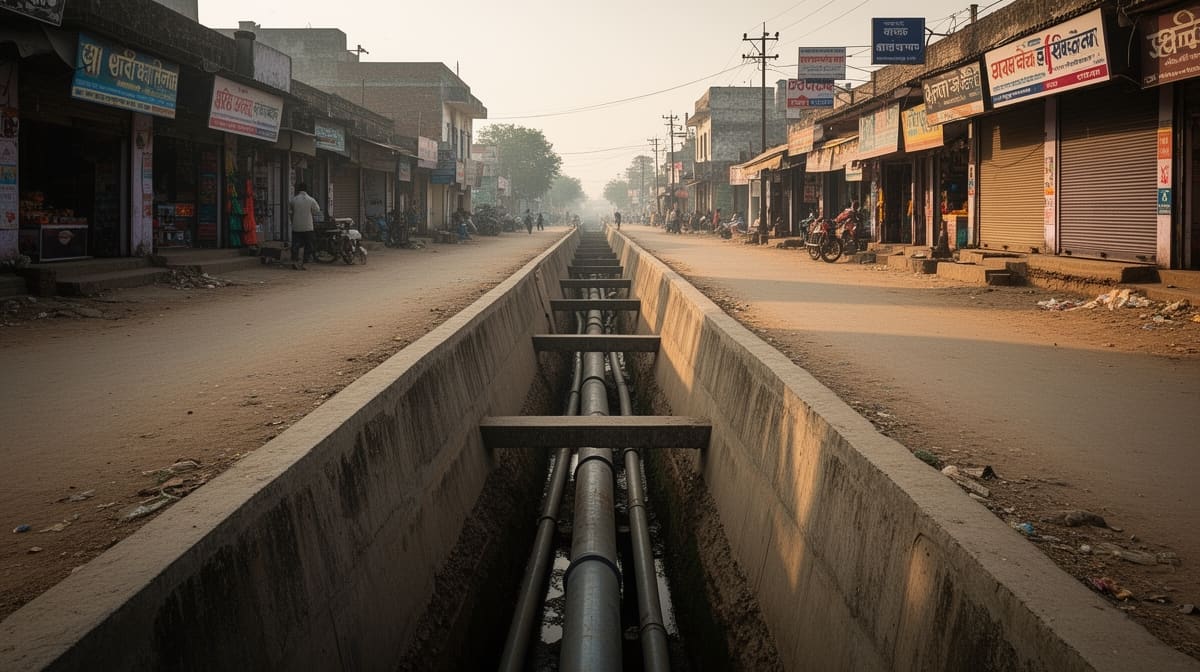
Site Plan as Decree | Public Authorities Must Justify Infrastructure Alterations Affecting Property Rights : Punjab & Haryana HC

The Punjab & Haryana High Court ruled that public authorities cannot unilaterally alter existing infrastructure without justification, incorporating the plaintiffs' Site Plan into the decree. The judgment reinforces that property rights are protected against arbitrary changes by government bodies, setting a precedent for similar disputes.

Section 164 MV Act | Rs. 5 Lakh No-Fault Compensation Applies Retrospectively to Pre-2019 Deaths : Punjab & Haryana HC
Case Law Analysis
|Punjab and Haryana High Court

Section 164 MV Act | Rs. 5 Lakh No-Fault Compensation Applies Retrospectively to Pre-2019 Deaths : Punjab & Haryana HC

The Punjab & Haryana High Court ruled that claimants in motor accident deaths occurring before the 2019 amendment are entitled to Rs. 5,00,000 compensation under Section 164 MV Act, even if the original claim was filed under the repealed Section 163-A. The Court relied on the Supreme Court's precedent in Ram Murti v. Punjab SEB, ensuring interest accrues from the date of the original claim filing. This decision sets a critical precedent for pending pre-amendment claims.

Section 138 NI Act | Directors Not Vicariously Liable Without Active Role in Cheque Issuance : Punjab & Haryana HC
Case Law Analysis
|Punjab and Haryana High Court

Section 138 NI Act | Directors Not Vicariously Liable Without Active Role in Cheque Issuance : Punjab & Haryana HC

Punjab & Haryana High Court rules that directors cannot be held liable under Section 138 of the Negotiable Instruments Act merely by virtue of their position. Liability attaches only if they were actively involved in the company's affairs or the cheque's issuance, and resignation before the cheque date absolves them entirely. This clarifies the scope of vicarious liability for directors in cheque bounce cases.

Uberrima Fidei in Life Insurance | Non-Disclosure of Pre-Existing Chronic Liver Disease Voids Claim Even for Unrelated Death : Punjab & Haryana HC
Case Law Analysis
|Punjab and Haryana High Court

Uberrima Fidei in Life Insurance | Non-Disclosure of Pre-Existing Chronic Liver Disease Voids Claim Even for Unrelated Death : Punjab & Haryana HC

The Punjab & Haryana High Court ruled that under the doctrine of uberrima fidei, non-disclosure of a pre-existing chronic liver disease in a life insurance proposal form voids the claim, even if death occurs from an unrelated cause like a heart attack. Insurers are not liable if material facts are suppressed, reinforcing the duty of utmost good faith in insurance contracts.

Article 21 | Police Protection for Adult Couples in Voluntary Marriages Does Not Validate Legality or Immunize from Criminal Proceedings : Punjab & Haryana HC
Case Law Analysis
|Punjab and Haryana High Court

Article 21 | Police Protection for Adult Couples in Voluntary Marriages Does Not Validate Legality or Immunize from Criminal Proceedings : Punjab & Haryana HC

The Punjab & Haryana High Court ruled that adult couples married against family wishes are entitled to police protection under Article 21, but clarified that such protection does not confer legal validity on their marriage or shield them from criminal proceedings. The judgment underscores the state's duty to safeguard personal liberty while distinguishing it from matrimonial legality.

Motor Vehicles Act 1988 | Insurer Not Liable for Fare-Paying Passengers in Goods Vehicles : Punjab & Haryana HC
Case Law Analysis
|Punjab and Haryana High Court

Motor Vehicles Act 1988 | Insurer Not Liable for Fare-Paying Passengers in Goods Vehicles : Punjab & Haryana HC

Punjab & Haryana High Court rules that insurance policies do not cover fare-paying passengers traveling in goods vehicles, absolving insurers of liability. The judgment reinforces the distinction between passenger and goods vehicles under the Motor Vehicles Act, while enhancing compensation using the Pranay Sethi framework for dependents of deceased victims.

Order 41 Rule 27 CPC | Additional Evidence Applications Must Be Decided With Main Appeal, Not Prematurely : Punjab & Haryana HC
Case Law Analysis
|Punjab and Haryana High Court

Order 41 Rule 27 CPC | Additional Evidence Applications Must Be Decided With Main Appeal, Not Prematurely : Punjab & Haryana HC

The Punjab & Haryana High Court ruled that applications for additional evidence under Order 41 Rule 27 CPC cannot be dismissed in isolation before the main appeal is heard. Premature dismissal violates procedural fairness and is liable to be set aside, ensuring that evidence is evaluated in the context of the entire case.

Guardians and Wards Act | Child Welfare & Maternal Convenience Justify Transfer of Custody Proceedings : Punjab & Haryana HC
Case Law Analysis
|Punjab and Haryana High Court

Guardians and Wards Act | Child Welfare & Maternal Convenience Justify Transfer of Custody Proceedings : Punjab & Haryana HC

Punjab & Haryana High Court ruled that transfer of guardianship proceedings is justified when it serves the child's welfare and the mother's convenience, even if opposed by the custodial parent. The Court emphasized that custody decisions must consider financial dependence, distance, and the child's best interests, not just the custodial parent's objections.

Section 11/12 Hindu Marriage Act | Wife's Financial Dependence & Concurrent Litigations Justify Transfer of Matrimonial Proceedings : Punjab & Haryana HC
Case Law Analysis
|Punjab and Haryana High Court

Section 11/12 Hindu Marriage Act | Wife's Financial Dependence & Concurrent Litigations Justify Transfer of Matrimonial Proceedings : Punjab & Haryana HC

Punjab & Haryana High Court holds that matrimonial proceedings can be transferred to the wife's preferred jurisdiction if she lacks independent income and has related cases pending there, prioritizing access to justice over procedural objections. The ruling reinforces that allegations of misconduct do not override the wife's convenience in litigation, especially when financial dependence and concurrent legal battles exist.

Section 2(14)(vii) Juvenile Justice Act | Minor Fleeing Forced Marriage is 'Child in Need of Care', Police Must Act Without Familial Consent : Punjab & Haryana HC
Case Law Analysis
|Punjab and Haryana High Court

Section 2(14)(vii) Juvenile Justice Act | Minor Fleeing Forced Marriage is 'Child in Need of Care', Police Must Act Without Familial Consent : Punjab & Haryana HC

The Punjab & Haryana High Court reaffirmed that a minor escaping forced marriage falls under 'child in need of care and protection' under Section 2(14)(vii) of the Juvenile Justice Act, 2015. The Court directed immediate police intervention and Child Welfare Committee inquiry, overriding familial objections to protect the minor's rights.

Habeas Corpus Not Maintainable for Child Custody Disputes Without Illegal or Harmful Custody : Punjab & Haryana HC
Case Law Analysis
|Punjab and Haryana High Court

Habeas Corpus Not Maintainable for Child Custody Disputes Without Illegal or Harmful Custody : Punjab & Haryana HC

Punjab & Haryana High Court rules that habeas corpus petitions cannot be used to resolve child custody disputes unless the custody is illegal or harmful to the child's welfare. The Court mandates evidence-based adjudication under the Guardians and Wards Act, emphasizing that summary proceedings under Article 226 are inappropriate for disputed custody matters.

Section 360 CrPC | Prolonged Trial & Clean Antecedents Justify Probation Over Imprisonment : Punjab & Haryana HC
Case Law Analysis
|Punjab and Haryana High Court

Section 360 CrPC | Prolonged Trial & Clean Antecedents Justify Probation Over Imprisonment : Punjab & Haryana HC

The Punjab & Haryana High Court ruled that a 14-year trial delay and absence of criminal antecedents warrant probation under Section 360 CrPC, prioritizing reformative justice over punitive sentencing. This sets a precedent for courts to consider systemic delays and offender reformation in sentencing, particularly for first-time offenders in non-heinous crimes.

Section 483 BNSS | Humanitarian Bail Under NDPS Act Permissible Despite Section 37 Bar: Punjab & Haryana HC
Case Law Analysis
|Punjab and Haryana High Court

Section 483 BNSS | Humanitarian Bail Under NDPS Act Permissible Despite Section 37 Bar: Punjab & Haryana HC

The Punjab & Haryana High Court ruled that courts retain discretion under Section 483 of the BNSS to grant interim bail on medical grounds, even in NDPS Act cases, where the accused's presence is critical for caregiving. This holding clarifies that Section 37's stringent bail conditions do not override humanitarian considerations, setting a precedent for balancing statutory restrictions with constitutional rights under Article 21.

Bail Under BNSS | Mere Supply of Weapon Without Direct Involvement or Corroboration Insufficient for Pre-Trial Detention : Punjab & Haryana HC
Case Law Analysis
|Punjab and Haryana High Court

Bail Under BNSS | Mere Supply of Weapon Without Direct Involvement or Corroboration Insufficient for Pre-Trial Detention : Punjab & Haryana HC

The Punjab & Haryana High Court ruled that supplying a weapon used in a murder, without direct involvement or corroborative evidence, does not justify prolonged pre-trial detention. The decision underscores that bail cannot be denied solely based on facilitation, especially when the complainant did not name the accused and co-accused were already released.

BNSS Section 483 | Remote Logistical Support Without Direct Involvement Insufficient for Pre-Trial Detention : Punjab & Haryana HC
Case Law Analysis
|Punjab and Haryana High Court

BNSS Section 483 | Remote Logistical Support Without Direct Involvement Insufficient for Pre-Trial Detention : Punjab & Haryana HC

The Punjab & Haryana High Court ruled that mere facilitation of weapons in a murder case, without direct participation or corroborated evidence, does not justify pre-trial detention under BNSS. The decision underscores that uncorroborated disclosure statements alone cannot sustain prolonged custody, reinforcing bail protections for peripheral accused in organized crime.

Motor Accident Claims | Unit Method Mandatory for Dependency Calculation When Income Is Unverified : Punjab & Haryana HC
Case Law Analysis
|Punjab and Haryana High Court

Motor Accident Claims | Unit Method Mandatory for Dependency Calculation When Income Is Unverified : Punjab & Haryana HC

The Punjab & Haryana High Court has ruled that in motor accident compensation cases where the deceased's income is undocumented, courts must apply the 'unit method' to calculate dependency. This method relies on verified wage data and functional family roles, rejecting arbitrary percentage deductions or assumptions. The ruling ensures fairer compensation for claimants in cases of uncertain income.

Rule 7.3-B Punjab Civil Services Rules | Suspension Period Must Be Treated as Duty Even on Acquittal by Benefit of Doubt : PHHC
Case Law Analysis
|Punjab and Haryana High Court

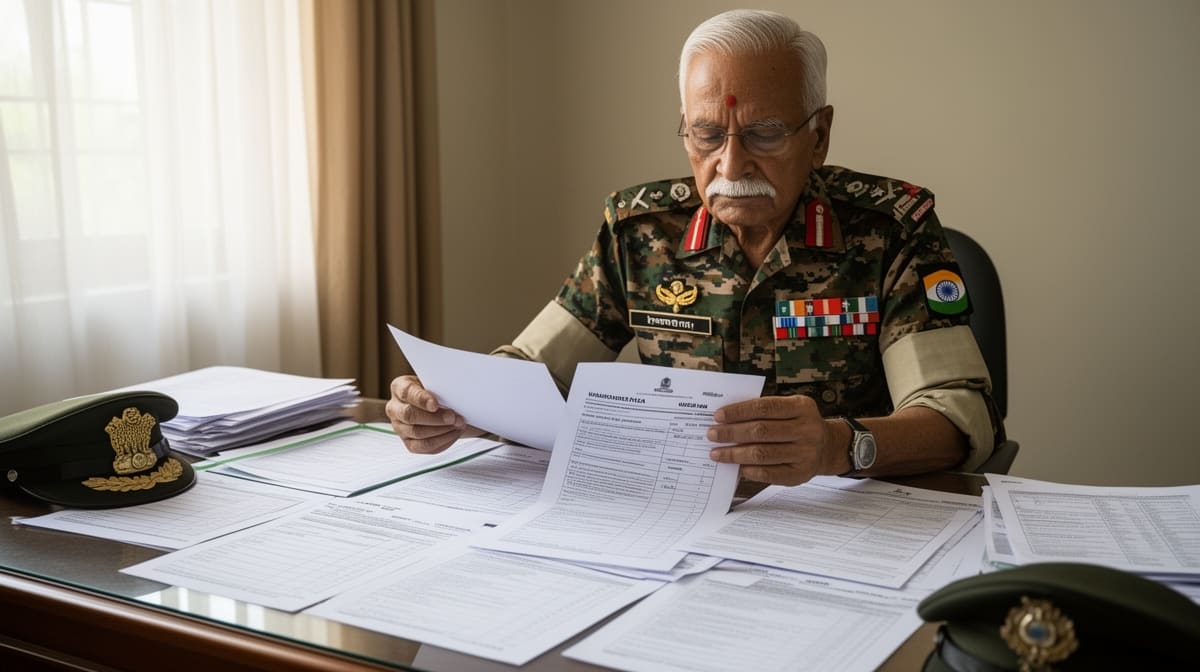
Rule 7.3-B Punjab Civil Services Rules | Suspension Period Must Be Treated as Duty Even on Acquittal by Benefit of Doubt : PHHC

The Punjab & Haryana High Court ruled that an employee acquitted in criminal proceedings-even on benefit of doubt-and exonerated in departmental inquiries is entitled to full pay for the suspension period under Rule 7.3-B of the Punjab Civil Services Rules. This sets a precedent for treating suspension as duty regardless of the grounds of acquittal, impacting service law compliance for public employers.