The Punjab & Haryana High Court has delivered a significant judgment clarifying the scope of insurance coverage for passengers in goods vehicles. The Court held that fare-paying passengers in goods vehicles do not fall within the purview of standard insurance policies, thereby exonerating insurers from liability. The judgment also reassessed compensation for claimants, applying the Pranay Sethi framework for enhanced awards.
Background & Facts
The Dispute
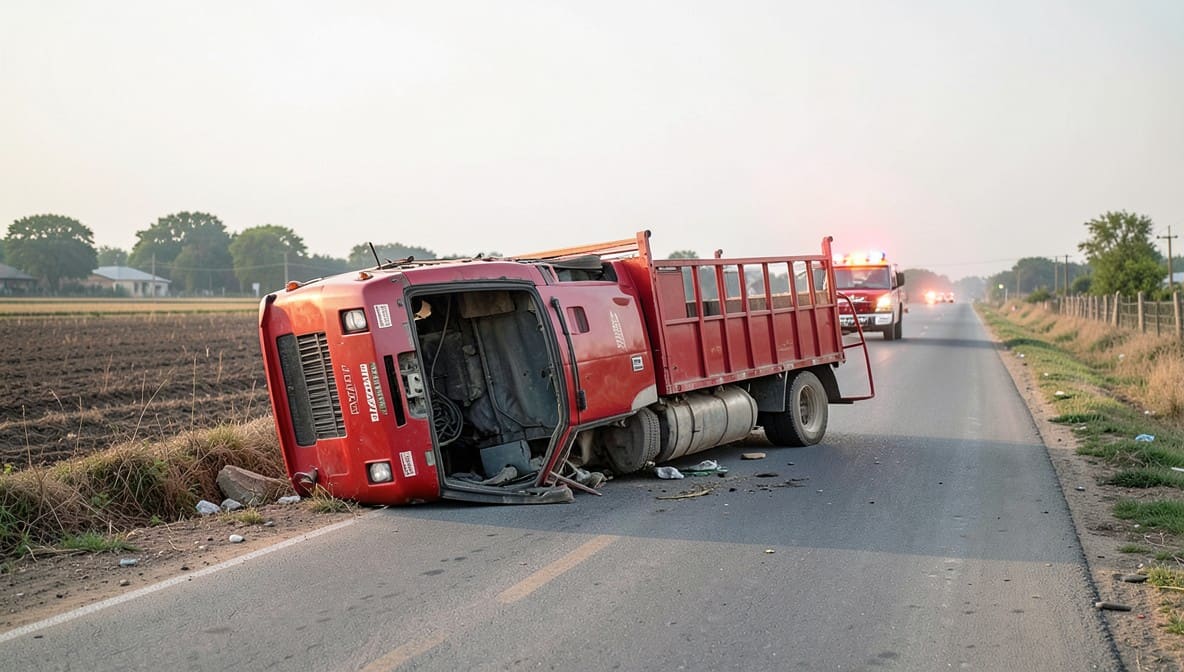
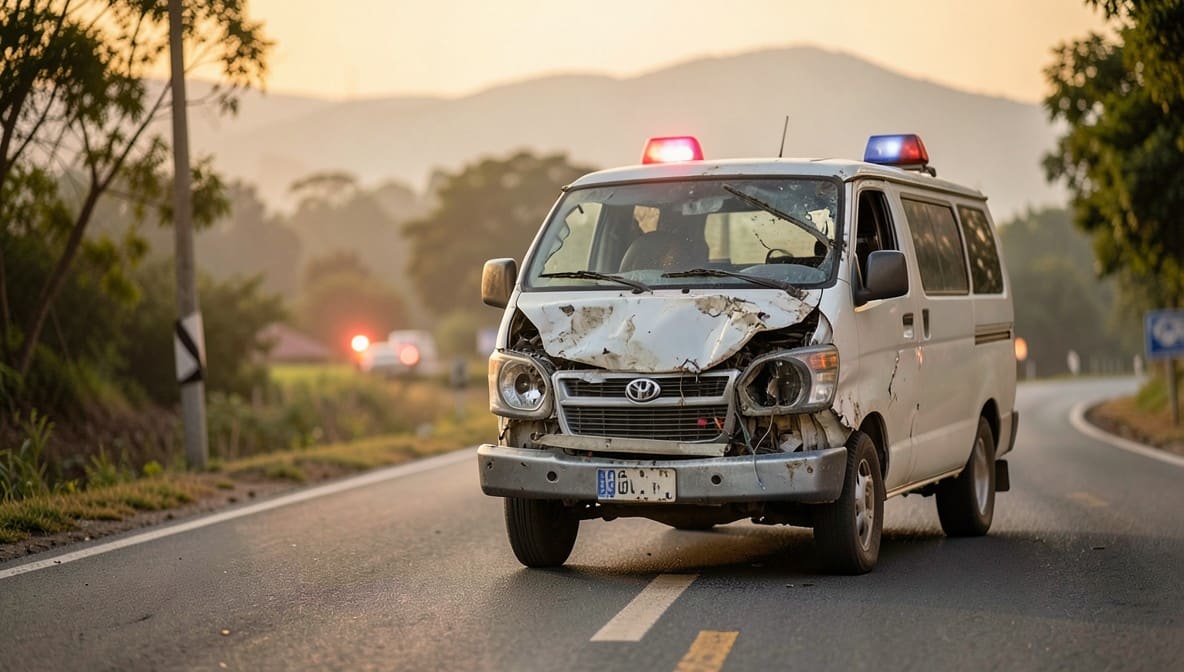
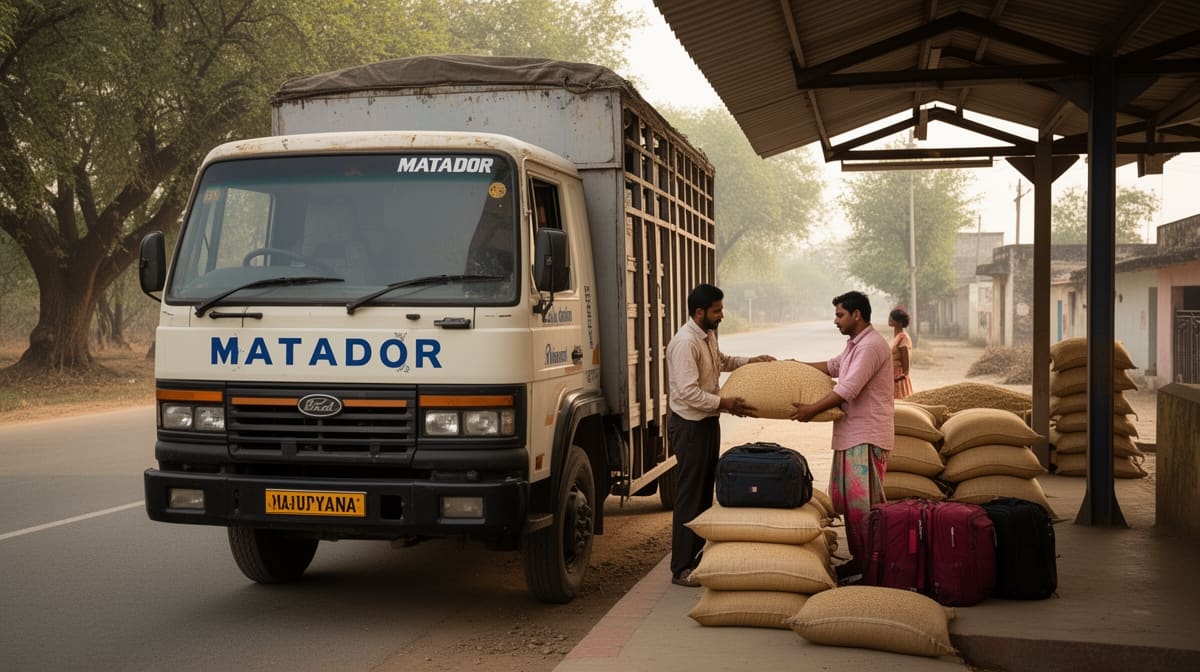
On 06 June 1990, a Matador (HR-05-2335), owned by M/s Hari Engineers and insured with Oriental Insurance Company Ltd, was involved in a fatal accident near village Jai Singhpura. The vehicle, hired for goods transport, was returning from Jind when two deceased individuals - Subhash Chander (27) and Rakesh Sardana (28) - boarded it at Asandh bus stand. Both paid fares (Rs. 20 and Rs. 70 respectively) and carried personal belongings, including wheat bags and furniture. The accident resulted in their deaths, leading to separate motor accident claims filed by their legal representatives under Section 166 of the Motor Vehicles Act, 1988.
Procedural History
- 1990: Two claim petitions filed before the Motor Accident Claims Tribunal (MACT), Panipat (MACT Case Nos. 44/1990 and 75/1990).
- 1992: MACT awarded compensation of Rs. 1,53,600 (Subhash Chander) and Rs. 1,15,200 (Rakesh Sardana), holding the driver, owner, and insurer jointly liable.
- 1992: Oriental Insurance Company Ltd filed FAOs (919/1992 and 920/1992) challenging the insurer’s liability.
- 2020: Claimants filed Cross-Objection No. 8/2020 seeking enhancement of compensation in FAO 919/1992.
Relief Sought
- Appellant-Insurer: Exoneration from liability, arguing the deceased were fare-paying passengers not covered under the policy.
- Cross-Objectors (Claimants): Enhancement of compensation, contending the Tribunal’s assessment was conservative.
- Respondent-Owner: Supported the Tribunal’s findings on negligence and quantum, urging insurer liability.
The Legal Issue
The central question was whether fare-paying passengers travelling in a goods vehicle fall within the scope of the insurance policy’s “Limitation as to Use” clause, thereby binding the insurer to indemnify the owner.
Arguments Presented
For the Appellant-Insurer
- Relied on New India Assurance Co. Ltd. v. Asha Rani (2003) to argue that gratuitous or fare-paying passengers in goods vehicles are not covered under statutory policies.
- Contended the deceased were fare-paying passengers, not employees, and thus outside policy coverage.
- Emphasized the policy endorsement (IMT-14(b)), which limited liability to “authorised non-fare paying passengers”.
For the Cross-Objectors (Claimants)
- Sought enhancement of compensation, citing conservative income assessment, inadequate multiplier, and omission of future prospects.
- Relied on National Insurance Co. Ltd. v. Pranay Sethi (2017) and Sarla Verma v. DTC (2009) for standardized compensation computation.
For the Respondent-Owner
- Defended the Tribunal’s findings, arguing the deceased were accompanying their goods and thus covered under the policy’s “Limitation as to Use” clause.
- Contended the policy permitted six passengers under the Workmen’s Compensation Act.
The Court's Analysis
The Court conducted a two-pronged analysis: first, addressing the cross-objection for compensation enhancement, and second, determining the insurer’s liability.
Compensation Enhancement
The Court reassessed compensation for Subhash Chander using the Pranay Sethi framework, incorporating:
- Future prospects (40% addition) to monthly income (Rs. 1,200).
- Deduction for personal expenses (1/3rd) for three dependents.
- Appropriate multiplier (17) based on age (27 years).
- Conventional heads: Rs. 40,000 (spousal consortium), Rs. 80,000 (parental consortium for two children), Rs. 15,000 (funeral expenses), and Rs. 15,000 (loss of estate).
"The compensation requires reassessment strictly in terms of the principles laid down by Hon’ble the Supreme Court in National Insurance Co. Ltd. v. Pranay Sethi, Magma General Insurance Co. Ltd. v. Nanu Ram, and Sarla Verma v. DTC, wherein the framework for computation of ‘loss of dependency’ has been settled."
The reassessed compensation was enhanced from Rs. 1,53,600 to Rs. 3,78,480.
Insurer’s Liability
The Court scrutinized the insurance policy (Ex.R-1), focusing on the “Limitation as to Use” clause:
"Use for carrying passengers in the vehicle except employees (other than driver) not exceeding six in number coming under the purview of the Workmen’s Compensation Act, 1923."
The Court held:
- The clause exclusively covers employees of the insured, not fare-paying passengers.
- The policy endorsement (IMT-14(b)) limited liability to “authorised non-fare paying passengers”, excluding those paying consideration.
- Evidence (PW-6 and RW-1) confirmed the deceased paid fares, placing them outside policy coverage.
"The Hon’ble Supreme Court, in New India Assurance Co. Ltd. v. Asha Rani, categorically held that the statutory policy of insurance does not cover passengers travelling in a goods vehicle. The Court made it clear that such passengers are ‘unauthorised’ and the insurer has no liability towards them."
The Court concluded that the Tribunal misinterpreted the policy clause, erroneously extending coverage to fare-paying passengers. The insurer was thus exonerated from liability.
The Verdict
- Cross-Objection: Allowed. Compensation for Subhash Chander enhanced to Rs. 3,78,480 with 7% interest from the date of filing.
- Appeals (FAOs 919/1992 and 920/1992): Allowed. Insurer exonerated from liability; compensation payable by the owner (M/s Hari Engineers).
What This Means For Similar Cases
Insurance Coverage for Passengers in Goods Vehicles
- Fare-paying passengers in goods vehicles are not covered under standard insurance policies, even if carrying goods.
- Policy clauses must be strictly interpreted; coverage extends only to employees under the Workmen’s Compensation Act.
- Endorsements (e.g., IMT-14(b)) limiting liability to non-fare paying passengers exclude those paying consideration.
Compensation Assessment Under Pranay Sethi
- Future prospects (40% addition) must be factored into income calculations for deceased aged below 40 years.
- Multiplier selection must align with the deceased’s age (e.g., 17 for age 27).
- Conventional heads (consortium, funeral expenses, loss of estate) must be standardized as per Supreme Court guidelines.
Burden of Proof in Insurance Disputes
-
Claimants must prove the deceased’s status (employee vs. passenger) to establish insurer liability.
-
Insurers can rely on Asha Rani to argue non-coverage for unauthorised passengers.
-
Practitioners should:
- Scrutinize policy clauses for “Limitation as to Use” and endorsements.
- Ensure compensation computations adhere to Pranay Sethi and Sarla Verma frameworks.
- Advise owners to secure additional coverage for fare-paying passengers to avoid liability gaps.