Karnataka High Court judgments

570 Karnataka High Court judgments explained in plain English: what was decided, the law applied and why it matters. Page 21 of 24.

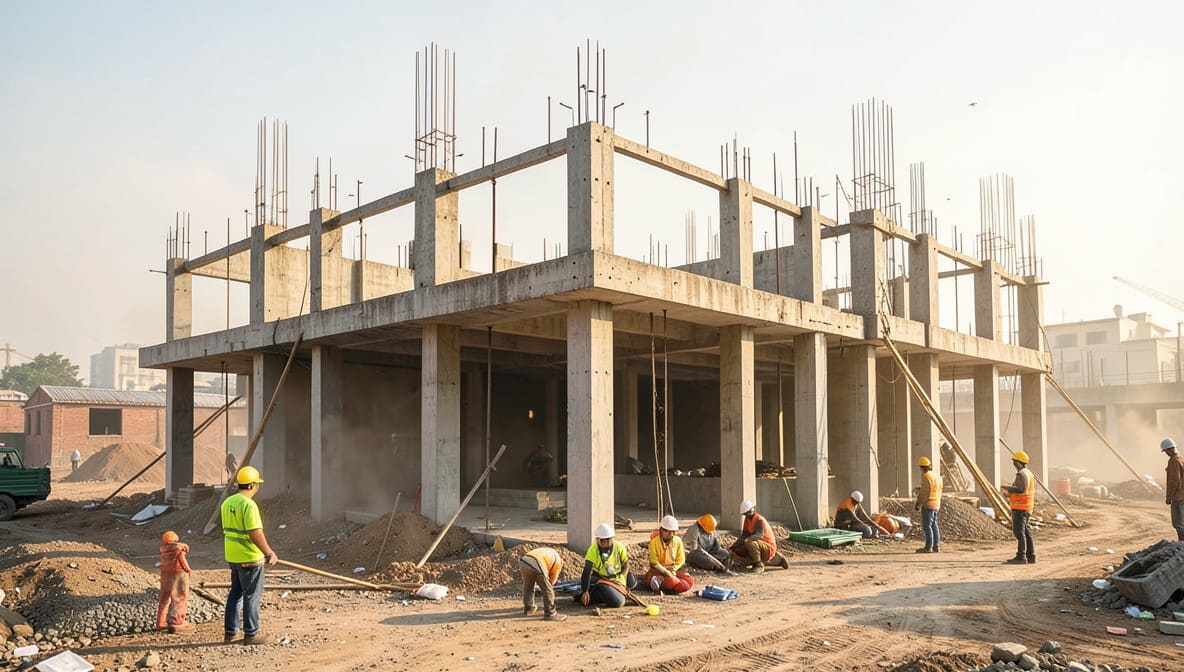
Schedule III CGST Act | Pigmy Agents Deemed Employees of Regional Rural Banks Exempt from GST: Karnataka HC
Case Law Analysis
|Karnataka High Court

Schedule III CGST Act | Pigmy Agents Deemed Employees of Regional Rural Banks Exempt from GST: Karnataka HC

The Karnataka High Court has ruled that pigmy agents working for Karnataka Vikas Grameena Bank are employees, not business facilitators, making their services exempt from GST under Schedule III of the CGST Act. The decision hinges on control, remuneration structure, and TDS deductions - setting a critical precedent for rural banking networks and informal service providers across India.


Section 138 NI Act | Denial of Signature Authenticity Shifts Burden to Accused to Prove Non-Issuance: Karnataka HC
Case Law Analysis
|Karnataka High Court

Section 138 NI Act | Denial of Signature Authenticity Shifts Burden to Accused to Prove Non-Issuance: Karnataka HC

Karnataka High Court rules that once an accused denies signing a dishonoured cheque under Section 138 of the Negotiable Instruments Act, the trial court must allow expert examination of specimen signatures from bank records. Failure to provide this opportunity violates the accused’s right to a fair trial, reinforcing that mere denial does not discharge the burden of proof without forensic scrutiny.

Foreigners Act, 1946 | Prosecution Withdrawal Mandates Immediate Deportation on Undertaking : Karnataka HC
Case Law Analysis
|Karnataka High Court

Foreigners Act, 1946 | Prosecution Withdrawal Mandates Immediate Deportation on Undertaking : Karnataka HC

Karnataka High Court rules that withdrawal of prosecution under the Foreigners Act, 1946, obligates immediate deportation of a foreign national upon submission of a sworn undertaking to leave India. The ruling clarifies that self-funded removal is a non-negotiable condition, reinforcing strict compliance with immigration laws for foreign detainees.

Bail as Default for Non-Bailable Offences Under BNS & Arms Act Absent Life/Death Penalty : Karnataka HC
Case Law Analysis
|Karnataka High Court

Bail as Default for Non-Bailable Offences Under BNS & Arms Act Absent Life/Death Penalty : Karnataka HC

Karnataka High Court rules that offences under Bharatiya Nyaya Sanhita and Arms Act not punishable by life imprisonment or death must follow bail-as-rule principle, granting relief to a 20-year-old student accused of armed robbery. The judgment reinforces that statutory non-bailability cannot override constitutional bail protections where maximum penalties are lower.

Section 7 Arbitration Act | Arbitration Clause in Partnership Deed Cannot Cover Disputes Pre-Dating Deed or Post-Novation Settlement Without Fresh Clause : Karnataka HC
Case Law Analysis
|Karnataka High Court

Section 7 Arbitration Act | Arbitration Clause in Partnership Deed Cannot Cover Disputes Pre-Dating Deed or Post-Novation Settlement Without Fresh Clause : Karnataka HC

Karnataka HC rules that an arbitration clause in a partnership deed only covers disputes arising after the deed’s effective date. Claims under a novated settlement deed lacking an arbitration clause fall outside the arbitrator’s jurisdiction, reinforcing the need for explicit dispute resolution terms in post-novation agreements.

Best Interests of the Child Overrides Mandatory Parental Consent for Passport Renewal | International Sports Participation by Minor : Karnataka HC
Case Law Analysis
|Karnataka High Court

Best Interests of the Child Overrides Mandatory Parental Consent for Passport Renewal | International Sports Participation by Minor : Karnataka HC

The Karnataka High Court ruled that a custodial parent may renew a minor's passport without the non-responsive parent's consent when denial would block the child's participation in an international sporting event. The judgment affirms that procedural rigidity must yield to the child's welfare under Article 21, setting a precedent for minors in competitive sports facing bureaucratic delays due to absent or uncooperative parents.

Section 74 CGST Act | No Reply to Show-Cause Notice Does Not Waive Right to Hearing : Karnataka HC
Case Law Analysis
|Karnataka High Court

Section 74 CGST Act | No Reply to Show-Cause Notice Does Not Waive Right to Hearing : Karnataka HC

The Karnataka High Court has ruled that even if a taxpayer fails to file a written reply to a show-cause notice under Section 74 of the CGST Act, the tax authority must still afford a meaningful opportunity of hearing before passing an adjudication order. This reinforces natural justice in tax proceedings and invalidates mechanical adjudications based solely on non-response, protecting businesses from arbitrary recovery actions.

MTP Act Beyond 24 Weeks | Medical Board’s Foetal Viability & Maternal Risk Opinion Binding on Courts: Karnataka HC
Case Law Analysis
|Karnataka High Court

MTP Act Beyond 24 Weeks | Medical Board’s Foetal Viability & Maternal Risk Opinion Binding on Courts: Karnataka HC

Karnataka High Court rules that termination of pregnancy beyond the 24-week statutory limit under the MTP Act requires a medical board’s assessment of foetal viability and maternal risk, overriding judicial discretion. The ruling underscores the primacy of medical expertise in late-term termination cases, while mandating victim care and rehabilitation for minor sexual assault survivors.

Section 420 IPC & IT Act Sections 66(C)/(D) | Vague Allegations Without Prima Facie Evidence Insufficient to Sustain Prosecution: Karnataka HC Quashes Charges
Case Law Analysis
|Karnataka High Court

Section 420 IPC & IT Act Sections 66(C)/(D) | Vague Allegations Without Prima Facie Evidence Insufficient to Sustain Prosecution: Karnataka HC Quashes Charges

The Karnataka High Court quashed criminal proceedings against two computer operators, ruling that generalized allegations of impersonation or dishonest intent under the IT Act and IPC lack legal merit without concrete evidence. The judgment underscores that prosecution cannot proceed on omnibus accusations alone, offering relief to accused facing similar unsupported cyber crime charges.

Section 125 CrPC | Maintenance Obligation Unaffected by Civil Disputes or Financial Hardship: Karnataka HC Upholds Rs. 6,000 Monthly Award
Case Law Analysis
|Karnataka High Court

Section 125 CrPC | Maintenance Obligation Unaffected by Civil Disputes or Financial Hardship: Karnataka HC Upholds Rs. 6,000 Monthly Award

Karnataka High Court reaffirms that a husband’s statutory duty to maintain his wife under Section 125 CrPC is absolute, irrespective of pending property disputes or alleged financial constraints. The ruling underscores that maintenance orders cannot be challenged on grounds unrelated to the wife’s entitlement, reinforcing the provision’s protective intent for dependent spouses.

No Implied Right to Price Escalation After Tender Rejection | Karnataka HC Upholds Strict Enforcement of Explicit Tender Terms
Case Law Analysis
|Karnataka High Court

No Implied Right to Price Escalation After Tender Rejection | Karnataka HC Upholds Strict Enforcement of Explicit Tender Terms

Karnataka High Court rules that contractors cannot claim price escalation post-tender rejection, even if work commenced, as oral assurances are unenforceable against written tender conditions. The judgment reinforces that public procurement contracts must strictly adhere to their explicit terms, protecting government entities from unintended financial liabilities.

Promissory Estoppel Fails for Price Escalation Claims | Contractual Clauses Bar Recovery Absent Binding Promise : Karnataka HC
Case Law Analysis
|Karnataka High Court

Promissory Estoppel Fails for Price Escalation Claims | Contractual Clauses Bar Recovery Absent Binding Promise : Karnataka HC

Karnataka HC dismisses a contractor’s price escalation claim, ruling that promissory estoppel does not apply without a clear, binding promise beyond the contract’s terms. The court upheld rescission due to breach and denied relief for unproven losses, reinforcing strict adherence to contractual clauses in public procurement disputes.

Section 22A(1) LSA Act | Party Signatures Mandatory for Binding Lok Adalat Awards; Counsel's Consent Insufficient : Karnataka HC
Case Law Analysis
|Karnataka High Court

Section 22A(1) LSA Act | Party Signatures Mandatory for Binding Lok Adalat Awards; Counsel's Consent Insufficient : Karnataka HC

The Karnataka High Court has ruled that a Lok Adalat award is void without the voluntary, signed consent of the parties themselves - not just their lawyers. This clarifies that under the Legal Services Authorities Act, settlement bindingness hinges on direct party participation, not representative agreement, affecting all claimants in motor accident and civil disputes resolved through Lok Adalats.

CrPC | SIT Constituted Under Supreme Court Directions is Valid Complainant; No Private Complaint Required: Karnataka HC
Case Law Analysis
|Karnataka High Court

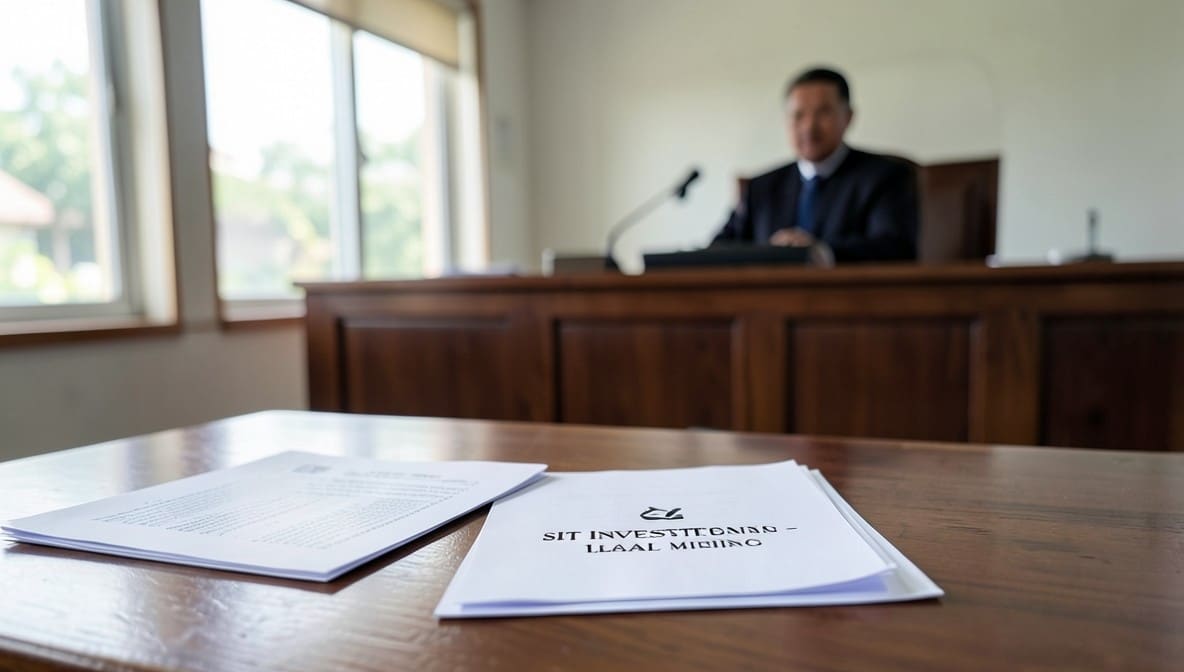
CrPC | SIT Constituted Under Supreme Court Directions is Valid Complainant; No Private Complaint Required: Karnataka HC

Karnataka High Court holds that a Special Investigation Team (SIT) formed pursuant to Supreme Court directions is a valid complainant under the CrPC, overturning a discharge order that erroneously demanded a private complaint. The ruling clarifies prosecutorial authority in cases investigated by court-mandated SITs, impacting illegal mining and other high-profile investigations.

Section 29(2) KIAD Act | Consent Award Must Supersede General Award When Parties Willing : Karnataka HC
Case Law Analysis
|Karnataka High Court

Section 29(2) KIAD Act | Consent Award Must Supersede General Award When Parties Willing : Karnataka HC

The Karnataka High Court has ruled that when landowners explicitly consent to negotiated compensation under Section 29(2) of the KIAD Act, authorities cannot impose a general acquisition award. This sets a binding precedent that procedural fairness and party autonomy override standard acquisition protocols, directly impacting all KIADB-led land projects in Karnataka.

Motor Vehicles Act | Itemized Compensation Mandatory for Grievous Injuries: Karnataka HC Rejects Global Sum Approach
Case Law Analysis
|Karnataka High Court

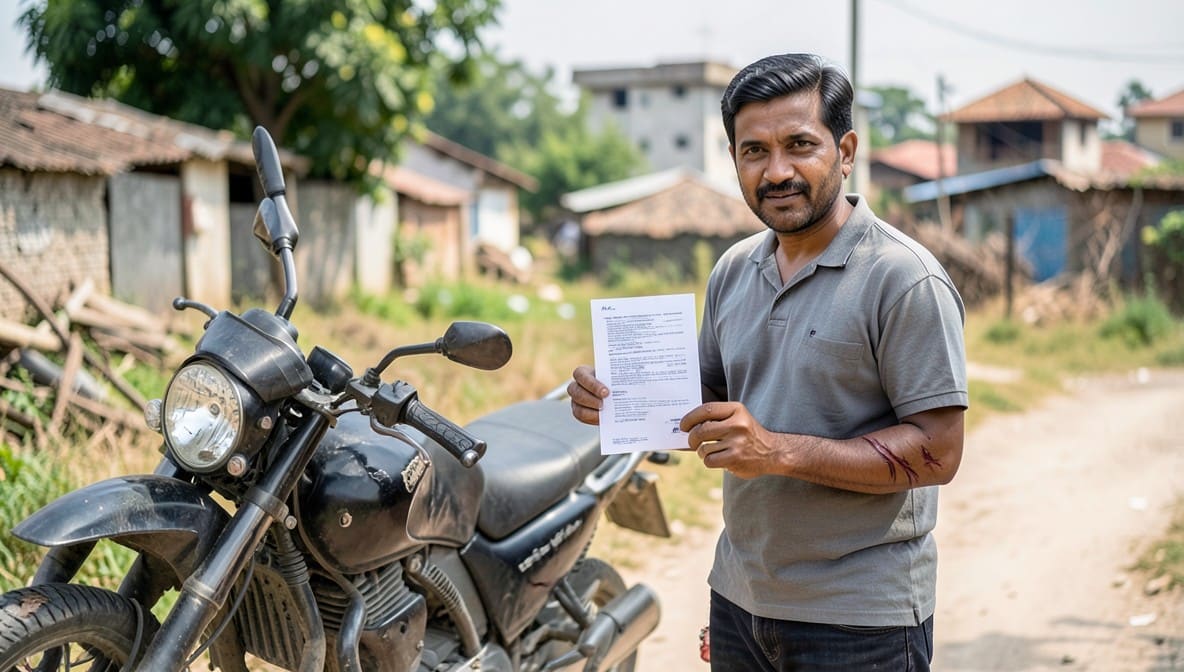
Motor Vehicles Act | Itemized Compensation Mandatory for Grievous Injuries: Karnataka HC Rejects Global Sum Approach

The Karnataka High Court ruled that compensation for grievous injuries under the Motor Vehicles Act must be itemized, covering pain, disfigurement, loss of income, and incidental expenses. The court enhanced the award to ₹58,500, rejecting a global sum of ₹20,000, setting a precedent for detailed breakdowns in personal injury claims.

Order VI Rule 17 CPC | Amendment of Pleadings Permissible Even After Trial Commencement for Subsequent Events : Karnataka HC
Case Law Analysis
|Karnataka High Court

Order VI Rule 17 CPC | Amendment of Pleadings Permissible Even After Trial Commencement for Subsequent Events : Karnataka HC

Karnataka High Court rules that pleadings can be amended under Order VI Rule 17 CPC to include subsequent events affecting possession, even after trial commencement, to prevent multiplicity of litigation and uphold substantive justice. The decision clarifies that procedural rigidity should not override equitable considerations in property disputes.

Karnataka Transparency in Public Procurements Act | Proprietorship Firms Cannot Be Arbitrarily Excluded from Tenders : Karnataka HC
Case Law Analysis
|Karnataka High Court

Karnataka Transparency in Public Procurements Act | Proprietorship Firms Cannot Be Arbitrarily Excluded from Tenders : Karnataka HC

The Karnataka High Court ruled that excluding proprietorship firms from public tenders without reasoned justification violates the Karnataka Transparency in Public Procurements Act, 1999. The decision reinforces the principle of equal opportunity and transparency in government procurement, impacting all tendering authorities in the state.

Section 207 MV Act | Only Designated RTO Officers Can Seize Vehicles; Unauthorized Cancellation Void : Karnataka HC
Case Law Analysis
|Karnataka High Court

Section 207 MV Act | Only Designated RTO Officers Can Seize Vehicles; Unauthorized Cancellation Void : Karnataka HC

Karnataka High Court rules that vehicle seizure and registration cancellation under the Motor Vehicles Act must be executed only by statutorily authorized officers. Any action by unauthorized personnel, including during pendency of a writ petition, is illegal and liable to be quashed, reinforcing procedural safeguards against administrative overreach.

Section 115 CPC | Civil Revision Lies Against Section 24 Transfer Orders Despite Concealment or Bias Claims : Karnataka HC
Case Law Analysis
|Karnataka High Court

Section 115 CPC | Civil Revision Lies Against Section 24 Transfer Orders Despite Concealment or Bias Claims : Karnataka HC

Karnataka High Court rules that Civil Revision Petitions under Section 115 CPC are maintainable against transfer orders under Section 24 CPC, even where parties attempt to evade court timelines through concealment or unsubstantiated bias allegations. The court directed the trial court to conclude proceedings within three months, reinforcing judicial efficiency over procedural delays.

Lok Adalat Settlement Valid Without Consent If Underlying Partition Suit Dismissed : Karnataka HC Upholds Enforceability of Pre-Existing Rights
Case Law Analysis
|Karnataka High Court

Lok Adalat Settlement Valid Without Consent If Underlying Partition Suit Dismissed : Karnataka HC Upholds Enforceability of Pre-Existing Rights

Karnataka High Court rules that a Lok Adalat settlement does not require consent from all parties if the underlying partition suit has been dismissed, even if an appeal is pending. The court held that enforceable rights must exist at the time of settlement, clarifying the scope of Lok Adalat's authority in property disputes.

Order XXVI Rule 9 CPC | Court Commissioner Mandatory for Disputed Property Boundaries in Injunction Suits : Karnataka HC
Case Law Analysis
|Karnataka High Court

Order XXVI Rule 9 CPC | Court Commissioner Mandatory for Disputed Property Boundaries in Injunction Suits : Karnataka HC

Karnataka High Court rules that courts must appoint a Court Commissioner under Order XXVI Rule 9 CPC to survey and measure disputed properties in injunction suits, regardless of delay. The ruling clarifies that disputed property descriptions necessitate factual determination by a commissioner, reinforcing procedural fairness in property disputes.

Section 279/304-A IPC | Acquittal for Fatal Tractor Accident Due to Contradictory Evidence & CrPC Section 102 Delay : Karnataka HC
Case Law Analysis
|Karnataka High Court

Section 279/304-A IPC | Acquittal for Fatal Tractor Accident Due to Contradictory Evidence & CrPC Section 102 Delay : Karnataka HC

Karnataka High Court acquitted the accused in a fatal tractor accident case, citing unreliable motor vehicle reports, chain-of-custody violations, and a 22-day delay in seizure reporting under Section 102 CrPC. The ruling underscores that procedural lapses and contradictory prosecution evidence can nullify guilt even in fatal negligence cases.