High Courts judgments

10232 High Courts judgments explained in plain English: what was decided, the law applied and why it matters. Page 57 of 427.

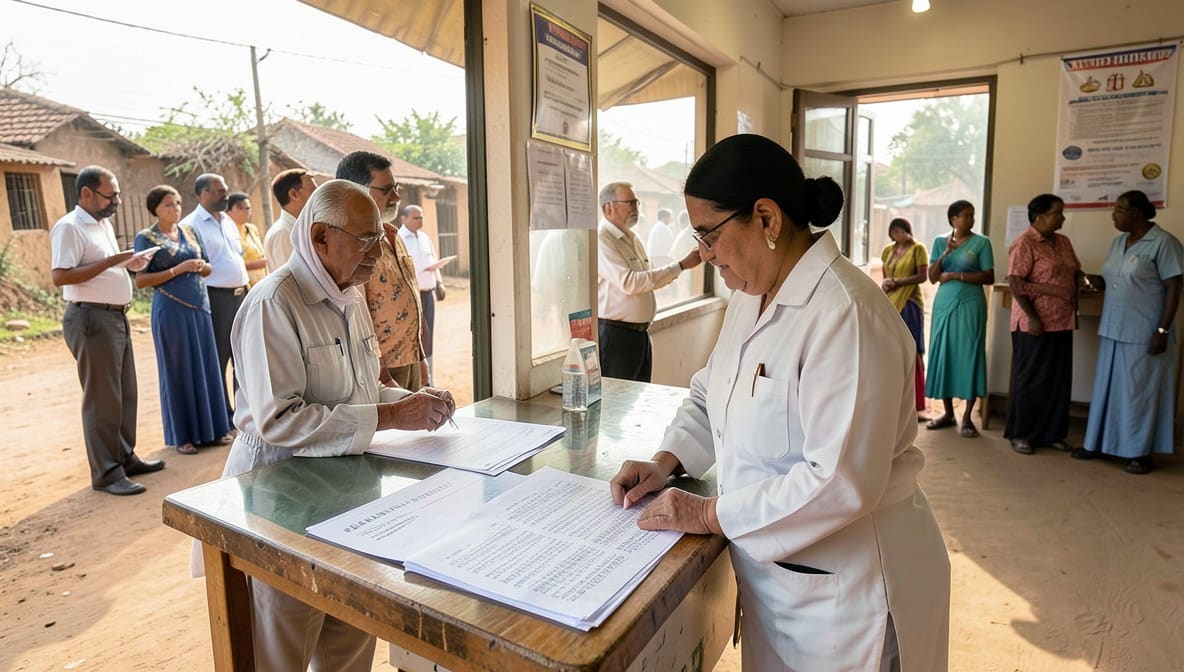
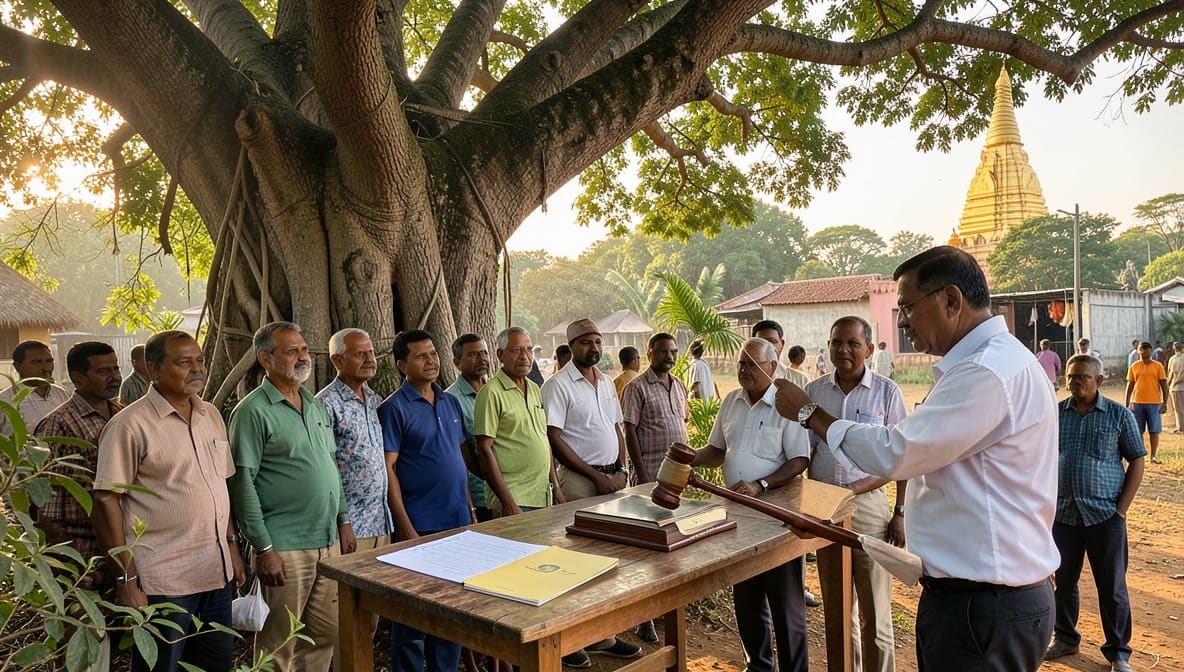
Rule 8 Andhra Pradesh Endowments Lease Rules | Public Auction Mandatory for Temple Land Lease Extensions Beyond Three Years : AP HC
Case Law Analysis
|Andhra Pradesh High Court

Rule 8 Andhra Pradesh Endowments Lease Rules | Public Auction Mandatory for Temple Land Lease Extensions Beyond Three Years : AP HC

Andhra Pradesh High Court upholds Rule 8 of the Endowments Lease Rules 2003, mandating public auction for temple land lease extensions beyond three years, even if enhanced rent and lessee investments are offered. The ruling reinforces transparency in temple land administration and curtails arbitrary lease extensions by the Commissioner.
Pension Entitlement Under Service Law | Autonomous Institution Employees Cannot Claim Government Pension Despite Pay Parity : Bombay HC
Case Law Analysis
|Bombay High Court

Pension Entitlement Under Service Law | Autonomous Institution Employees Cannot Claim Government Pension Despite Pay Parity : Bombay HC

Bombay High Court holds that employees of autonomous bodies like SIET are not entitled to government pension, even if their pay scales match state employees. The ruling clarifies that government servant status requires statutory recognition, not merely functional alignment, and rejects promissory estoppel claims for pension benefits.

Section 9 Arbitration Act | Preservation of Evidence Justifies Interim Relief Despite Delay: Bombay HC Grants Partial Protection
|Bombay High Court

Section 9 Arbitration Act | Preservation of Evidence Justifies Interim Relief Despite Delay: Bombay HC Grants Partial Protection

Bombay High Court rules that delay in seeking interim relief under Section 9 of the Arbitration Act does not automatically bar protection if critical evidence risks being destroyed. The court allowed preservation of records while rejecting blanket injunctions, emphasizing the need to balance contractual rights with evidentiary concerns in arbitration disputes.

Section 9 Arbitration Act | Non-Signatories Bound by Majority-Approved Redevelopment Agreement : Bombay HC Mandates Vacating Orders
Case Law Analysis
|Bombay High Court

Section 9 Arbitration Act | Non-Signatories Bound by Majority-Approved Redevelopment Agreement : Bombay HC Mandates Vacating Orders

Bombay High Court rules that dissenting housing society members, even if non-signatories to a redevelopment agreement, must vacate flats under Section 9 of the Arbitration Act if the developer complies with the agreement and the majority approves redevelopment. The ruling clarifies that interim relief under Section 9 extends to non-signatories when the agreement's terms are legally binding on all members.

Section 9 Arbitration Act | Prima Facie Breach of LLP Agreement Justifies Interim Relief Against Expelled Partners : Bombay HC
Case Law Analysis
|Bombay High Court

Section 9 Arbitration Act | Prima Facie Breach of LLP Agreement Justifies Interim Relief Against Expelled Partners : Bombay HC

Bombay High Court rules that a prima facie breach of an LLP agreement, including expulsion clauses, entitles aggrieved partners to interim relief under Section 9 of the Arbitration Act. The judgment clarifies that courts may restrain expelled partners from interfering with ongoing projects while preserving arbitration rights, setting a precedent for commercial disputes involving partnership expulsions.

Pay Protection for Ex-Servicemen | Bombay HC Mandates Fitment Benefits as Per Last Military Pay Under Service Regulations
Case Law Analysis
|Bombay High Court

Pay Protection for Ex-Servicemen | Bombay HC Mandates Fitment Benefits as Per Last Military Pay Under Service Regulations

Bombay High Court rules that ex-servicemen are entitled to pay protection including fitment benefits in revised pay scales, rejecting employer attempts to distinguish between 'pay protection' and 'pay fixation'. The judgment reinforces that arbitrary pay reductions violate natural justice and service law principles, ensuring ex-servicemen receive their due benefits without artificial distinctions.

Natural Justice Under MRTU & PULP Act | Denial of Opportunity to Justify Dismissal Voids Reinstatement, Awards Rs. 15 Lakh Compensation : Bombay HC
Case Law Analysis
|Bombay High Court

Natural Justice Under MRTU & PULP Act | Denial of Opportunity to Justify Dismissal Voids Reinstatement, Awards Rs. 15 Lakh Compensation : Bombay HC

Bombay High Court rules that an employer's failure to provide a fair opportunity to justify dismissal under the MRTU & PULP Act violates principles of natural justice, rendering reinstatement void. The court awarded Rs. 15 lakh compensation, balancing 16 years of service against unauthorized absence, setting a precedent for compensation in lieu of reinstatement where procedural fairness is breached.

Section 9 Arbitration Act | Interim Relief Requires Proof of Actual Asset Diversion, Not Mere Apprehension : Bombay HC
Case Law Analysis
|Bombay High Court

Section 9 Arbitration Act | Interim Relief Requires Proof of Actual Asset Diversion, Not Mere Apprehension : Bombay HC

Bombay High Court clarifies that Section 9 interim relief under the Arbitration Act mandates concrete evidence of asset diversion or financial instability, not just fear of dissipation. The ruling underscores that delays in seeking relief weaken claims of urgency, setting a stricter threshold for contractors and businesses seeking emergency protection.

Section 33(2)(b) ID Act | One Month’s Wages Must Be Paid Separately for Dismissal Approval, Not Deducted from Salary : Bombay HC
Case Law Analysis
|Bombay High Court

Section 33(2)(b) ID Act | One Month’s Wages Must Be Paid Separately for Dismissal Approval, Not Deducted from Salary : Bombay HC

Bombay High Court clarifies that wages under Section 33(2)(b) of the Industrial Disputes Act must be paid as an additional amount, not adjusted against salary, for dismissal approval. The ruling emphasizes that minor procedural deficits should not override approval for grave misconduct like corruption, ensuring employers comply strictly with payment obligations.

Section 389 BNSS | Suspension of Sentence Granted Due to Hostile Witnesses & Lack of Medical Evidence : Rajasthan HC
Case Law Analysis
|Rajasthan High Court

Section 389 BNSS | Suspension of Sentence Granted Due to Hostile Witnesses & Lack of Medical Evidence : Rajasthan HC

Rajasthan High Court suspends conviction in a sexual assault case, emphasizing that hostile witnesses and absence of forensic corroboration undermine prosecution credibility. The ruling underscores that prolonged incarceration without appeal hearing warrants interim relief under Section 389 BNSS, particularly when DNA/FSL reports fail to support allegations.

Section 306 IPC | False Promise of Marriage Without Active Instigation Does Not Constitute Abetment of Suicide : Rajasthan HC
Case Law Analysis
|Rajasthan High Court

Section 306 IPC | False Promise of Marriage Without Active Instigation Does Not Constitute Abetment of Suicide : Rajasthan HC

Rajasthan High Court rules that mere refusal to marry after a false promise, without intentional instigation or active participation, does not satisfy the essential ingredients of abetment under Section 306 IPC. The judgment underscores that passive conduct alone cannot establish criminal liability for suicide abetment, impacting future prosecutions in similar cases.

Election Commission Guidelines | Booth Level Officers Must Be Local Electors Under EC Instructions : Rajasthan HC Quashes Non-Compliant Appointments
Case Law Analysis
|Rajasthan High Court

Election Commission Guidelines | Booth Level Officers Must Be Local Electors Under EC Instructions : Rajasthan HC Quashes Non-Compliant Appointments

Rajasthan High Court reinforces Election Commission of India's directive that Booth Level Officers must be appointed from local electors of the concerned constituency. The court quashed appointments violating this rule, emphasizing procedural compliance with EC guidelines for fair electoral administration.

Section 190 CrPC | Trial Court Must Record Reasons for Cognizance Despite Negative Final Report : Rajasthan HC Stays Proceedings
Case Law Analysis
|Rajasthan High Court

Section 190 CrPC | Trial Court Must Record Reasons for Cognizance Despite Negative Final Report : Rajasthan HC Stays Proceedings

Rajasthan High Court holds that a trial court cannot take cognizance of an offence based on a negative final report without recording specific reasons for disagreeing with the police report. The Court stayed criminal proceedings and directed mediation in a family dispute involving minor offences under Sections 323 and 341 IPC, emphasizing procedural fairness and the impact on the accused's career prospects.