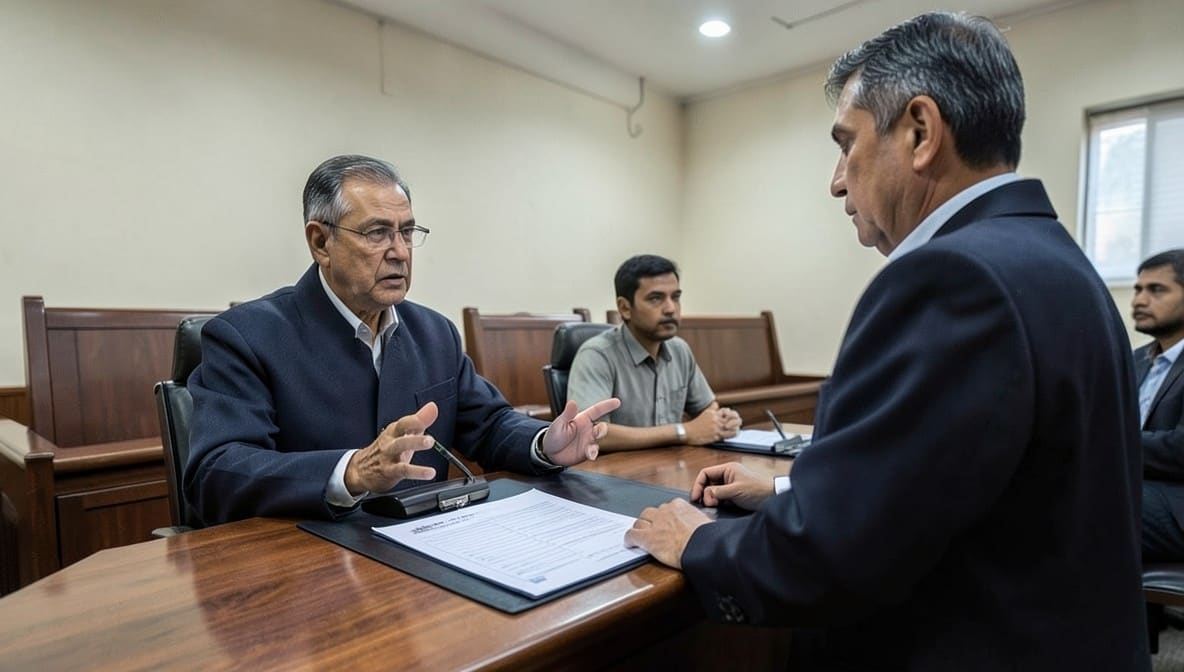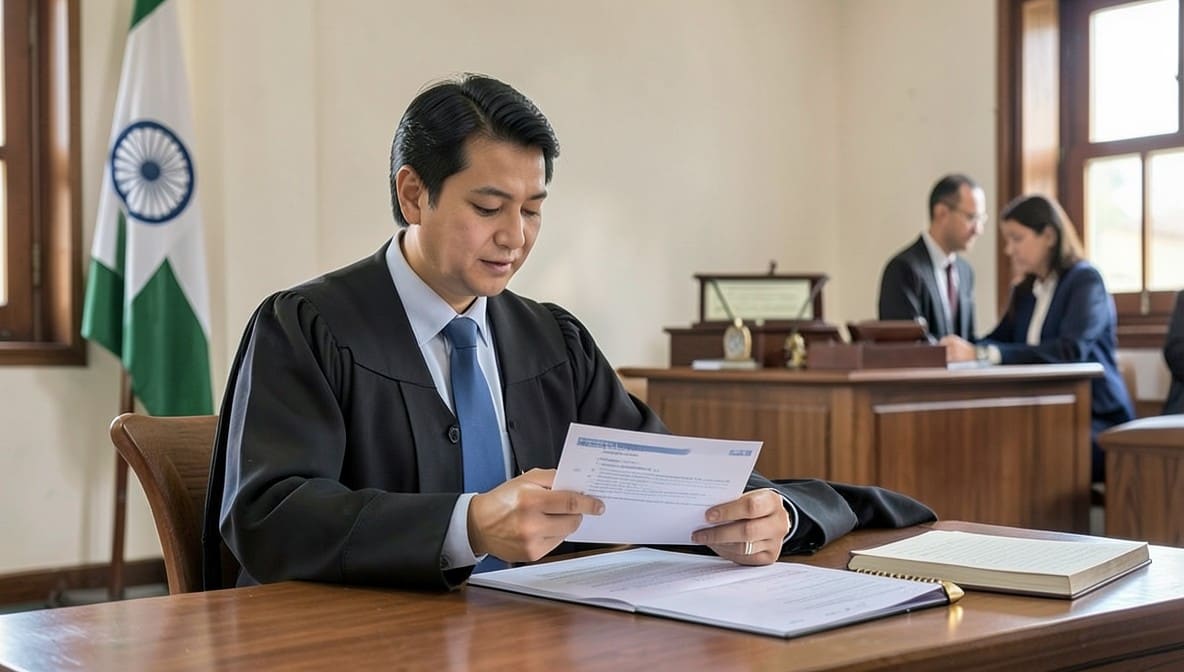
In a significant order balancing the interests of justice and the rights of the accused, the Rajasthan High Court suspended the sentence of a convict who had been incarcerated for over six years in a sexual assault case. The Court relied on the absence of corroborative medical evidence, a non-supportive DNA/FSL report, and hostile witnesses to grant suspension of sentence under Section 389 of the BNSS (CrPC). This judgment underscores the importance of evidentiary standards in criminal trials and the discretionary power of appellate courts to suspend sentences pending appeal.
Background & Facts
The Dispute
The petitioner, Sushil Kumar, was convicted by the Additional Sessions Judge (Women Atrocities Cases), Bikaner, in Sessions Case No. 48/2020 for committing forcible sexual assault on a feeble-minded victim. The judgment of conviction was delivered on 05.07.2024, following which the petitioner filed an appeal and an application for suspension of sentence before the Rajasthan High Court.
Key Facts
- The petitioner was alleged to have committed forcible sexual assault on the victim, who is described as feeble-minded
- The petitioner had been in judicial custody for more than six years at the time of the application
- During the trial, most material witnesses turned hostile and did not support the prosecution’s case
- The prosecutrix’s statement, recorded with the help of an expert, alleged sexual assault by the petitioner
- Medical evidence and DNA/FSL report did not support the prosecution’s allegations
- The prosecution’s case was not corroborated by independent evidence, raising doubts about its veracity
Procedural History
- 05.07.2024: Conviction and sentencing by the Additional Sessions Judge, Bikaner, in Sessions Case No. 48/2020
- Post-05.07.2024: Appeal filed against the conviction (details of appeal filing date not specified)
- Post-05.07.2024: Application for suspension of sentence (S.B. Criminal Misc. Suspension Of Sentence Application (Appeal) No. 2360/2025) filed before the Rajasthan High Court
- 07.07.2026: Rajasthan High Court allows the application for suspension of sentence
The Parties' Positions
For the Petitioner
- Argued that the petitioner had been in judicial custody for more than six years without the appeal being heard
- Contended that most material witnesses turned hostile, undermining the prosecution’s case
- Highlighted that the prosecutrix’s statement lacked credibility and was unsupported by medical evidence
- Submitted that the DNA/FSL report did not support the prosecution’s allegations
- Assured the Court that the petitioner had no likelihood of absconding if released
- Cited substantial and arguable grounds for challenging the conviction, including the pendency of the appeal
For the Respondent
- Vehemently opposed the suspension of sentence, arguing that the conviction was based on cogent, reliable, and convincing evidence
- Emphasized that the prosecutrix’s statement, recorded with expert assistance, clearly alleged forcible sexual assault by the petitioner
- Contended that the gravity and seriousness of the offence warranted denial of bail
Relief Sought
The petitioner sought suspension of the sentence imposed by the trial court under Section 389 of the BNSS (CrPC) during the pendency of the appeal, along with release on bail subject to conditions.
The Legal Issue
The central question before the Court was whether the sentence awarded to the petitioner should be suspended pending appeal, considering:
- The length of incarceration (over six years) without the appeal being heard
- The lack of corroborative medical evidence and a non-supportive DNA/FSL report
- The hostile witnesses who did not support the prosecution’s case
- The gravity of the offence and the prosecution’s reliance on the prosecutrix’s statement
Arguments Presented
For the Petitioner
- Relied on the absence of medical evidence and the non-supportive DNA/FSL report to argue that the prosecution’s case was not established beyond reasonable doubt
- Highlighted that most witnesses turned hostile, further weakening the prosecution’s case
- Submitted that the prosecutrix’s statement lacked credibility as it was unsupported by independent evidence
- Assured the Court that the petitioner would not abscond or flee from justice if released
- Cited pendency of the appeal and the delay in hearing as grounds for suspending the sentence
For the Respondent
- Contended that the conviction was based on cogent evidence, including the prosecutrix’s statement recorded with expert assistance
- Argued that the gravity of the offence and the seriousness of the allegations warranted denial of suspension of sentence
- Submitted that the prosecution’s case was reliable and that the petitioner did not deserve to be enlarged on bail
The Court's Analysis
The Court undertook a balancing exercise between the rights of the accused and the interests of justice, particularly in light of the evidentiary gaps in the prosecution’s case. The Court observed:
"Upon consideration of the submissions advanced at the Bar and having regard to the facts and circumstances of the case as borne out from the record, particularly the fact that applicant-appellant has already remained in incarceration for more than six years and the medical evidence and DNA/FSL report does not prima facie establish the case set up by the prosecution, this Court is of the opinion that it is a fit case for suspending the sentence awarded to the accused-appellant during the pendency of the present appeal."
The Court’s reasoning hinged on the following key principles:
-
Evidentiary Standards: The Court emphasized that the prosecution’s case was not supported by medical evidence or the DNA/FSL report, which are critical in sexual assault cases. The lack of corroboration raised reasonable doubts about the veracity of the allegations.
-
Hostile Witnesses: The fact that most material witnesses turned hostile during the trial significantly weakened the prosecution’s case. The Court noted that this undermined the reliability of the evidence presented.
-
Length of Incarceration: The petitioner had been in judicial custody for more than six years without the appeal being heard. The Court recognized that this prolonged incarceration, coupled with the delay in appellate proceedings, warranted suspension of the sentence.
-
Discretionary Power Under Section 389 BNSS (CrPC): The Court reiterated its discretionary power to suspend sentences pending appeal, particularly when the evidence on record does not prima facie establish the prosecution’s case. This discretion is exercised keeping in mind the balance between individual liberty and the interests of justice.
-
No Likelihood of Absconding: The petitioner’s assurance that he would not abscond or flee from justice if released was considered a mitigating factor in granting suspension of sentence.
The Verdict
The Rajasthan High Court allowed the application for suspension of sentence under Section 389 of the BNSS (CrPC). The Court ordered that:
- The sentence imposed by the Additional Sessions Judge, Bikaner, in Sessions Case No. 48/2020 (judgment dated 05.07.2024) shall remain suspended pending the final disposal of the appeal
- The petitioner shall be released on bail upon executing a personal bond of Rs. 50,000 with two sureties of Rs. 25,000 each, subject to the following conditions:
- The petitioner shall appear before the trial court in January of every year until the appeal is decided
- If the petitioner or his sureties change their place of residence, they shall inform the trial court and the High Court counsel in writing
- The trial court shall maintain a separate file for the petitioner’s attendance, registered as a Criminal Misc. Case related to the original case
- The trial court shall not include this file in statistical records relating to pendency and disposal of cases
- If the petitioner fails to appear before the trial court, the trial judge shall report the matter to the High Court for cancellation of bail
What This Means For Similar Cases
Evidentiary Gaps Can Undermine Prosecution’s Case
This judgment reinforces the principle that criminal convictions must be based on robust and corroborative evidence. Practitioners should note:
- Medical evidence and forensic reports (such as DNA/FSL reports) are critical in sexual assault cases. Their absence or non-supportive findings can raise reasonable doubts about the prosecution’s case
- Hostile witnesses can significantly weaken the prosecution’s narrative, particularly if they are material witnesses
- Courts are reluctant to uphold convictions where the evidence is inconsistent or unsupported by independent corroboration
Suspension of Sentence: A Balancing Act
The Court’s decision highlights the discretionary power of appellate courts to suspend sentences pending appeal. Key takeaways include:
- Prolonged incarceration without the appeal being heard is a strong ground for suspension of sentence
- The gravity of the offence alone is not sufficient to deny suspension if the evidence on record is weak
- Courts will weigh the rights of the accused against the interests of justice, particularly when the prosecution’s case is not prima facie established
Conditions for Bail: Ensuring Compliance
The Court imposed strict conditions for the petitioner’s release, emphasizing the need for compliance and accountability. Practitioners should ensure:
- Clear communication of bail conditions to clients, including obligations to appear before the trial court and inform changes of address
- Proper documentation of attendance and compliance to avoid cancellation of bail
- Coordination with trial courts to maintain separate records for bail-related proceedings
This judgment serves as a reminder of the importance of evidentiary standards in criminal trials and the discretionary power of appellate courts to suspend sentences when justice so demands.