In a significant affirmation of the right to life and personal liberty, the Rajasthan High Court has directed state authorities to provide adequate protection to a couple who performed a love marriage against parental opposition. Relying on the Supreme Court's precedent in Lata Singh v. State of U.P., the Court emphasized that the state must ensure the safety of individuals exercising their constitutional rights, even when faced with threats from private parties.
Background & Facts
The Dispute
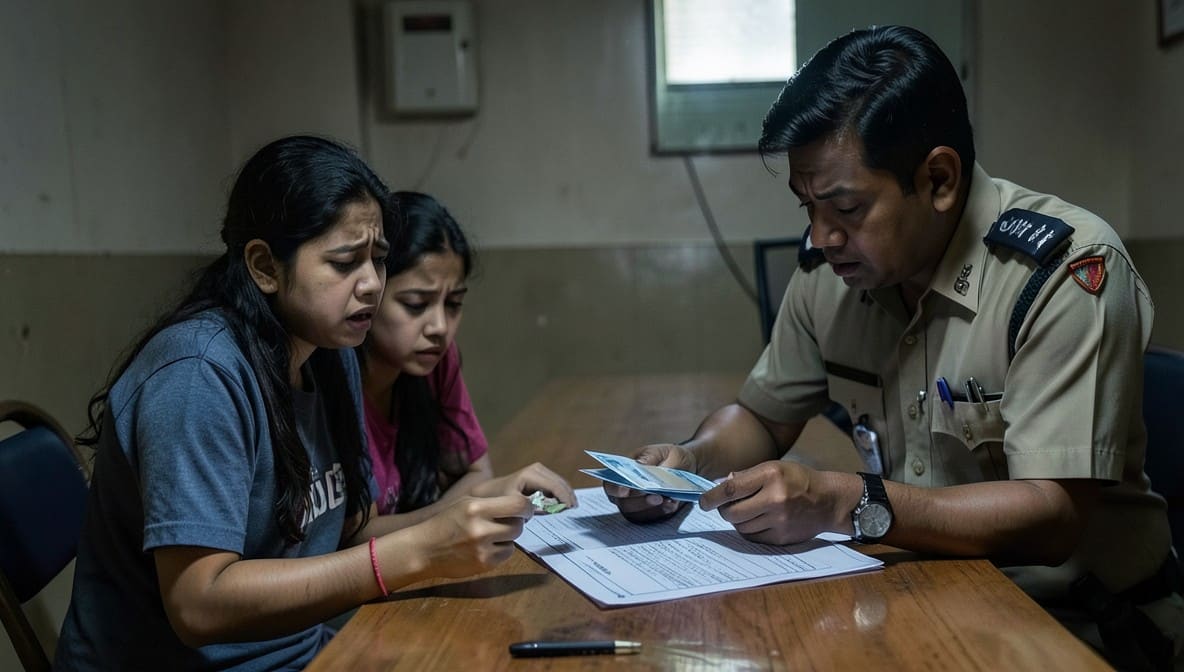
The petitioners, Manshi Kachhawaha (aged about 18 years) and Prince Gehlot (aged about 22 years), claim to have entered into a love marriage against the wishes of their parents. Manshi is the daughter of Surendra Singh Kachhawaha and Savita Kachhawaha, while Prince is the son of Tikam Ram. Both petitioners are major individuals, as evidenced by the documents filed before the Court. The marriage was allegedly performed without the consent of their families, leading to perceived threats to their lives from their relatives.
Key Facts
- The petitioners are majors, as established by the documents filed on record
- They performed a love marriage, which was opposed by their parents
- The petitioners allege a threat to their lives from private respondents (their relatives)
- They approached the concerned authorities (respondents 1-4) for protection, but no action was taken
- The marriage ceremony documents and age proofs were submitted to the Court
Procedural History
- Date of Marriage: Not explicitly mentioned, but inferred to be recent before filing
- Date of Filing: The writ petition (S.B. Criminal Writ Petition No. 3150/2026) was filed in 2026
- 07.07.2026: The Rajasthan High Court disposed of the petition with directions to the respondent authorities
Relief Sought
The petitioners sought a direction under Article 226 of the Constitution of India for the respondent authorities to provide them with adequate security and protection against threats from their relatives.
The Legal Issue
The central question before the Court was whether the state is obligated to provide protection to individuals who exercise their constitutional right to marry against parental opposition, even when the threat emanates from private parties (relatives) rather than state actors.
Arguments Presented
For the Petitioners
The petitioners relied on the judgment in Lata Singh v. State of U.P. (AIR 2006 SC 2522) to argue that the state has a duty to protect individuals exercising their fundamental rights, including the right to marry a person of their choice. They contended that the failure of the respondent authorities to act on their request for protection amounted to a violation of their right to life under Article 21 of the Constitution.
For the Respondents
The state, represented by the Public Prosecutor, did not contest the petitioners' claims but was directed to take appropriate action based on the Court's order. The judgment does not record any specific counter-arguments from the respondents.
The Court's Analysis
The Court observed that the petitioners, being majors, had the constitutional right to marry a person of their choice, as established in Lata Singh v. State of U.P.. The judgment in Lata Singh held that the right to marry is a part of the right to life under Article 21 and that the state must protect individuals from threats, even when such threats originate from private parties. The Court noted:
"Taking cue from the judgment rendered by the Hon'ble Supreme Court in the case of Lata Singh Vs. State of U.P. Reported in AIR 2006 SC 2522, the prayer made by the petitioners for directing the concerned respondent authorities to provide protection to the petitioners deserves to be accepted."
The Court further directed the respondent authorities to enquire into the matter and provide protection to the petitioners as and when warranted. The judgment underscores the state's duty to ensure that no harm is caused to individuals exercising their constitutional rights, even in the face of opposition from private parties.
The Verdict
The Rajasthan High Court disposed of the writ petition with the following directions:
- The concerned respondent authorities (respondents 1-4) shall enquire into the matter and provide adequate protection to the petitioners as and when warranted
- The authorities shall ensure that no harm is caused to the petitioners, who have exercised their right to marry against parental opposition
- The petition was disposed of with the above directions, without any quantified monetary relief or specific compliance deadline
What This Means For Similar Cases
The State's Duty to Protect Extends to Private Threats
This judgment reaffirms that the state's obligation to protect individuals under Article 21 is not limited to threats from state actors. Even when the threat emanates from private parties (such as relatives in cases of love marriages), the state must take proactive steps to ensure the safety of the individuals. Practitioners can rely on this judgment to argue for police protection in cases where:
- Couples face threats from family members due to inter-caste, inter-religious, or love marriages
- Individuals exercise constitutional rights (e.g., freedom of choice in marriage) against societal or familial opposition
- The state fails to act on complaints of threats from private parties
Love Marriage and Constitutional Rights
- The judgment reinforces the principle established in Lata Singh v. State of U.P. that the right to marry a person of one's choice is a fundamental right under Article 21
- Courts can direct police authorities to provide protection even in the absence of an FIR or criminal complaint, based on a credible threat perception
- The burden lies on the state to enquire into the matter and take preventive action, rather than waiting for harm to occur
Practical Implications for Law Enforcement
- Police authorities must treat requests for protection in love marriage cases with urgency, especially when the threat is from close relatives
- Failure to provide protection could expose the state to liability under Article 226 for violation of Article 21
- Practitioners should cite this judgment to seek interim protection orders in similar cases, even before formal criminal proceedings are initiated