Gauhati High Court judgments

202 Gauhati High Court judgments explained in plain English: what was decided, the law applied and why it matters. Page 2 of 9.

Contributory negligence cannot be presumed; insurer must pay full compensation under Motor Vehicles Act | Motor Accident Claim Appeal : Gau HC
Case Law Analysis
|Gauhati High Court

Contributory negligence cannot be presumed; insurer must pay full compensation under Motor Vehicles Act | Motor Accident Claim Appeal : Gau HC

United India Insurance was ordered to pay the entire Rs 67.12 lakh compensation with interest after the Gauhati High Court ruled that contributory negligence must be proved by evidence and cannot be inferred. The judgment underscores that insurers cannot rely on a presumption of driver fault in motor accident claims. Claimants and insurers alike must base any reduction in award on concrete proof of negligence.

Cancellation of Tender Without Reason Under Section 26(3) of Assam Procurement Act Void | Bidder Awarded : Gauhati HC
Case Law Analysis
|Gauhati High Court

Cancellation of Tender Without Reason Under Section 26(3) of Assam Procurement Act Void | Bidder Awarded : Gauhati HC

The Gauhati High Court nullified a tender cancellation because the authority failed to give reasons as mandated by Section 26(3) of the Assam Procurement Act, 2017, and ordered the contract awarded to the petitioner, the lowest evaluated bidder. The ruling underscores the duty to communicate cancellation reasons, protecting bidders in future procurements.

Prevention of Corruption Act | No Prior Sanction Under Section 17A Required for Disproportionate Assets Offences: Gauhati HC
Case Law Analysis
|Gauhati High Court

Prevention of Corruption Act | No Prior Sanction Under Section 17A Required for Disproportionate Assets Offences: Gauhati HC

Gauhati High Court rules that offences involving disproportionate assets under the Prevention of Corruption Act do not require prior sanction under Section 17A, reinforcing that quashing proceedings at the trial stage should be exceptional. This holding clarifies the procedural safeguards for prosecuting public servants accused of amassing assets beyond known sources of income.

Bank Account Freeze Under Cyber Fraud Probe | Fundamental Rights Override Blanket Lien: Gauhati HC Directs Partial Defreezing
|Gauhati High Court

Bank Account Freeze Under Cyber Fraud Probe | Fundamental Rights Override Blanket Lien: Gauhati HC Directs Partial Defreezing

Gauhati High Court rules that freezing an entire bank account under cyber fraud allegations without individualized scrutiny violates fundamental rights. While upholding investigative needs, the Court directed defreezing of the account, retaining only Rs. 2,22,500 as lien-a precedent for proportionality in financial investigations affecting livelihoods and business operations.

Rule 64 Assam Minor Mineral Rules | Statutory Royalty Demand Enforceable Even Without Extraction Permit: Gauhati HC
Case Law Analysis
|Gauhati High Court

Rule 64 Assam Minor Mineral Rules | Statutory Royalty Demand Enforceable Even Without Extraction Permit: Gauhati HC

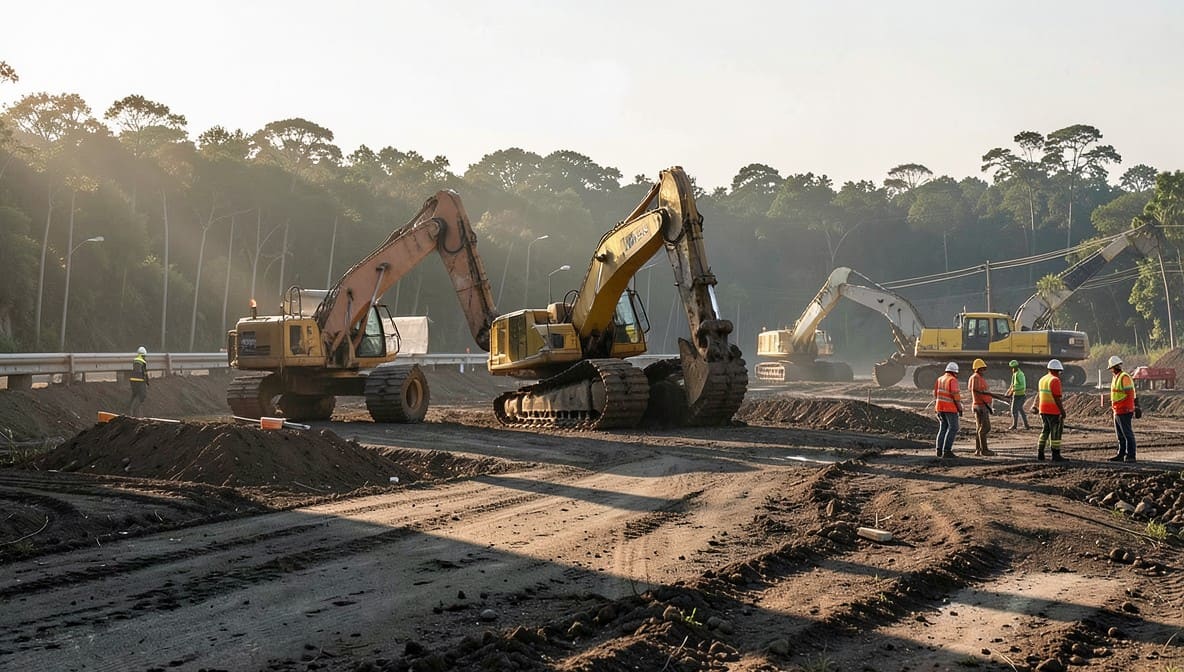
Gauhati HC upheld a ₹40 crore royalty demand against Simplex Infrastructures for extracting minor minerals without a permit under NH-52 project, ruling Rule 64 Assam Minor Mineral Rules imposes strict liability regardless of procedural lapses. The judgment reinforces statutory compliance obligations for contractors in infrastructure projects involving mineral extraction.

Assam Minor Mineral Rules | Forest Royalty on Excavated Earth Requires Documentary Proof for Internal Reuse Exemption: Gauhati HC
Case Law Analysis
|Gauhati High Court

Assam Minor Mineral Rules | Forest Royalty on Excavated Earth Requires Documentary Proof for Internal Reuse Exemption: Gauhati HC

Gauhati HC rules that contractors must provide verifiable documentation under Assam Minor Mineral Rules to claim exemption from forest royalty on excavated earth reused internally in infrastructure projects. The court held that writ jurisdiction cannot bypass statutory compliance, setting a precedent for strict adherence to procedural proofs in mining and environmental law disputes.

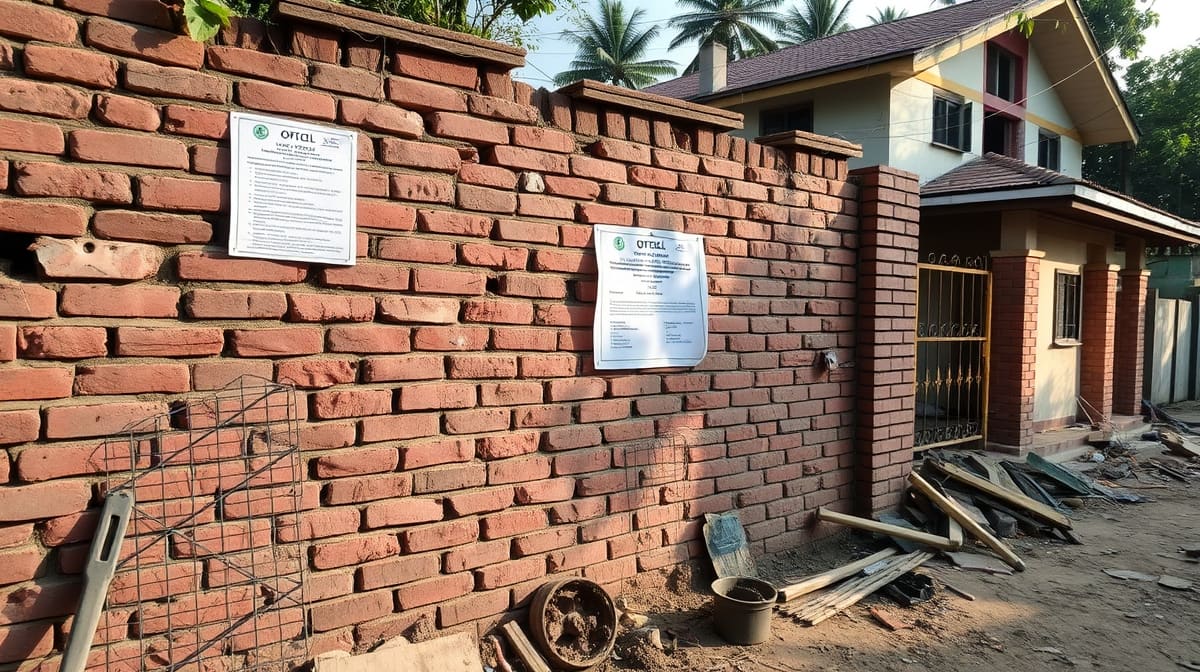
Article 226 | Writ Petition for Unauthorised Construction Dismissed Without Exhausting GMDA Act Appeal Remedy : Gauhati HC
Case Law Analysis
|Gauhati High Court

Article 226 | Writ Petition for Unauthorised Construction Dismissed Without Exhausting GMDA Act Appeal Remedy : Gauhati HC

Gauhati High Court reinforces the exhaustion doctrine by dismissing a writ petition challenging a demolition order for unauthorised construction, directing petitioners to first pursue the statutory appeal under the GMDA Act. The ruling underscores that Article 226 cannot be invoked bypassing available statutory remedies, impacting property owners and developers in urban development disputes.

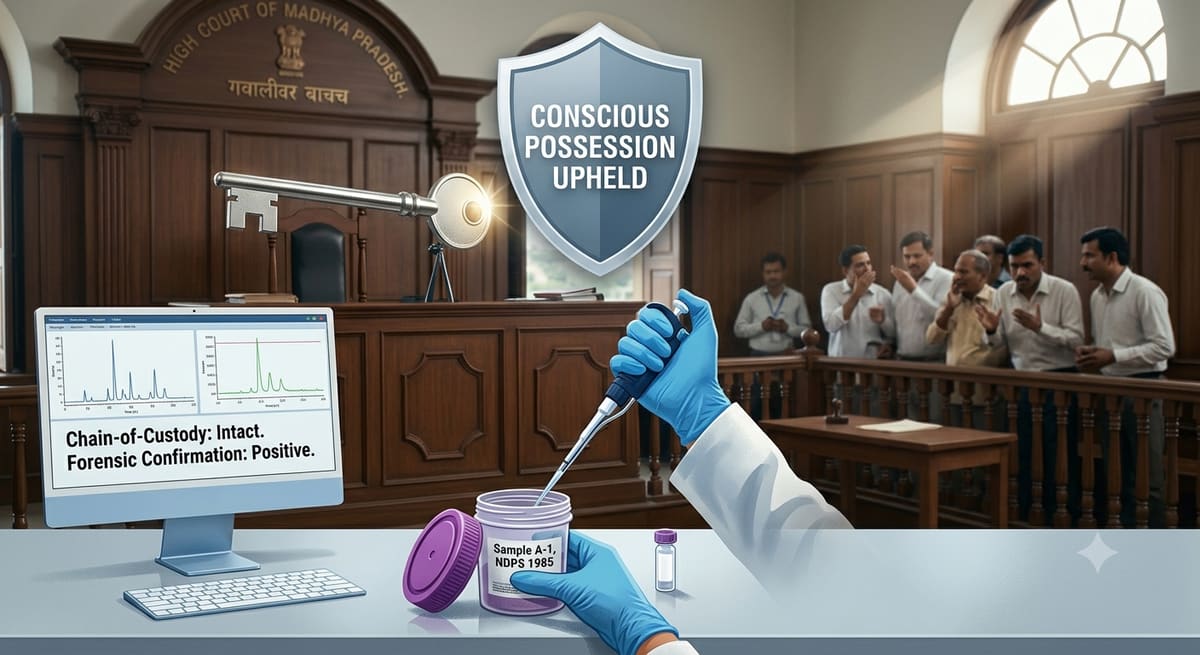
Conscious Possession Under NDPS Act Upheld Despite Witness Contradictions When Forensic and Chain-of-Custody Evidence Is Unbroken : Gauhati HC
Case Law Analysis
|Gauhati High Court

Conscious Possession Under NDPS Act Upheld Despite Witness Contradictions When Forensic and Chain-of-Custody Evidence Is Unbroken : Gauhati HC

The Gauhati High Court affirmed that minor inconsistencies in witness testimony do not invalidate a conviction under the NDPS Act when forensic analysis and unbroken chain of custody establish deliberate possession. This reinforces that procedural hiccups cannot override substantive evidence in drug trafficking cases, setting a clear standard for trial courts handling similar evidentiary challenges.

Assam RTPS Act, 2012 Section 10 | Delay in Converting Allotment Certificate to Periodic Patta Requires Exhaustion of First Appellate Remedy: Gauhati HC
Case Law Analysis
|Gauhati High Court

Assam RTPS Act, 2012 Section 10 | Delay in Converting Allotment Certificate to Periodic Patta Requires Exhaustion of First Appellate Remedy: Gauhati HC

The Gauhati High Court has ruled that petitioners seeking conversion of allotment certificates to periodic pattas must first file an appeal before the First Appellate Authority within 30 days, as mandated by the Assam Right to Public Services Act, 2012. This reinforces that writ jurisdiction cannot bypass statutorily prescribed administrative appeals, affecting thousands of landholders in Assam reliant on formal land records for tenure security.

Article 235 | Registrars of Labour Courts and Industrial Tribunals Belong to Judicial Service; High Court Holds Exclusive Control Over Transfers : GAHC
Case Law Analysis
|Gauhati High Court

Article 235 | Registrars of Labour Courts and Industrial Tribunals Belong to Judicial Service; High Court Holds Exclusive Control Over Transfers : GAHC

The Gauhati High Court has ruled that Registrars in Labour Courts and Industrial Tribunals are part of the judicial service under Article 235, stripping the Labour Department of any authority to transfer them. This decision reinforces judicial independence by placing administrative control firmly with the High Court, setting a precedent for similar tribunals across India.

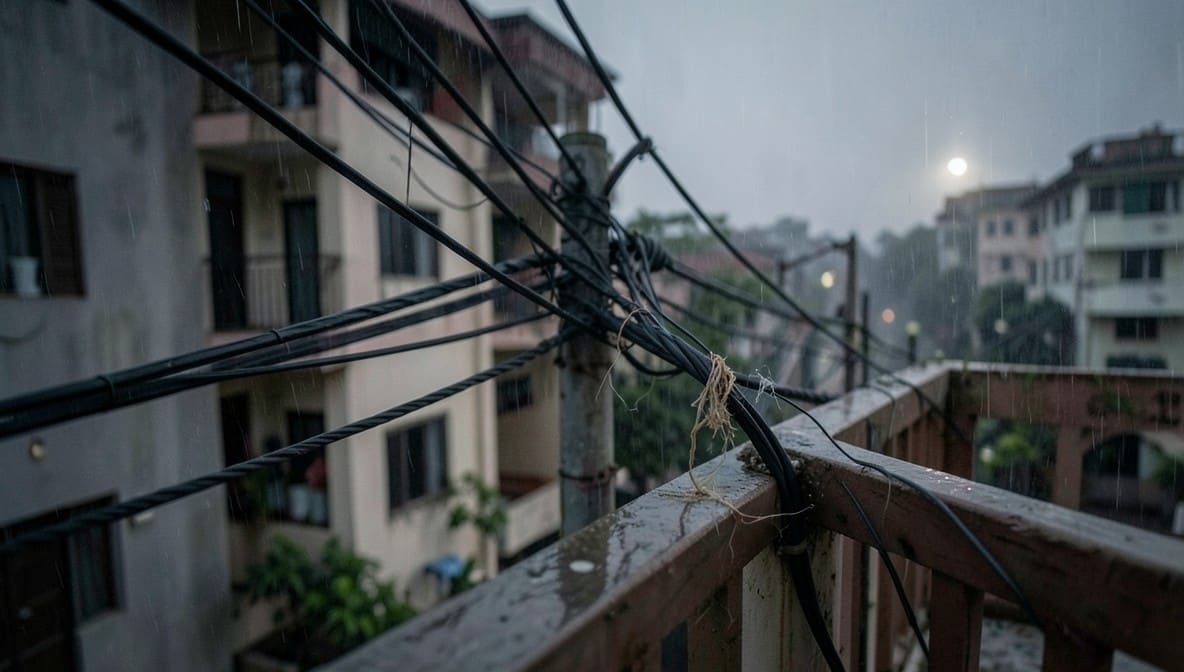
AERC Regulations 2019 | Representation Against Electricity Provider Must Be Treated as Formal Compensation Claim; Fault-Based Liability Triggers Rs. 4 Lakh + 12% Interest : GAHC
Case Law Analysis
|Gauhati High Court

AERC Regulations 2019 | Representation Against Electricity Provider Must Be Treated as Formal Compensation Claim; Fault-Based Liability Triggers Rs. 4 Lakh + 12% Interest : GAHC

The Gauhati High Court has ruled that a bereaved family’s representation to an electricity licensee must be treated as a formal compensation claim under AERC Regulations 2019, triggering mandatory adjudication of fault. If liability is proven, the licensee is obligated to pay Rs. 4 lakh plus 12% interest - setting a precedent for procedural fairness in statutory electrical fatality claims.

Section 5 Limitation Act | Negligence and Inaction Disentitle Condonation of Delay, Even in Immovable Property Disputes : Gauhati HC
Case Law Analysis
|Gauhati High Court

Section 5 Limitation Act | Negligence and Inaction Disentitle Condonation of Delay, Even in Immovable Property Disputes : Gauhati HC

Gauhati High Court refuses to condone a 1,163-day delay in filing an appeal, holding that negligence and failure to monitor court proceedings disentitle relief under Section 5 of the Limitation Act. The ruling underscores that litigants cannot rely on procedural lapses by courts to excuse their own inaction, setting a strict standard for condonation of delay.

Double Jeopardy & Proportionality in Disciplinary Proceedings | Gauhati HC Quashes Penalty for Lack of Mala Fide Intent : Gauhati HC
Case Law Analysis
|Gauhati High Court

Double Jeopardy & Proportionality in Disciplinary Proceedings | Gauhati HC Quashes Penalty for Lack of Mala Fide Intent : Gauhati HC

Gauhati High Court ruled that disciplinary penalties must align with the principle of proportionality and cannot be imposed without establishing mala fide intent. The court set aside the penalty and remanded the case for reconsideration of post-retirement benefits, reinforcing that double jeopardy protections extend to service law proceedings.

Section 4 POCSO Act | Child Victim Testimony Alone Sufficient for Conviction Despite Intoxication and Minor Inconsistencies : Gauhati HC
Case Law Analysis
|Gauhati High Court

Section 4 POCSO Act | Child Victim Testimony Alone Sufficient for Conviction Despite Intoxication and Minor Inconsistencies : Gauhati HC

Gauhati High Court rules that a child victim's testimony under Section 4 of the POCSO Act requires no corroboration if it is cogent, even when the accused claims intoxication or minor inconsistencies exist. The judgment reinforces the primacy of victim testimony in penetrative sexual assault cases, impacting criminal appeals under the POCSO framework.

Section 482 CrPC | Quashing DV Act Proceedings Limited to Non-Resident Relatives: Gauhati HC Upholds Trial for Core Family Members
|Gauhati High Court

Section 482 CrPC | Quashing DV Act Proceedings Limited to Non-Resident Relatives: Gauhati HC Upholds Trial for Core Family Members

Gauhati High Court clarifies that quashing under Section 482 CrPC in Domestic Violence Act cases is restricted to relatives not residing with the aggrieved party. The ruling mandates trial for the husband, father-in-law, and mother-in-law, emphasizing that specific allegations of abuse cannot be dismissed at the quashing stage. This sets a precedent for stricter scrutiny of DV Act proceedings against immediate family members.