The Gauhati High Court clarified the limits of the sealing power under Section 67(4) of the Assam GST Act, 2017, holding that a premises cannot be sealed after a search when access was not denied, and that the seal cannot be used to store seized items.
Background & Facts
The Dispute
The petitioner, Sri Surendra Sharma, a tax consultant operating the proprietorship M/s Sharma and Associates at Station Road, Bokajan Bazar, Karbi Anglong, Assam, challenged the sealing of his office by the State GST Department. The sealing was purportedly exercised under Section 67(4) of the Assam Goods and Services Tax Act, 2017.
Key Facts
- The petitioner provides GST, income-tax and allied tax consultancy services.
- Office location: Station Road, Bokajan Bazar, Bokajan, Diphu, Karbi Anglong, Assam-782480.
- 30.03.2026: Respondent No. 3 (Principal Commissioner, State Tax) issued a search authorization (Form GST INS-01, Ref. No. ZD180326024870F, Case ID AD1803260044938).
- 01.04.2026: Respondent No. 4 (Superintendent, GST Intelligence & Enforcement) conducted the search, seized documents, digital signatures and electronic items, and issued an Order of Seizure (Form GST INS-02).
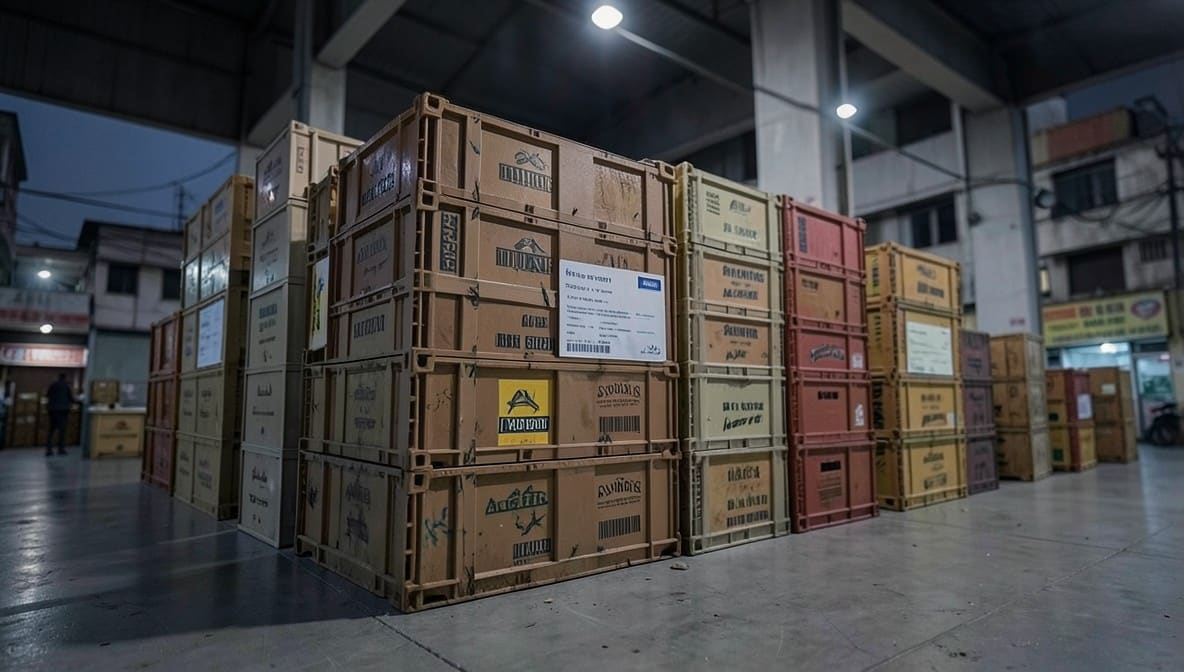
- 01.04.2026: An Order of Prohibition (Form GST INS-03) was issued prohibiting the petitioner from dealing with two desktops, six laptops, 426 files, printer, batteries, inverter, air-conditioners and refrigerator.
- The seized items were handed back to the petitioner with a direction that they could not be removed without prior permission.
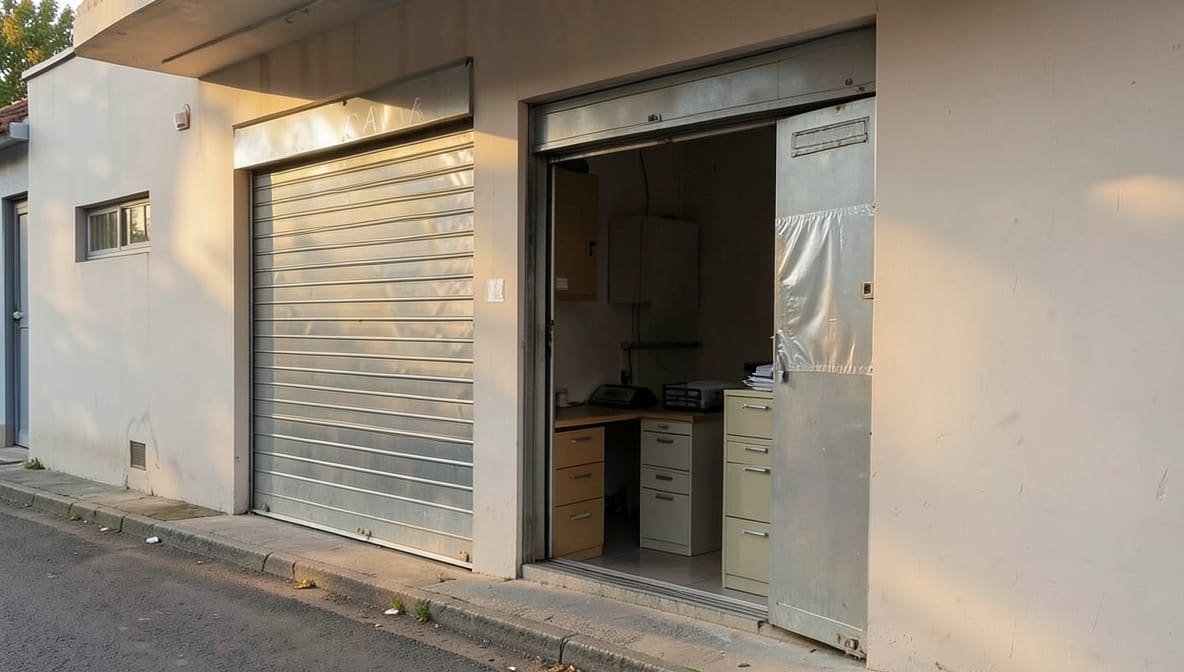
- The same day, the office was sealed with a notice on the shutter reading “SEALED BY STATE GST DEPARTMENT, ASSAM, ORDER OF PROHIBITION”.
- 02.04.2026: The petitioner was arrested in connection with case No. CT/ENF/ARST/2026/06.
- 08.04.2026: Bail was granted by the Chief Judicial Magistrate, Kamrup (M).
- 24.04.2026 and 22.05.2026: Petitioner submitted representations requesting release of seized mobile phones and laptops, de-sealing of the office and withdrawal of the prohibition order.
- 10.06.2026: The High Court issued notice, returning the petition for hearing within two weeks.
- 07.08.2026: Judgment was reserved.
- 10.08.2026: Judgment pronounced.
Procedural History
- 01.04.2026: Search and seizure conducted; Order of Seizure and Order of Prohibition issued.
- 02.04.2026: Arrest of petitioner.
- 08.04.2026: Bail granted.
- 24.04.2026 & 22.05.2026: Petitioner’s representations to tax authorities.
- 10.06.2026: Writ petition notice issued.
- 07.08.2026: Judgment reserved.
- 10.08.2026: Judgment pronounced.
The Parties' Positions
- Petitioner: Argues that Section 67(4) is not a standalone power; it can be exercised only when access to the premises or relevant receptacles is denied. Since the petitioner allowed access during the search, sealing the office for four months is unlawful and exceeds the statutory mandate.
- Respondents (State Tax Department, Commissioner, Superintendent): Claim the petitioner is involved in large-scale tax evasion amounting to Rs 6,68,77,172.44 and that the seal is necessary to preserve evidence. They rely on Section 67(7), asserting that the six-month period for returning seized goods has not elapsed.
Relief Sought
The petitioner seeks quashing of the Order of Prohibition, removal of the seal, and restoration of possession of the office premises.
The Legal Issue
Whether the sealing of the petitioner’s office premises under Section 67(4) of the Assam GST Act, 2017 is permissible when the petitioner did not deny access during the search and when the seal is being used to store seized items beyond the search phase.
Arguments Presented
For the Petitioner
- Section 67(4) is ancillary to Section 67(2) and can be invoked only when access to the premises or a receptacle is denied.
- The power to seal is intended to facilitate the search, not to retain seized goods thereafter.
- The items listed in the Order of Prohibition are not “goods liable to confiscation” under Section 130 and therefore cannot be subject to a prohibition order.
- The six-month return rule under Section 67(7) does not justify continued sealing; the petitioner was not denied access.
For the Respondents
- The petitioner is alleged to have perpetrated tax fraud involving fake Input Tax Credit, justifying stringent measures.
- The seal prevents tampering with evidence pending investigation.
- Section 67(7) allows retention of seized goods for up to six months, extendable by six months on sufficient cause.
- The sealing is a precautionary measure, not a punitive action.
The Court's Analysis
The Court began by examining the text of Section 67. It reproduced Sub-Sections (2)-(11) and noted that Sub-Section (2) is the “heart and soul” of the search and seizure power, authorising a proper officer (not below the rank of Joint Commissioner) to search and seize when there are reasons to believe goods or documents are concealed.
"The power to seal under Section 67(4) is conferred only in conjunction with the power of search and seizure under Section 67(2)."
The Court emphasized that the legislature deliberately made Section 67(4) dependent on Section 67(2), stating that sealing may be exercised where access to the premises, almirah, electronic devices, box or receptacle is denied. The Court found no evidence that the petitioner denied access; the search was conducted with his cooperation and the seized items were handed back to him.
The Court further analysed the definitions of “goods”, “documents”, “books” and “things”. While “goods” are defined in Section 2(52) and “documents” in Section 2(41), “books” and “things” are not defined. The Court held that “things” is a residual category for physical objects not fitting the definition of “goods”. However, the items listed in the Order of Prohibition (desktops, laptops, refrigerators, etc.) are goods under the Act and are not “goods liable to confiscation” under Section 130; consequently, they cannot be subject to a prohibition order.
The Court examined the two provisos to Section 67(2). The first proviso applies only to goods, not to documents, books or things, limiting the scope of an Order of Prohibition to goods liable for confiscation. The second proviso restricts the retention of seized items to the period necessary for examination and inquiry. Since the seized books and documents were handed back to the petitioner, the Court inferred that the officer considered them no longer necessary for the investigation, rendering the continued seal unlawful.
Regarding Section 67(7), the Court observed that the six-month period for returning seized goods is triggered only when a notice is not issued within six months. The seal, however, was imposed immediately after the search, not as a measure to retain goods beyond the six-month window. Hence, the provision does not legitimize the prolonged sealing.
Balancing the equities, the Court recognized the ongoing investigation but stressed that the seal cannot be used as a storage facility for seized items. It therefore directed that the seal be removed and that any further retention of seized books or documents must be effected through a fresh seizure order, subject to the usual statutory safeguards.
The Verdict
The petition was allowed in part. The Court held that the sealing of the petitioner’s office premises was illegal, unauthorized and contrary to Section 67(4) of the Assam GST Act, 2017. It directed the Respondents, particularly Respondent No. 4, to de-seal the premises and hand over possession to the petitioner no later than 12.08.2026. The Order of Prohibition dated 01.04.2026 was set aside and quashed. The Respondents may retain the seized books, documents and things only if they issue a fresh Order of Seizure relating back to the original seizure dated 01.04.2026. No costs were awarded.
What This Means For Similar Cases
Section 67(4) Cannot Be Used Post-Search
- Sealing is permissible only during the active search phase when access is denied.
- Once the search concludes and items are seized, the power to seal lapses.
Seizure Custody Remains with Officer Until Formal Notice
- Seized books, documents or things must stay in the officer’s custody until a notice is issued or the statutory 30-day period expires.
- Handing over seized items to the taxpayer before a formal notice is contrary to Section 67(3) and (5).
Six-Month Return Rule Is Not a Shield for Premature Sealing
- Section 67(7) governs the return of goods only when no notice is issued within six months; it does not justify sealing the premises.
- Authorities must obtain a fresh seizure order if further retention of items is required after the initial search.
Practical takeaways for practitioners:
- Scrutinise the factual matrix to establish whether access was denied before invoking Section 67(4).
- Challenge any prolonged seal as ultra vires, especially when seized items have been returned.
- Cite the Court’s distinction between the power to seal and the power to retain seized goods when arguing for de-sealing.