Topic

Transport Law

Transport Law in India governs road transport regulations under the Motor Vehicles Act, including permits, insurance liability, compensation, and vehicle fitness standards.

60 articlesLatest July 2026
Carriers Act 1865, Section 7 | Absolute Liability for Transit Damage + Automatic Subrogation Valid Without Formal Assignment : Kerala HC
Case Law Analysis
|Kerala High Court

Carriers Act 1865, Section 7 | Absolute Liability for Transit Damage + Automatic Subrogation Valid Without Formal Assignment : Kerala HC

The Kerala High Court affirmed that common carriers are absolutely liable for goods damage during transit under Section 7 of the Carriers Act 1865, and that insurers automatically acquire subrogation rights upon indemnifying the consignor -无需 formal subrogation letters. This clarifies a critical procedural shortcut for insurance claims in logistics disputes, reducing litigation barriers for carriers and insurers alike.

Saved Permits Renewal Not Barred by 140km Limit if KSRTC Has Not Applied for New Service | Kerala HC
Case Law Analysis
|Kerala High Court

Saved Permits Renewal Not Barred by 140km Limit if KSRTC Has Not Applied for New Service | Kerala HC

Holders of saved permits issued before 9 May 2006 retain the right to renew their stage carriage permits regardless of route length, provided the Kerala State Road Transport Corporation has not applied for a new service on the same route. This ruling protects private operators from arbitrary denial of renewal and reinforces the conditional nature of KSRTC’s priority under the permit regime.

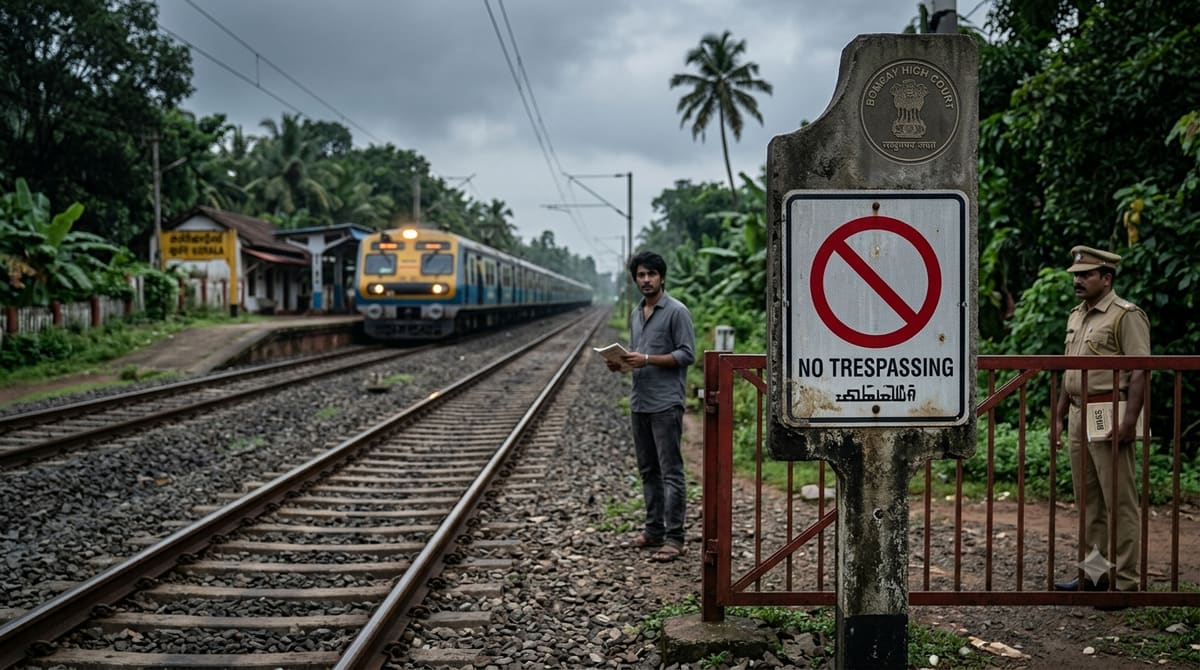
Section 124A Railways Act | Strict Liability Excludes Trespass-Related Deaths: Kerala HC Denies Compensation for Self-Inflicted Track Deaths
Case Law Analysis
|Kerala High Court

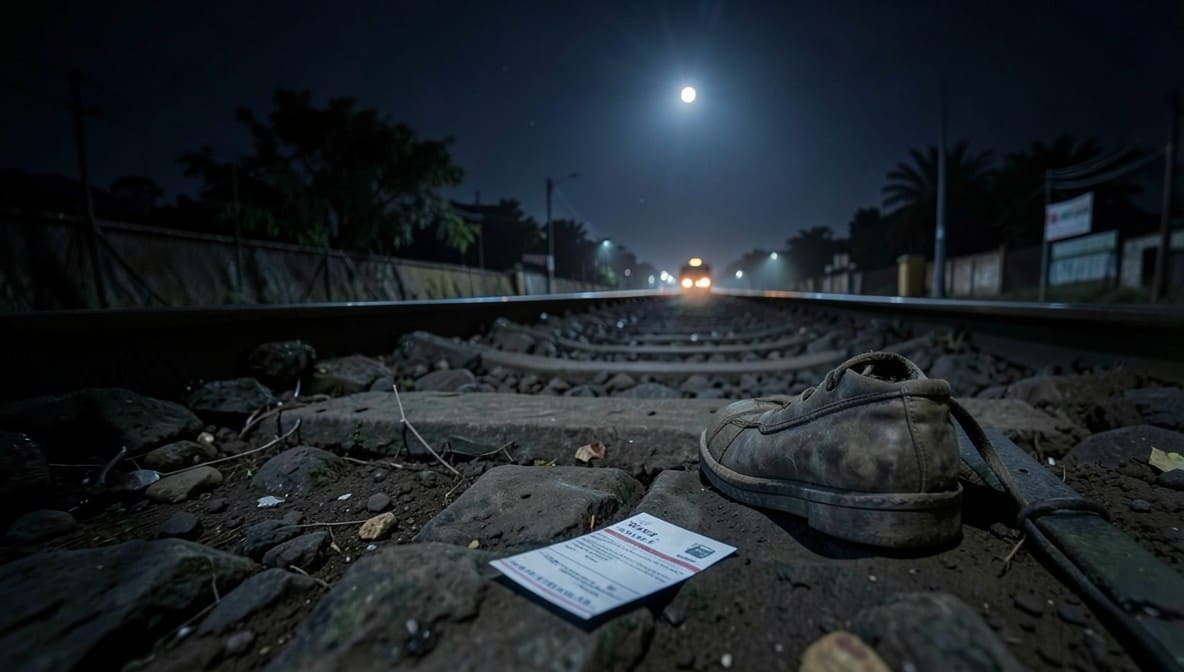
Section 124A Railways Act | Strict Liability Excludes Trespass-Related Deaths: Kerala HC Denies Compensation for Self-Inflicted Track Deaths

Kerala High Court holds that compensation under Section 124A of the Railways Act is not payable for deaths resulting from trespass on railway tracks, distinguishing such cases from accidents involving lawful passengers. The ruling clarifies that strict liability does not extend to self-inflicted injuries, impacting compensation claims for track-related fatalities.

Railways Act Section 123(c)(2) | Loss of Ticket Does Not Disqualify Bonafide Passenger Status in Untoward Incident Claims : Bombay HC
Case Law Analysis
|Bombay High Court

Railways Act Section 123(c)(2) | Loss of Ticket Does Not Disqualify Bonafide Passenger Status in Untoward Incident Claims : Bombay HC

The Bombay High Court ruled that a passenger who loses their ticket but was legitimately traveling remains a bonafide passenger under the Railways Act, making the railway liable for compensation in case of accidental fall from a train. This affirms strict liability for untoward incidents regardless of ticket possession, significantly expanding access to compensation for vulnerable travelers.

Gratuitous Passenger Status Does Not Bar Claim When Deceased Was Goods Carrier Who Completed Loading/Unloading | Motor Vehicles Act Section 166 : Karnataka HC
Case Law Analysis
|Karnataka High Court

Gratuitous Passenger Status Does Not Bar Claim When Deceased Was Goods Carrier Who Completed Loading/Unloading | Motor Vehicles Act Section 166 : Karnataka HC

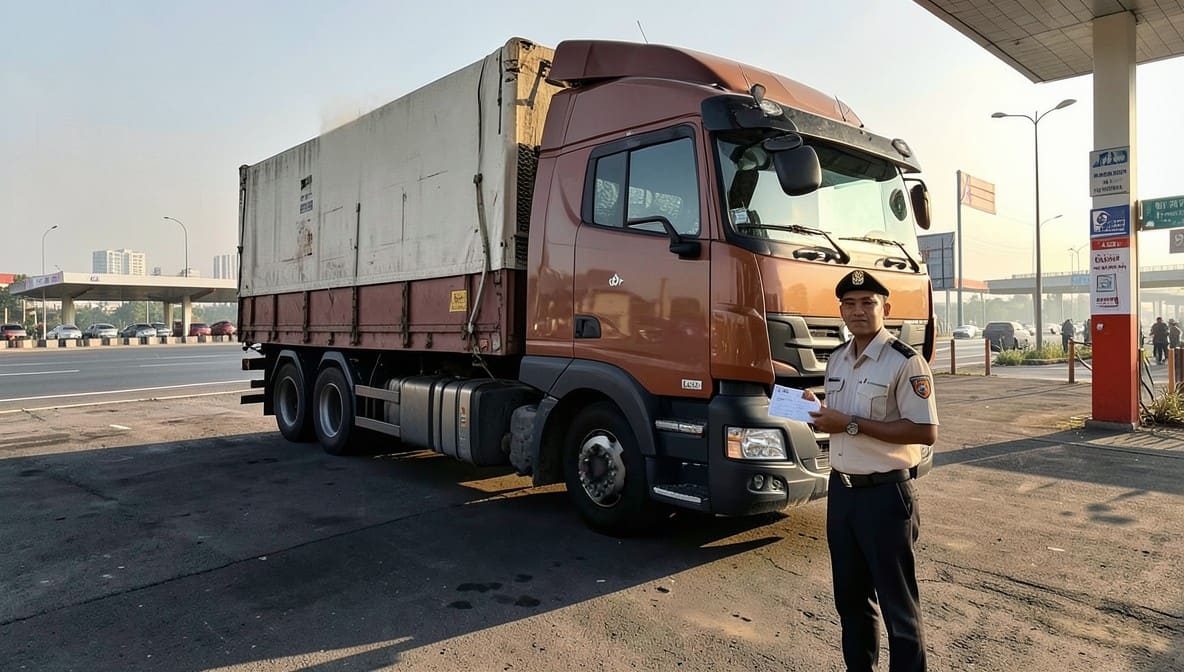
The Karnataka High Court ruled that a person who unloaded goods from a truck and was subsequently killed in an accident is not automatically a gratuitous passenger under the Motor Vehicles Act. Since the deceased was engaged in the carrier’s business and had not yet ceased to be functionally connected to the transport operation, the insurer remains liable under Section 166, reinforcing that liability turns on functional role, not mere passenger classification.

Railways Act Section 123(c)(ii) | Compensation Must Reflect Revised Rates in Force at Time of Award, Not Incident: Allahabad HC
Case Law Analysis
|Allahabad High Court

Railways Act Section 123(c)(ii) | Compensation Must Reflect Revised Rates in Force at Time of Award, Not Incident: Allahabad HC

The Allahabad High Court ruled that compensation for railway-related deaths must be calculated using the revised rates effective at the time of the tribunal's award, not at the time of the incident. This ensures claimants benefit from legislative enhancements in statutory compensation, reinforcing the principle that remedial statutes must be interpreted to maximize relief to victims.

Section 123(c)(2) Railways Act | Peeping Out of Moving Train Qualifies as 'Untoward Incident' for Compensation: Allahabad HC
Case Law Analysis
|Allahabad High Court

Section 123(c)(2) Railways Act | Peeping Out of Moving Train Qualifies as 'Untoward Incident' for Compensation: Allahabad HC

The Allahabad High Court has ruled that a passenger’s fatal fall after leaning out of a moving train to check the platform constitutes an 'untoward incident' under the Railways Act, entitling dependents to Rs. 4 lakh compensation plus 7% interest. This expands the scope of railway liability beyond mere operational failures to include passenger actions that are impulsive but not intentional self-harm, setting a critical precedent for future claims.

Motor Vehicles Act | Transport Permit is Inheritable Property; Renewal Mandatory Despite Delay if Succession Litigation Pending : Madras HC
Case Law Analysis
|Madras High Court

Motor Vehicles Act | Transport Permit is Inheritable Property; Renewal Mandatory Despite Delay if Succession Litigation Pending : Madras HC

Madras High Court rules that a transport permit under the Motor Vehicles Act is inheritable property, and its renewal cannot be denied merely due to delays beyond three months post-death if a partition suit is pending. The court held that preliminary decrees establishing enforceable interests obligate authorities to process renewals, ensuring legal heirs' rights are protected during succession disputes.

Section 149 MV Act | Insurer Liable for Gratuitous Passengers in Goods Vehicles Under 'Pay and Recover' Principle : Madras HC
Case Law Analysis
|Madras High Court

Section 149 MV Act | Insurer Liable for Gratuitous Passengers in Goods Vehicles Under 'Pay and Recover' Principle : Madras HC

Madras High Court reinforces that insurers must compensate accident victims in goods vehicles regardless of passenger status or driver's license validity, with the right to recover costs from the vehicle owner. This ruling upholds the 'pay and recover' doctrine under Section 149 of the Motor Vehicles Act, ensuring victim protection while balancing insurer rights.

Railways Act, 1989 | Non-Recovery of Ticket Does Not Invalidate Bona Fide Passenger Status if Circumstantial Evidence Confirms Journey : Delhi HC
Case Law Analysis
|Delhi High Court

Railways Act, 1989 | Non-Recovery of Ticket Does Not Invalidate Bona Fide Passenger Status if Circumstantial Evidence Confirms Journey : Delhi HC

The Delhi High Court ruled that the absence of a railway ticket is not fatal to a compensation claim if the deceased’s status as a bona fide passenger is established through witness testimony, GRP records, and post-mortem findings. This clarifies that beneficial legislation like the Railways Act must be interpreted liberally to protect vulnerable travelers in untoward incidents, shifting burden from formal proof to substantive evidence.

Motor Vehicles Act | Maxicabs Under 3,000 kg Gross Weight Exempt from Permit Requirement Under Section 66(3)(i) : MP HC Gwalior
Case Law Analysis
|Madhya Pradesh High Court

Motor Vehicles Act | Maxicabs Under 3,000 kg Gross Weight Exempt from Permit Requirement Under Section 66(3)(i) : MP HC Gwalior

The Madhya Pradesh High Court has ruled that vehicles classified as maxicabs with a gross vehicle weight below 3,000 kg are exempt from the permit requirement under Section 66(3)(i) of the Motor Vehicles Act, regardless of their use for hire or reward. This decision directly impacts insurance liability in accident claims involving small commercial passenger vehicles and clarifies a long-standing ambiguity for fleet operators and insurers.

Section 200(1) MV Act | Compounding Fee Mandates Release of Seized Overloaded Vehicle : Telangana HC
Case Law Analysis
|Telangana High Court

Section 200(1) MV Act | Compounding Fee Mandates Release of Seized Overloaded Vehicle : Telangana HC

Telangana High Court rules that vehicles seized for overloading offences must be released upon payment of the compounding fee under Section 200(1) of the Motor Vehicles Act, 1988, irrespective of the owner’s knowledge. The judgment reinforces the statutory right to compound offences, ensuring livelihood protection for transporters and vehicle owners.

Section 16(3) M.P. Motoryan Karadhan Adhiniyam | Prior Tax Assessment Mandatory Before Vehicle Seizure; RC Seizure Only Permissible Under Section 207 MV Act : MP HC Jabalpur
Case Law Analysis
|Madhya Pradesh High Court

Section 16(3) M.P. Motoryan Karadhan Adhiniyam | Prior Tax Assessment Mandatory Before Vehicle Seizure; RC Seizure Only Permissible Under Section 207 MV Act : MP HC Jabalpur

The Madhya Pradesh High Court has ruled that seizing a vehicle for tax dues without a prior assessment order under Section 16(3) of the M.P. Motoryan Karadhan Adhiniyam, 1991 is illegal. Authorities may only seize the Registration Certificate under Section 207 of the Motor Vehicles Act, not the vehicle itself, reinforcing that procedural fairness trumps coercive recovery in transport taxation.

Section 2(30) Motor Vehicles Act | Registered Owner Liable for Accident Compensation Despite Unregistered Sale Agreement : MP HC Gwalior
Case Law Analysis
|Madhya Pradesh High Court

Section 2(30) Motor Vehicles Act | Registered Owner Liable for Accident Compensation Despite Unregistered Sale Agreement : MP HC Gwalior

The Madhya Pradesh High Court reaffirms that under Section 2(30) of the Motor Vehicles Act, ownership is defined by RTO registration, not private sale agreements. This means sellers remain legally and financially responsible for accidents until ownership is formally transferred, placing the burden on buyers and sellers to complete RTO formalities to avoid liability.