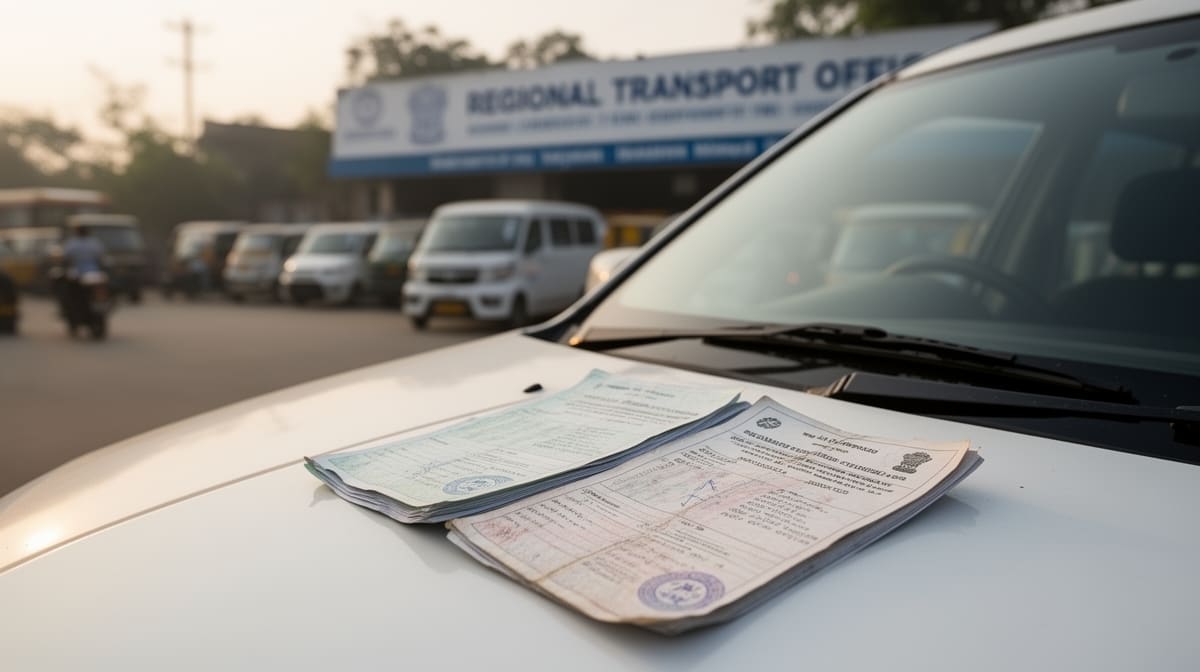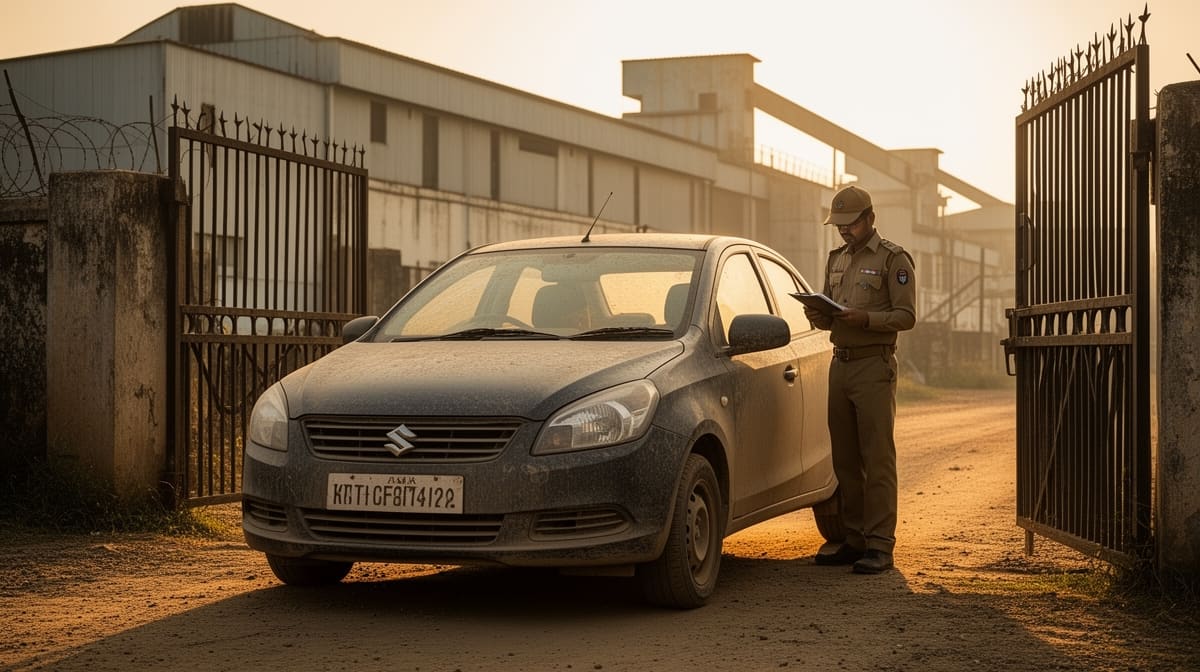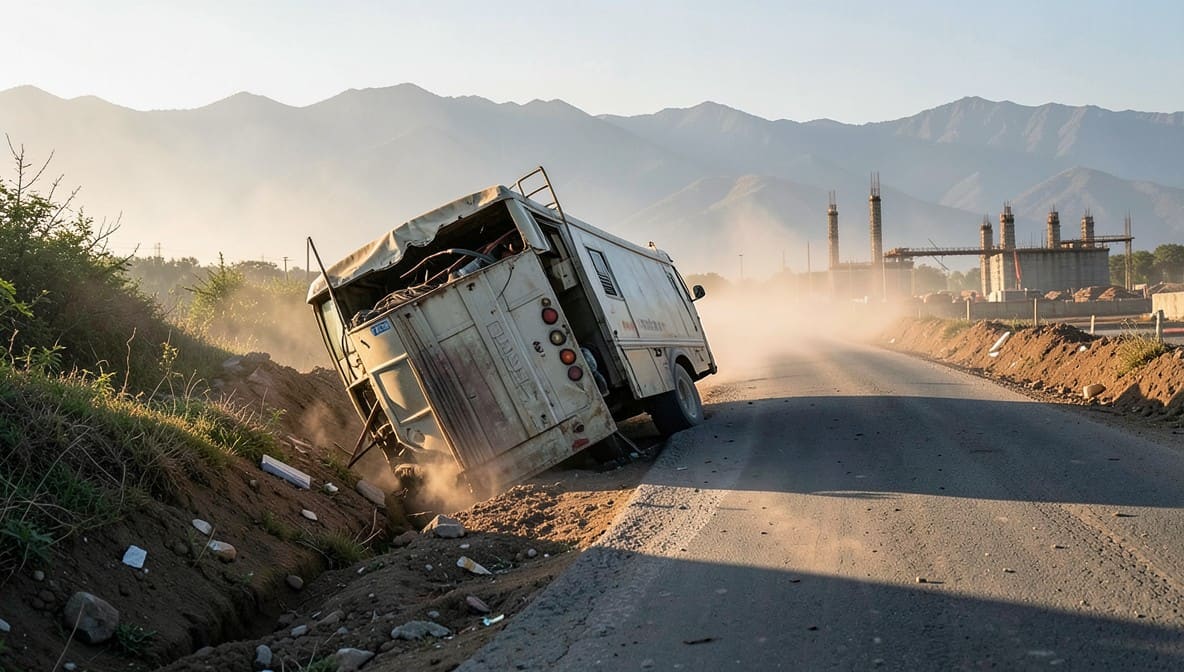
The Madhya Pradesh High Court has reaffirmed that the registered owner of a motor vehicle remains legally liable for compensation in accident claims, regardless of private sale agreements, if ownership transfer has not been formally recorded with the Regional Transport Office. This ruling reinforces the statutory framework under the Motor Vehicles Act, 1988, prioritizing victim protection over private contractual arrangements.
Background & Facts
The Dispute
The appellant, Suneel, was the registered owner of a motor vehicle involved in an accident on an unspecified date in 2018. The Motor Accident Claims Tribunal, Shivpuri, held him liable to pay compensation to the claimants, Smt. Rampyari Pal and others, who were victims of the accident. The appellant filed this appeal under Section 173(1) of the Motor Vehicles Act, 1988, challenging the award on the ground that he had sold the vehicle prior to the accident.
Key Facts
- The appellant entered into an agreement for sale of the vehicle with one Surendra Das prior to the accident
- The sale agreement stipulated that transfer of ownership would be effected only upon full payment of the sale consideration
- The sale consideration had not been fully paid at the time of the accident
- No application for transfer of ownership was filed or processed at the Regional Transport Office (RTO)
- The vehicle remained registered in the appellant’s name at the time of the accident
- The date of the accident and the finding of negligence by the Claims Tribunal are not disputed
Procedural History
- Date of accident: Unspecified, but occurred in 2018 prior to July 22
- 19/2018: Claim petition filed before Motor Accident Claims Tribunal, Shivpuri
- 22/07/2019: Claims Tribunal awarded compensation against the appellant as registered owner
- 08/04/2019: Appeal filed before the High Court of Madhya Pradesh at Gwalior (M.A. No. 4727 of 2019)
- 08/04/2026: Judgment delivered by the High Court
Relief Sought
The appellant sought to be absolved of liability to pay compensation, arguing that he was no longer the owner of the vehicle at the time of the accident. The claimants sought confirmation of the Tribunal’s award.
The Legal Issue
The central question was whether a person who remains the registered owner of a motor vehicle under Section 2(30) of the Motor Vehicles Act, 1988, despite having entered into a private sale agreement, can be held liable for compensation arising from an accident occurring before the ownership is formally transferred at the RTO.
Arguments Presented
For the Appellant
Learned counsel for the appellant contended that since the vehicle had been sold to Surendra Das under a valid agreement of sale, and possession had been transferred, the appellant ceased to be the owner in substance. He relied on principles of equity and fair dealing, arguing that holding him liable was unjust, especially since he no longer had control or benefit from the vehicle. He submitted that the liability should shift to the actual possessor or buyer.
For the Respondent
Learned counsel for the respondents argued that the Motor Vehicles Act is a social welfare legislation designed to ensure prompt and certain compensation to victims. The statutory definition of "owner" under Section 2(30) is clear and unambiguous: the registered owner is the owner for all purposes. The absence of RTO transfer means the legal ownership remains with the appellant. Precedents establish that private agreements cannot override statutory registration.
The Court's Analysis
The Court examined the definition of "owner" under Section 2(30) of the Motor Vehicles Act, 1988, which explicitly states that the owner is "a person in whose name a motor vehicle stands registered." The Court emphasized that this definition is not merely procedural but substantive for the purposes of liability under the Act.
"The liability to pay compensation falls squarely on the registered owner, even if there has been successive transfers which has to be indemnified by the insurer."
The Court relied on Brij Bihari Gupta vs. Manmet and Ors. (2025 Live Law SC 787), where the Supreme Court held that the insurer of the registered owner remains liable even if the vehicle was sold, provided the registration was not changed. The Court further cited Naveen Kumar vs. Vijay Kumar & Ors. (2018 3 SCC 1), which clarified that the Act’s object is to protect third parties by ensuring a clear, identifiable point of liability, without burdening claimants to trace successive transfers.
The Court rejected the appellant’s argument that equitable ownership should prevail over statutory registration. It held that the RTO registration is the sole legal marker of ownership for the purposes of the Act. The fact that the sale consideration was not fully paid and the transfer was not completed at the RTO meant the appellant remained the legal owner at the time of the accident.
The Court found no error in the Claims Tribunal’s reasoning and concluded that the appellant’s liability was correctly established.
The Verdict
The appeal was dismissed. The Court upheld the award of the Motor Accident Claims Tribunal dated 22/07/2019, confirming the appellant’s liability to pay compensation as the registered owner. No costs were awarded. The judgment reinforces that statutory registration under the Motor Vehicles Act governs liability, irrespective of private sale agreements or possession transfers.
What This Means For Similar Cases
Registration Trumps Sale Agreements
- Practitioners must advise clients that selling a vehicle without RTO transfer leaves the registered owner exposed to accident liability
- Sale agreements must include an enforceable obligation to complete RTO transfer within a fixed timeframe
- Buyers must be urged to complete transfer immediately upon payment, even if the seller delays
Insurer’s Liability Remains Unaffected
- Insurers of registered owners remain liable for third-party claims under Section 147, even if the vehicle is sold
- The insurer may later seek indemnity from the actual owner, but the claimant’s right against the registered owner is absolute
Due Diligence for Buyers
- Buyers must obtain proof of RTO transfer before taking possession
- Failure to complete transfer exposes the buyer to potential liability if the vehicle is involved in an accident before registration is updated