Topic

Administrative Accountability

Administrative accountability in Indian law refers to the legal obligation of government bodies to act transparently, lawfully, and in public interest, with courts intervening when duties are neglected or abused.

16 articlesLatest July 2026
Public Trust Doctrine | Mandamus Issued to Remove Encroachments on Revenue-Recorded Pond Land Under U.P. Revenue Code : Allahabad HC
Case Law Analysis
|Allahabad High Court

Public Trust Doctrine | Mandamus Issued to Remove Encroachments on Revenue-Recorded Pond Land Under U.P. Revenue Code : Allahabad HC

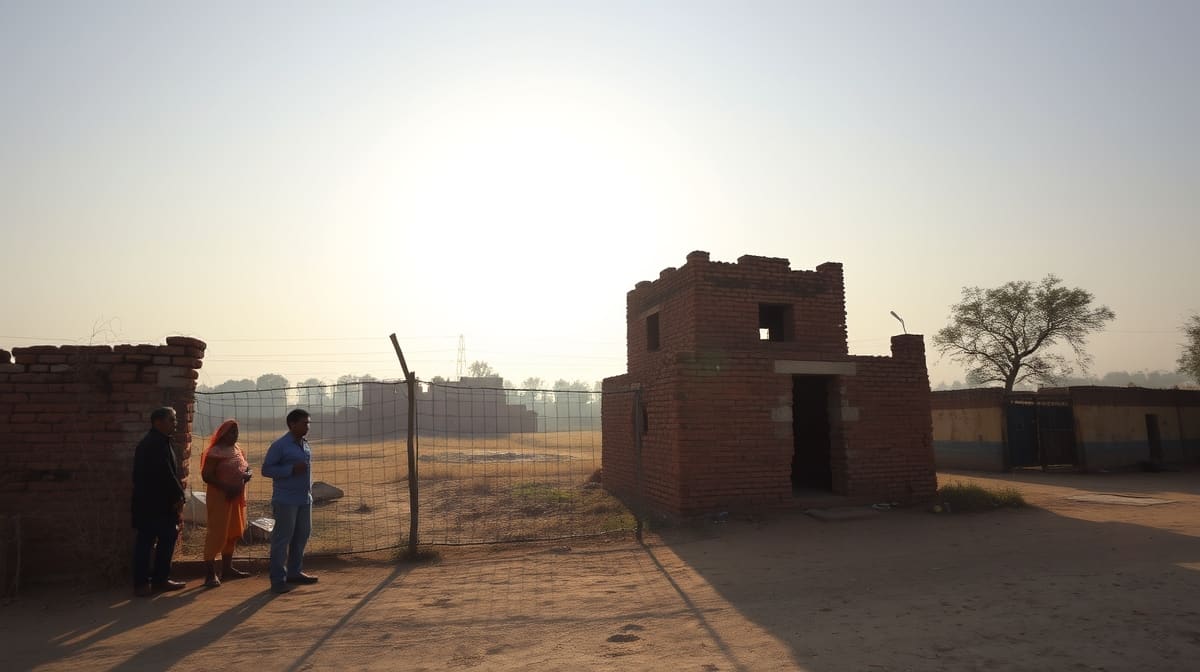
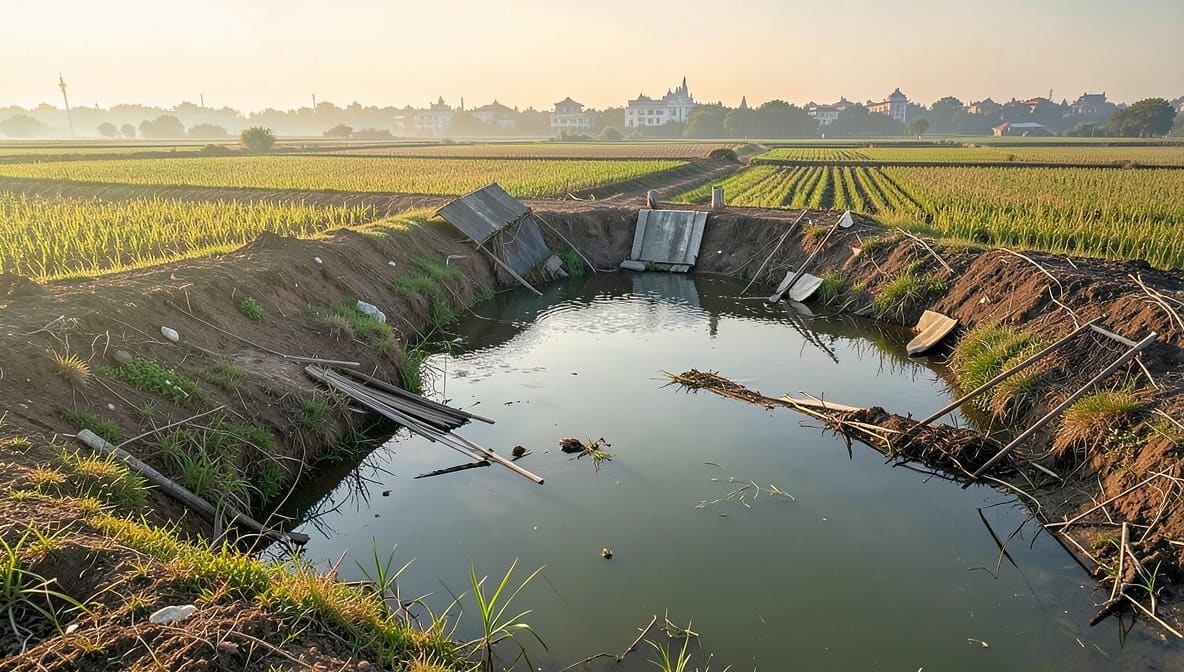
The Allahabad High Court has directed the Tehsildar to decide pending encroachment cases on revenue-recorded pond land within three months, reinforcing that public utility land held in trust cannot be lawfully occupied. This ruling strengthens accountability for local revenue authorities and affirms that encroachments on community water bodies violate the Public Trust Doctrine, affecting thousands of citizens reliant on such lands for ecological and livelihood security.

Judicial Orders Require Timely Enforcement | Rs.25,000 Costs Imposed for 4-Year Administrative Inaction Under Karnataka Lokayukta Act : Karnataka HC
Case Law Analysis
|Karnataka High Court

Judicial Orders Require Timely Enforcement | Rs.25,000 Costs Imposed for 4-Year Administrative Inaction Under Karnataka Lokayukta Act : Karnataka HC

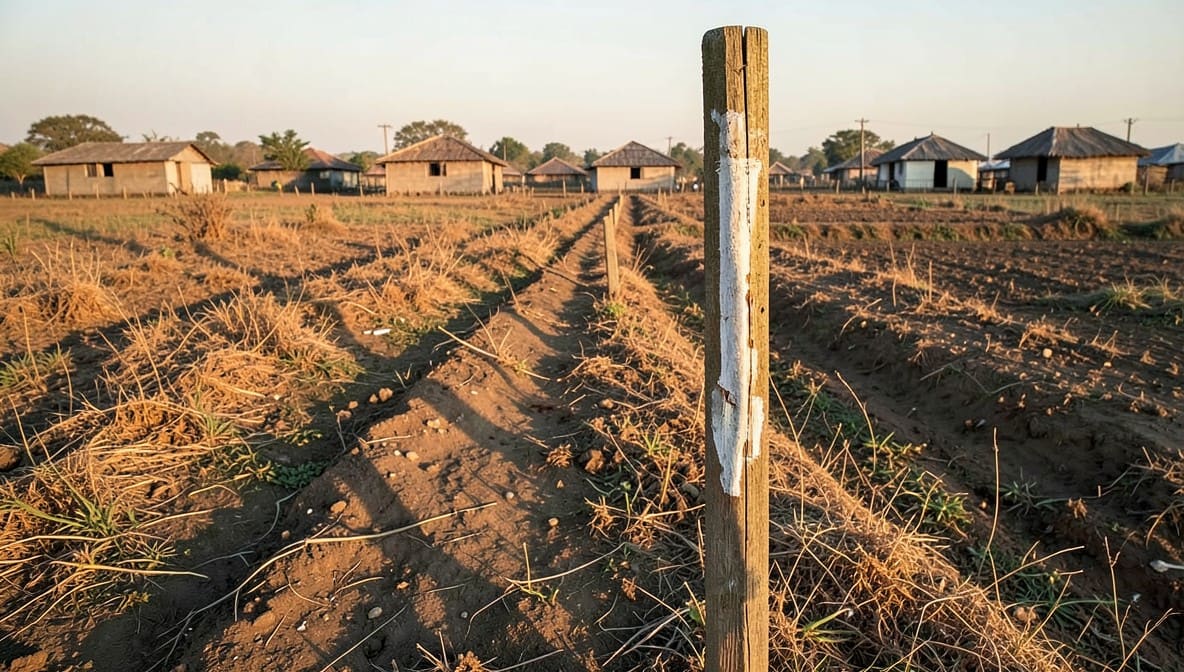
The Karnataka High Court imposed Rs.25,000 costs on the Revenue Department for four years of inaction in enforcing a tribunal order that set aside disciplinary proceedings, affirming that delay in implementing judicial directives constitutes disobedience. This ruling strengthens administrative accountability under the Karnataka Lokayukta Act and signals that public bodies cannot evade compliance through procedural inertia.

Section 67, U.P. Revenue Code | Tehsildar Must Execute Eviction Order Immediately After Appeal Dismissal: Allahabad HC
Case Law Analysis
|Allahabad High Court

Section 67, U.P. Revenue Code | Tehsildar Must Execute Eviction Order Immediately After Appeal Dismissal: Allahabad HC

The Allahabad High Court has ruled that once an appeal under Section 67 of the U.P. Revenue Code is dismissed, the Tehsildar has no discretion to delay enforcement of the eviction order. This clarifies that administrative inaction cannot override a final revenue adjudication, reinforcing accountability in land encroachment cases and empowering landowners seeking swift restoration of possession.

Land Acquisition Act 1894 | Missing Records After 40 Years Require Mandatory Inquiry: Allahabad HC Directs Mutation of Title to Prevent Misappropriation
Case Law Analysis
|Allahabad High Court

Land Acquisition Act 1894 | Missing Records After 40 Years Require Mandatory Inquiry: Allahabad HC Directs Mutation of Title to Prevent Misappropriation

Allahabad HC ruled that the District Magistrate, Mau, must conduct an inquiry into untraceable 1979 land acquisition records for Baithauli Bypass and ensure mutation of title to the government. The court emphasized that failure to record acquired land enables third-party transfers, necessitating administrative accountability to prevent misappropriation.

Public Land Protection Cell Mandate | Rajasthan HC Bars Regularization of Encroachments on Gram Panchayat Land Except in Exceptional Cases : Rajasthan HC
Case Law Analysis
|Rajasthan High Court

Public Land Protection Cell Mandate | Rajasthan HC Bars Regularization of Encroachments on Gram Panchayat Land Except in Exceptional Cases : Rajasthan HC

Rajasthan High Court reaffirms that illegal encroachments on Gram Panchayat land cannot be regularized, directing complaints to the Public Land Protection Cell for disposal within two months. The ruling underscores administrative accountability and the strict protection of public land, limiting exceptions to rare cases.

School Land Under Right to Education Act Cannot Be Diverted for Non-Educational Use | Public Trust Doctrine Enforced: Telangana HC
Case Law Analysis
|Telangana High Court

School Land Under Right to Education Act Cannot Be Diverted for Non-Educational Use | Public Trust Doctrine Enforced: Telangana HC

The Telangana High Court has ordered an immediate halt to the construction of a Mahila Bhavan on Zilla Parishad High School premises, ruling that land dedicated for education cannot be repurposed under any administrative scheme. This reinforces the Public Trust Doctrine and the state’s non-negotiable duty under the Right to Education Act to preserve educational infrastructure for children’s access and development.

Article 21 | Abandoned Public Works Must Be Restored to Prevent Public Harm; HC Mandates Gram Panchayat to Act on Rehabilitation Within 6 Weeks : Punjab & Haryana HC
Case Law Analysis
|Punjab and Haryana High Court

Article 21 | Abandoned Public Works Must Be Restored to Prevent Public Harm; HC Mandates Gram Panchayat to Act on Rehabilitation Within 6 Weeks : Punjab & Haryana HC

The Punjab & Haryana High Court has ruled that leaving a 20-foot-deep pit from a defunct waste project violates citizens' right to life under Article 21 due to risks of injury and disease. It has directed the Gram Panchayat to decide on restoration within one month and implement it within six weeks if the claim is meritorious, setting a precedent for post-project environmental accountability by local bodies.

Order I Rule 10(2) CPC | Courts Must Analyze Cause of Action Before Striking Off Government Departments as Necessary Parties : Bombay High Court at Goa
Case Law Analysis
|Bombay High Court

Order I Rule 10(2) CPC | Courts Must Analyze Cause of Action Before Striking Off Government Departments as Necessary Parties : Bombay High Court at Goa

The Bombay High Court at Goa has ruled that government departments cannot be removed as defendants in a civil suit without a detailed examination of their connection to the cause of action under Order I Rule 10(2) CPC. This decision reinforces administrative accountability by preventing courts from arbitrarily dismissing public bodies whose involvement is legally relevant, ensuring that victims of multi-party administrative failures have full recourse to justice.