The Bombay High Court at Goa has delivered a critical clarification on the limits of judicial discretion in striking off defendants from civil suits. The judgment reinforces that courts cannot summarily drop parties - especially statutory authorities - on the grounds of non-necessity without a rigorous examination of the pleadings and the relief sought. This ruling has immediate implications for litigants and practitioners navigating multi-party civil disputes involving government departments.
Background & Facts
The Dispute
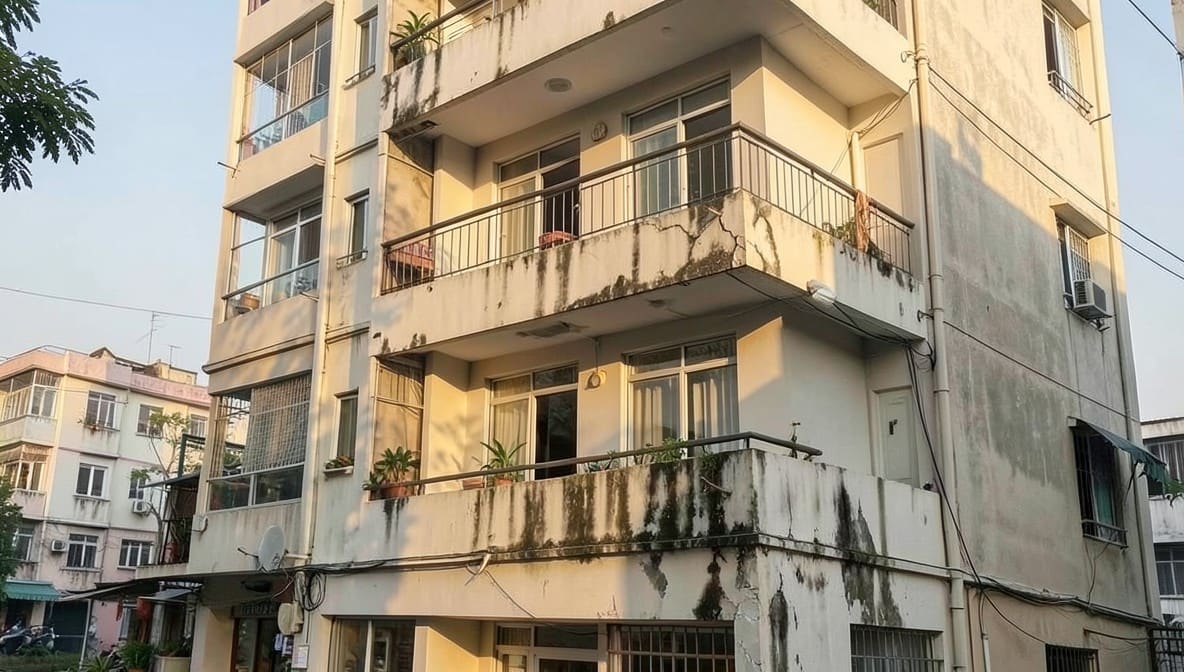
The appellant, Smt. Godawari Kamu Halarnkar, filed a civil suit seeking declaratory and injunctive relief against her neighbors (Respondents 12 to 14), who had constructed a residential structure allegedly obstructing an easementary right of access over their land. The suit also named eleven government departments and officials (Respondents 1 to 11), including the Town and Country Planning Department, Public Works Department, Village Panchayat, and Health Department, alleging that they had granted building approvals and licenses to the neighbors through fraud and misrepresentation.
Procedural History
- 2022: Civil Suit No. 29 of 2022 filed before the District Judge-2, Mapusa.
- 2025: Trial Court, suo motu, passed an order dropping Respondents 1 to 11, holding they were not necessary parties.
- 2025: The same order returned the Plaint to the plaintiff to be refiled before the Civil Judge (Senior Division), effectively terminating the suit against government entities.
- 2026: Appeal filed before the Bombay High Court at Goa challenging the order.
Relief Sought
The plaintiff sought:
- A declaration that the easementary right over the suit property exists.
- A mandatory injunction to demolish the structure encroaching on the easement.
- Declarations that the licenses and approvals granted by government respondents were null and void due to fraud.
- Consequential reliefs against the statutory authorities for their role in enabling the alleged violation.
The Legal Issue
The central question was whether a trial court may, under Order I, Rule 10(2) of the Code of Civil Procedure, drop government departments as defendants from a civil suit without determining whether a cause of action is disclosed against them, and whether such an action effectively amounts to rejecting the Plaint under Order 7, Rule 11 CPC without following its procedural safeguards.
Arguments Presented
For the Appellant
The appellant argued that the trial court erred in dropping the government respondents without examining the pleadings on their merits. Counsel relied on Sardar Amarjit Singh Kalra v. Pramod Gupta to assert that where reliefs are specifically claimed against a party, even if ancillary, they cannot be summarily struck off. The appellant emphasized that the allegations of fraud in obtaining approvals constituted a plausible cause of action against the statutory authorities, and that the trial court’s suo motu action violated principles of natural justice.
For the Respondents
The respondents contended that the government departments were not directly involved in the dispute over the easement and had no substantive role in the alleged encroachment. They argued that the suit against them was merely an attempt to harass public authorities and that the trial court correctly applied Order I, Rule 10(2) CPC to streamline litigation by removing non-essential parties.
The Court's Analysis
The Court examined the distinction between Order I, Rule 10(2) CPC, which permits the court to strike out parties who are not necessary or proper, and Order 7, Rule 11 CPC, which empowers the court to reject a Plaint in whole or in part for lack of cause of action. The Court held that the trial court had conflated these two distinct procedures.
"The trial Court has not taken this course [under Order 7 Rule 11] and has instead decided to drop Defendants 2 to 11... To that extent, the trial Court has transgressed the discretion vested in it under Order I, Rule 10(2) CPC."
The Court observed that the Plaint contained specific allegations that government respondents had granted approvals through fraud - a claim that, if proven, could render those approvals void. Such allegations, even if disputed, were sufficient to constitute a cause of action at the pleading stage. The Court emphasized that the threshold for disclosing a cause of action is low at the stage of framing issues and that the trial court’s suo motu action deprived the appellant of the opportunity to prove her case.
Furthermore, the Court noted that returning the Plaint to another court effectively nullified the reliefs sought against the government respondents, which were consequential to the primary claim of easement. This amounted to granting relief against non-parties - a procedural impossibility under civil law.
The Court concluded that the trial court’s order was legally unsustainable because it substituted its own assessment of necessity for the plaintiff’s pleaded claims, without affording the parties an opportunity to be heard on the issue of cause of action.
The Verdict
The appellant succeeded. The High Court quashed the impugned order in its entirety and restored the Plaint to the trial court. The Court held that government departments cannot be dropped from a suit merely on the ground of non-necessity without a proper evaluation of whether a cause of action is disclosed against them under Order 7, Rule 11 CPC.
What This Means For Similar Cases
Pleadings Must Be Read Holistically
- Practitioners must ensure that all reliefs, even consequential ones against government bodies, are clearly pleaded.
- Courts cannot ignore ancillary claims against statutory authorities if they are logically connected to the primary cause of action.
- A claim that approvals were obtained by fraud constitutes a sufficient cause of action at the pleading stage.
Order 7 Rule 11 Is the Exclusive Path to Rejecting Claims Against Specific Defendants
- Courts must use Order 7, Rule 11 CPC to reject claims against individual defendants - not Order I, Rule 10(2).
- Striking off parties under Order I, Rule 10(2) is permissible only when no cause of action is disclosed at all, and even then, only after notice and hearing.
- Any attempt to bypass Order 7, Rule 11 by dropping parties and returning the Plaint is procedurally invalid.
Government Departments Are Not Automatically Non-Necessary Parties
- Public authorities cannot be presumed irrelevant merely because they are not direct landowners.
- Where their statutory functions (e.g., granting building permits) are alleged to have facilitated a legal wrong, they must be impleaded and given an opportunity to respond.
- This protects the integrity of administrative accountability in civil litigation.