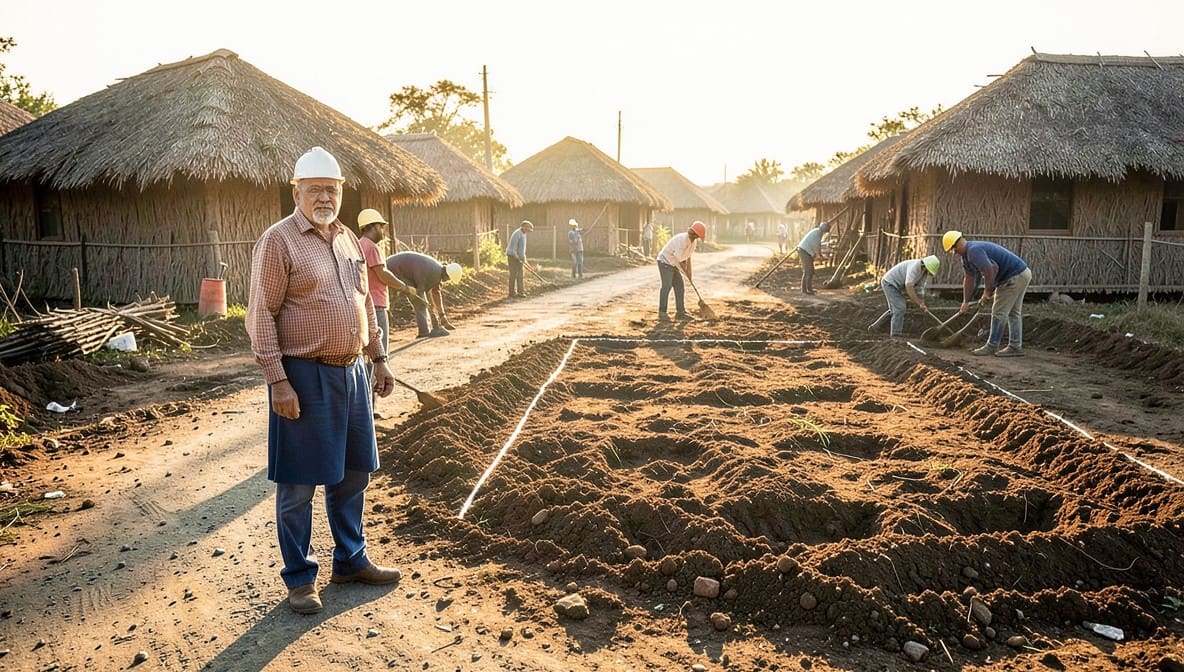
The Punjab & Haryana High Court has affirmed that public authorities must account for environmental and public safety consequences even after abandoning a project. In a pragmatic order, the Court granted the petitioner liberty to seek restoration of land disturbed by a defunct solid waste project, setting clear timelines for administrative action.
Background & Facts
The Dispute
The petitioner challenged the proposed location of a solid waste management project to be set up by the Gram Panchayat on land adjacent to a residential area. The dispute arose over concerns regarding environmental degradation, public health risks, and lack of due process in site selection.
Key Facts
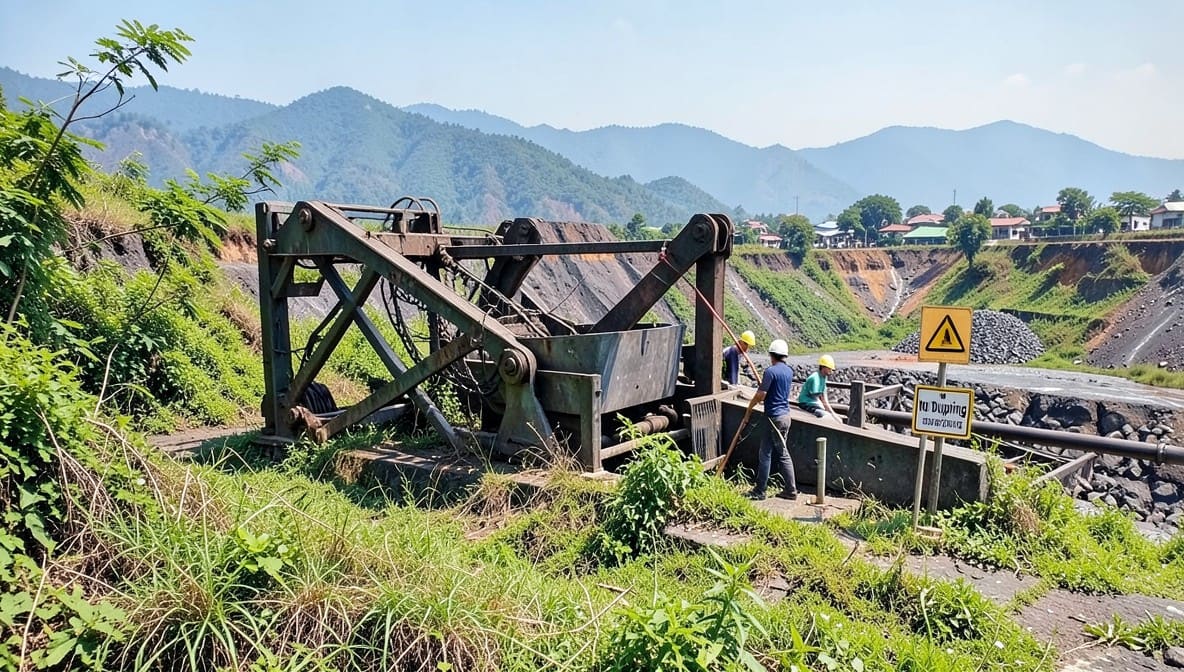
- The Gram Panchayat had initiated excavation work on the disputed land for a solid waste project
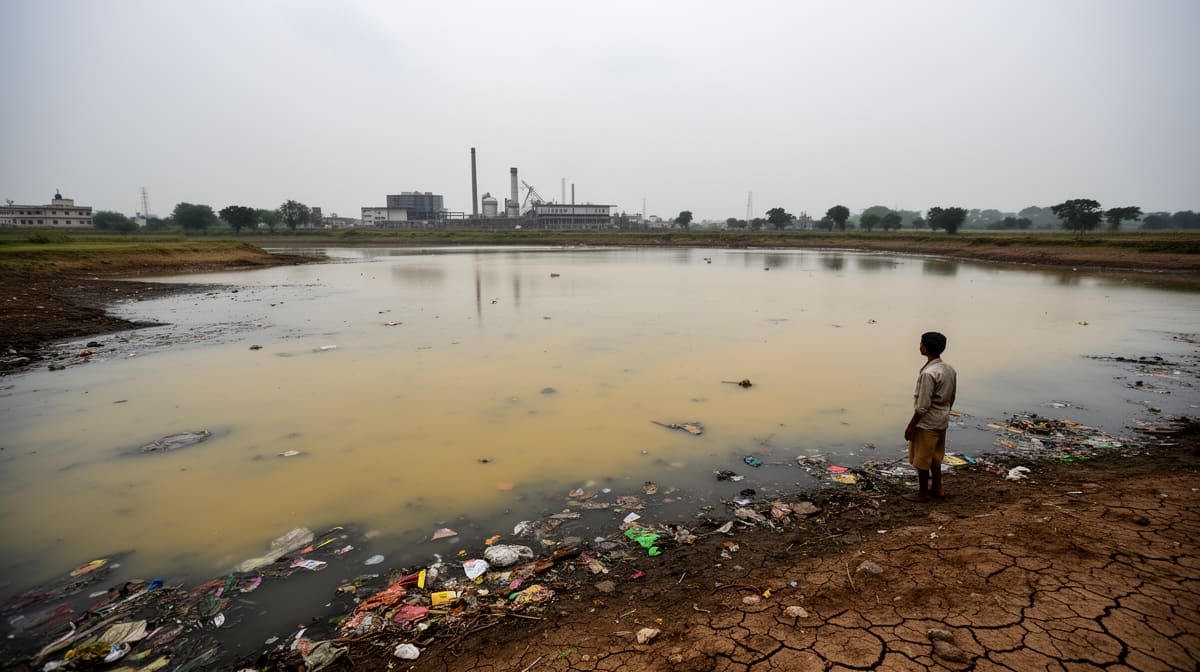
- The excavation resulted in the creation of a pit approximately 20 feet deep
- The pit poses a risk of injury to villagers, especially children and livestock
- The depression is a potential breeding ground for mosquitoes and a collector of stagnant, contaminated water
- No environmental impact assessment or public consultation was documented as having been conducted prior to excavation
- On 17.03.2026, the Division Bench of this Court directed the Gram Panchayat to abandon the site and identify a new location for the project
- A compliance report and speaking order dated 17.03.2026 were submitted to and accepted by the Court
Procedural History
- The original writ petition was filed before the High Court seeking to halt the project at the disputed site
- The matter was heard by a Division Bench, which issued directions on 17.03.2026
- On 25.03.2026, the present petition came up for final disposal before a Single Judge
- The petitioner raised the issue of the existing 20-foot pit as an ongoing hazard despite the project’s relocation
Relief Sought
The petitioner sought:
- Permission to submit a formal representation to the Gram Panchayat demanding restoration of the land to its pre-excavation condition
- A time-bound decision on such representation
- A directive for remedial action if the representation is found meritorious
The Legal Issue
The central question was whether a public authority, having abandoned a project that caused irreversible physical alteration to land, can be compelled to restore the environment to a safe and usable state, and whether the Court can mandate a timeline for such restoration.
Arguments Presented
For the Petitioner
The petitioner’s counsel argued that the excavation of a 20-foot pit without any plan for rehabilitation constitutes a violation of the principle of sustainable development and the duty of the state under Article 21 to protect life and health. Reliance was placed on M.C. Mehta v. Union of India to underscore the state’s obligation to remediate environmental harm. The counsel emphasized that the pit is not merely an administrative oversight but an active public hazard requiring immediate rectification.
For the Respondent
The Additional Advocate General for Punjab conceded that the excavation had occurred and acknowledged the potential risks. However, he submitted that the Gram Panchayat had already complied with the Division Bench’s order by relocating the project and that any further action regarding land restoration would require a fresh representation and administrative evaluation.
The Court's Analysis
The Court recognized that while the primary dispute had been resolved by the relocation of the project, the physical consequences of the excavation remained unaddressed. The Court held that the state’s duty to protect public health and environment does not terminate upon project abandonment. The creation of a deep, unguarded pit in a village setting constitutes a continuing violation of the right to life under Article 21 of the Constitution.
"The Court cannot turn a blind eye to a 20-foot deep pit that poses a clear and present danger to the lives and health of villagers, even if the original project has been moved."
The Court emphasized that administrative discretion must be exercised reasonably and with due regard to public safety. The petitioner’s request for restoration was not an attempt to re-litigate the project’s location but to remedy a tangible, ongoing harm. The Court found the State’s concession to be fair and legally sound, and therefore structured a remedy that respects administrative autonomy while enforcing accountability.
The Verdict
The petition was disposed of with liberty granted to the petitioner to submit a representation to the Gram Panchayat seeking restoration of the excavated land. The respondent is directed to consider the representation within one month of receipt and, if found meritorious, take necessary remedial action within six weeks of that decision. No costs were awarded.
What This Means For Similar Cases
Environmental Harm Demands Remediation, Not Just Cessation
- Public authorities cannot escape liability for physical environmental damage merely by relocating a project
- Courts may compel restoration even in the absence of a specific statutory mandate, under Article 21 and the doctrine of sustainable development
- Practitioners should now routinely include restoration demands in writ petitions involving land disturbance by public works
Administrative Timelines Are Enforceable
-
Courts are willing to impose specific deadlines on administrative bodies for remedial action
-
A "speaking order" requirement applies not only to initial decisions but also to subsequent remedial determinations
-
Failure to comply with the one-month and six-week timelines may warrant contempt proceedings
-
Always document the physical condition of land after public works projects
-
File representations with clear demands for restoration, citing public health risks
-
If no response is received within one month, file a fresh petition for non-compliance