The Manipur High Court has underscored the importance of prior intimation to downstream residents before opening dams, in a Public Interest Litigation (PIL) concerning the Mapithel Dam (Thoubal Multipurpose Project). The Court extended the State's deadline to respond to the petitioner's representations, while preserving all rights and contentions for future legal recourse if necessary.
Background & Facts
The Dispute
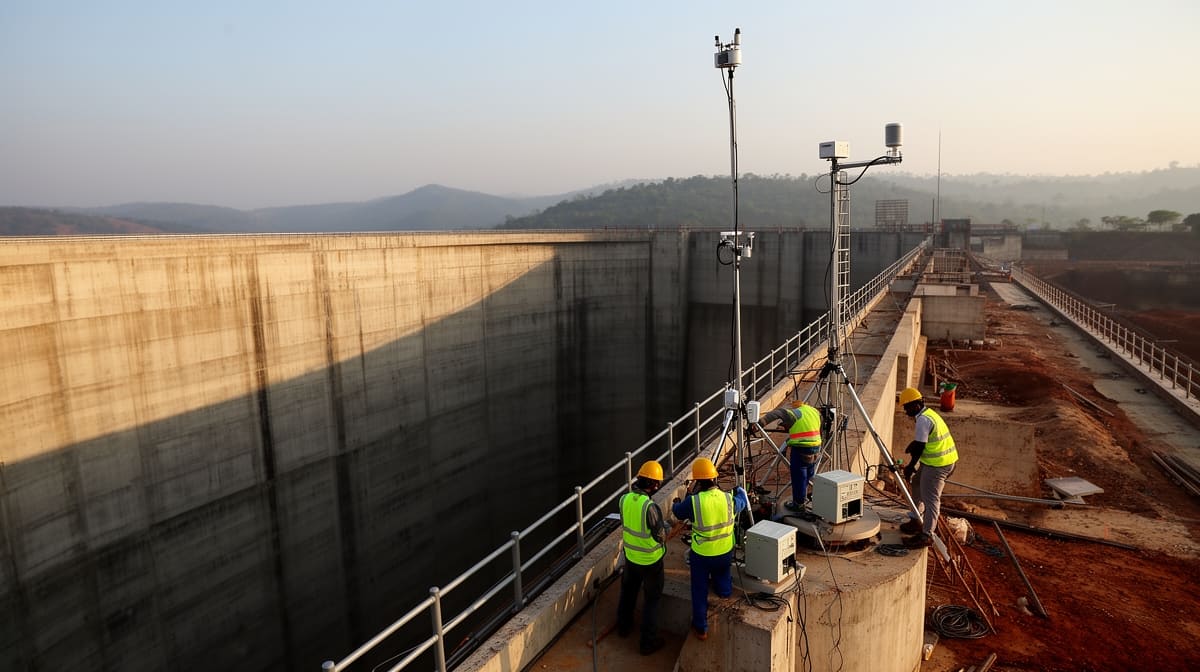
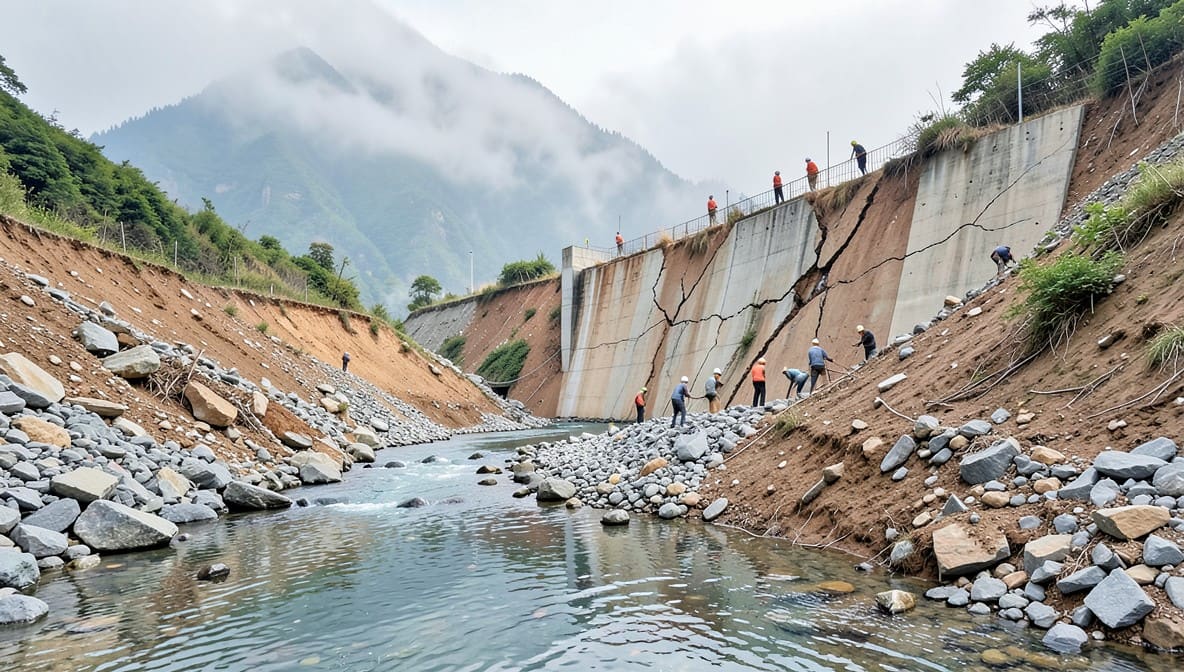
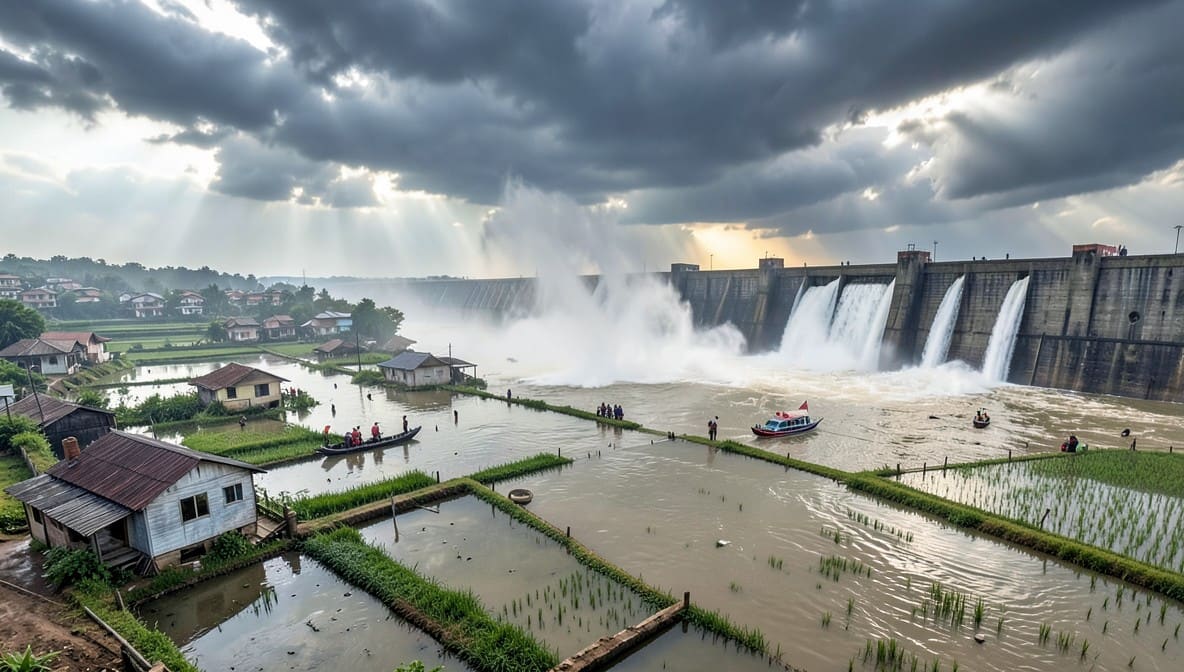
The PIL was filed by Keisham Meghachandra Singh, a Member of the Legislative Assembly (MLA) representing Wangkhem Assembly Constituency, Manipur. The dispute pertains to the opening of the Mapithel Dam (also known as the Thoubal Multipurpose Project) on the night of 14.09.2025 or early hours of 15.09.2025. The petitioner alleged that the opening of the dam was conducted without prior intimation to the local populace living downstream, resulting in severe consequences.
Key Facts
- The Mapithel Dam is located in Thoubal district, Manipur.
- The dam was opened without prior notice via media channels such as television, radio, newspapers, or social media.
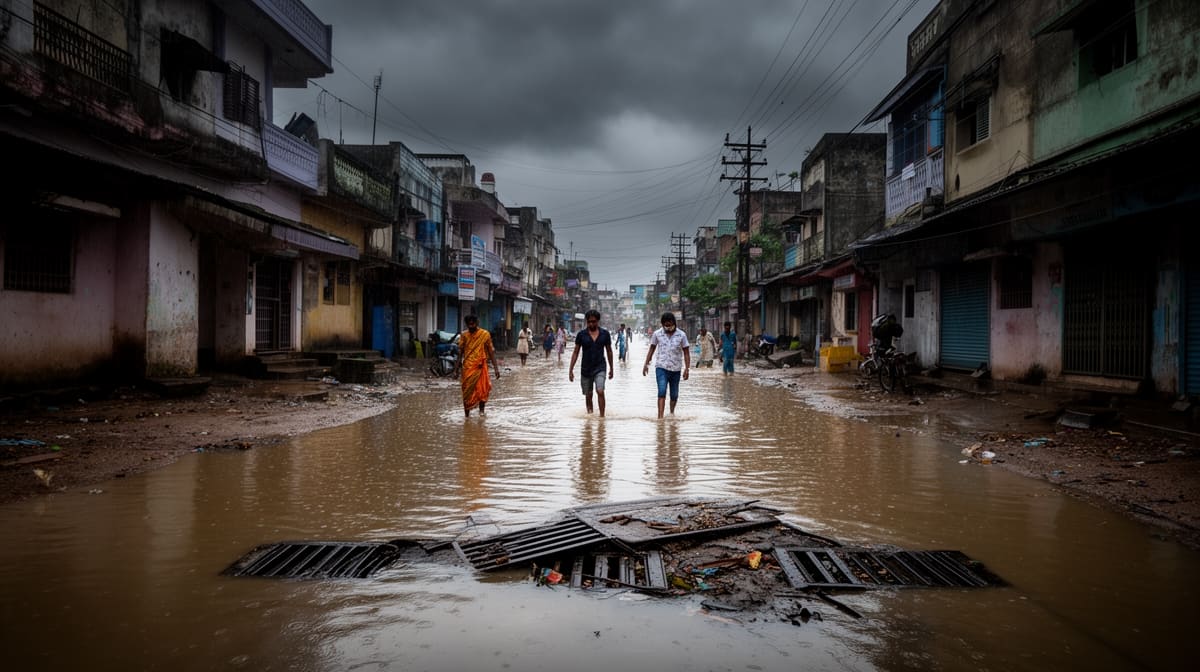
- The sudden release of water led to:
- Inundation of several acres of agricultural paddy fields
- Destruction of fish farms
- Loss of human lives
- Inundation of thousands of houses
- Loss of property
- The petitioner contended that the loss and damage could have been minimized or avoided with prior intimation.
- The petitioner sent two representations to the authorities:
- 04.10.2025 (Annexure A/28)
- 16.10.2025 (Annexure A/29)
- No response was received to these representations, necessitating the filing of the PIL.
Procedural History
- 17.11.2025: PIL No. 29 of 2025 was disposed of by the High Court with the following directions:
- A Committee headed by the Chief Secretary, Manipur, along with a member nominated by the Union Ministry of Jal Shakti, was to be constituted.
- The Committee was to investigate the matter and submit a report.
- The State (Respondent No. 1) was directed to send a suitable response to the PIL petitioner’s representations on or before 02.03.2026.
- The Court clarified that the PIL was not adversarial and preserved all rights and contentions of the parties.
- 25.11.2025: MC(PIL) No. 38 of 2025 was filed to correct a typographical error in the order dated 17.11.2025. The date 02.02.2026 was erroneously mentioned instead of 02.03.2026. The correction was made by consent of both parties.
- 20.03.2026: MC(PIL) No. 8 of 2026 was filed by the State seeking an extension of the deadline, citing delays in nominating a member to the Committee by the Union Ministry of Jal Shakti and the time consumed in holding a meeting on 27.02.2026.
The Parties' Positions
For the PIL Petitioner
- The petitioner, represented by Mr. N. Bupenda Meitei, argued that the opening of the dam without prior intimation was negligent and avoidable.
- Emphasized the lack of response to his representations dated 04.10.2025 and 16.10.2025.
- Contended that differing statements regarding the quantum of rainfall indicated a lack of transparency.
For the State (Respondents)
- The Advocate General of Manipur, Mr. Lenin Hijam, instructed by Ms. Thanyomi Keishing, took a non-adversarial stance.
- Acknowledged the need for a Committee to investigate the matter and submit a report.
- Sought an extension of the deadline to 11.05.2026, citing procedural delays in constituting the Committee.
Relief Sought
The PIL petitioner sought:
- A suitable response from the State to his representations dated 04.10.2025 and 16.10.2025.
- Accountability for the losses incurred due to the sudden opening of the dam.
- Preservation of his rights to assail the State’s response in a manner known to law if dissatisfied.
The Legal Issue
The central question before the Court was whether the State could be granted an extension of time to respond to the PIL petitioner’s representations, given the procedural delays in constituting the Committee and the non-adversarial nature of the litigation.
Arguments Presented
For the State
- The State, through the Advocate General, argued that the Union Ministry of Jal Shakti had delayed nominating a member to the Committee, which consumed time.
- A meeting was held on 27.02.2026, but the timeline of 02.03.2026 could not be met.
- Sought an extension of 8 weeks to complete the exercise and furnish a response to the petitioner.
For the PIL Petitioner
- The petitioner’s counsel, Mr. N. Bupenda Meitei, pointed out that the constitution of the Committee was contemplated as early as 17.11.2025.
- Emphasized that the petitioner was more of an informant than an adversary, and the litigation was not adversarial in the strict sense.
The Court's Analysis
The Court observed the following:
-
Non-Adversarial Nature of the PIL: The Court noted that the litigation was not adversarial in the strict sense, and the petitioner was acting more as an informant. This influenced the Court’s decision to grant the extension sought by the State.
-
Procedural Delays: The Court acknowledged the delays caused by the Union Ministry of Jal Shakti in nominating a member to the Committee and the time consumed in holding the meeting on 27.02.2026. These delays were cited as the primary reason for the State’s inability to meet the original deadline.
-
Preservation of Rights: The Court reiterated that its orders dated 17.11.2025 and 25.11.2025 preserved all rights and contentions of the parties. This included the right of the petitioner or any other concerned person to challenge the State’s response in a manner known to law if dissatisfied.
-
Clarification on Report Submission: The Court clarified that it had not requisitioned any report from the Committee. The direction was solely for the State to furnish a response to the petitioner’s representations under due acknowledgment.
"For the sake of specificity, we clarify that in the orders disposing of the PIL, this Court has not requisitioned any report. It has only directed State to furnish its response (response to PIL petitioner’s representations) to PIL petitioner (under due acknowledgement) on or before 02.03.2026."
The Verdict
The Court allowed the State’s request for an extension of time and disposed of MC(PIL) No. 8 of 2026 with the following directions:
- The timeline for the State to furnish a response to the PIL petitioner’s representations was extended from 02.03.2026 to 11.05.2026.
- All other aspects of the orders dated 17.11.2025 and 25.11.2025 remained unchanged.
- The Court reiterated that the rights and contentions of all parties stood preserved, and the petitioner or any other concerned person could challenge the State’s response if dissatisfied.
- There was no order as to costs.
What This Means For Similar Cases
Prior Intimation Is a Legal Obligation
- The judgment reinforces that prior intimation to downstream residents before opening dams is not merely a best practice but a legal obligation.
- Failure to provide such intimation can lead to accountability through PILs, as seen in this case.
- Authorities must ensure transparency in operations involving potential risks to human lives and property.
Non-Adversarial PILs Can Secure Timely Relief
- The Court’s approach demonstrates that PILs need not always be adversarial. A cooperative stance by the State can lead to consensual resolutions and extensions of time where necessary.
- Practitioners should note that procedural delays (e.g., in constituting committees) can be grounds for seeking extensions, provided the State acts in good faith.
Preservation of Rights Ensures Future Legal Recourse
-
The Court’s emphasis on preserving rights and contentions means that petitioners are not barred from challenging the State’s response if dissatisfied.
-
This ensures that judicial oversight remains available even after the disposal of the PIL, providing a safety net for affected parties.
-
Actionable Takeaways for Practitioners:
- Always demand prior intimation in cases involving potential risks to lives and property.
- In PILs, explore non-adversarial resolutions where the State is willing to cooperate.
- Seek extensions of time where procedural delays are genuine and unavoidable.
- Ensure that rights and contentions are preserved in the final order to allow future legal recourse if necessary.