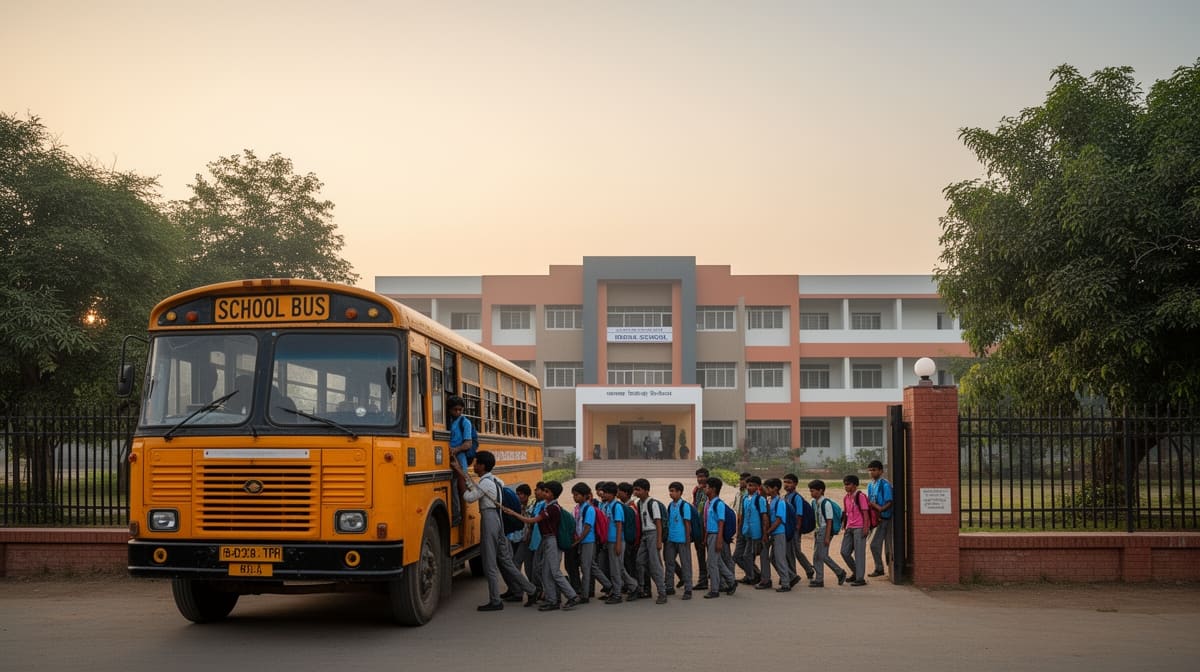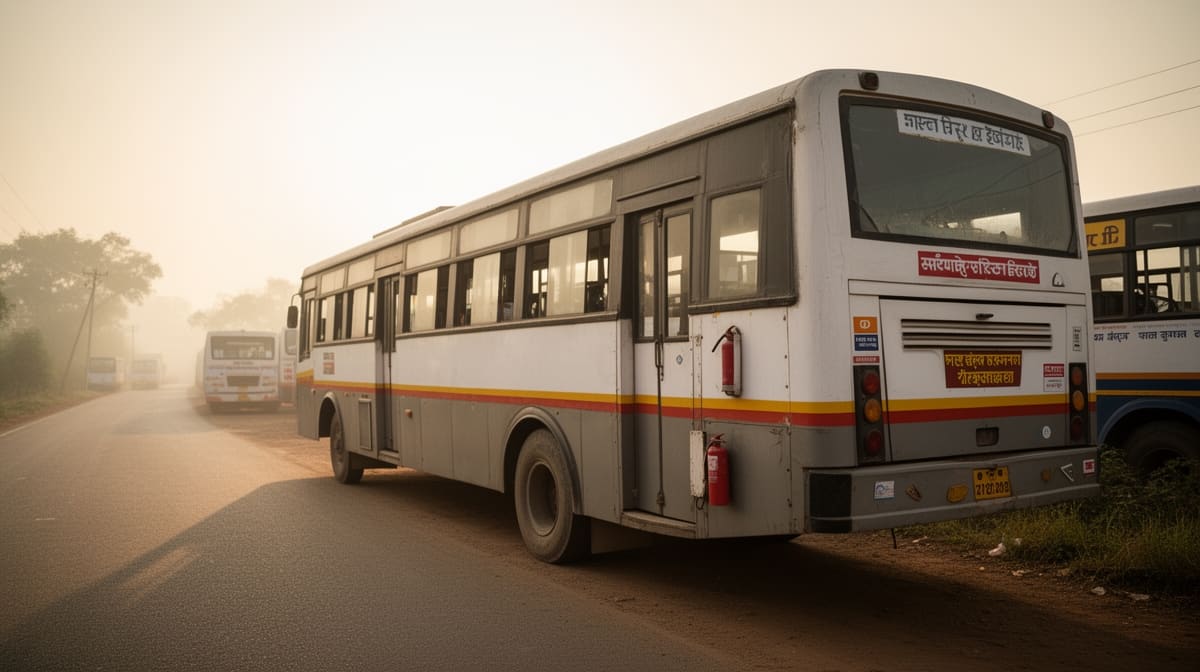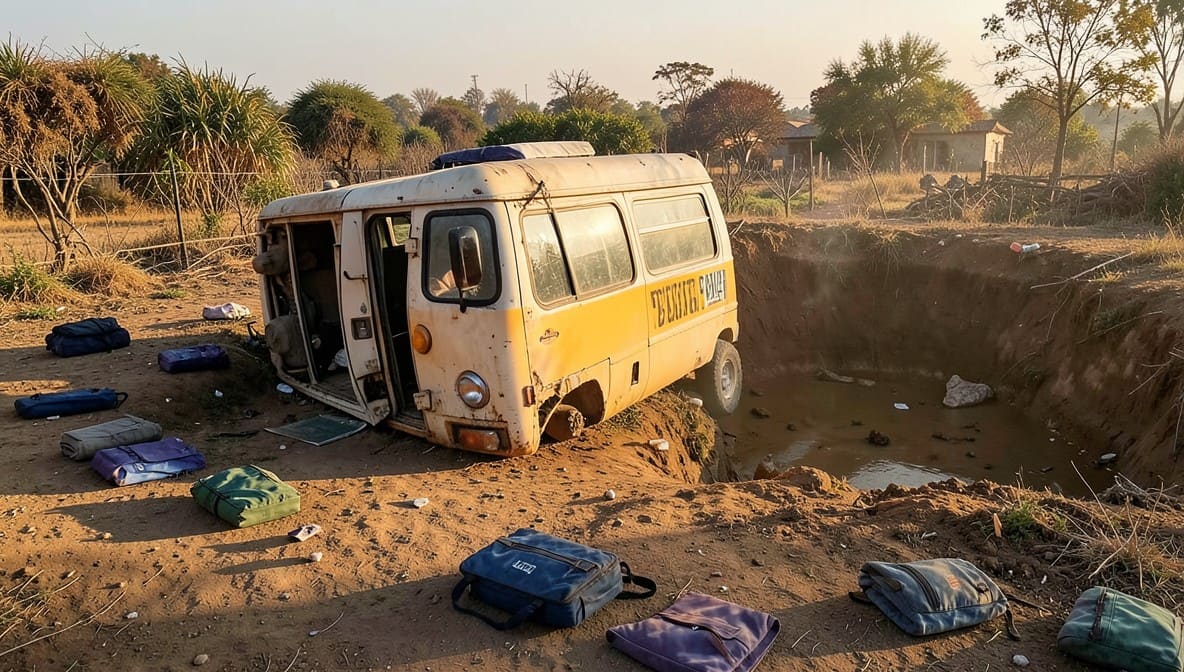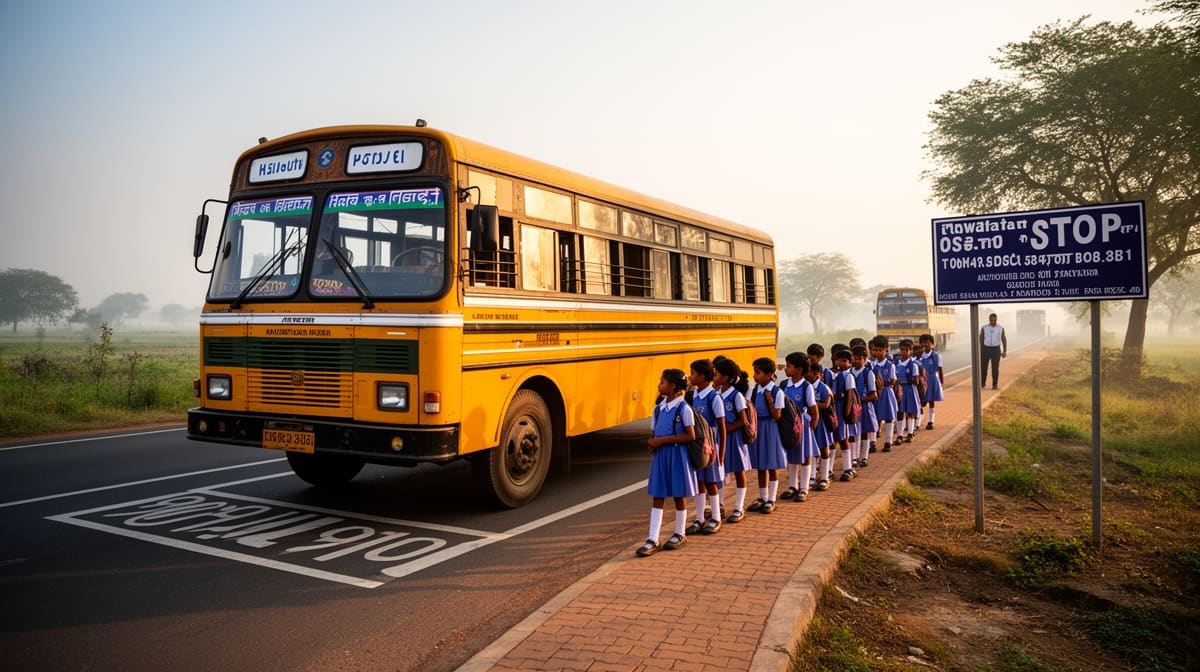
The Bombay High Court has issued a stern directive reinforcing institutional accountability for student safety in school transportation, emphasizing that procedural compliance is not optional but a constitutional imperative. This ruling underscores the duty of schools and civic authorities to institutionalize safety mechanisms, moving beyond symbolic gestures to enforceable obligations.
Background & Facts
The Dispute
The public interest litigation was initiated suo motu by the Bombay High Court to address systemic failures in the safety of students traveling to and from school via school vans and buses. The Court identified a pattern of non-compliance with prior directives regarding the constitution and functioning of Transport Committees, inadequate documentation of safety protocols, and absence of regulated bus stoppages.
Procedural History
- 16 January 2026: Court issued three specific directions:
- Regional Transport Officer (RTO), Nagpur, to submit a complete list of all schools operating school vans or buses
- All schools to submit charts of Transport Committee meetings held in the last two years
- Nagpur Municipal Corporation to file an affidavit detailing bus stoppage locations and signage status
- 6 February 2026: Hearing on compliance; most parties failed to meet directives
Relief Sought
The Court sought institutional compliance with safety norms, not monetary compensation. The relief aimed at systemic reform: mandatory documentation, accountability mechanisms, and enforceable timelines for infrastructure improvements.
The Legal Issue
The central question was whether public authorities and educational institutions can be held in contempt for persistent non-compliance with court directives aimed at safeguarding children’s fundamental right to safety under Article 21 of the Constitution, even in the absence of a formal petition alleging specific harm.
Arguments Presented
For the Petitioner (Suo Motu)
The Court, acting through Amicus Curiae and its own motion, argued that the right to life and personal liberty under Article 21 encompasses the right to safe transportation for schoolchildren. The absence of Transport Committee meetings, lack of bus registration records, and unmarked stoppages constitute a violation of the state’s positive obligation to protect vulnerable citizens. Precedents like MC Mehta v. Union of India were invoked to establish that environmental and infrastructural safety in education are integral to fundamental rights.
For the Respondents
The State and school representatives offered no substantive legal defense. The Additional Government Pleader acknowledged incomplete compliance but cited administrative delays and lack of resources. Some schools admitted no meetings had been held in two years, offering no justification beyond negligence. The Nagpur Municipal Corporation acknowledged damaged signage but claimed ongoing remediation.
The Court's Analysis
The Court rejected passive explanations and emphasized that children’s safety is non-negotiable. It held that institutional apathy cannot be excused by bureaucratic inertia. The Court observed that the failure to constitute Transport Committees - mandated by prior guidelines - amounts to a dereliction of duty under the right to education framework established in Unnikrishnan v. State of Andhra Pradesh.
"Students' safety in school buses/vans is something we cannot afford to overlook. There are several pressing challenges and it is something parents and schools need to stay alert about."
The Court distinguished this from ordinary administrative delay, noting that failure to hold quarterly meetings and failure to maintain records are not mere procedural lapses but indicators of systemic disregard for child welfare. The Court further noted that the Municipal Corporation’s submission of photographs did not substitute for a legally binding affidavit with timelines, as directed.
The Court applied the doctrine of strict compliance with judicial orders, citing State of Maharashtra v. Balwant Rai to affirm that disobedience of court directions, even in PILs, invites coercive remedies.
The Verdict
The Court ruled in favor of student safety. It held that schools must hold quarterly Transport Committee meetings and submit records, and failure to comply will result in a fine of Rs. 50,000 per school. The RTO must personally appear if the list remains incomplete, and the Municipal Corporation must submit a time-bound plan for signage restoration. Non-compliance will be treated as contempt.
What This Means For Similar Cases
Compliance with Court Directives Is Enforceable by Fine
- Schools and authorities must treat court orders in PILs as binding legal obligations, not suggestions
- Rs. 50,000 per school for non-compliance sets a clear deterrent threshold for educational institutions
- Practitioners must now advise clients to maintain contemporaneous records of all safety-related meetings
Transport Committees Are Not Optional
- Every school operating transport must establish a statutorily mandated Transport Committee with documented quarterly meetings
- Absence of meeting minutes now constitutes prima facie evidence of negligence in child safety matters
- Legal audits of school compliance should include Transport Committee records as a mandatory checklist
Municipal Bodies Must Provide Timelines, Not Just Photos
- Affidavits in public interest matters must include specific, measurable deadlines for infrastructure fixes
- Photographs alone are insufficient; courts require actionable commitments with dates
- Municipal corporations must now integrate school bus stoppage planning into their urban mobility frameworks