High Courts judgments

10232 High Courts judgments explained in plain English: what was decided, the law applied and why it matters. Page 91 of 427.

Corporate Liability for Outsourced Safety Failures | No Criminal Liability Without Direct Control or Knowledge Under BNS Sections 105, 125 : Bombay HC
Case Law Analysis
|Bombay High Court

Corporate Liability for Outsourced Safety Failures | No Criminal Liability Without Direct Control or Knowledge Under BNS Sections 105, 125 : Bombay HC

The Bombay High Court quashed criminal charges against Rebel Foods' General Manager, holding that outsourcing specialized work to a licensed contractor absolves the principal of criminal liability under BNS 2023 unless there is direct control over unsafe practices or knowledge of imminent danger. This sets a critical precedent for gig economy platforms and corporate clients relying on third-party vendors for high-risk operations.


Compassionate Appointment | Substitution of Name Permitted on Waiting List Even After Expiry of 45-Year Age Limit Under Revised Policy : Bombay HC (Aurangabad Bench)
|Bombay High Court

Compassionate Appointment | Substitution of Name Permitted on Waiting List Even After Expiry of 45-Year Age Limit Under Revised Policy : Bombay HC (Aurangabad Bench)

The Bombay High Court has ruled that a dependent’s name may be substituted on a compassionate appointment waiting list even after the original applicant has exceeded the statutory age limit of 45 years, provided the substitution arises from genuine hardship and the policy permits such flexibility. This sets a precedent for humane interpretation of welfare-based appointments, benefiting families who face delays in administrative processing due to bureaucratic inertia.

Employee's Compensation Act Section 3 | Insurer Not Liable for Interest Only If Proving Employer's Non-Compliance : Kerala HC
|Kerala High Court

Employee's Compensation Act Section 3 | Insurer Not Liable for Interest Only If Proving Employer's Non-Compliance : Kerala HC

The Kerala High Court ruled that insurers seeking to avoid interest liability under the Employee's Compensation Act must affirmatively prove the employer failed to comply with statutory obligations; silence in the written statement or mere assertion is insufficient. This shifts the burden of proof squarely onto insurers, reinforcing accountability and protecting dependants' right to timely compensation.

NDPS Act Section 22(c) | Grounds of Arrest Must Explicitly State Quantity of Contraband to Satisfy Article 22(1) and BNSS Section 35(1): Kerala HC
Case Law Analysis
|Kerala High Court

NDPS Act Section 22(c) | Grounds of Arrest Must Explicitly State Quantity of Contraband to Satisfy Article 22(1) and BNSS Section 35(1): Kerala HC

The Kerala High Court ruled that failing to disclose the exact quantity of narcotics at the time of arrest violates the constitutional right to be informed of grounds of arrest under Article 22(1) and renders the arrest illegal. This sets a binding precedent for all NDPS cases in Kerala, requiring police to document and communicate precise drug weights - not just the offense - to ensure lawful detention and fair bail proceedings.

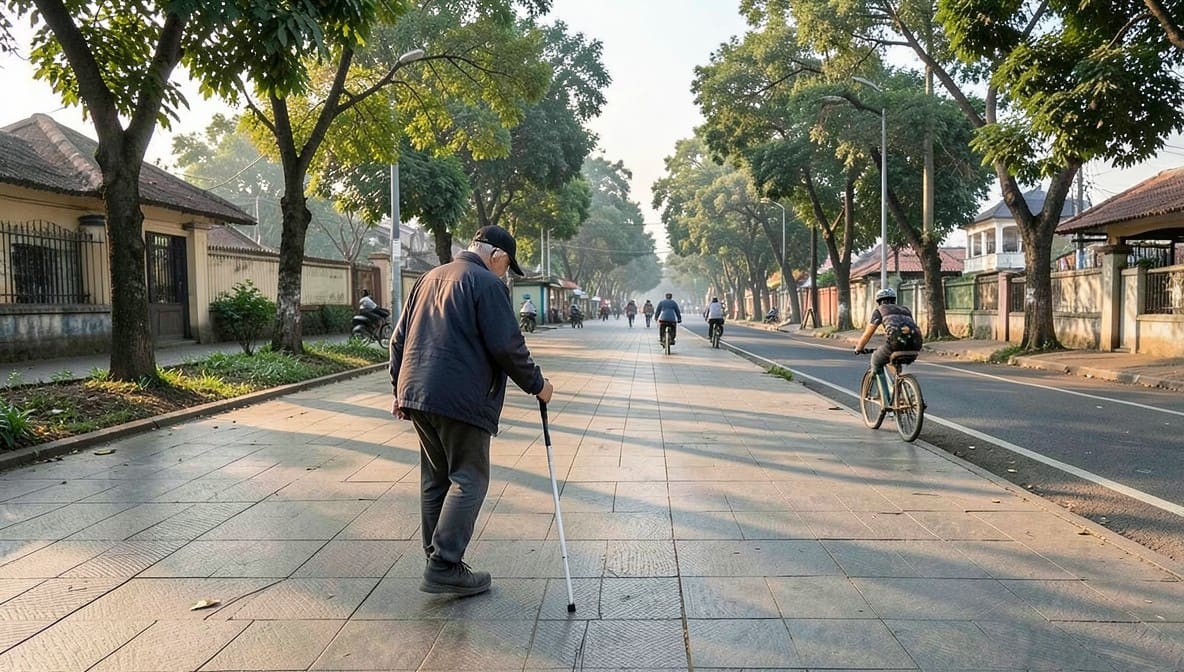
Right to Walk as Fundamental Right under Article 21 | Commercial Kiosks Banned on Public Footpaths by Kerala HC
Case Law Analysis
|Kerala High Court

Right to Walk as Fundamental Right under Article 21 | Commercial Kiosks Banned on Public Footpaths by Kerala HC

The Kerala High Court has ruled that public footpaths are inviolable pedestrian spaces protected under Article 21, and that installing commercial kiosks violates both the Street Vending Act and the constitutional right to safe, unobstructed movement. This sets a critical precedent for urban planning across India, empowering citizens to challenge encroachments on public walkways by municipal bodies and development authorities.

Natural Justice | Dealer ID Deactivation Without Hearing or Show-Cause Response Violates Procedural Fairness: Rajasthan HC
Case Law Analysis
|Rajasthan High Court

Natural Justice | Dealer ID Deactivation Without Hearing or Show-Cause Response Violates Procedural Fairness: Rajasthan HC

The Rajasthan High Court has ruled that deactivating a mineral dealer's ID before allowing a response to show-cause notices violates the fundamental right to be heard. This mandates immediate reactivation pending final adjudication and sets a binding precedent for all mining regulators requiring due process before punitive administrative action.

Section 138 NI Act | Right to Cross-Examine Prosecution Witnesses Cannot Be Denied Without Just Cause: Kerala HC
Case Law Analysis
|Kerala High Court

Section 138 NI Act | Right to Cross-Examine Prosecution Witnesses Cannot Be Denied Without Just Cause: Kerala HC

The Kerala High Court has ruled that denying an accused the opportunity to cross-examine prosecution witnesses in a cheque bounce case violates the fundamental right to a fair trial under Article 21. This mandates trial courts to ensure timely and uninterrupted cross-examination, especially when witness testimonies are interdependent, reinforcing procedural fairness over procedural convenience in NI Act prosecutions.

NDPS Act Section 21 | Bail Granted When Accused Implicated Only Through Co-Accused Statements & Recovery Below Commercial Quantity : Rajasthan HC
Case Law Analysis
|Rajasthan High Court

NDPS Act Section 21 | Bail Granted When Accused Implicated Only Through Co-Accused Statements & Recovery Below Commercial Quantity : Rajasthan HC

The Rajasthan High Court granted bail to an accused under the NDPS Act who had no direct possession of 24.8 kg of Doda Post, with recovery made solely from co-accused. The ruling reinforces that mere association through uncorroborated statements, without physical control or commercial-scale involvement, cannot justify continued judicial custody when the quantity falls below the statutory threshold. This clarifies the evidentiary bar for bail in indirect NDPS cases.

BNS Section 140(1) | Mere Presence at Scene Without Cogent Evidence Insufficient to Deny Bail : Rajasthan HC
Case Law Analysis
|Rajasthan High Court

BNS Section 140(1) | Mere Presence at Scene Without Cogent Evidence Insufficient to Deny Bail : Rajasthan HC

The Rajasthan High Court granted bail to an accused present at a liquor party where a death occurred, holding that proximity alone, without direct evidence of involvement or motive, cannot justify pre-trial detention under BNS 2023. This reinforces the presumption of innocence and sets a clear boundary for bail decisions in non-violent, circumstantial cases involving family members.

Bank Liable for Loss of Original Sale Deed as Deficiency in Service | Consumer Protection Act, 2019 Section 2(1)(g) : Delhi State CDRC
Case Law Analysis
|Delhi High Court

Bank Liable for Loss of Original Sale Deed as Deficiency in Service | Consumer Protection Act, 2019 Section 2(1)(g) : Delhi State CDRC

Axis Bank has been held liable under the Consumer Protection Act, 2019 for losing a borrower’s original sale deed, constituting a clear deficiency in service. The Delhi State CDRC awarded Rs. 15 lakh in compensation, setting a precedent that financial institutions owe a fiduciary duty to safeguard title documents entrusted to them, with consequential liability for financial and emotional harm caused by their negligence.

Article 226 | Mandamus Issued for School Upgradation Approval After Statutory Delay Violates Right to Education : AP HC
Case Law Analysis
|Andhra Pradesh High Court

Article 226 | Mandamus Issued for School Upgradation Approval After Statutory Delay Violates Right to Education : AP HC

Andhra Pradesh High Court holds that administrative inaction on school upgradation proposals, despite compliance with statutory requirements, warrants judicial intervention under Article 226. The ruling reinforces that delays violating the Right to Education (Article 21-A) and procedural fairness justify a writ of mandamus directing immediate approval.

Exoneration in Departmental Proceedings Bars Criminal Prosecution Under IPC Sections 409, 420, 465, 468, 471 | Quashing of FIR for Abuse of Process : Bombay HC (Aurangabad Bench)
Case Law Analysis
|Bombay High Court

Exoneration in Departmental Proceedings Bars Criminal Prosecution Under IPC Sections 409, 420, 465, 468, 471 | Quashing of FIR for Abuse of Process : Bombay HC (Aurangabad Bench)

Bombay High Court quashed an FIR under IPC Sections 409, 420, 465, 468, and 471, ruling that continuing criminal prosecution after exoneration in departmental proceedings amounts to abuse of process. The judgment reinforces that parallel proceedings without fresh evidence violate principles of natural justice and fairness, offering relief to public servants facing dual proceedings for the same alleged misconduct.

Contempt of Court | Willful Disobedience Requires Actual Knowledge of Interim Order: Karnataka HC
Case Law Analysis
|Karnataka High Court

Contempt of Court | Willful Disobedience Requires Actual Knowledge of Interim Order: Karnataka HC

The Karnataka High Court dismissed a contempt petition, ruling that disobedience of an interim order does not constitute willful contempt unless the accused had actual knowledge of the order. The court emphasized that mere filing of a charge sheet without awareness of the stay order does not attract contempt liability, reinforcing procedural safeguards for public officials.

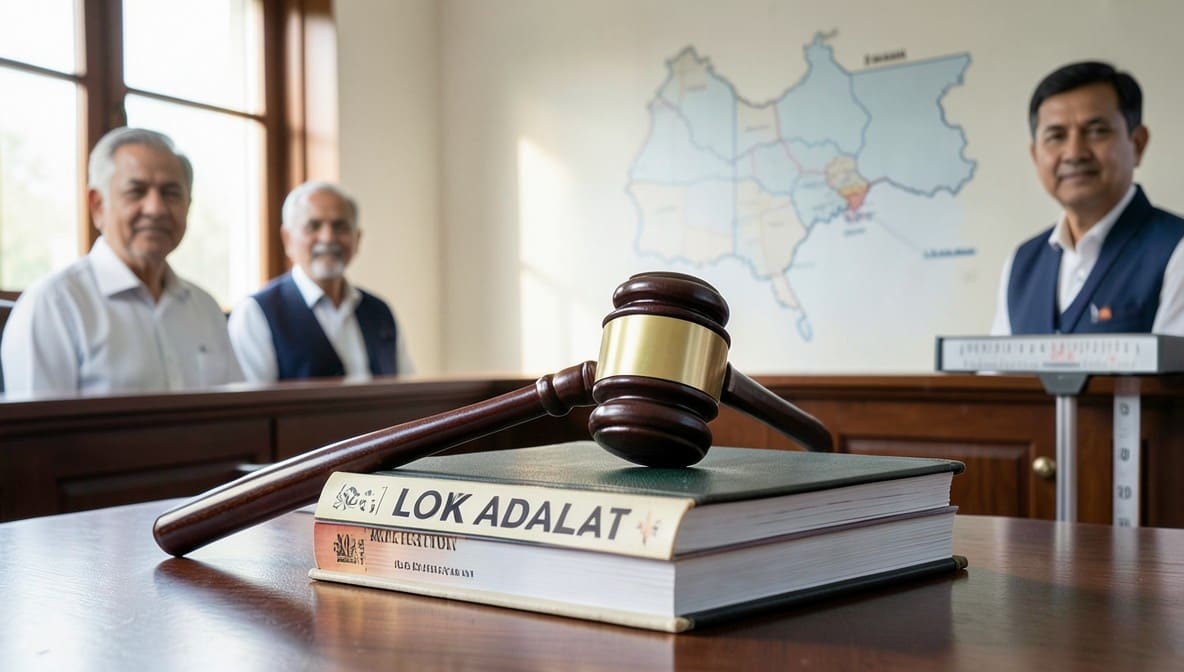
Land Acquisition Act | Abuse of Process Bars Appeal After 9-Year Delay and Undisclosed Lok Adalat Settlement : Karnataka HC
Case Law Analysis
|Karnataka High Court

Land Acquisition Act | Abuse of Process Bars Appeal After 9-Year Delay and Undisclosed Lok Adalat Settlement : Karnataka HC

Karnataka High Court sets a precedent by dismissing a landowner's appeal under Section 54(2) of the Land Acquisition Act after he accepted compensation, delayed filing for nine years, and failed to disclose a prior Lok Adalat settlement. The ruling reinforces that courts will not entertain appeals constituting abuse of process, protecting finality in land acquisition disputes.

Natural Justice | Non-Speaking Orders in Service Matters Violate Principles of Natural Justice: AP HC Sets Aside CAT Order
Case Law Analysis
|Andhra Pradesh High Court

Natural Justice | Non-Speaking Orders in Service Matters Violate Principles of Natural Justice: AP HC Sets Aside CAT Order

The Andhra Pradesh High Court ruled that orders rejecting interim relief in service matters must provide reasons, as non-speaking orders violate natural justice. The court set aside a Central Administrative Tribunal order, reinforcing that disciplinary proceedings under CCS (CCA) Rules, 1965, require reasoned decisions to ensure fairness and transparency for government employees.

BNSS Section 483 | Gender and Prolonged Trial Delay Justify Anticipatory Bail for Elderly Female Accused : Rajasthan HC
Case Law Analysis
|Rajasthan High Court

BNSS Section 483 | Gender and Prolonged Trial Delay Justify Anticipatory Bail for Elderly Female Accused : Rajasthan HC

Rajasthan High Court grants anticipatory bail to five elderly female accused in a 16-year-old case, emphasizing gender, prolonged trial delay, and lack of interference with proceedings as decisive factors. The ruling underscores that undue delay alone can vitiate continued custody, particularly for vulnerable accused under BNSS Section 483.

Natural Justice in Disciplinary Proceedings | Undue Delay and Lack of Evidence Vitiate Pension Cut; Notional Promotion Not Automatic: AP HC
Case Law Analysis
|Andhra Pradesh High Court

Natural Justice in Disciplinary Proceedings | Undue Delay and Lack of Evidence Vitiate Pension Cut; Notional Promotion Not Automatic: AP HC

The Andhra Pradesh High Court ruled that disciplinary proceedings marred by undue delay and insufficient evidence cannot sustain punitive actions like pension cuts. The Court also clarified that notional promotion is not an automatic entitlement, even if the punishment order is set aside, reinforcing principles of natural justice in service law.

Article 226 | Withdrawal of Writ Petition Without Leave Bars Fresh Petition on Same Cause of Action : AP HC
Case Law Analysis
|Andhra Pradesh High Court

Article 226 | Withdrawal of Writ Petition Without Leave Bars Fresh Petition on Same Cause of Action : AP HC

The Andhra Pradesh High Court ruled that withdrawing a writ petition under Article 226 without seeking leave to file a fresh petition precludes subsequent petitions on the same cause of action. This decision reinforces res judicata principles and discourages forum-shopping, impacting litigants seeking multiple remedies for identical disputes.

BNSS Section 483 | Gender, Age, and 16-Year Trial Delay Justify Bail for Elderly Female Accused : Rajasthan HC
Case Law Analysis
|Rajasthan High Court

BNSS Section 483 | Gender, Age, and 16-Year Trial Delay Justify Bail for Elderly Female Accused : Rajasthan HC

Rajasthan High Court grants bail to five elderly female accused in a 16-year-old case, emphasizing that prolonged trial delays, gender considerations, and the concluded trial of the main accused outweigh the gravity of offences under Sections 147, 148, 307 IPC, and other statutes. The ruling underscores that bail under BNSS Section 483 must account for humanitarian factors when justice is unduly delayed.

NDPS Act Section 20 | Only Flowering/Fruiting Tops of Cannabis Plants Count for Commercial Quantity : Rajasthan HC
Case Law Analysis
|Rajasthan High Court

NDPS Act Section 20 | Only Flowering/Fruiting Tops of Cannabis Plants Count for Commercial Quantity : Rajasthan HC

Rajasthan High Court clarifies that under the NDPS Act, only the flowering or fruiting tops of cannabis plants-not the entire plant-are considered for determining commercial quantity. The ruling grants bail to accused where the prosecution weighed whole plants, potentially reducing the contraband below the commercial threshold and impacting future drug offence prosecutions.