In a significant order addressing bail jurisprudence, the Rajasthan High Court granted bail to five female accused in a case pending for over 16 years, involving serious offences under the IPC, PDPP Act, and Arms Act. The Court emphasized the prolonged delay, the concluded trial of the main accused, and the gender of the petitioners as key factors in its decision, while imposing strict conditions to ensure trial compliance.
Background & Facts
The Dispute
The case arises from FIR No. 26/2010 dated 19.02.2010, registered at Police Station Jurhara, District Bharatpur, Rajasthan. The FIR alleged offences under Sections 147, 148, 149, 323, 332, 353, and 307 of the Indian Penal Code (IPC), 1860, Section 3 of the PDPP Act, 1984, and Section 3/25 of the Arms Act, 1959. The allegations involved rioting, causing hurt to public servants, and attempted murder, among other serious charges.
Key Facts
- The FIR was lodged on 19.02.2010, alleging a violent incident involving multiple accused.
- The main accused, against whom allegations of causing firearm injury were levelled, was convicted by the Trial Court vide judgment dated 05.12.2011.
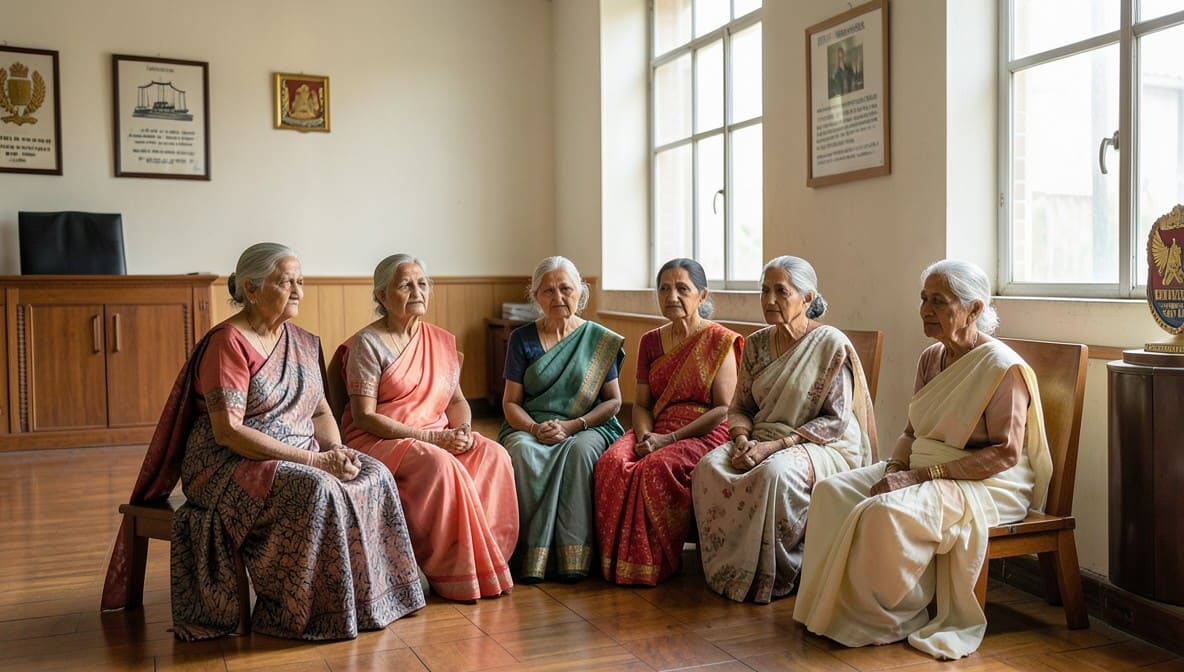
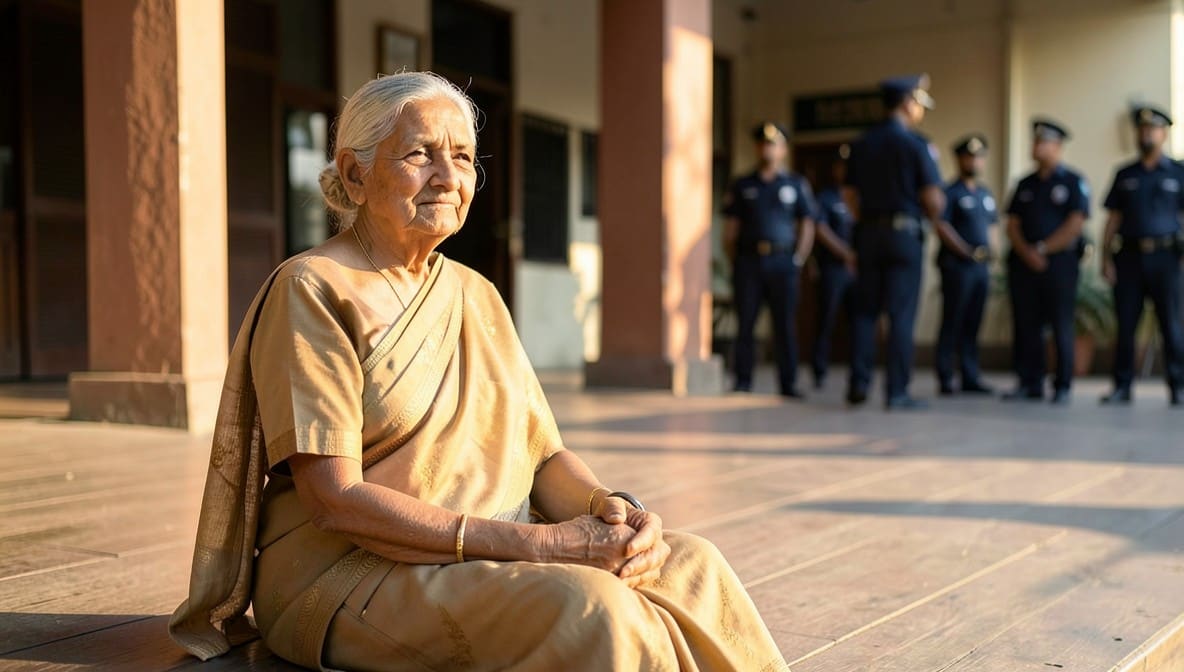
- The five petitioners - Asri Alias Attri (91 years), Shabnam (57 years), Ayesha (51 years), Farzana, and Asgari - are all female and surrendered before the Trial Court on 19.05.2026.
- The petitioners claimed they were falsely implicated and had no role in the alleged offences.
- The trial of the main accused had concluded, and the case had been pending for over 16 years.
Procedural History
- 19.02.2010: FIR registered at Police Station Jurhara, District Bharatpur.
- 05.12.2011: Main accused convicted by the Trial Court.
- 19.05.2026: Petitioners surrendered before the Trial Court.
- 20.06.2026: Bail applications (CRLMB Nos. 8592/2026, 8593/2026, and 8594/2026) filed before the Rajasthan High Court.
The Parties' Positions
For the Petitioners
- Argued that the petitioners were falsely implicated and had no role in the alleged offences.
- Highlighted that the main accused had already been convicted, and the trial had concluded.
- Emphasized that the petitioners were elderly females (ages ranging from 51 to 91 years) and posed no flight risk.
- Urged the Court to consider the prolonged delay of over 16 years and grant bail.
For the Respondent (State)
- Strongly opposed the bail applications, though the specific grounds for opposition were not detailed in the judgment.
The Legal Issue
The central question before the Court was whether bail could be granted to the petitioners under Section 483 of the Bharatiya Nagarik Suraksha Sanhita (BNSS), considering:
- The seriousness of the offences alleged (including attempted murder and arms-related charges).
- The gender and age of the petitioners (all females, with ages ranging from 51 to 91 years).
- The prolonged delay of over 16 years in the trial process.
- The concluded trial of the main accused, which reduced the likelihood of the petitioners influencing the proceedings.
Arguments Presented
For the Petitioners
- Relied on the prolonged delay in the trial and the concluded conviction of the main accused to argue that the petitioners would not tamper with evidence or influence witnesses.
- Highlighted the gender and age of the petitioners as mitigating factors, emphasizing their vulnerability and lack of flight risk.
- Contended that the petitioners had surrendered voluntarily and were not absconding, demonstrating their willingness to cooperate with the trial.
For the Respondent
- Opposed the bail applications, though the judgment does not specify the grounds for opposition. Typically, in such cases, the State argues the seriousness of the offences and the potential threat to public order if bail is granted.
The Court's Analysis
The Court adopted a pragmatic and humane approach, balancing the seriousness of the allegations against the prolonged delay and the petitioners' profile. Key observations included:
-
Delay as a Factor: The Court noted that the case was over 16 years old and the trial of the main accused had already concluded. This significantly reduced the risk of the petitioners tampering with evidence or influencing witnesses, a primary concern in bail applications.
-
Gender and Age Considerations: The Court implicitly recognized the vulnerability of the petitioners as elderly females. While the judgment does not explicitly state this, the grant of bail to all five female petitioners suggests a consideration of gender and age as mitigating factors.
-
No Comments on Merits: The Court explicitly stated that it was not commenting on the merits or demerits of the case, ensuring that its observations would not prejudice the trial.
-
Conditions for Bail: The Court imposed strict conditions to ensure the petitioners' compliance with the trial process, including:
- Execution of a personal bond of Rs. 1,00,000 and two sureties of Rs. 50,000 each.
- Regular appearance before the Trial Court on each hearing date.
- Marking presence twice a month before the concerned Station House Officer (SHO), with a register to be maintained for this purpose.
- Automatic cancellation of bail if the petitioners failed to appear twice in any month.
- Cancellation of bail if the petitioners were found involved in any Arms Act case during the pendency of the trial.
"Without making any comments on the merits and demerits of the case, this Court is inclined to enlarge the petitioners on bail."
The Court's reasoning reflects a judicial inclination to prevent undue hardship while ensuring that the liberty granted is not misused. The conditions imposed were stringent and tailored to address the concerns of the State while acknowledging the unique circumstances of the case.
The Verdict
The Rajasthan High Court allowed the bail applications filed under Section 483 of the BNSS. The petitioners - Asri Alias Attri, Shabnam, Ayesha, Farzana, and Asgari - were directed to be released on bail, subject to the following conditions:
- Each petitioner must execute a personal bond of Rs. 1,00,000 and furnish two sureties of Rs. 50,000 each.
- The petitioners must appear before the Trial Court on every date of hearing and as directed.
- The petitioners must mark their presence twice a month before the concerned SHO, who shall maintain a register for this purpose.
- Failure to appear twice in any month shall result in automatic cancellation of bail.
- If the petitioners are found involved in any Arms Act case during the pendency of the trial, the bail shall be cancelled upon application by the Public Prosecutor.
The Court also clarified that its observations would not affect the trial of the case.
What This Means For Similar Cases
Gender and Age as Mitigating Factors
- Courts may increasingly consider gender and age as relevant factors in bail applications, particularly in cases involving elderly or vulnerable accused.
- Practitioners should highlight the personal circumstances of the accused, such as age, health, and gender, to argue for leniency in bail conditions.
Prolonged Delay and Concluded Trials
- Delay in trial proceedings can be a strong ground for bail, especially when the trial of co-accused has concluded.
- The risk of tampering with evidence or influencing witnesses diminishes significantly in such cases, making bail a more viable option.
- Lawyers should emphasize the concluded status of co-accused trials to argue for bail on the grounds of reduced prejudice to the investigation.
Strict Conditions for Bail
- Courts are likely to impose stringent conditions to balance the grant of bail with the State's concerns.
- Practitioners must ensure compliance with bail conditions, such as regular appearances and marking presence, to avoid automatic cancellation.
- The judgment sets a precedent for tailored bail conditions, including register maintenance by the SHO and automatic cancellation clauses.
Limits on Bail for Serious Offences
- While the Court granted bail in this case, it did not dilute the seriousness of the offences alleged.
- The judgment underscores that bail is not automatic, even in cases of prolonged delay, and strict conditions will be imposed to ensure trial compliance.
- Practitioners should prepare for rigorous scrutiny and propose reasonable conditions to address the Court's concerns.