High Courts judgments

10232 High Courts judgments explained in plain English: what was decided, the law applied and why it matters. Page 85 of 427.

Locus Standi Expires with Tenure | Former Chairperson of Haj Committee Cannot Challenge Post-Tenure Appointment Under Haj Committee Act, 2002 : MP HC Gwalior
Case Law Analysis
|Madhya Pradesh High Court

Locus Standi Expires with Tenure | Former Chairperson of Haj Committee Cannot Challenge Post-Tenure Appointment Under Haj Committee Act, 2002 : MP HC Gwalior

The Madhya Pradesh High Court holds that once a public officeholder's tenure ends, they lose all legal standing to challenge subsequent appointments-even if the appointment is allegedly ultra vires. This clarifies that only current officeholders or directly affected parties may seek judicial review of administrative appointments, reinforcing the principle that standing is tied to present legal interest, not past office.

Section 482 BNSS | Anticipatory Bail Granted Where No Prima Facie Evidence of Forgery or Fraud Exists in Vehicle Sale Dispute : MP HC Jabalpur
Case Law Analysis
|Madhya Pradesh High Court

Section 482 BNSS | Anticipatory Bail Granted Where No Prima Facie Evidence of Forgery or Fraud Exists in Vehicle Sale Dispute : MP HC Jabalpur

The Madhya Pradesh High Court has granted anticipatory bail to an accused in a case involving IPC Sections 420, 467, 468, 471 and 120-B, holding that mere involvement in listing a vehicle for sale on OLX, without any role in loan fabrication or document forgery, does not establish criminal intent. This reinforces that anticipatory bail under Section 482 BNSS is available when allegations lack foundational evidence, protecting innocent intermediaries from coercive prosecution.

BNSS Section 483 | Bail Granted After Charge Sheet Filing With Monthly Police Reporting Condition, Noting Custodial Interrogation Unnecessary : MP HC Indore
Case Law Analysis
|Madhya Pradesh High Court

BNSS Section 483 | Bail Granted After Charge Sheet Filing With Monthly Police Reporting Condition, Noting Custodial Interrogation Unnecessary : MP HC Indore

The Madhya Pradesh High Court has ruled that once a charge sheet is filed in a non-NDPS criminal case, custodial interrogation is no longer required, making continued detention unjustified. Bail may still be granted with reasonable conditions like monthly police reporting, especially where prior antecedents exist but no flight risk is shown. This clarifies the post-charge sheet bail standard under BNSS for excise and similar offences.

Order XVIII Rule 17 CPC | Recall of Witness Permitted When Limitation Issue Framed After Evidence Closure: MP HC Gwalior
Case Law Analysis
|Madhya Pradesh High Court

Order XVIII Rule 17 CPC | Recall of Witness Permitted When Limitation Issue Framed After Evidence Closure: MP HC Gwalior

The Madhya Pradesh High Court has ruled that a plaintiff may be recalled under Order XVIII Rule 17 CPC to testify on a new limitation issue framed after evidence has closed, ensuring procedural fairness and substantive justice. This clarifies that K.K. Velusamy does not bar recall when the legal ground emerges post-evidence, protecting litigants from being silenced by technical timing.

Compassionate Appointment | Competent Authority Must Decide Within 4 Months Under Procedural Fairness Doctrine : MP HC Jabalpur
Case Law Analysis
|Madhya Pradesh High Court

Compassionate Appointment | Competent Authority Must Decide Within 4 Months Under Procedural Fairness Doctrine : MP HC Jabalpur

The Madhya Pradesh High Court mandates that government authorities decide compassionate appointment applications within four months of receiving a certified copy of the order, reinforcing that undue delay cannot substitute for a reasoned decision. This ruling empowers families of deceased employees by enforcing accountability in administrative inaction, regardless of the merits of the underlying claim.

Section 378 CrPC | Leave to Appeal Against Acquittal Requires Manifest Perversity in Mineral Rule Violations : MP HC Jabalpur
Case Law Analysis
|Madhya Pradesh High Court

Section 378 CrPC | Leave to Appeal Against Acquittal Requires Manifest Perversity in Mineral Rule Violations : MP HC Jabalpur

The Madhya Pradesh High Court has reaffirmed that acquittals under Section 378 CrPC cannot be overturned unless the trial court’s judgment is manifestly perverse or exhibits gross misappreciation of evidence. This ruling strengthens the presumption of innocence in environmental and mining-related prosecutions where identification and chain-of-custody evidence are weak, setting a high bar for state appeals in quasi-criminal regulatory cases.

Section 3(1)(r-s) SC/ST Act | No Prima Facie Atrocity Without Caste-Based Abuse: MP HC Gwalior
Case Law Analysis
|Madhya Pradesh High Court

Section 3(1)(r-s) SC/ST Act | No Prima Facie Atrocity Without Caste-Based Abuse: MP HC Gwalior

The Madhya Pradesh High Court holds that mere physical assault without any caste-based slur or humiliation cannot trigger the stringent provisions of the SC/ST Act. This clarifies that the Act requires intentional caste-based degradation, not just violence, protecting against its misuse while preserving its core protective intent for marginalized communities.

Natural Justice | Suspension Order Quashed for Ignoring Reply to Show-Cause Notice Under Panchayat Service Rules : MP HC Jabalpur
Case Law Analysis
|Madhya Pradesh High Court

Natural Justice | Suspension Order Quashed for Ignoring Reply to Show-Cause Notice Under Panchayat Service Rules : MP HC Jabalpur

The Madhya Pradesh High Court has held that suspending a government servant without considering their timely submitted reply to a show-cause notice violates the fundamental principle of fair hearing. This ruling reinforces that mechanical administrative actions in service proceedings are unlawful, and authorities must engage meaningfully with employee responses before imposing penalties.

Section 483 BNSS | Bail Granted in SC/ST Atrocities Case Due to Prolonged Trial and Absence of FSL Report : MP HC Gwalior
Case Law Analysis
|Madhya Pradesh High Court

Section 483 BNSS | Bail Granted in SC/ST Atrocities Case Due to Prolonged Trial and Absence of FSL Report : MP HC Gwalior

The Madhya Pradesh High Court has granted bail to an accused under the SC/ST Atrocities Act, emphasizing that prolonged judicial delay and lack of forensic evidence undermine the presumption of guilt. This ruling reinforces that procedural fairness under Section 483 BNSS can override the gravity of the offense when investigation gaps persist, setting a precedent for accused persons in similar stalled cases.

Motor Accident Compensation | Income Assessment Must Follow Collector's Unskilled Labour Wage Guidelines, Not Arbitrary Estimates: MP HC Jabalpur
Case Law Analysis
|Madhya Pradesh High Court

Motor Accident Compensation | Income Assessment Must Follow Collector's Unskilled Labour Wage Guidelines, Not Arbitrary Estimates: MP HC Jabalpur

The Madhya Pradesh High Court overturned a tribunal's undervalued compensation award by mandating that income for unskilled workers be calculated using the official Collector's wage rate of Rs.5,520/month, not speculative figures. This sets a binding precedent for all future claims where claimants lack formal pay slips, ensuring fairer loss-of-earnings calculations under the Motor Vehicles Act.

Limitation Period for Challenging a Will | Knowledge of Will’s Existence, Not Dispossession, Triggers Limitation Under CPC Order 7 Rule 11 : MP HC Jabalpur
Case Law Analysis
|Madhya Pradesh High Court

Limitation Period for Challenging a Will | Knowledge of Will’s Existence, Not Dispossession, Triggers Limitation Under CPC Order 7 Rule 11 : MP HC Jabalpur

The Madhya Pradesh High Court ruled that the limitation period to challenge a will begins only when the beneficiary gains actual knowledge of the will’s existence, not when they are dispossessed. This clarifies a critical procedural safeguard for testamentary disputes, ensuring plaintiffs aren’t barred merely due to delayed discovery of concealed wills, even if dispossession occurred years earlier.

Section 163-A vs Section 166 MV Act | Claim Conversion Permitted at Final Hearing Without Prejudice to Opposing Party: MP HC Gwalior
Case Law Analysis
|Madhya Pradesh High Court

Section 163-A vs Section 166 MV Act | Claim Conversion Permitted at Final Hearing Without Prejudice to Opposing Party: MP HC Gwalior

The Madhya Pradesh High Court has ruled that claimants may amend their motor accident compensation petition from a fault-based claim under Section 166 to a no-fault claim under Section 163-A even after evidence closure and during final arguments. This reinforces the welfare-oriented purpose of the Motor Vehicles Act, ensuring victims’ families are not penalized for technical pleading errors at the last stage of litigation.

Section 362 CrPC | No Review of Final Criminal Orders Even for Violation of Natural Justice: MP HC Jabalpur
Case Law Analysis
|Madhya Pradesh High Court

Section 362 CrPC | No Review of Final Criminal Orders Even for Violation of Natural Justice: MP HC Jabalpur

The Madhya Pradesh High Court has held that Section 362 CrPC creates an absolute statutory bar against reviewing final criminal orders, even when natural justice is violated. Inherent powers under Section 482 cannot override this prohibition, reinforcing that procedural fairness cannot justify circumventing the Code’s finality rule - a critical limit for complainants and prosecutors seeking to reopen closed cases.

Clause 22, MP Civil Services Transfer Policy | Transfer Within One Year of Superannuation Violates Rule & Must Be Quashed: MP HC Jabalpur
Case Law Analysis
|Madhya Pradesh High Court

Clause 22, MP Civil Services Transfer Policy | Transfer Within One Year of Superannuation Violates Rule & Must Be Quashed: MP HC Jabalpur

The Madhya Pradesh High Court has held that transferring a government employee within one year of retirement violates Clause 22 of the state’s transfer policy, which explicitly prohibits such moves absent extraordinary circumstances. This ruling reinforces pension preparation rights and curbs arbitrary administrative actions that disrupt retirement planning, protecting thousands of state employees nearing service end.

Compassionate Appointment | Married Daughter Eligible If Undertaking to Support Deceased Employee’s Dependents : MP HC Jabalpur
Case Law Analysis
|Madhya Pradesh High Court

Compassionate Appointment | Married Daughter Eligible If Undertaking to Support Deceased Employee’s Dependents : MP HC Jabalpur

The Madhya Pradesh High Court has ruled that a married daughter is entitled to compassionate appointment provided she formally commits to supporting the deceased employee’s dependents, reinforcing gender-inclusive interpretations of service rules. This decision builds on Meenakshi Dubey and Kulsu precedents, dismantling outdated assumptions that marital status disqualifies daughters from family-based employment benefits in government service.

Ex-Officio Signature Without Discretionary Authority Cannot Attract Criminal Liability | BNSS Section 482 : MP HC Jabalpur
|Madhya Pradesh High Court

Ex-Officio Signature Without Discretionary Authority Cannot Attract Criminal Liability | BNSS Section 482 : MP HC Jabalpur

The Madhya Pradesh High Court holds that appending a formal, ex-officio signature on recruitment documents-without any role in selection, recommendation, or executive decision-does not constitute criminal conspiracy or fraud. This ruling shields panchayat officials from prosecution for purely ceremonial administrative acts, reinforcing the distinction between procedural formality and substantive culpability under the Bharatiya Nagarik Suraksha Sanhita.

Land Acquisition Act 2013 Section 23(1) | Nullah Irrigation Qualifies as 'Irrigated Land' for Compensation: MP HC Jabalpur
Case Law Analysis
|Madhya Pradesh High Court

Land Acquisition Act 2013 Section 23(1) | Nullah Irrigation Qualifies as 'Irrigated Land' for Compensation: MP HC Jabalpur

The Madhya Pradesh High Court has ruled that land irrigated by a natural nullah, even without tube-wells, canals, or wells, qualifies as irrigated land under the Land Acquisition Act, 2013. This sets a precedent for fairer compensation in rural acquisition cases where traditional irrigation infrastructure is absent, directly benefiting thousands of small landholders in semi-arid regions.

Section 5 Limitation Act | Non-Receipt of Order Constitutes Sufficient Cause for Condoning 18-Month Delay in Arms Licence Appeal : MP HC Jabalpur
Case Law Analysis
|Madhya Pradesh High Court

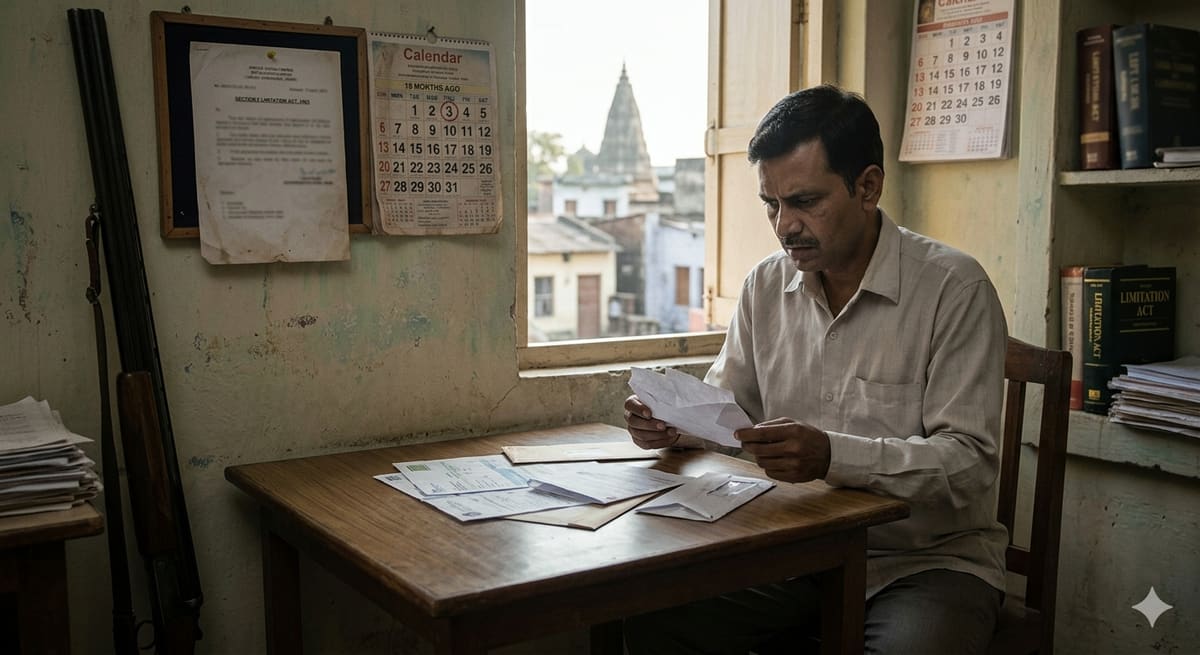
Section 5 Limitation Act | Non-Receipt of Order Constitutes Sufficient Cause for Condoning 18-Month Delay in Arms Licence Appeal : MP HC Jabalpur

The Madhya Pradesh High Court has ruled that a petitioner’s failure to receive a statutory order, despite due diligence, qualifies as sufficient cause under Section 5 of the Limitation Act to condone significant delay in filing an appeal. This sets a critical precedent for citizens challenging administrative decisions where official communication fails, reinforcing natural justice in licensing regimes.

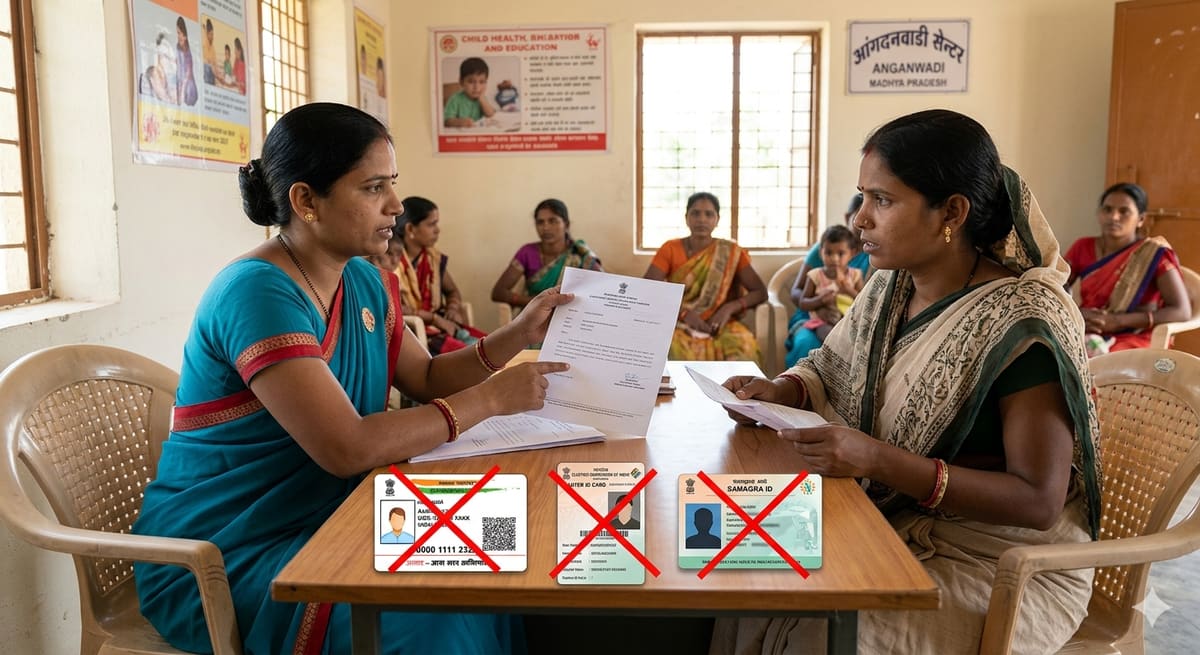
Prescribed Documents for Local Residence in Aanganwadi Appointments | Aadhaar, Samagra ID, Voter ID Inadmissible Under 2007 Circular : MP HC Jabalpur
Case Law Analysis
|Madhya Pradesh High Court

Prescribed Documents for Local Residence in Aanganwadi Appointments | Aadhaar, Samagra ID, Voter ID Inadmissible Under 2007 Circular : MP HC Jabalpur

The Madhya Pradesh High Court has ruled that only documents explicitly listed in the 2007 Women and Child Development circular-ration card, Gram Panchayat voter list, and BPL list-can prove local residence for Aanganwadi worker appointments. Aadhaar, Samagra ID, and Voter ID, though widely accepted elsewhere, cannot substitute these statutorily mandated proofs, reinforcing strict compliance in public employment selection.

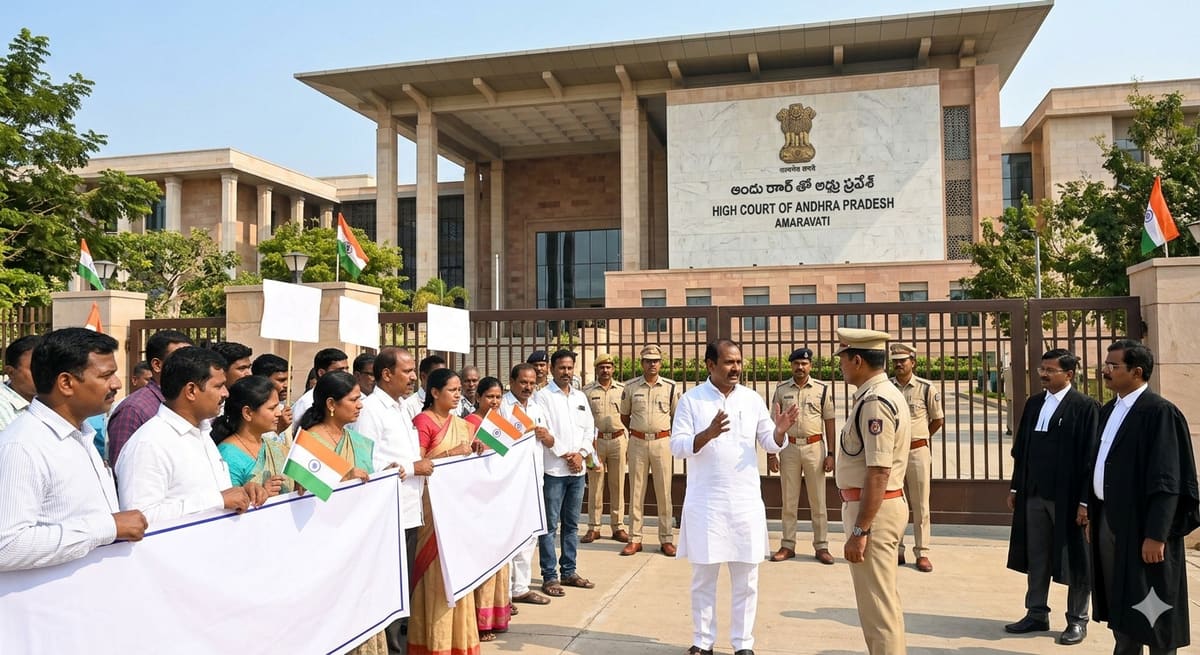
Article 19(1)(b) & Writ of Mandamus | AP HC Directs Disposal of Assembly Permission Request Within 2 Days to Uphold Right to Peaceful Assembly : AP HC
Case Law Analysis
|Andhra Pradesh High Court

Article 19(1)(b) & Writ of Mandamus | AP HC Directs Disposal of Assembly Permission Request Within 2 Days to Uphold Right to Peaceful Assembly : AP HC

The Andhra Pradesh High Court ruled that authorities must dispose of requests for public assembly permissions within two days, emphasizing that undue delays violate constitutional rights under Articles 14, 19(1)(a), 19(1)(b), and 21. The judgment reinforces the state's obligation to facilitate, not obstruct, democratic dissent through timely administrative action.

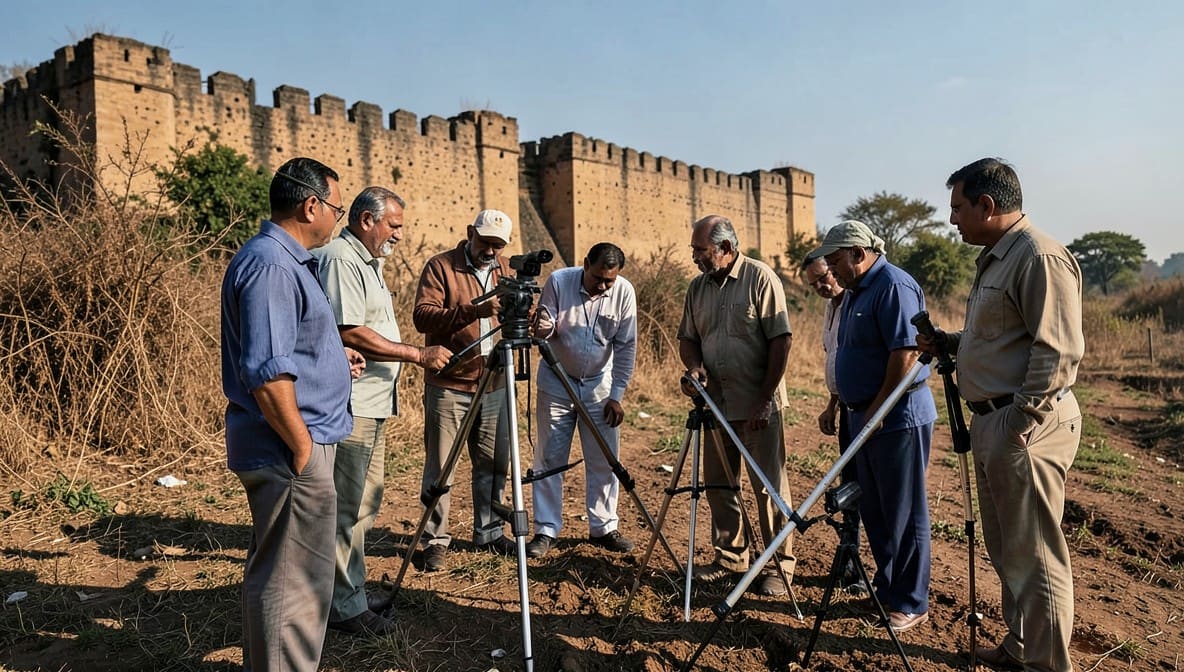
Ancient Monuments Act | Joint Survey Mandatory Before Land Conversion Denial; Karnataka HC Quashes Presumptive Rejection : Karnataka HC
Case Law Analysis
|Karnataka High Court

Ancient Monuments Act | Joint Survey Mandatory Before Land Conversion Denial; Karnataka HC Quashes Presumptive Rejection : Karnataka HC

Karnataka High Court ruled that land conversion denials under the Ancient Monuments Act must be based on joint surveys, not administrative presumptions. The Court quashed a denial order and directed fresh consideration after on-ground verification, reinforcing due process in property disputes involving protected monuments.

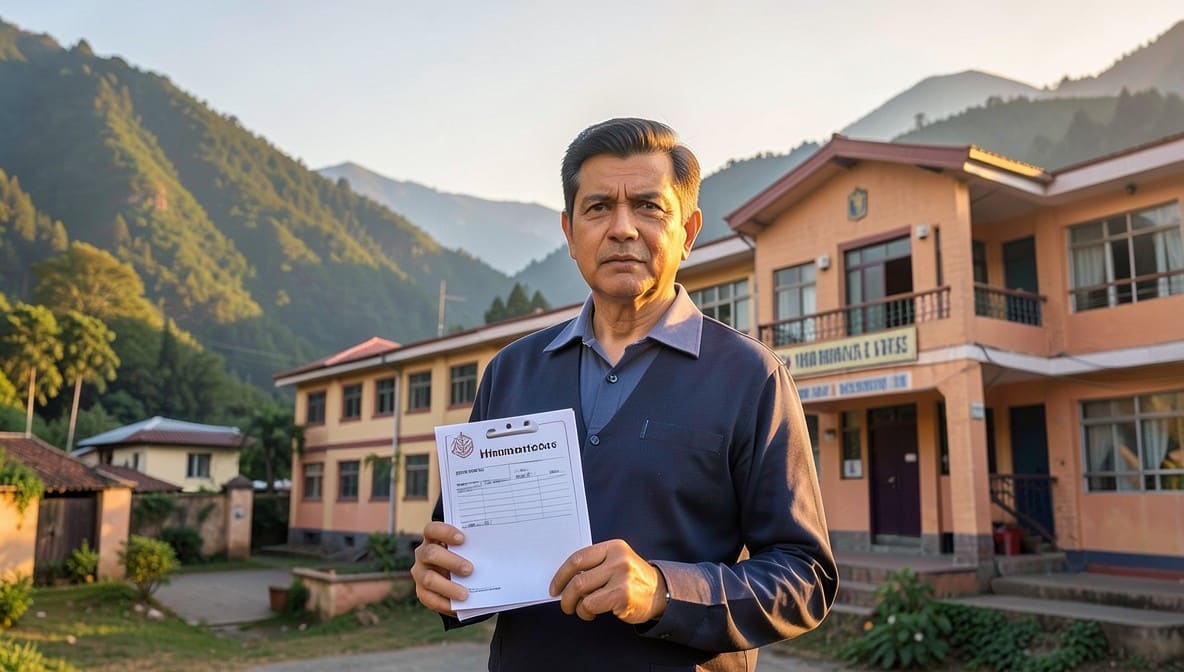
Service Law | Promotion Must Be Regularized From Date of Charge Assumption With Full Arrears & 9% Interest : Himachal Pradesh HC
Case Law Analysis
|Himachal Pradesh High Court

Service Law | Promotion Must Be Regularized From Date of Charge Assumption With Full Arrears & 9% Interest : Himachal Pradesh HC

Himachal Pradesh High Court rules that government employees promoted on a placement basis must be regularized from the actual date they assumed charge, not the notification date, entitling them to full arrears with 9% interest. The judgment reinforces equality in public employment by mandating consequential benefits for similarly situated employees.

Article 14, 21 & 300-A | Municipal Survey Without Title Document Verification Violates Property Rights : Andhra Pradesh HC
Case Law Analysis
|Andhra Pradesh High Court

Article 14, 21 & 300-A | Municipal Survey Without Title Document Verification Violates Property Rights : Andhra Pradesh HC

Andhra Pradesh High Court rules that municipal authorities must conduct surveys based on title documents before initiating public works on private land. The judgment mandates due process under Articles 14, 21, and 300-A, ensuring property owners are protected from arbitrary encroachment without statutory acquisition or notice.