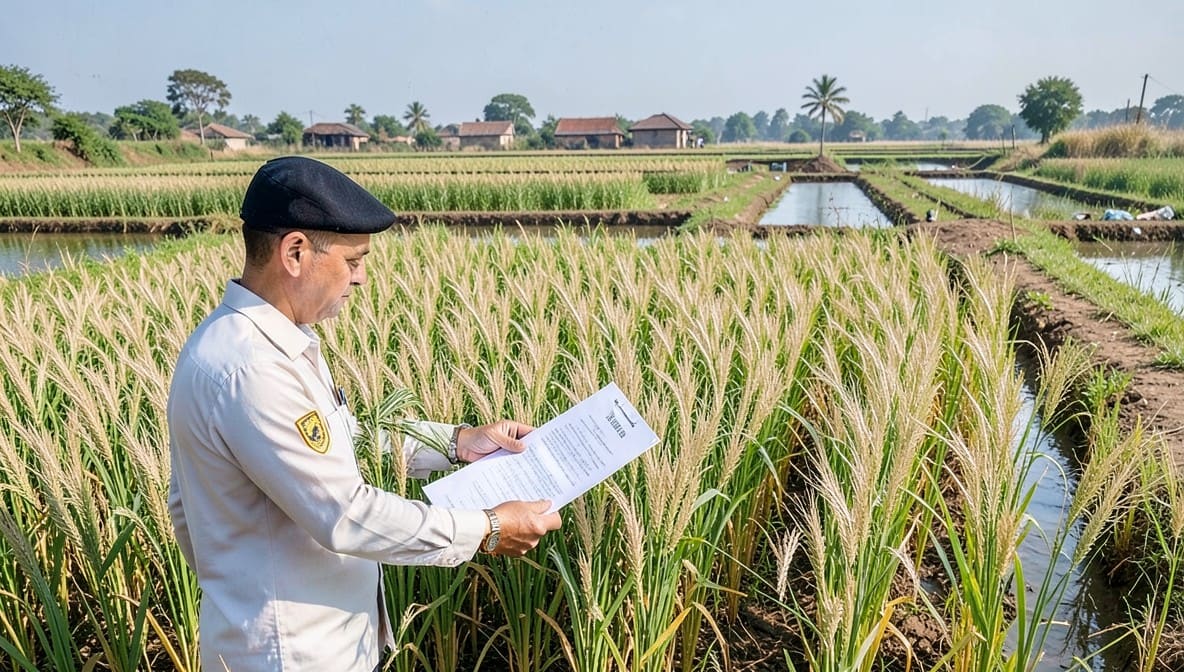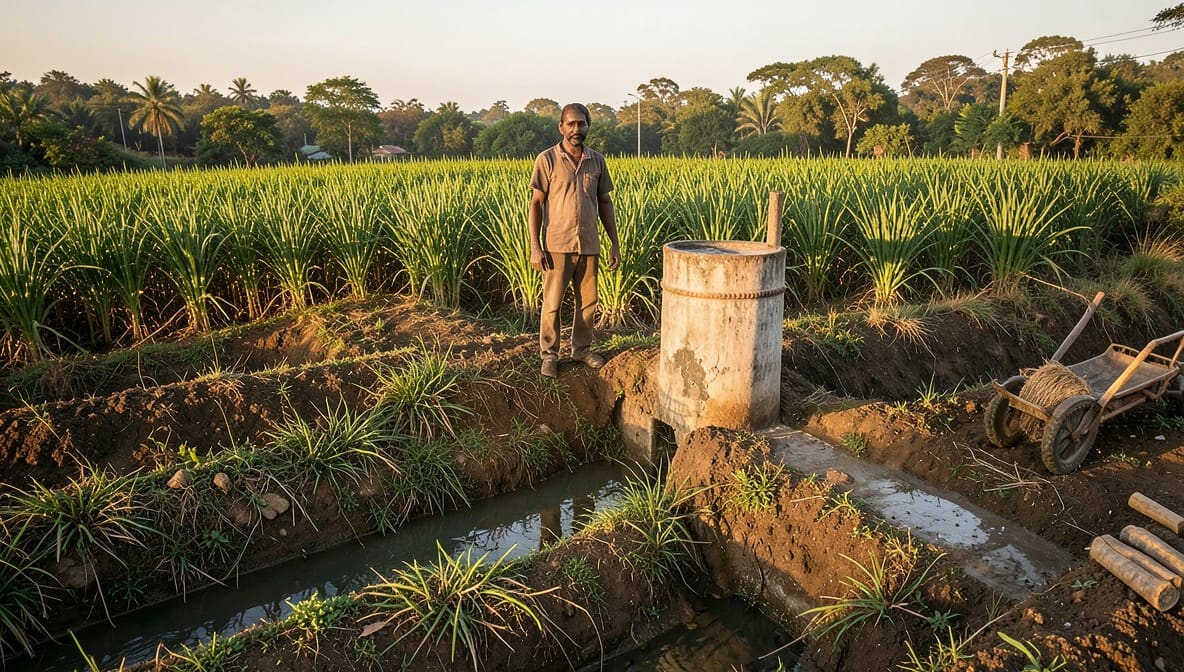
The Madhya Pradesh High Court has clarified that land irrigated by a natural watercourse - specifically a nullah - qualifies as irrigated land for the purpose of calculating enhanced compensation under the Land Acquisition Act, 2013. This ruling resolves longstanding ambiguity in revenue records and sets a binding precedent for similar acquisitions across the state.
Background & Facts
The Dispute
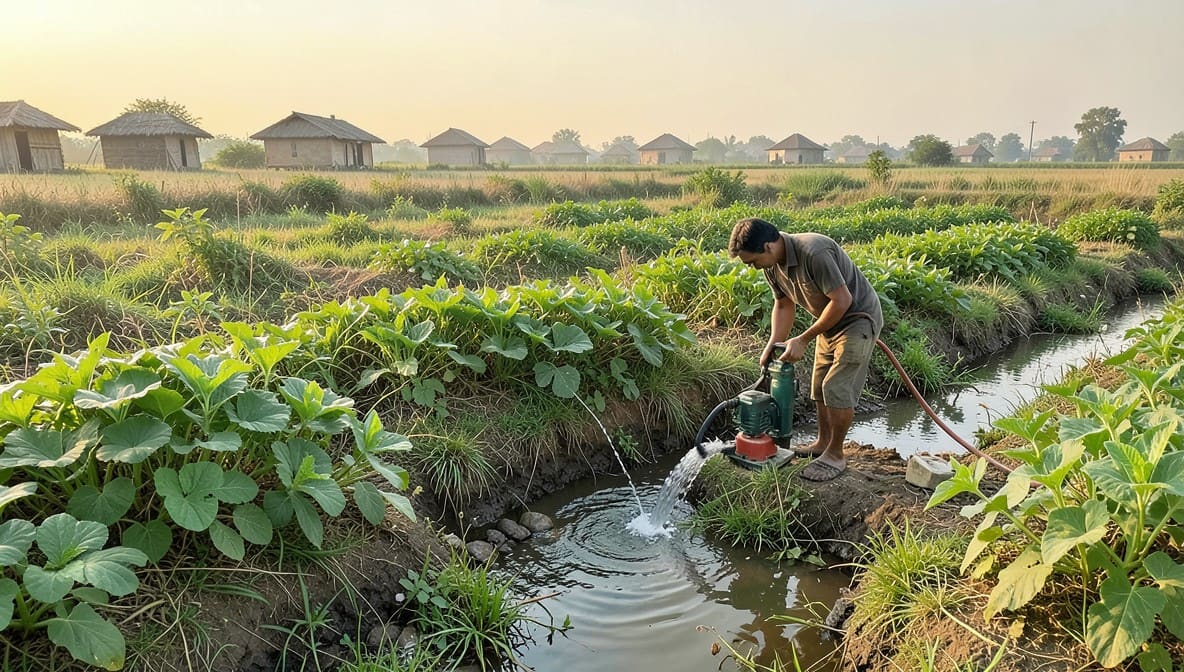
These five consolidated first appeals challenge the awards of the Reference Court, which enhanced compensation for land acquired under the Land Acquisition Act, 2013 by classifying the land as irrigated rather than unirrigated. The State of Madhya Pradesh, through the Executive Engineer and other officials, contested this classification, arguing that only lands irrigated by tube-wells, bore-wells, wells, or irrigation canals qualify as irrigated. The respondents, landowners in villages of Panna district, maintained that their lands were irrigated by a nearby nullah, a natural seasonal stream, and thus deserved the higher compensation rate applicable to irrigated land.
Key Facts
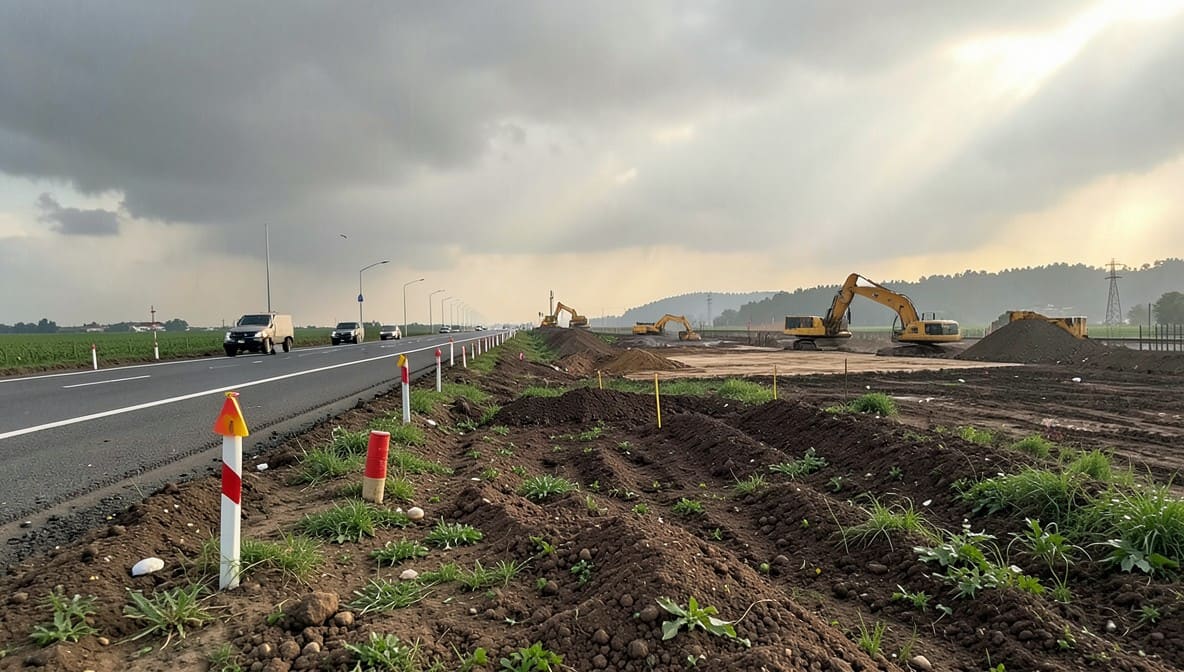
- The acquisitions were made for the construction of irrigation ponds, including the Barbira Pond project and similar projects in adjoining villages.
- Revenue records (Khasra Paanch Sala) for all disputed lands consistently recorded them as irrigated by means of a nearby nullah.
- In FA 652/2020: Khasra Nos. 163, 162, 2807, and 2808 (total area 2.040 hectares) were recorded as irrigated by nullah in the 2012-18 revenue records (Ex.P-2).
- In FA 653/2020: Patwari Sardar Alam Khan admitted in deposition that the land was recorded as irrigated in revenue records and adjoined a nullah.
- In FA 654/2020: Same Patwari confirmed column 12 of Khasra correctly recorded irrigation by nullah.
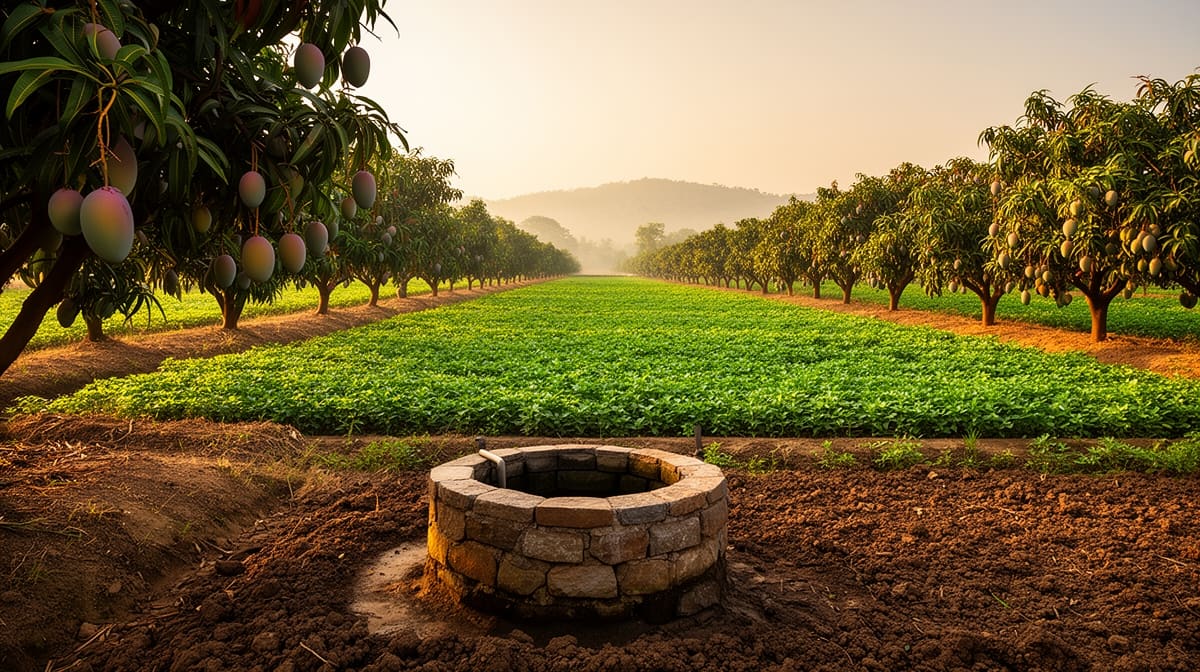
- In FA 324/2023: Survey No. 316 erroneously recorded a well, but Exhibits P-3 confirmed irrigation by well for Survey Nos. 275, 276, 313, 316, and 328.
- In FA 656/2024: Tehsildar Shashikant Dubey admitted that Khasra entries for 2002-2004 recorded irrigation by nullah, and though later entries mentioned canal, no canal existed - only the nullah was present.
- The State’s Joint Inspection Committee report, which classified the land as unirrigated, was rejected by the Reference Court and upheld by this Court due to lack of corroboration.
- Witnesses for the State, including Patwaris and Tehsildars, admitted in court that the land was irrigated by nullah despite their initial classification as unirrigated in acquisition surveys.
Procedural History
- 2018 - 2019: Land acquisition notifications issued for irrigation projects in Panna district.
- 2019 - 2020: Land Acquisition Officers (LAOs) issued awards classifying all disputed lands as unirrigated.
- 2020 - 2021: Reference applications filed by landowners under Section 46 of the Land Acquisition Act, 2013.
- 2021 - 2022: Reference Courts enhanced compensation by reclassifying lands as irrigated, citing Khasra entries and oral evidence of irrigation via nullah.
- 2020 - 2024: Five appeals filed before the High Court:
- FA 652/2020 (Bachchu)
- FA 653/2020 (Ganeshiya Bai)
- FA 654/2020 (Minta Bai)
- FA 324/2023 (Smt. Chanda Gupta and others)
- FA 656/2024 (Rajabeti (deceased) and others)
- 2022 - 2023: Coordinate Bench of this Court in FA 647/2020 (Barbira Pond project) upheld irrigation by nullah as qualifying for irrigated land status.
- 06.07.2023: Supreme Court dismissed SLP (Civil) Diary No. 20393/2023 challenging FA 647/2020.
- 22.06.2026: Present judgment delivered by Justice Vivek Jain.
The Parties' Positions
For the Appellant (State)
- Argued that only lands irrigated by artificial means - tube-well, bore-well, well, or canal - qualify as irrigated under the Act.
- Contended that nullah irrigation is temporary, seasonal, and not a recognized source under the Act.
- Relied on Joint Inspection Committee reports classifying land as unirrigated.
- Asserted that the Reference Court erred in disregarding these reports and in relying on Khasra entries that were allegedly outdated or incorrect.
- Claimed that since the acquisition was for an irrigation project, the land should be presumed unirrigated.
For the Respondents (Landowners)
- Relied on Khasra entries from revenue records as conclusive proof of irrigation status.
- Presented oral testimony from State witnesses (Patwaris and Tehsildars) admitting that land was irrigated by nullah.
- Cited FA 647/2020 and other coordinate bench judgments affirming nullah irrigation as qualifying.
- Highlighted that the Supreme Court had declined to interfere with FA 647/2020, thereby endorsing the legal position.
- Argued that the State failed to rebut the documentary and oral evidence.
Relief Sought
The State sought:
- Setting aside of the Reference Court awards enhancing compensation.
- Restoration of the original LAO awards classifying land as unirrigated.
- Rejection of enhanced solatium and interest rates.
The respondents sought:
- Confirmation of the Reference Court awards.
- Payment of enhanced compensation at irrigated land rates.
- Interest at 9% for the first year and 15% thereafter, as per Section 72 of the Act, 2013.
The Legal Issue
The central question was whether land irrigated by a natural watercourse, specifically a nullah, qualifies as "irrigated land" for the purpose of enhanced compensation under the Land Acquisition Act, 2013, when such irrigation is consistently recorded in revenue records and admitted by State witnesses.
Arguments Presented
For the Appellant
The State contended that the term "irrigated land" under the Land Acquisition Act, 2013, must be interpreted restrictively to include only lands irrigated by engineered systems - tube-wells, bore-wells, wells, or canals. It argued that nullahs are ephemeral, non-permanent, and lack statutory recognition as irrigation sources. The State relied on the Joint Inspection Committee’s report, which classified the land as unirrigated, and claimed that Khasra entries were outdated or erroneously maintained. It further asserted that since the acquisition was for an irrigation project, the land should be presumed unirrigated, citing a flawed logic of inverse presumption. The State also challenged the applicability of FA 647/2020, arguing it was not binding.
For the Respondent
The respondents relied on the statutory recognition of revenue records under Section 26(1)(a) of the Land Acquisition Act, 2013, which mandates market value determination based on official records. They presented uncontroverted testimony from State-appointed Patwaris and Tehsildars, who admitted that the land was recorded as irrigated by nullah in Khasra entries and that irrigation occurred through the nullah via diesel pumps. They cited FA 647/2020 and two other coordinate bench judgments (FA 256/2022, FA 718/2022) as binding precedents. They further noted that the Supreme Court had dismissed the State’s SLP against FA 647/2020, indicating judicial endorsement of the principle. They emphasized that the State failed to produce any evidence to rebut the documentary and testimonial proof.
The Court's Analysis
The Court undertook a detailed review of the evidence in each appeal, focusing on the reliability of revenue records and the credibility of State witnesses. It observed that the Patwaris and Tehsildars, who were called as defense witnesses, admitted under oath that the land was recorded as irrigated by nullah in the Khasra entries and that irrigation occurred through the nullah. The Court emphasized that such admissions by State officials carry significant weight and cannot be disregarded merely because they contradict earlier administrative classifications.
"The admission of DW-1 who deposed on behalf of the State that the land is irrigated by means of a nearby Nullah does not leave anything to doubt that the land was irrigated by the nearby Nullah."
The Court rejected the State’s reliance on the Joint Inspection Committee report, noting that it was not corroborated by any independent evidence and was contradicted by contemporaneous revenue records. It held that the Khasra entries, maintained by the revenue department, are presumptively reliable and constitute prima facie proof of land classification.
The Court also addressed the State’s argument that land acquired for an irrigation project should be presumed unirrigated. It dismissed this as illogical and legally untenable, stating:
"Submission of learned counsel for the appellants that the land has been acquired for Irrigation Project, therefore, it should be presumed to be un-irrigated land, is also not acceptable."
The Court further affirmed the applicability of FA 647/2020, noting that it involved the same project and identical legal issues, and that the Supreme Court had declined to interfere. It held that coordinate benches are bound by their own prior decisions on the same subject matter unless overruled by a larger bench.
On the issue of compensation methodology, the Court relied on Madhya Pradesh Road Development Corporation v. Mohd. Shahbuddin (2022 MPLJ 674), holding that Collector’s guidelines under the Indian Stamp Act, 2013, have statutory recognition under Section 26(1)(a) and override the outdated practice of relying on sale deeds for market value determination.
Regarding interest, the Court held that the Reference Court’s application of 9% for the first year and 15% thereafter was in strict compliance with Section 72 of the Land Acquisition Act, 2013, and could not be disturbed.
Finally, the Court noted that the State failed to prove service of the LAO’s award, invoking the second proviso to Section 64(2) of the Act, which renders the reference application time-barred only if service is proven. Since no such proof existed, the reference was valid.
The Verdict
The appeals were dismissed. The High Court upheld the Reference Court awards enhancing compensation by classifying the land as irrigated. The respondents are entitled to compensation at the irrigated land rate, with solatium of 100% and interest at 9% per annum for the first year and 15% thereafter until payment, as per Section 72 of the Land Acquisition Act, 2013. The State is directed to disburse the enhanced compensation within eight weeks from the date of this judgment.
What This Means For Similar Cases
Irrigation by Nullah Qualifies as Irrigated Land
- Practitioners must now treat irrigation via natural watercourses (nullahs, rivulets, seasonal streams) as valid for classification as irrigated land if supported by revenue records.
- Revenue Khasra entries are conclusive unless rebutted by credible, contemporaneous evidence.
- State officials’ admissions in court cannot be ignored even if they contradict prior administrative classifications.
Revenue Records Trump Inspection Reports
- Joint Inspection Committee reports are not binding; they are merely advisory and must be corroborated.
- Where Khasra entries and witness testimony align, courts will prioritize them over technical reports.
- Landowners should always obtain certified copies of Khasra records at the earliest stage of acquisition proceedings.
Precedent Binding Across Similar Projects
- Coordinate bench judgments on identical factual and legal issues are binding within the same High Court.
- If the Supreme Court dismisses an SLP against such a judgment, it reinforces its precedential value.
- Lawyers in land acquisition cases should cite FA 647/2020 and related judgments as controlling authority in Panna and similar districts.