The Andhra Pradesh High Court has intervened in a dispute involving alleged encroachment by municipal authorities on private land, directing a comprehensive survey based on title documents to resolve ambiguity over land boundaries. The judgment underscores the importance of adhering to legal procedures for land acquisition and protecting property rights under Articles 14, 21, and 300-A of the Constitution of India.
Background & Facts
The Dispute
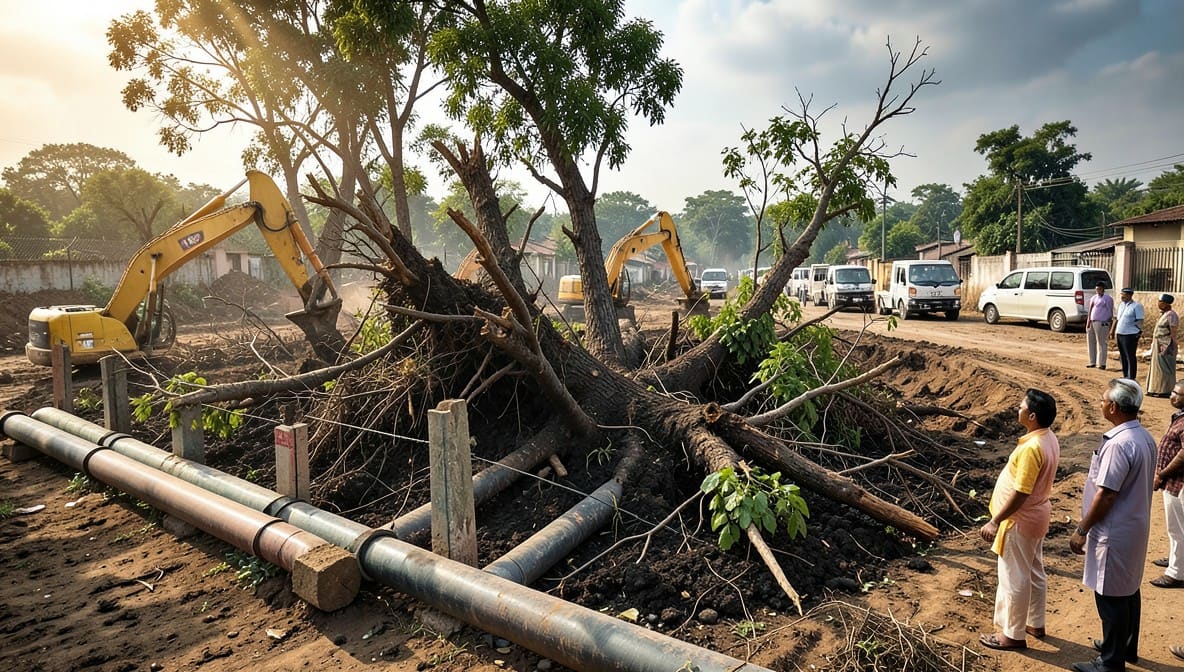
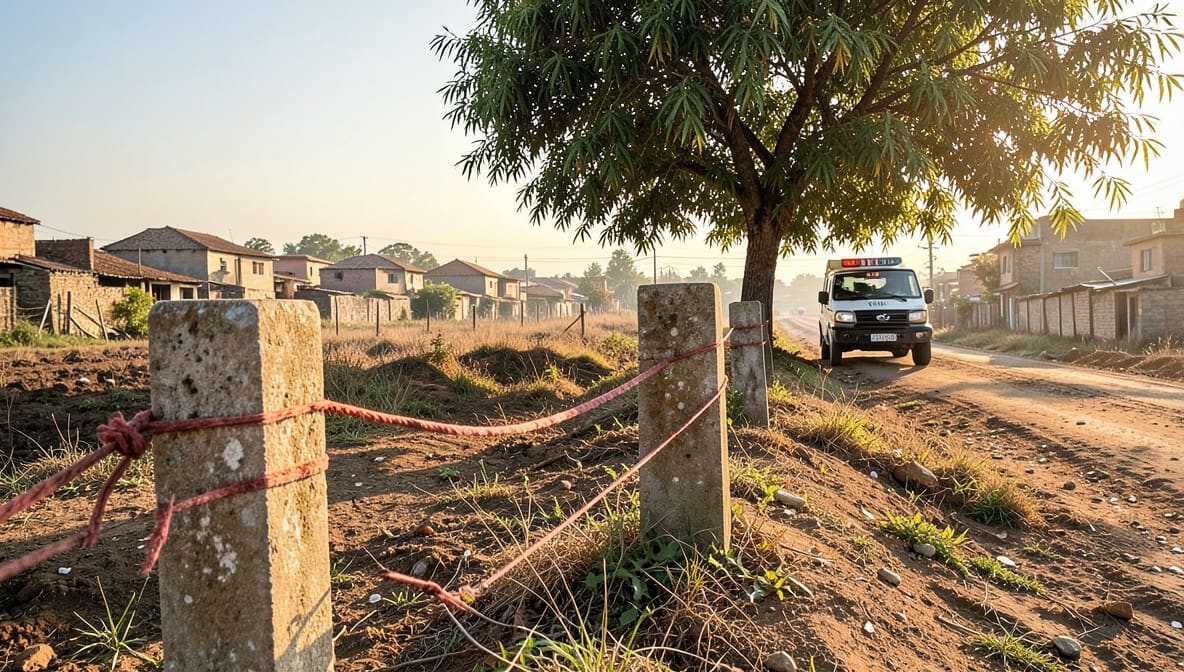
The petitioners, Chintapalli Venkateswari and Lodagala Chetan Kumar, own a plot of land bearing Plot No. 32, admeasuring 182.40 square yards (0.037 acres), situated in Sy.No. 113/2C1A, Chinnagadili Village, Visakhapatnam. The plot is covered by an approved Layout Permit No. 16/95. The petitioners alleged that the respondents - Greater Visakhapatnam Municipal Corporation (GVMC) and other municipal authorities - encroached upon their land while establishing an Open Gym and allied works in the adjoining open area of the layout. Specifically, the petitioners claimed that a portion of their land was occupied by a newly constructed compound wall.
Key Facts
- The petitioners’ land is situated in an approved layout (Permit No. 16/95) in Chinnagadili Village, Visakhapatnam.
- The respondents commenced construction of an Open Gym in the open area adjacent to the petitioners’ plot.
- The petitioners objected to the construction, alleging encroachment on their land.
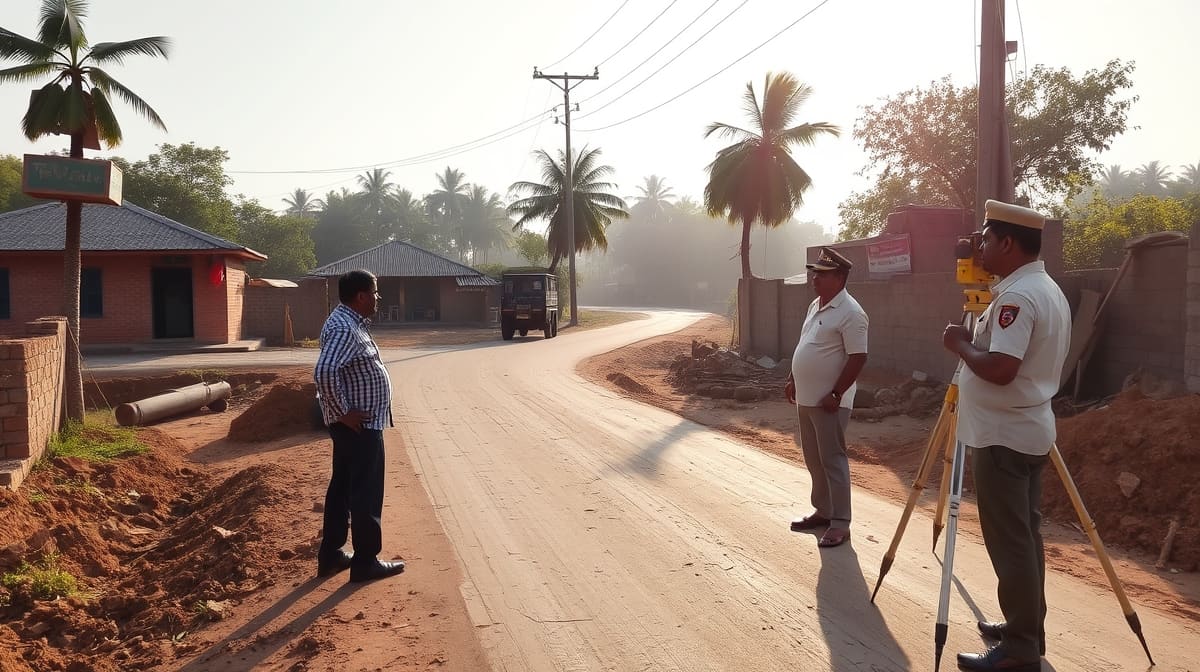
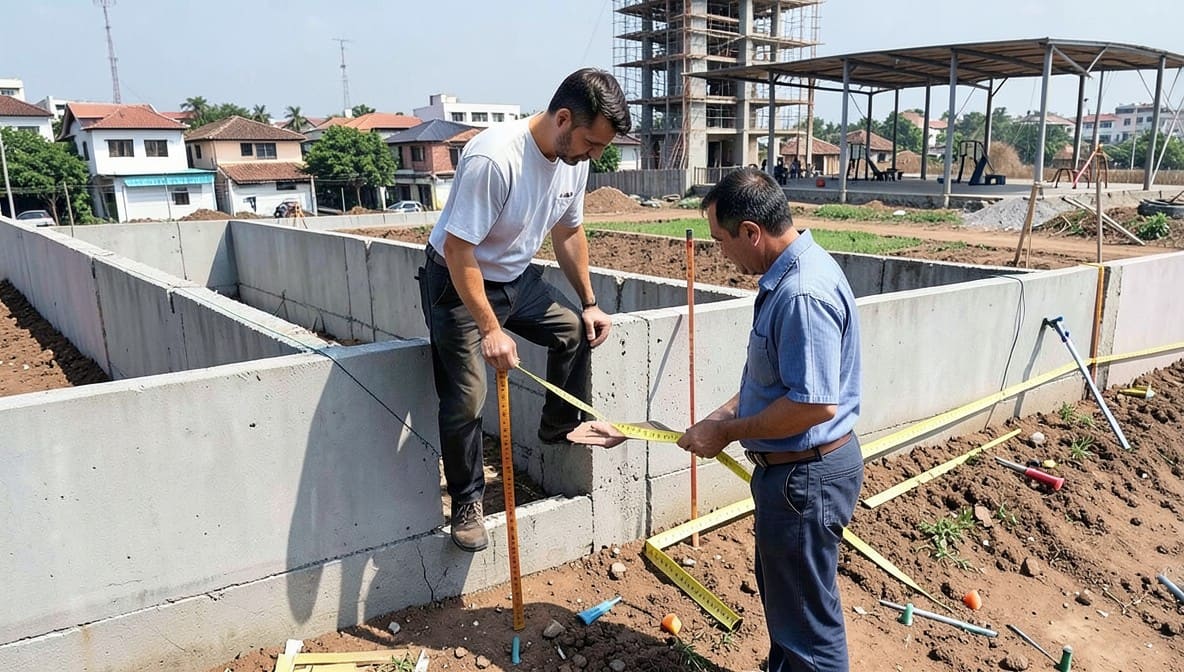
- At the petitioners’ instance, the Tahsildar, Visakhapatnam Rural Mandal, conducted a survey and submitted a report (Rc.No. 307/2026/A dated 29.05.2026), which indicated a deficiency of seven square yards from the petitioners’ property, covered by the newly constructed compound wall.
- The respondents claimed that a survey was conducted in the presence of the petitioners’ representative (the brother of the 1st petitioner) and that the boundaries were duly demarcated.
Procedural History
- 15.06.2026: The petitioners submitted a representation to the respondent authorities, objecting to the encroachment and seeking redress.
- 29.05.2026: The Tahsildar submitted a report indicating a deficiency of seven square yards in the petitioners’ land.
- 23.06.2026: The present Writ Petition No. 16518/2026 was filed under Article 226 of the Constitution of India, seeking:
- A writ of mandamus declaring the respondents’ action illegal, arbitrary, and unconstitutional.
- A direction to the respondents to refrain from interfering with the petitioners’ peaceful possession and enjoyment of their land.
- A direction to consider and act upon the Tahsildar’s report dated 29.05.2026.
- IA No. 1 of 2026: An interim application was filed seeking a stay on further construction activity.
Relief Sought
The petitioners sought:
- A declaration that the respondents’ action of encroaching upon their land without following the due process of law (under Act 30 of 2013) is illegal and violative of Articles 14, 21, and 300-A of the Constitution of India.
- A direction to the respondents to restore the encroached portion of their land.
- An order restraining the respondents from proceeding with further construction until the survey and demarcation process is completed.
The Legal Issue
The central question before the Court was whether the municipal authorities could proceed with construction on land adjacent to private property without:
- Acquiring the land under Act 30 of 2013.
- Conducting a lawful survey and demarcation based on the title documents of the affected landowners.
- Ensuring that no portion of private land is encroached upon during public works.
Arguments Presented
For the Petitioners
- The respondents encroached upon the petitioners’ land without notice or following the legal procedure for acquisition under Act 30 of 2013.
- The Tahsildar’s report dated 29.05.2026 clearly indicated a deficiency of seven square yards in the petitioners’ land, which was covered by the respondents’ construction.
- The respondents’ action violated the petitioners’ right to property under Article 300-A and the right to equality and life under Articles 14 and 21 of the Constitution.
- Public funds were being misused for construction on disputed land without resolving the ambiguity.
For the Respondents
- The respondents conducted a survey in the presence of the petitioners’ representative (the brother of the 1st petitioner) and demarcated the boundaries of the open space.
- The construction activity was commenced only after ensuring that no private land was encroached upon.
- The petitioners were informed of the survey but did not participate, sending only a representative.
The Court's Analysis
The Court observed that there was a discrepancy between the Tahsildar’s report and the respondents’ claims. While the Tahsildar’s report indicated a deficiency of seven square yards in the petitioners’ land, the respondents contended that the survey was conducted in the presence of the petitioners’ representative and that no encroachment occurred.
The Court emphasized the need for due process and transparency in public works involving private land. It held that:
"Considering the submissions of the learned counsel for the petitioners and the learned standing counsel for the respondent Nos. 2 to 4, there is an ambiguity with regard to the extent of the land under the occupation of the respondent Nos. 2 to 4. The survey report submitted by the Tahsildar indicates that an extent of seven square yards belonging to the petitioners is presently covered by the construction activity undertaken by respondent Nos. 2 to 4."
The Court further noted that public funds were involved in the project, and any ambiguity regarding land ownership must be resolved before proceeding with construction. It directed the petitioners to furnish copies of their title documents to the respondents within one week. Upon receipt, the respondents were ordered to conduct a comprehensive survey and demarcation of the petitioners’ land based on the title documents.
The Court made it clear that:
"If any portion of the petitioners' land is found to be covered by the ongoing construction activity, the same shall be restored to the petitioners in accordance with law. Till the completion of the survey and demarcation process, the respondents shall not proceed with any further construction activity, as public funds are involved in the project."
The Verdict
The Court disposed of the writ petition with the following directions:
- The petitioners were directed to furnish copies of their title documents to respondent No. 2 (GVMC) within one week from the date of receipt of the order (23.06.2026).
- Upon receipt of the title documents, respondent Nos. 2 to 5 were directed to conduct a comprehensive survey and demarcation of the petitioners’ land within four weeks.
- If any portion of the petitioners’ land was found to be encroached upon, the respondents were directed to restore the same to the petitioners in accordance with law.
- Until the survey and demarcation process was completed, the respondents were restrained from proceeding with any further construction activity on the disputed land.
- The writ petition was disposed of with no order as to costs.
What This Means For Similar Cases
Title Documents Are Conclusive for Land Demarcation
- Municipal authorities must rely on title documents submitted by landowners to resolve disputes over land boundaries.
- A survey conducted without reference to title documents may be deemed insufficient and arbitrary, especially if it conflicts with independent reports (e.g., the Tahsildar’s report).
Public Works Must Comply With Due Process
- Act 30 of 2013 (or relevant land acquisition laws) must be followed before commencing construction on land adjacent to private property.
- Failure to acquire land legally or conduct a transparent survey can render the construction illegal and unconstitutional, violating Articles 14, 21, and 300-A.
Interim Relief Can Be Granted to Prevent Irreversible Harm
- Courts may stay further construction activity where public funds are involved and there is ambiguity over land ownership.
- This ensures that irreversible harm is not caused to private landowners while the dispute is being resolved.
Representations Must Be Considered Before Proceeding
- Authorities must act upon representations submitted by affected parties, such as the Tahsildar’s report in this case.
- Ignoring such reports or proceeding without resolving disputes can lead to adverse orders from the High Court under Article 226.