High Courts judgments

10232 High Courts judgments explained in plain English: what was decided, the law applied and why it matters. Page 80 of 427.

BNS Section 316(2) & 318(4) | Third-Party Purchaser Not Liable Without Allegations of Deception or Forgery: Jharkhand HC
|Jharkhand High Court

BNS Section 316(2) & 318(4) | Third-Party Purchaser Not Liable Without Allegations of Deception or Forgery: Jharkhand HC

Jharkhand High Court quashed an FIR under Bharatiya Nagarik Suraksha Sanhita 2023, ruling that a bona fide third-party purchaser cannot be held criminally liable for forgery or cheating unless there is specific allegation of deception, impersonation, or active collusion. The decision reinforces protections for innocent purchasers in property disputes.

Education Law | Suspension Orders Must Balance Disciplinary Action with Academic Rights: Karnataka HC Modifies University Suspension Under Writ Jurisdiction
Case Law Analysis
|Karnataka High Court

Education Law | Suspension Orders Must Balance Disciplinary Action with Academic Rights: Karnataka HC Modifies University Suspension Under Writ Jurisdiction

Karnataka High Court directs universities to regulate suspension orders to allow students to attend classes and exams while disciplinary proceedings are pending. The ruling emphasizes that academic rights must not be entirely curtailed during internal complaints committee (ICC) inquiries, setting a precedent for balancing discipline with educational continuity.

Himachal Pradesh Recruitment Act Sections 6-8 | Unconstitutional for Violating Natural Justice & Arbitrary Regularization Bar: HP HC
Case Law Analysis
|Himachal Pradesh High Court

Himachal Pradesh Recruitment Act Sections 6-8 | Unconstitutional for Violating Natural Justice & Arbitrary Regularization Bar: HP HC

HP High Court strikes down Sections 6, 7, and 8 of the Himachal Pradesh Recruitment Act 2024 for being arbitrary and violative of natural justice, directing the state to reconsider contractual employees' regularization claims. The ruling mandates adherence to constitutional principles in employment laws, impacting thousands of contractual workers in Himachal Pradesh.

Rule 18, MP Tribes and Scheduled Castes Teaching Cadre Rules, 2018 | District-Level Seniority Must Be Preserved in Teacher Transfers : MP HC Jabalpur
Case Law Analysis
|Madhya Pradesh High Court

Rule 18, MP Tribes and Scheduled Castes Teaching Cadre Rules, 2018 | District-Level Seniority Must Be Preserved in Teacher Transfers : MP HC Jabalpur

The Madhya Pradesh High Court has quashed the transfer of a tribal teacher outside his district, affirming that Rule 18 of the 2018 Service Rules mandates seniority be preserved at the district level. This ruling protects hundreds of tribal educators from arbitrary transfers that erode their service rights and undermines administrative fairness in education postings.

Order 41 Rule 27 CPC | Fresh Evidence Cannot Be Relied Upon Against Ex Parte Party Without Notice or Cross-Examination : MP HC
Case Law Analysis
|Madhya Pradesh High Court

Order 41 Rule 27 CPC | Fresh Evidence Cannot Be Relied Upon Against Ex Parte Party Without Notice or Cross-Examination : MP HC

The Madhya Pradesh High Court has ruled that appellate courts cannot uphold decrees based on additional documents produced under Order 41 Rule 27 CPC when the opposing party was absent and denied any opportunity to rebut or cross-examine. This reinforces natural justice as a non-negotiable pillar in civil appellate proceedings, protecting litigants from surprise judgments grounded in untested evidence.

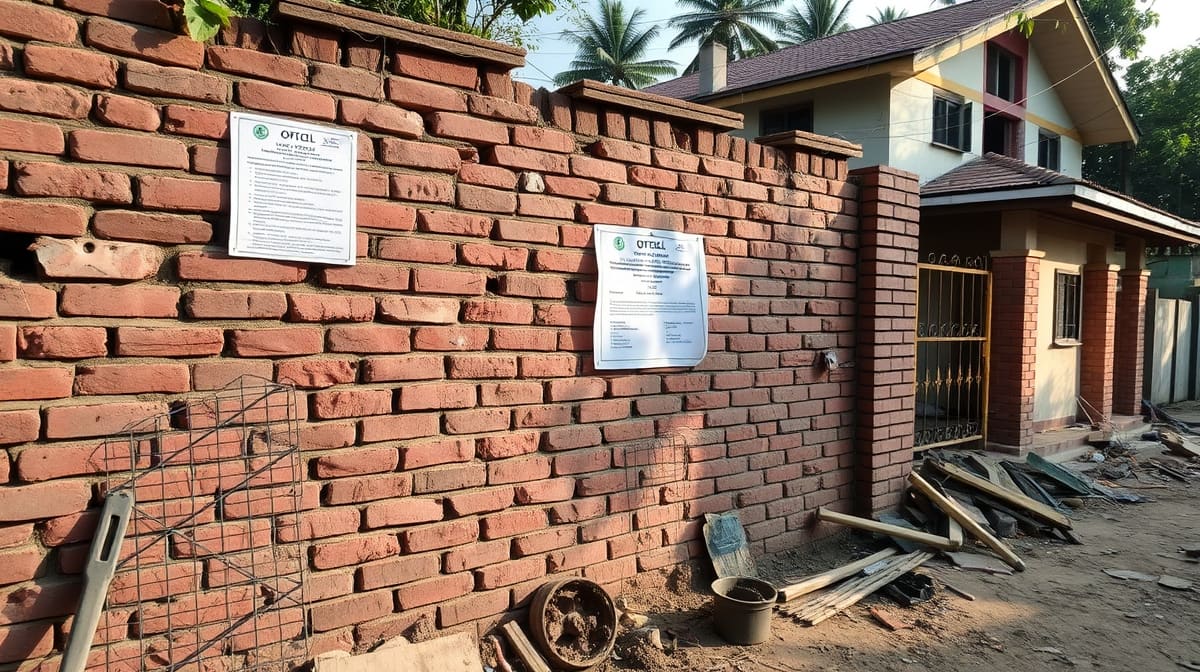
Due Process Mandated for Municipal Demolitions | Notice, Hearing & Reasoned Order Required Under Municipal Corporation Act : MP HC
Case Law Analysis
|Madhya Pradesh High Court

Due Process Mandated for Municipal Demolitions | Notice, Hearing & Reasoned Order Required Under Municipal Corporation Act : MP HC

The Madhya Pradesh High Court has ruled that no demolition of property by a municipal corporation can proceed without issuing a statutory notice, providing a meaningful hearing, and passing a reasoned order. This reinforces the constitutional guarantee of procedural fairness under Article 21 and binds all municipal authorities to comply with the Municipal Corporation Act before depriving citizens of property.

SARFAESI Act Section 14 | MP HC Stays Auction of Residential Property Due to DRT Non-Functioning and 75% Loan Repayment : MP HC Indore
Case Law Analysis
|Madhya Pradesh High Court

SARFAESI Act Section 14 | MP HC Stays Auction of Residential Property Due to DRT Non-Functioning and 75% Loan Repayment : MP HC Indore

Madhya Pradesh High Court halts auction of borrowers' residential property under SARFAESI Act, ruling that procedural fairness mandates suspension when Debt Recovery Tribunal is non-functional and 75% of the loan has already been repaid. The decision underscores the need for banks to consider partial repayments before enforcing coercive recovery measures.

Legitimate Expectation in Public Tenders | Authorities Cannot Unilaterally Reduce Mela Duration After Bidder’s Reliance : MP HC Gwalior
Case Law Analysis
|Madhya Pradesh High Court

Legitimate Expectation in Public Tenders | Authorities Cannot Unilaterally Reduce Mela Duration After Bidder’s Reliance : MP HC Gwalior

The Madhya Pradesh High Court has ruled that once a bidder relies on tender conditions-such as a guaranteed 45-day mela duration-the government cannot arbitrarily shorten it. This reinforces the principle of legitimate expectation in public procurement, protecting contractors who invest time and capital based on official terms, and sets a precedent for enforcing contractual integrity against administrative overreach.

BNSS Section 430 | Bail Granted to 87-Year-Old Accused with Minor Role in Section 307/149 IPC Case : MP HC Jabalpur
Case Law Analysis
|Madhya Pradesh High Court

BNSS Section 430 | Bail Granted to 87-Year-Old Accused with Minor Role in Section 307/149 IPC Case : MP HC Jabalpur

The Madhya Pradesh High Court suspended the sentence of an 87-year-old accused with no central role in a Section 307/149 IPC case, recognizing advanced age and minimal involvement as sufficient grounds for bail pending appeal. This reinforces humanitarian considerations under BNSS Section 430, setting a precedent for elderly defendants in non-violent, ancillary roles within collective offenses.

Bail Granted Under BNSS Section 483 When Accused Has No Criminal Record & No Direct Role in Corruption Allegations : MP HC Jabalpur
Case Law Analysis
|Madhya Pradesh High Court

Bail Granted Under BNSS Section 483 When Accused Has No Criminal Record & No Direct Role in Corruption Allegations : MP HC Jabalpur

The Madhya Pradesh High Court granted bail to a former storekeeper implicated in a Rs. 1.42 crore corruption case, emphasizing that mere signature on documents without direct involvement or recovery does not justify pre-trial detention. The ruling reinforces that absence of criminal antecedents and administrative role, not operational culpability, are decisive factors in bail decisions under the Prevention of Corruption Act.

BNS Section 64 | Bail Granted Pending Appeal When Prosecutrix’s Testimony Is Contradictory and Corroborative Evidence Lacking : MP HC Jabalpur
Case Law Analysis
|Madhya Pradesh High Court

BNS Section 64 | Bail Granted Pending Appeal When Prosecutrix’s Testimony Is Contradictory and Corroborative Evidence Lacking : MP HC Jabalpur

The Madhya Pradesh High Court granted bail to a convicted appellant under BNS Section 64, finding the prosecutrix’s testimony riddled with material contradictions and no independent corroboration for the sexual assault allegation. The absence of DNA evidence, combined with the prosecution’s failure to examine key witnesses, rendered the case circumstantial and insufficient to justify continued incarceration pending appeal. This reinforces that weak, uncorroborated testimony alone cannot sustain custody in sexual offence cases.

Article 226 | Writ Petition for Unauthorised Construction Dismissed Without Exhausting GMDA Act Appeal Remedy : Gauhati HC
Case Law Analysis
|Gauhati High Court

Article 226 | Writ Petition for Unauthorised Construction Dismissed Without Exhausting GMDA Act Appeal Remedy : Gauhati HC

Gauhati High Court reinforces the exhaustion doctrine by dismissing a writ petition challenging a demolition order for unauthorised construction, directing petitioners to first pursue the statutory appeal under the GMDA Act. The ruling underscores that Article 226 cannot be invoked bypassing available statutory remedies, impacting property owners and developers in urban development disputes.

Section 115 CPC | Revision Petition Maintainable Against Review Order Without Challenging Decree : Meghalaya HC
|Meghalaya High Court

Section 115 CPC | Revision Petition Maintainable Against Review Order Without Challenging Decree : Meghalaya HC

Meghalaya High Court holds that a revision petition under Section 115 CPC can challenge an order rejecting a review application, even if the underlying decree remains unchallenged. This ruling clarifies the limited but crucial scope of revisional jurisdiction, offering tenants and litigants an additional remedy in eviction and property disputes without reopening the final decree.

Natural Justice in Contracts | Undisputed Payment Must Be Released Pending Dispute Resolution: Meghalaya HC
Case Law Analysis
|Meghalaya High Court

Natural Justice in Contracts | Undisputed Payment Must Be Released Pending Dispute Resolution: Meghalaya HC

Meghalaya High Court rules that withholding undisputed contractual payments violates natural justice, directing release of Rs. 17.79 lakhs while disputed Rs. 7.89 lakhs undergoes independent assessment. The ruling sets a precedent for equitable relief in public works contracts, ensuring contractors receive undisputed dues without procedural delays.

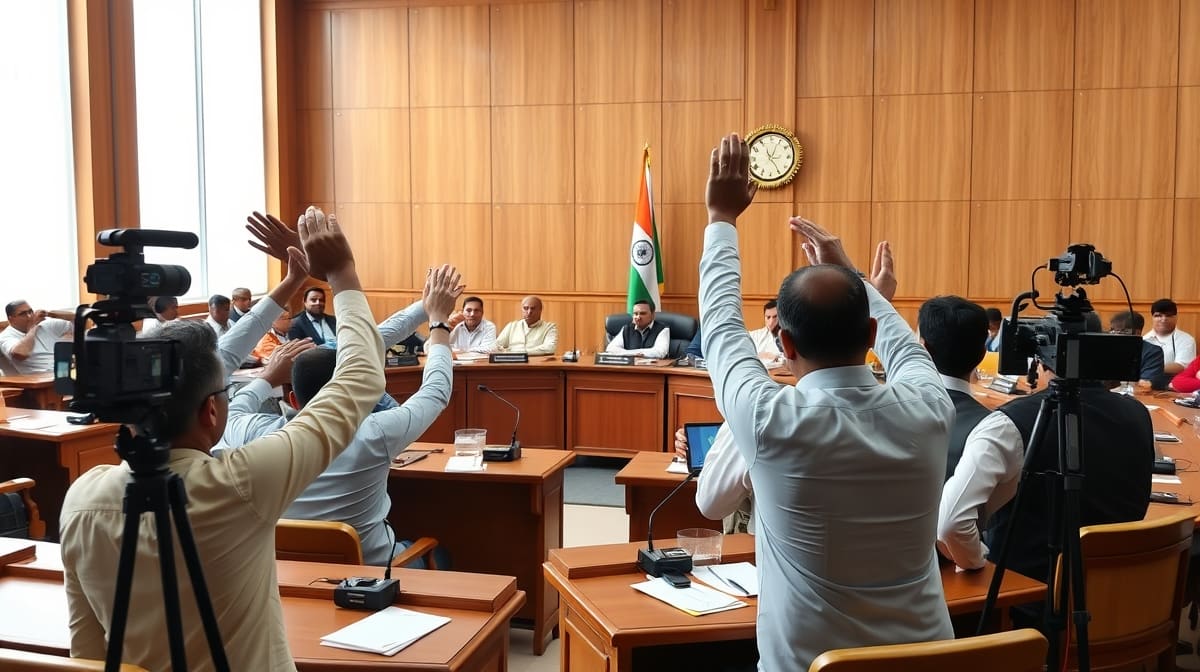
Punjab Municipal Election Rules 1994 | Detained Councillors Must Be Allowed to Take Oath & Vote; Videography Mandatory for Transparency : Punjab & Haryana HC
|Punjab and Haryana High Court

Punjab Municipal Election Rules 1994 | Detained Councillors Must Be Allowed to Take Oath & Vote; Videography Mandatory for Transparency : Punjab & Haryana HC

The Punjab & Haryana High Court ruled that detained councillors cannot be barred from taking oath or participating in municipal elections, ensuring their right to vote under the Punjab Municipal Election Rules, 1994. The Court mandated videography of the election process and directed the Deputy Commissioner to comply within 10 days, reinforcing transparency and procedural fairness in local governance.

BNS Sections 64(2)(n) & 51(3) | Anticipatory Bail Denied in Sexual Exploitation Case Citing Need for Custodial Interrogation : Punjab & Haryana HC
|Punjab and Haryana High Court

BNS Sections 64(2)(n) & 51(3) | Anticipatory Bail Denied in Sexual Exploitation Case Citing Need for Custodial Interrogation : Punjab & Haryana HC

The Punjab & Haryana High Court ruled that anticipatory bail cannot be granted in cases involving serious allegations of sexual exploitation for financial gain under Bharatiya Nyaya Sanhita, emphasizing that custodial interrogation is essential for a thorough investigation. The decision underscores that interim relief must yield to the imperatives of justice in heinous offenses, particularly where the accused's direct involvement is under scrutiny.

Section 483 BNSS | Compromise in Non-Compoundable Offences Justifies Regular Bail Under Article 21: Punjab & Haryana HC
Case Law Analysis
|Punjab and Haryana High Court

Section 483 BNSS | Compromise in Non-Compoundable Offences Justifies Regular Bail Under Article 21: Punjab & Haryana HC

Punjab & Haryana High Court grants regular bail under Section 483 BNSS in a forgery and cheating case where parties compromised, prioritizing constitutional rights under Article 21 over prolonged pre-trial detention. The ruling underscores that compromise can override the non-compoundable nature of offences when investigation is complete and no public interest is prejudiced.

BNS Section 123 | Bail Granted Due to Absence of Forensic Evidence and Completed Investigation: Punjab & Haryana HC
Case Law Analysis
|Punjab and Haryana High Court

BNS Section 123 | Bail Granted Due to Absence of Forensic Evidence and Completed Investigation: Punjab & Haryana HC

The Punjab & Haryana High Court granted bail under Section 123 of the Bharatiya Nagarik Suraksha Sanhita, emphasizing the lack of medical or forensic evidence to support allegations of intoxicant administration. The ruling underscores that prolonged detention without substantive evidence violates the accused's right to liberty under Article 21, particularly when custodial interrogation is unnecessary.