The Karnataka High Court has intervened in a long-standing dispute involving unauthorised occupation of a residential site, directing the Bengaluru Development Authority (BDA) to consider the petitioner's claim for regularisation under Section 38D of the Bengaluru Development Authority Act, 1976. The judgment underscores the importance of documentary evidence in establishing adverse possession and sets a timeline for procedural compliance, while protecting the petitioner from dispossession or demolition pending final orders.
Background & Facts
The Dispute
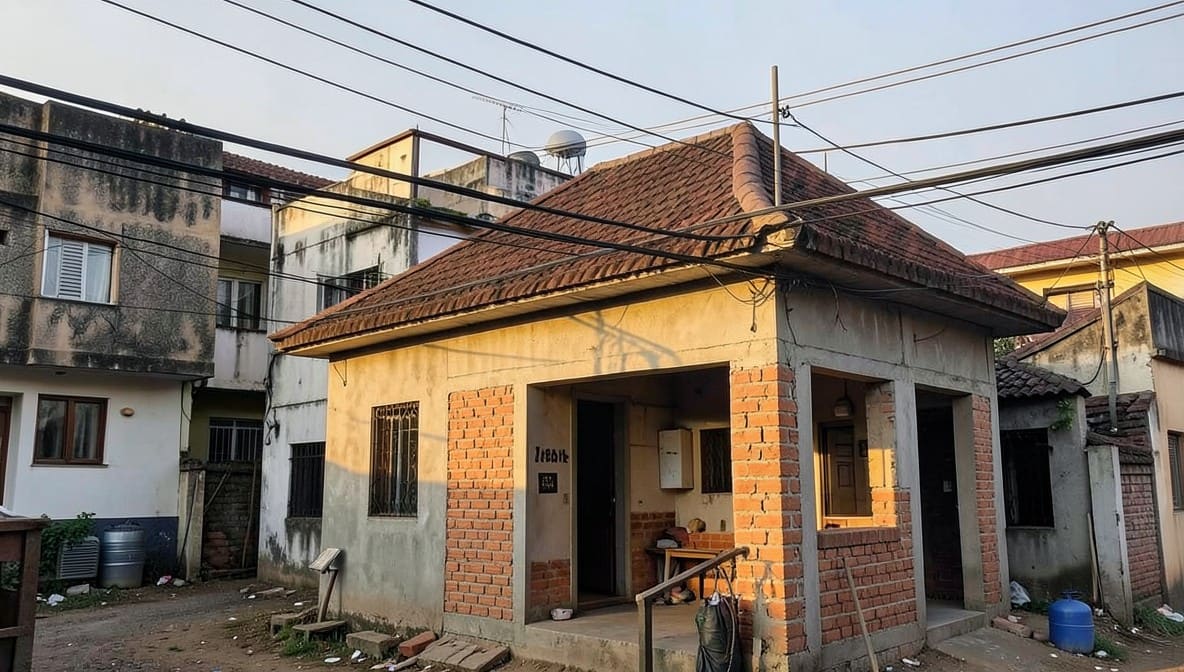
The petitioner, Smt. Jayamma, a 64-year-old resident of Bengaluru, has been in unauthorised occupation of Site No. 114, situated at Vrushabhavathi Layout, 4th 'H' Block, Banashankari 6th Stage, Subramanyapura, for over 40 years. She claims to have constructed a house on the site and resides there with her family. The property falls under Survey No. 8, which was acquired by the Bengaluru Development Authority (BDA) and formed into a layout.
Key Facts
- 1980s (Approx.): Petitioner began occupying the site
- 2003: A mahazar (site inspection report) was conducted by BDA, recording the petitioner's construction on Site No. 114
- 16.04.2005: Special Tahsildar issued a certificate of domicile in favour of the petitioner's son, recognising her possession
- Multiple Representations: Petitioner, her husband, and son submitted several representations to BDA requesting regularisation of possession, all of which were allegedly ignored
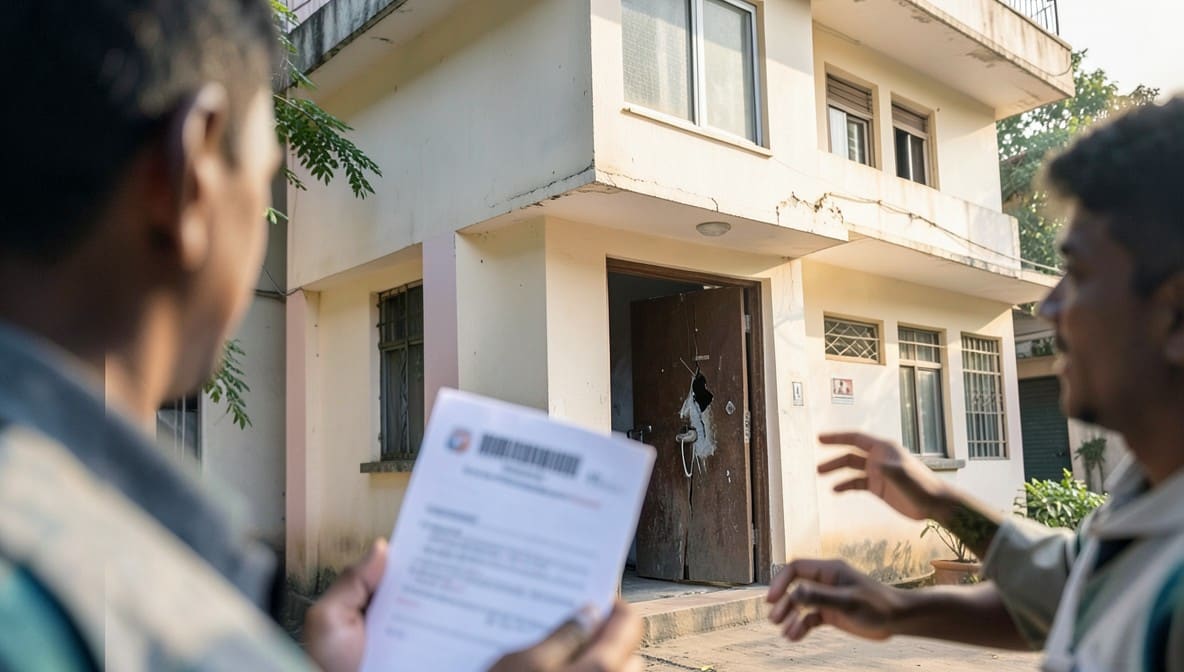
- 22.05.2025: BDA issued a notice (No. B.A.PR/SAKAA-3(DA)/T-98/2025-26) alleging encroachment and unauthorised construction
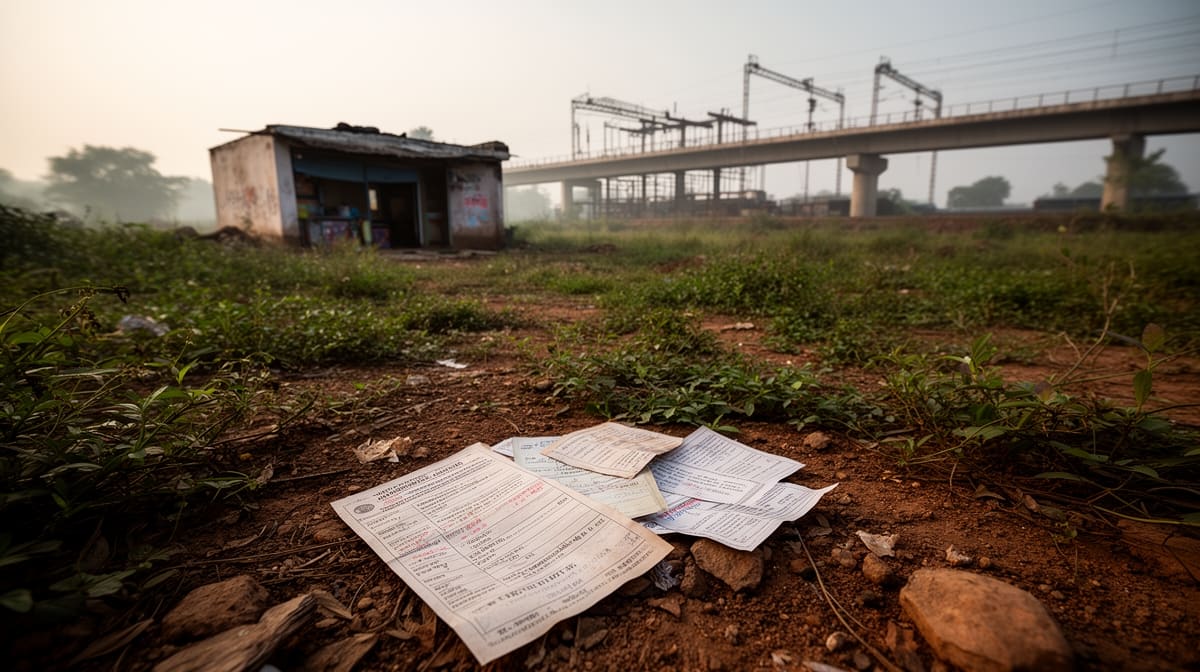
- Post-Notice Submissions: Petitioner submitted documents (electricity bills, BWSSB bills, ration card, voter ID) to BDA, which were not considered
- Site Allotment: BDA claims the site was already allotted to Mr. T. Boonesh Kumar, who has since sold it to a third party
Procedural History
- Timeline of Events:
- 2003: Mahazar conducted by BDA
- 16.04.2005: Certificate of domicile issued
- Multiple Dates (Unspecified): Representations submitted to BDA
- 22.05.2025: Impugned notice issued by BDA
- 2025 (Post-Notice): Petitioner submitted additional documents
- 2026: Writ Petition (WP No. 20139 of 2025) filed before Karnataka High Court
- 25.06.2026: Present order passed by the High Court
Relief Sought
The petitioner sought:
- Quashing of the BDA notice dated 22.05.2025 (Annexure-A)
- A writ of mandamus directing BDA to consider her representations and regularise her title/possession over Site No. 114
The Legal Issue
The central question was whether the Bengaluru Development Authority could summarily reject the petitioner's claim for regularisation of her 40-year-long possession without considering documentary evidence, and whether Section 38D of the BDA Act, 1976 (inserted in 2020) could retrospectively validate her occupation.
Arguments Presented
For the Petitioner
- Adverse Possession: Contended that her 40-year-long occupation of the site, coupled with documentary evidence (electricity bills, BWSSB bills, domicile certificate), established a prima facie case for regularisation
- Procedural Lapse: Argued that BDA failed to consider her representations and documents before issuing the notice
- Irreparable Harm: Submitted that BDA was likely to demolish her house, causing irreparable loss to her and her family
- Section 38D Applicability: Claimed that Section 38D of the BDA Act, inserted in 2020, could be applied retrospectively to regularise her possession, as she had been in occupation prior to 2020
For the Respondents
- BDA's Stand:
- The land (Sy. No. 8) was acquired, and the acquisition attained finality
- A layout was formed, and Site No. 114 was allotted to Mr. T. Boonesh Kumar
- The petitioner was an encroacher, and no indulgence could be shown
- Section 38D could not be applied retrospectively to validate unauthorised occupation
- Third-Party Interest: An application was filed by the purchaser of the site from Mr. Boonesh Kumar, seeking to implead as a respondent
The Court's Analysis
The Court examined the competing claims and the procedural fairness of BDA's actions:
-
Documentary Evidence: The Court noted that the petitioner had submitted multiple documents (electricity bills, BWSSB bills, ration card, voter ID, domicile certificate) to establish her long-standing possession. The failure of BDA to consider these documents was held to be procedurally unfair.
-
Section 38D of the BDA Act: The Court observed that Section 38D, inserted in 2020, provides a mechanism for regularisation of unauthorised occupation if the possession predates 2020. While the Court did not conclusively rule on its retrospective applicability, it directed BDA to consider the petitioner's claim under the provision.
"Having regard to the fact that the respondent No. 2 has issued a notice calling upon the petitioner to produce documents in support of her contention that she is in possession of the property in question, it would be appropriate to direct the petitioner to furnish all documents in her custody to establish that she is in possession of the property for more than 12 years prior to the year 2020, when Section 38D was inserted into the Bengaluru Development Authority Act, 1976."
-
Natural Justice: The Court emphasised the principle of audi alteram partem, holding that BDA could not pass an order adverse to the petitioner without providing a hearing and considering her documents.
-
Balance of Convenience: The Court balanced the public interest in removing encroachments against the petitioner's right to shelter, noting that she had been in possession for four decades. It stayed any demolition or dispossession pending BDA's final decision.
The Verdict
The Court disposed of the writ petition with the following directions:
- Document Submission: The petitioner must furnish all documents to BDA within one week of receiving a copy of the order to establish her possession for more than 12 years prior to 2020
- Consideration by BDA: BDA must consider the petitioner's claim in accordance with law, including the applicability of Section 38D of the BDA Act, 1976, and pass appropriate orders within three months of receiving the documents
- Status Quo: BDA is restrained from dispossessing the petitioner or demolishing/damaging the existing construction until final orders are passed
- No Further Construction: The petitioner is prohibited from putting up any further construction on the site pending BDA's decision
- Interim Applications: I.A. Nos. 1/2026 and 2/2026 were disposed of as infructuous, with all contentions kept open for consideration at an appropriate stage
What This Means For Similar Cases
Regularisation Claims Must Be Backed by Documentary Evidence
- Burden of Proof: Petitioners claiming regularisation of unauthorised occupation must submit comprehensive documentary evidence (e.g., utility bills, domicile certificates, voter IDs) to establish long-term possession
- Pre-2020 Possession: For claims under Section 38D of the BDA Act, evidence must prove possession prior to 2020
- Procedural Fairness: Authorities cannot reject regularisation claims without considering all submitted documents and providing a hearing
Authorities Cannot Act Unilaterally Against Long-Standing Occupants
- Stay on Demolition: Courts are likely to stay demolition/dispossession where the occupant has been in possession for several decades, balancing public interest with humanitarian considerations
- Status Quo Orders: Occupants can seek interim protection pending final adjudication of their regularisation claims
- Third-Party Rights: Where a site is allegedly allotted to another party, courts may implead the third party but will not automatically favour their claim over long-standing possession
Section 38D of the BDA Act: A Potential Avenue for Regularisation
- Retrospective Application: While the Court did not conclusively rule on retrospectivity, it directed BDA to consider Section 38D for pre-2020 possessions. This leaves open the possibility of retrospective regularisation
- 12-Year Threshold: The Court's direction to prove possession for more than 12 years prior to 2020 suggests a minimum threshold for regularisation claims
- Practitioner Takeaway: Lawyers should invoke Section 38D in cases of unauthorised occupation predating 2020, even if the provision was inserted later