High Courts judgments

10232 High Courts judgments explained in plain English: what was decided, the law applied and why it matters. Page 73 of 427.

Section 190 CrPC | Magistrate Must Examine Police 'B' Report Before Cognizance on Protest Petition: Karnataka HC
Case Law Analysis
|Karnataka High Court

Section 190 CrPC | Magistrate Must Examine Police 'B' Report Before Cognizance on Protest Petition: Karnataka HC

The Karnataka High Court ruled that a Magistrate cannot take cognizance of a protest petition without first examining the police 'B' report, reinforcing the principle of natural justice in criminal proceedings. This judgment mandates judicial scrutiny of closure reports before accepting complaints, impacting procedural fairness in criminal trials.

Section 166(3) Motor Vehicles Act | MACT May Proceed with Adjudication Beyond 6-Month Limit, But Must Defer Final Award Pending SC Ruling: Karnataka HC
Case Law Analysis
|Karnataka High Court

Section 166(3) Motor Vehicles Act | MACT May Proceed with Adjudication Beyond 6-Month Limit, But Must Defer Final Award Pending SC Ruling: Karnataka HC

The Karnataka High Court has directed Motor Accident Claims Tribunals to continue hearing claim petitions filed after the six-month limitation period under Section 166(3) of the Motor Vehicles Act, but strictly prohibited them from issuing final awards until the Supreme Court resolves the maintainability question in SLPs 8412-8413/2023. This interim framework protects claimants' access to justice while preserving the Supreme Court's ultimate authority on statutory limitation, affecting insurers, victims, and tribunals nationwide.

PIL in Service Matters Barred | Bombay HC Rejects Recovery of Inadvertent Payments to Class-III/IV Employees Under Rafiq Masih Doctrine
Case Law Analysis
|Bombay High Court

PIL in Service Matters Barred | Bombay HC Rejects Recovery of Inadvertent Payments to Class-III/IV Employees Under Rafiq Masih Doctrine

Bombay High Court dismisses a PIL seeking recovery of excess payments made to retired Class-III/IV employees, reinforcing the Supreme Court's Rafiq Masih judgment that bars recovery from low-income employees for employer errors. The ruling underscores the limited scope of PILs in service matters and protects vulnerable employees from financial hardship due to administrative mistakes.

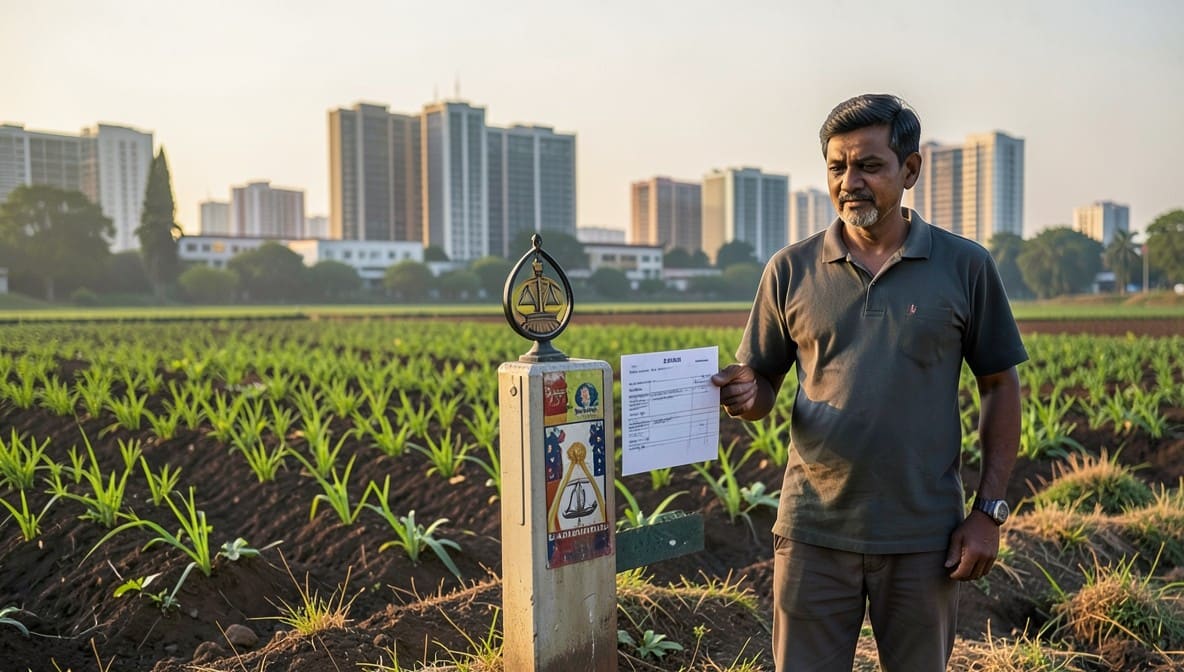
Article 300A & Section 43(c) Maharashtra Tenancy Act | Landowners Must Exhaust State Representation Before Challenging Proprietary Rights in Court : Bombay HC
Case Law Analysis
|Bombay High Court

Article 300A & Section 43(c) Maharashtra Tenancy Act | Landowners Must Exhaust State Representation Before Challenging Proprietary Rights in Court : Bombay HC

The Bombay High Court has ruled that landlords asserting proprietary rights under Article 300A must first submit a formal representation to the State under Section 43(c) of the Maharashtra Tenancy Act before seeking judicial intervention. This establishes a mandatory administrative gateway, preventing direct writ petitions and reinforcing procedural due process in land disputes involving tenancy restrictions.

Motor Accident Compensation | Medical Board Certificate Must Prevail Over Private Doctor’s Assessment: Bombay HC
Case Law Analysis
|Bombay High Court

Motor Accident Compensation | Medical Board Certificate Must Prevail Over Private Doctor’s Assessment: Bombay HC

Bombay High Court rules that functional disability in motor accident claims must align with the medical board’s certificate, not private assessments. The judgment reinforces that tribunals must accept board-certified disability percentages as conclusive evidence unless proven fraudulent, impacting compensation calculations for claimants.

Bail in Cyber Fraud | Deposit of Illicit Proceeds and Monthly Police Reporting Mandated Under BNSS & IT Act : Bombay HC
Case Law Analysis
|Bombay High Court

Bail in Cyber Fraud | Deposit of Illicit Proceeds and Monthly Police Reporting Mandated Under BNSS & IT Act : Bombay HC

The Bombay High Court granted bail to an accused in a ₹1.95 crore digital gold fraud, conditioning release on depositing ₹13 lakh of alleged proceeds and mandatory monthly police reporting. This sets a precedent for financial accountability measures in cyber fraud bail orders, reinforcing that even non-violent digital crimes may require active restitution and surveillance as bail conditions under the new BNSS framework.

Hostile Discrimination in Pension Schemes | Bombay HC Invalidates Arbitrary Denial of Pension-Cum-Gratuity Benefits to Retired Teachers
Case Law Analysis
|Bombay High Court

Hostile Discrimination in Pension Schemes | Bombay HC Invalidates Arbitrary Denial of Pension-Cum-Gratuity Benefits to Retired Teachers

Bombay High Court rules that denying pension benefits to retired teachers on financial grounds, while granting them to similarly situated employees, constitutes hostile discrimination. The judgment mandates equal treatment under the Pension-Cum-Gratuity Scheme, reinforcing that administrative convenience cannot override constitutional equality.

Section 528 BNSS | Reconciliation Between Parties Justifies Quashing of FIR Under Compounding Principles: Bombay HC
Case Law Analysis
|Bombay High Court

Section 528 BNSS | Reconciliation Between Parties Justifies Quashing of FIR Under Compounding Principles: Bombay HC

Bombay High Court quashes FIR under Sections 324 and 506 IPC after sisters reconcile, holding that compounding of offences under Section 528 BNSS applies even post-investigation. The ruling reinforces that criminal proceedings can be terminated where parties settle disputes amicably, aligning with Supreme Court precedents on victim autonomy in non-heinous offences.

Form-8 Mutation Notices Under Andhra Pradesh Rights in Land Act Must Be Followed by Speaking Orders: AP HC Reinforces Natural Justice | Revenue Mutations Require Post-Objection Adjudication
Case Law Analysis
|Andhra Pradesh High Court

Form-8 Mutation Notices Under Andhra Pradesh Rights in Land Act Must Be Followed by Speaking Orders: AP HC Reinforces Natural Justice | Revenue Mutations Require Post-Objection Adjudication

The Andhra Pradesh High Court ruled that Form-8 mutation notices under the Andhra Pradesh Rights in Land Act are not final orders. Authorities must pass reasoned speaking orders after hearing objections, ensuring compliance with natural justice principles. This judgment mandates procedural fairness in revenue mutations, impacting landowners and revenue authorities across the state.

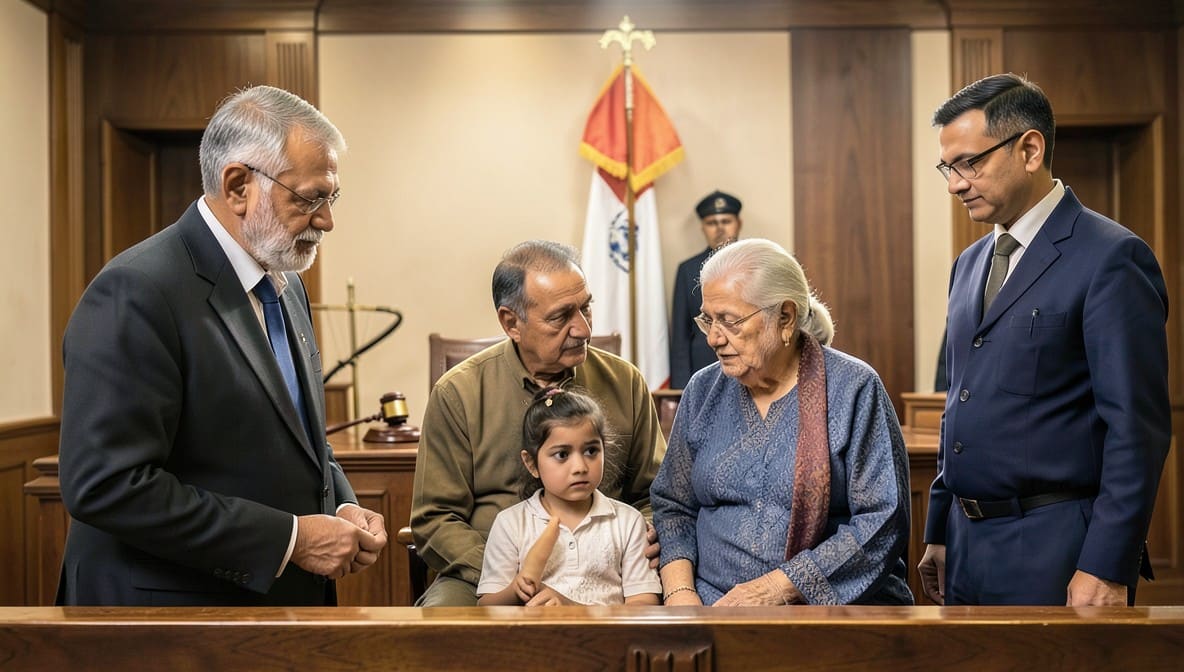
Section 25 Guardians and Wards Act | Paramount Welfare of Child Overrides Parental Convenience in Custody Disputes : Karnataka HC
Case Law Analysis
|Karnataka High Court

Section 25 Guardians and Wards Act | Paramount Welfare of Child Overrides Parental Convenience in Custody Disputes : Karnataka HC

Karnataka High Court reaffirms that the welfare of a minor child is the paramount consideration in custody disputes under Section 25 of the Guardians and Wards Act, 1890, dismissing the father’s appeal for custody while upholding visitation rights. The ruling underscores that parental convenience cannot supersede the child’s best interests, setting a precedent for future guardianship cases.

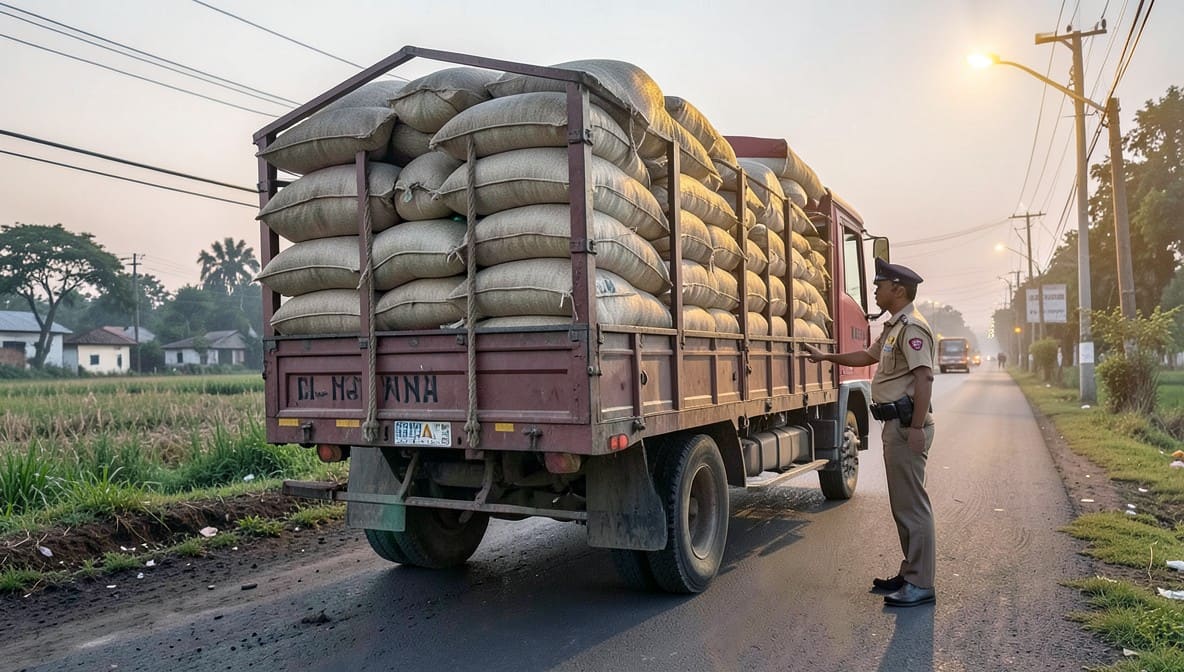
Clause 20(a) AP Targeted Public Distribution System (Control) Order 2018 | Police Lack Jurisdiction to Seize Essential Commodities: AP HC
Case Law Analysis
|Andhra Pradesh High Court

Clause 20(a) AP Targeted Public Distribution System (Control) Order 2018 | Police Lack Jurisdiction to Seize Essential Commodities: AP HC

Andhra Pradesh High Court holds that police officers have no authority under Clause 20(a) of the AP Targeted Public Distribution System (Control) Order 2018 to seize vehicles carrying essential commodities like rice. The ruling sets aside arbitrary seizures, reinforces natural justice, and directs immediate release of confiscated goods, impacting transporters and law enforcement agencies under the Essential Commodities Act.

Section 4 Payment of Gratuity Act | 5-Year Continuous Service Mandate Absolute: Karnataka HC Quashes Gratuity Orders for Short-Term Employees
Case Law Analysis
|Karnataka High Court

Section 4 Payment of Gratuity Act | 5-Year Continuous Service Mandate Absolute: Karnataka HC Quashes Gratuity Orders for Short-Term Employees

Karnataka High Court reaffirms that Section 4 of the Payment of Gratuity Act, 1972, strictly requires a minimum of 5 years of continuous service for gratuity eligibility, leaving no room for administrative discretion. The ruling sets aside gratuity orders favoring an employee with only 4 years and 9 months of service, reinforcing statutory compliance over equitable considerations for employers and employees alike.

Article 226 Writ Jurisdiction | Prior Representation to Competent Authority Mandatory Before Invoking High Court: Karnataka HC
Case Law Analysis
|Karnataka High Court

Article 226 Writ Jurisdiction | Prior Representation to Competent Authority Mandatory Before Invoking High Court: Karnataka HC

The Karnataka High Court dismissed a writ petition for regularisation of daily wage employees, ruling that exhaustion of alternative remedies-specifically, prior representation to the competent authority-is a prerequisite for invoking Article 226. The judgment reinforces that extraordinary remedies under writ jurisdiction cannot be sought as a matter of course without first pursuing statutory or administrative redressal.

Scholarship Eligibility for Distance Education | Diploma in 2D Animation Covered Under Maharashtra SC/ST Resolutions : Bombay HC
Case Law Analysis
|Bombay High Court

Scholarship Eligibility for Distance Education | Diploma in 2D Animation Covered Under Maharashtra SC/ST Resolutions : Bombay HC

The Bombay High Court has ruled that students enrolled in one-year Diploma in 2D Animation courses through Yashwantrao Chavan Maharashtra Open University are entitled to state scholarships under existing SC/ST welfare resolutions, affirming that distance education does not disqualify beneficiaries. This sets a critical precedent for vocational and creative arts students in open learning systems seeking equitable access to government aid.

Section 24(2) Proviso LAA 2013 | Non-Deposit of Award Amount Triggers Compensation Under New Act: Karnataka HC
Case Law Analysis
|Karnataka High Court

Section 24(2) Proviso LAA 2013 | Non-Deposit of Award Amount Triggers Compensation Under New Act: Karnataka HC

Karnataka High Court reinforces that landowners excluded from partial awards under the Land Acquisition Act, 1894, are entitled to compensation under the Right to Fair Compensation Act, 2013 if the award amount was not deposited. The ruling clarifies that the proviso to Section 24(2) of the 2013 Act operates as a safeguard, ensuring fair compensation even in cases of procedural lapses by authorities.

Parole Pending LCRC Decision | Judicial Intervention Ensures Compliance with Premature Release Guidelines : Karnataka HC
Case Law Analysis
|Karnataka High Court

Parole Pending LCRC Decision | Judicial Intervention Ensures Compliance with Premature Release Guidelines : Karnataka HC

Karnataka High Court grants parole to a life convict where the Life Convicts Release Committee's decision is pending, reinforcing judicial oversight over administrative delays in premature release cases. The ruling underscores the court's role in ensuring adherence to state guidelines under Article 226, even when statutory committees fail to act.

Order VII Rule 11 CPC | Plaint Rejection Requires Holistic Reading of Plaint; Partition Suits Have No Limitation Period: Karnataka HC
Case Law Analysis
|Karnataka High Court

Order VII Rule 11 CPC | Plaint Rejection Requires Holistic Reading of Plaint; Partition Suits Have No Limitation Period: Karnataka HC

Karnataka High Court rules that a plaint cannot be rejected under Order VII Rule 11 CPC without a meaningful reading of its entirety. The judgment also clarifies that partition suits are not barred by limitation, and fraud discovery triggers a fresh cause of action, reinforcing procedural fairness in property disputes.