High Courts judgments

10232 High Courts judgments explained in plain English: what was decided, the law applied and why it matters. Page 75 of 427.

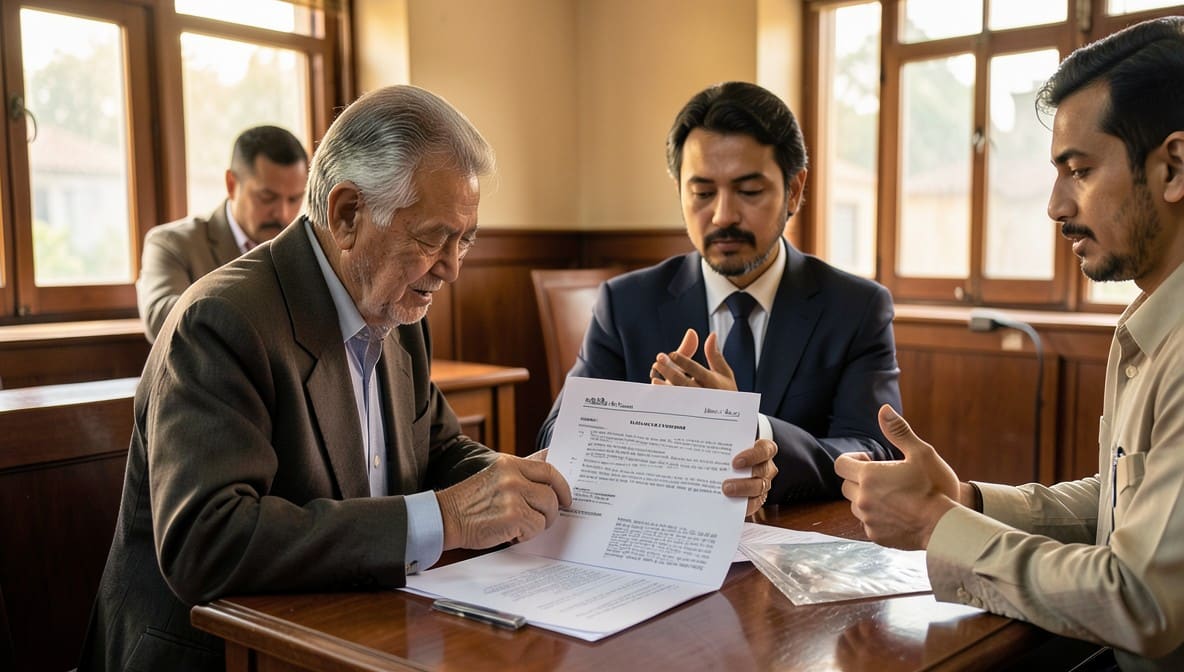
Order I Rule 10 CPC | Counter-Claim Cannot Be Filed Against Non-Parties to the Suit : MP HC Gwalior
Case Law Analysis
|Madhya Pradesh High Court

Order I Rule 10 CPC | Counter-Claim Cannot Be Filed Against Non-Parties to the Suit : MP HC Gwalior

The Madhya Pradesh High Court has held that a defendant cannot assert a counter-claim against a person not already a party to the suit, reinforcing that the plaintiff's dominus litis status cannot be undermined by extending claims to strangers. This clarifies the limits of impleadment under Order I Rule 10 and protects litigants from being dragged into unrelated disputes through backdoor counter-claims.

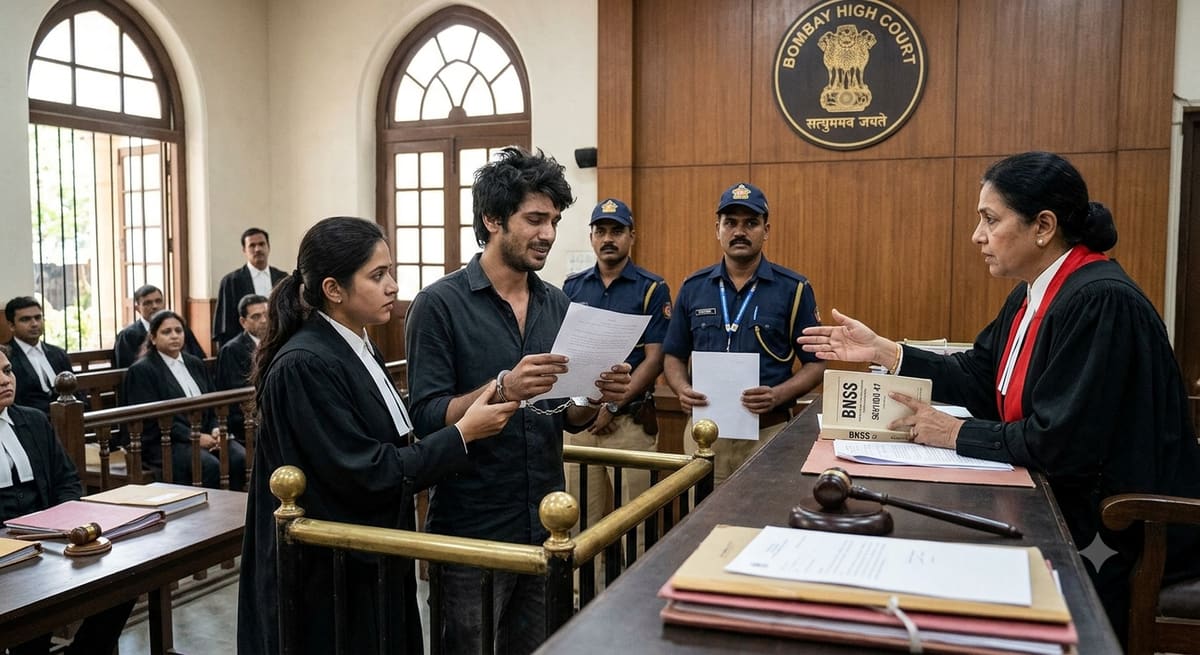
Section 3(5) BNS | WhatsApp Chats Negating Dowry Demand Allegations Justify Bail: MP HC Jabalpur
Case Law Analysis
|Madhya Pradesh High Court

Section 3(5) BNS | WhatsApp Chats Negating Dowry Demand Allegations Justify Bail: MP HC Jabalpur

The Madhya Pradesh High Court granted bail in a dowry death case after finding that WhatsApp conversations revealed the victim's suicide stemmed from pre-marital relationship shame, not dowry harassment. This ruling clarifies that isolated, uncorroborated dowry claims without evidence of sustained demand cannot sustain custody under the Bharatiya Nyaya Sanhita, empowering accused persons to challenge presumptions with digital evidence.

Order VI Rule 17 CPC | Courts Must Grant Opportunity to Cure Defects Like Missing Affidavit Before Rejecting Amendment Applications : MP HC Gwalior
|Madhya Pradesh High Court

Order VI Rule 17 CPC | Courts Must Grant Opportunity to Cure Defects Like Missing Affidavit Before Rejecting Amendment Applications : MP HC Gwalior

The Madhya Pradesh High Court has ruled that rejecting an amendment application under Order VI Rule 17 CPC for a curable defect - such as the absence of an affidavit - violates procedural fairness. This sets a mandatory standard for trial courts to allow rectification before dismissal, protecting litigants’ right to amend pleadings in pending suits before evidence begins.

Rule 1(3-A) Allahabad HC Rules | Mandatory Petitioner Affidavit Non-Compliance Renders PIL Non-Maintainable : Allahabad HC
Case Law Analysis
|Allahabad High Court

Rule 1(3-A) Allahabad HC Rules | Mandatory Petitioner Affidavit Non-Compliance Renders PIL Non-Maintainable : Allahabad HC

Allahabad High Court dismisses a PIL for failure to comply with Rule 1(3-A) of the Allahabad HC Rules, 1952, which mandates a sworn affidavit from the petitioner detailing credentials, public interest, and absence of personal gain. The ruling reinforces strict procedural thresholds for PILs, impacting litigants and practitioners in public interest litigation.

Section 75(2) BNS | Pre-Arrest Bail Denied for Sexual Assault Due to Gravity and Premeditation: Kerala HC
Case Law Analysis
|Kerala High Court

Section 75(2) BNS | Pre-Arrest Bail Denied for Sexual Assault Due to Gravity and Premeditation: Kerala HC

Kerala High Court rules that pre-arrest bail under BNSS Section 482 cannot be routinely granted for offences under BNS Section 75(2), emphasizing the gravity of sexual assault and prima facie evidence of premeditation. The decision underscores that custodial interrogation may be necessary where the accused’s conduct suggests intentional criminal acts.

NMC FAQ Clarification Overrides Senior Residency Requirement for Assistant Professor Eligibility : Rajasthan HC
Case Law Analysis
|Rajasthan High Court

NMC FAQ Clarification Overrides Senior Residency Requirement for Assistant Professor Eligibility : Rajasthan HC

Rajasthan High Court rules that NMC's FAQ clarification, requiring two years of cumulative government hospital experience post-PG degree, supersedes the one-year senior residency mandate for Assistant Professor eligibility. The judgment directs inclusion of the petitioner in the interview process, setting a precedent for medical education service law.

Section 94 JJ Act Mandatory | POCSO Trial Cannot Proceed Without Victim Age Verification: Rajasthan HC
Case Law Analysis
|Rajasthan High Court

Section 94 JJ Act Mandatory | POCSO Trial Cannot Proceed Without Victim Age Verification: Rajasthan HC

Rajasthan High Court rules that trial courts must prioritize and conclusively determine a victim's age under Section 94 of the Juvenile Justice Act before proceeding with POCSO cases, ensuring compliance with statutory safeguards. The directive mandates recording the victim's statement within 30 days, failing which legal measures must be employed to secure attendance.

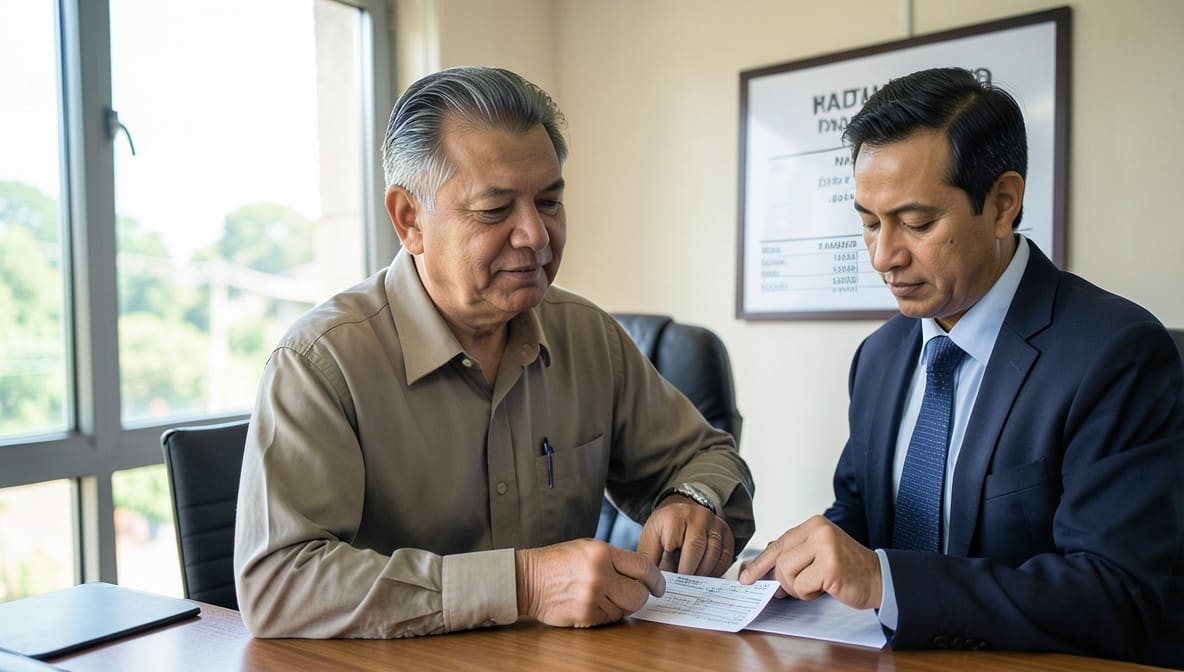
Section 427 CrPC | Substantive Sentences for Multiple Section 138 NI Act Offences May Run Concurrently, But Default Sentences for Fines Remain Consecutive : Rajasthan HC
Case Law Analysis
|Rajasthan High Court

Section 427 CrPC | Substantive Sentences for Multiple Section 138 NI Act Offences May Run Concurrently, But Default Sentences for Fines Remain Consecutive : Rajasthan HC

The Rajasthan High Court has ruled that when a person is convicted under Section 138 of the Negotiable Instruments Act in multiple cases, the substantive prison terms may be ordered to run concurrently to avoid excessive incarceration. However, any default sentences arising from unpaid fines or compensation must still be served consecutively, preserving the deterrent effect of financial penalties. This clarifies sentencing practice for repeat cheque bounce offenders across India.

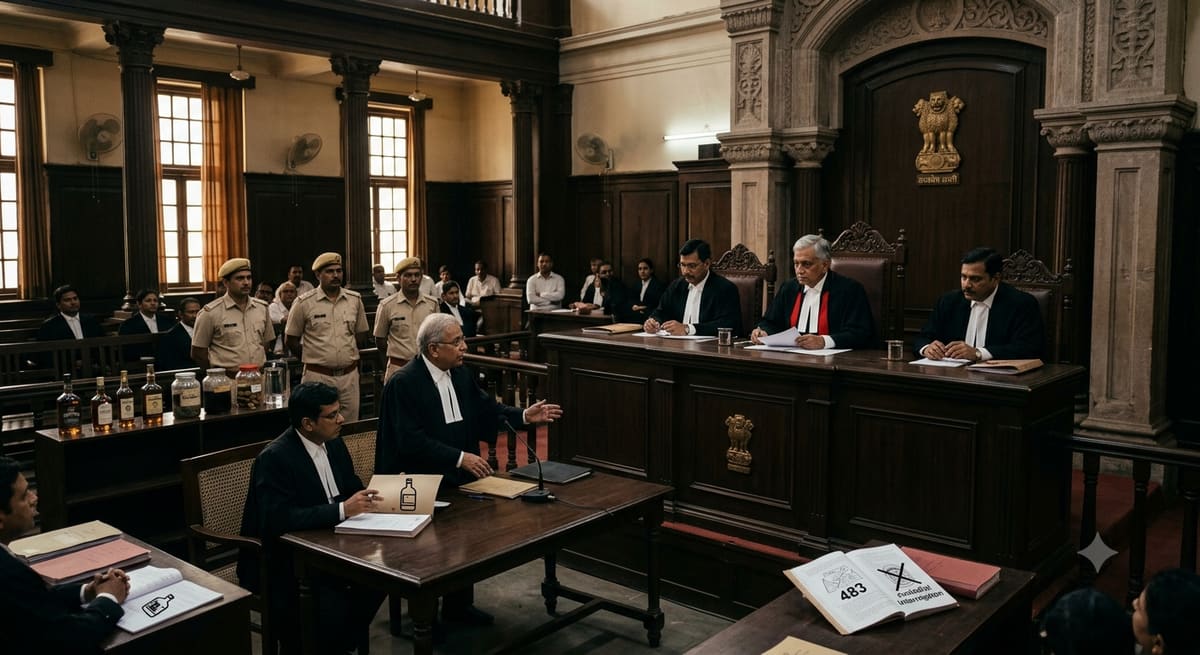
Section 483 BNSS | Custodial Interrogation Not Mandatory Post-Seizure in Poisonous Liquor Cases: MP HC Gwalior
Case Law Analysis
|Madhya Pradesh High Court

Section 483 BNSS | Custodial Interrogation Not Mandatory Post-Seizure in Poisonous Liquor Cases: MP HC Gwalior

The Madhya Pradesh High Court has ruled that once poisonous liquor is seized and investigation nears completion, continued custodial detention for interrogation is unjustified under Section 483 BNSS. This sets a critical precedent for bail in non-bailable excise offences, limiting arbitrary detention when evidence is secured and no further interrogation is needed to build the case.

Probationary Pay | Full Minimum Salary Mandatory During Probation Period Under Service Law: MP HC Jabalpur
Case Law Analysis
|Madhya Pradesh High Court

Probationary Pay | Full Minimum Salary Mandatory During Probation Period Under Service Law: MP HC Jabalpur

The Madhya Pradesh High Court has ruled that government employees on probation are entitled to the full minimum pay of their pay scale, not a reduced stipend of 70-90%. The order quashes the state’s circular and mandates payment of arrears with 6% interest, reinforcing equal pay rights for probationers under Article 14 and service jurisprudence.

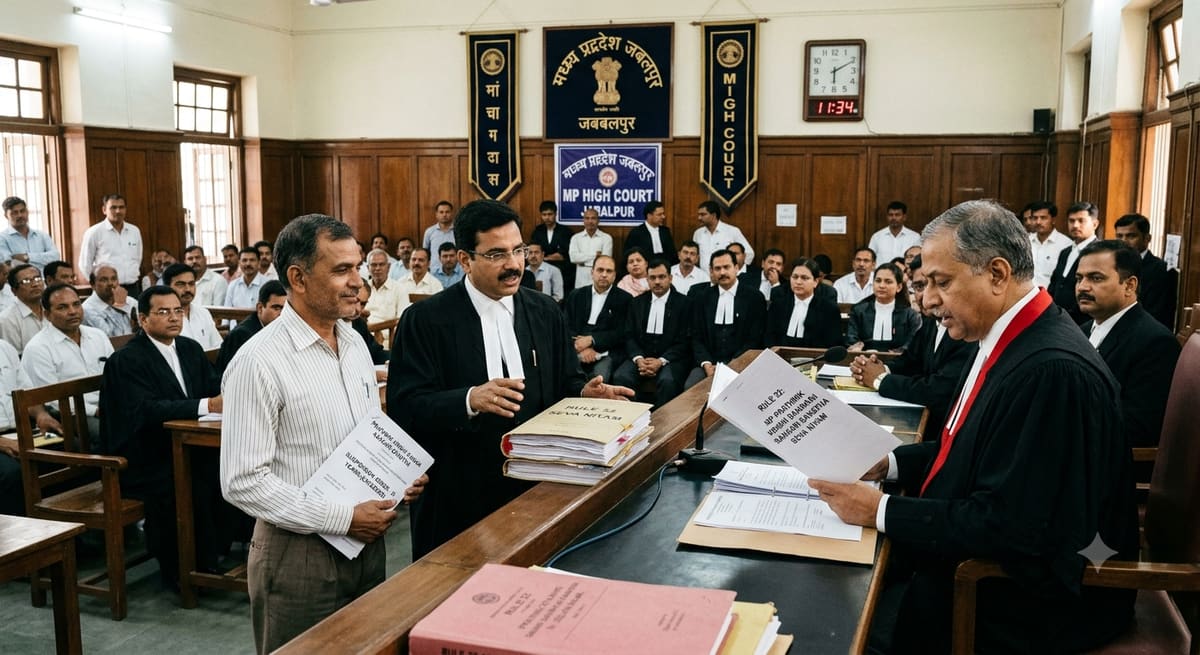
Rule 32, Prathmik Krishi Sakha Sahkari Sanstha Seva Niyam | Suspension of Government Employees Cannot Exceed One Year: MP HC Jabalpur
Case Law Analysis
|Madhya Pradesh High Court

Rule 32, Prathmik Krishi Sakha Sahkari Sanstha Seva Niyam | Suspension of Government Employees Cannot Exceed One Year: MP HC Jabalpur

The Madhya Pradesh High Court has ruled that suspension of agricultural cooperative service employees under Rule 32 cannot extend beyond one year, even if disciplinary proceedings remain pending. This binding limit reinforces procedural fairness in public employment and mandates immediate revocation of prolonged suspensions, affecting thousands of state-linked agricultural workers across MP.

Municipal Common Service Equivalence | Kerala HC Rules GCDA Superintendents Entitled to Ratio-Based Higher Grade Under Kerala Town & Country Planning Rules : Kerala HC
Case Law Analysis
|Kerala High Court

Municipal Common Service Equivalence | Kerala HC Rules GCDA Superintendents Entitled to Ratio-Based Higher Grade Under Kerala Town & Country Planning Rules : Kerala HC

Kerala High Court holds that Superintendents of Greater Cochin Development Authority (GCDA) appointed post-2006 under Municipal Common Service Rules are entitled to ratio-based higher grade pay, overturning the state's denial. The court directed reconsideration of claims within four months, reinforcing service equivalence principles under the Kerala Town and Country Planning (Development Authorities) Rules, 2015.

Section 124A Railways Act | Strict Liability Excludes Trespass-Related Deaths: Kerala HC Denies Compensation for Self-Inflicted Track Deaths
Case Law Analysis
|Kerala High Court

Section 124A Railways Act | Strict Liability Excludes Trespass-Related Deaths: Kerala HC Denies Compensation for Self-Inflicted Track Deaths

Kerala High Court holds that compensation under Section 124A of the Railways Act is not payable for deaths resulting from trespass on railway tracks, distinguishing such cases from accidents involving lawful passengers. The ruling clarifies that strict liability does not extend to self-inflicted injuries, impacting compensation claims for track-related fatalities.

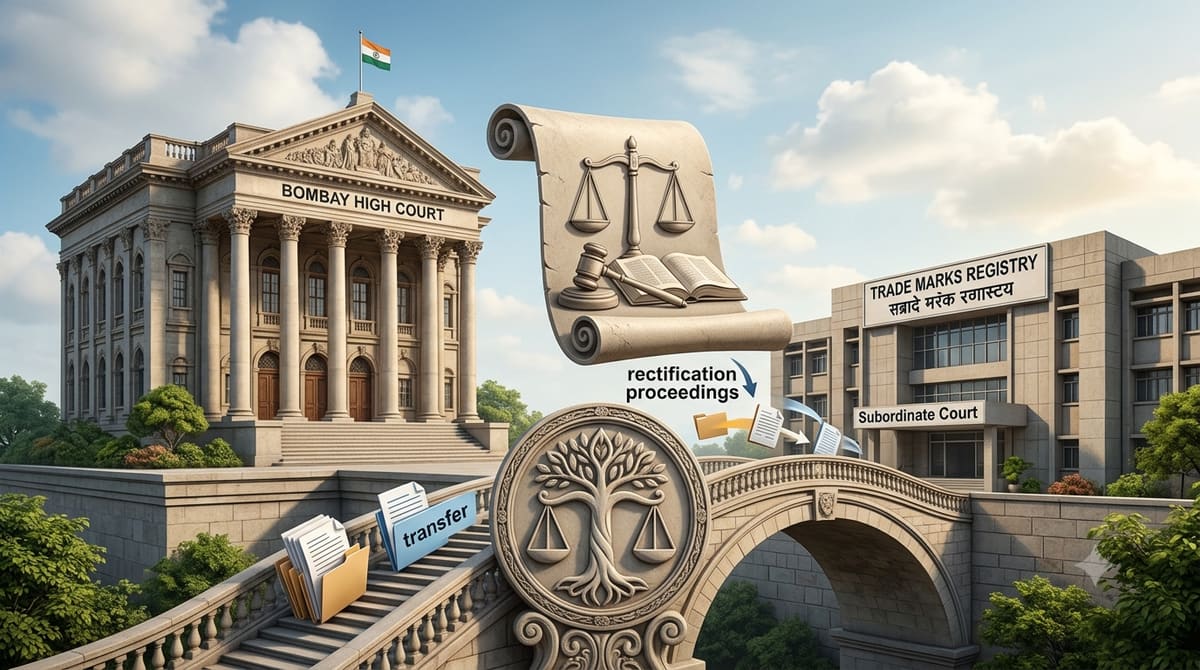
Section 24 CPC | Registrar of Trade Marks is a 'Subordinate Court' for Transfer of Rectification Proceedings : Bombay HC
Case Law Analysis
|Bombay High Court

Section 24 CPC | Registrar of Trade Marks is a 'Subordinate Court' for Transfer of Rectification Proceedings : Bombay HC

Bombay High Court holds that the Registrar of Trade Marks qualifies as a 'Court' under Section 24 CPC, enabling transfer of rectification proceedings to be consolidated with infringement suits. This ruling streamlines adjudication by preventing parallel litigation and reinforces the contextual interpretation of 'Court' under procedural laws, impacting trademark litigants and IP practitioners.

Section 7 Prevention of Corruption Act | Circumstantial Evidence Alone Can Sustain Conviction Despite Hostile Witnesses: Rajasthan HC
Case Law Analysis
|Rajasthan High Court

Section 7 Prevention of Corruption Act | Circumstantial Evidence Alone Can Sustain Conviction Despite Hostile Witnesses: Rajasthan HC

Rajasthan High Court rules that circumstantial evidence, including pre-trap proceedings and demand corroboration, is sufficient to establish guilt under the Prevention of Corruption Act, even if key witnesses turn hostile. The judgment reinforces that direct evidence is not mandatory for conviction in corruption cases, impacting anti-corruption prosecutions nationwide.

Retrospective Effect of Government Orders | Kerala HC Rules 25% Stamp Duty Deposit Condition Not Applicable to Pre-2020 Appeals : Kerala HC
Case Law Analysis
|Kerala High Court

Retrospective Effect of Government Orders | Kerala HC Rules 25% Stamp Duty Deposit Condition Not Applicable to Pre-2020 Appeals : Kerala HC

Kerala High Court holds that a 2020 Government Order mandating a 25% stamp duty deposit for appeals cannot be applied retrospectively to orders passed in 2018. The ruling reinforces the principle that procedural conditions affecting the right to appeal cannot be imposed retroactively, impacting litigants challenging pre-2020 stamp duty demands.

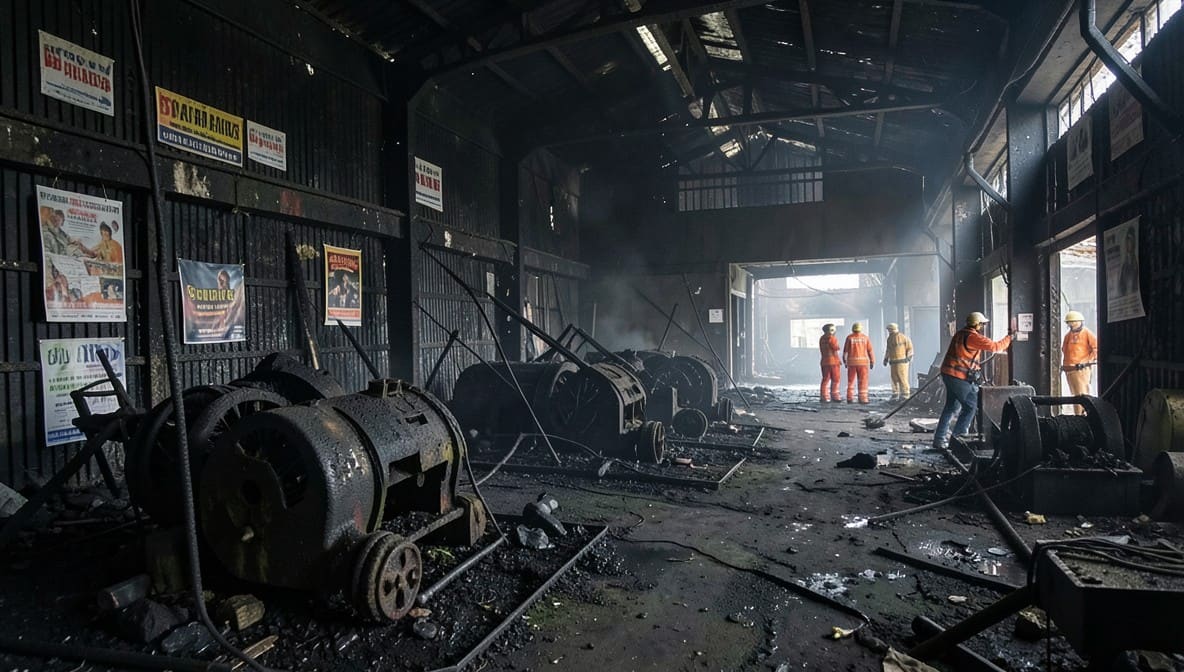
Strict Liability Under Fatal Accidents Act | Rajasthan HC Enhances Compensation to Rs. 4.31 Lakh for Electrocution Deaths : Rajasthan HC
|Rajasthan High Court

Strict Liability Under Fatal Accidents Act | Rajasthan HC Enhances Compensation to Rs. 4.31 Lakh for Electrocution Deaths : Rajasthan HC

Rajasthan High Court holds electricity boards strictly liable for electrocution deaths under the Fatal Accidents Act, enhancing compensation to Rs. 4,31,600 with 6% interest. The ruling underscores negligence in maintaining electrical infrastructure as grounds for heightened liability, impacting future tort claims against public utilities.

Section 31(3) Arbitration Act | Counter-Claim Against Co-Respondent Maintainable Under Arbitration Agreement : Kerala HC
Case Law Analysis
|Kerala High Court

Section 31(3) Arbitration Act | Counter-Claim Against Co-Respondent Maintainable Under Arbitration Agreement : Kerala HC

Kerala High Court rules that a counter-claim by one respondent against a co-respondent is maintainable under the arbitration agreement, overriding procedural limitations under the CPC. The decision clarifies that arbitration agreements prevail over technical objections, enabling broader dispute resolution in multi-party commercial disputes.