The Bombay High Court has dismissed a Public Interest Litigation (PIL) seeking recovery of inadvertent payments made to retired municipal employees, reaffirming the legal principle that recovery of excess payments from Class-III and Class-IV employees is barred under settled Supreme Court precedent. The judgment underscores the limited scope of PILs in service matters and the necessity of bona fide public interest to sustain such litigation.
Background & Facts
The Petitioner and the PIL
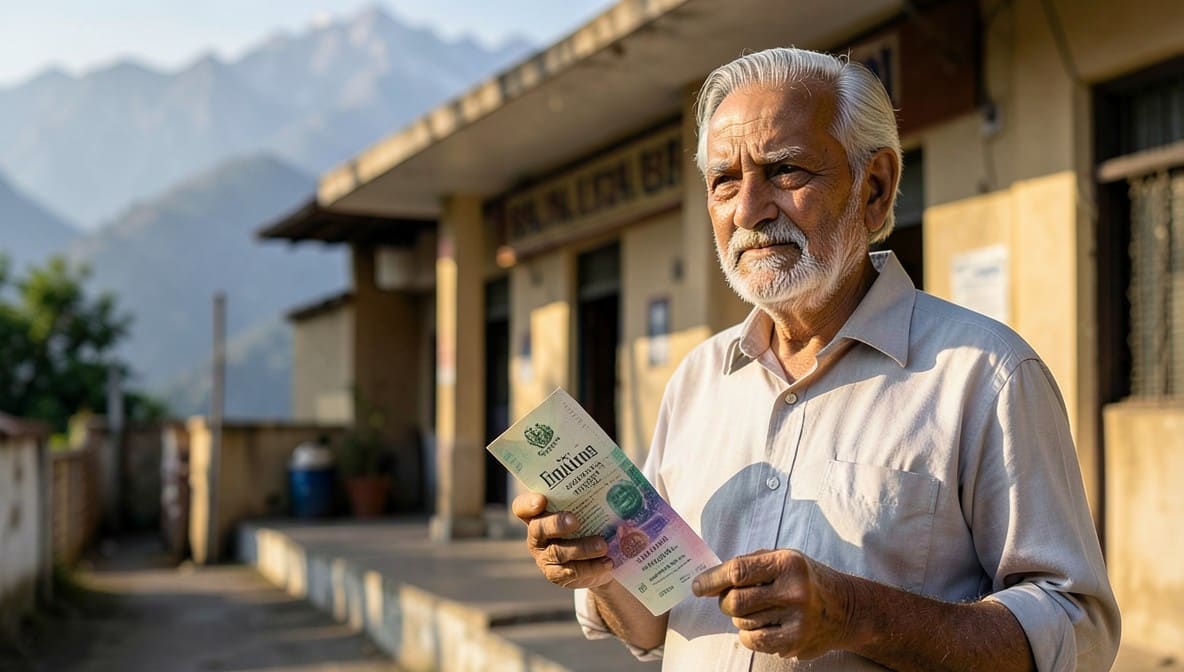
The petitioner, Amad Shah Sabdar Shah, identified himself as a taxpayer of the Municipal Council, Mehkar, and a Below Poverty Line (BPL) category individual. He claimed to expose corrupt practices in government departments and had previously filed a writ petition, which he withdrew with permission to file a PIL. The present PIL sought directions to the Municipal Council, Mehkar, to recover amounts inadvertently paid to 20 retired employees (Respondent Nos. 4 to 23) and to refrain from granting compassionate appointments.
Key Allegations
- The petitioner alleged that Respondent Nos. 4 to 23 were inadvertently paid higher salaries during their service.
- He contended that these employees were granted unnecessary promotions, creating a financial burden on the Municipal Council.
- The PIL sought recovery of the excess amounts paid and opposed compassionate appointments.
Procedural History
- 27.02.2025: The petitioner withdrew an earlier writ petition with permission to file a PIL.
- 2025: The present PIL (PIL No. 55/2025) was filed before the Nagpur Bench of the Bombay High Court.
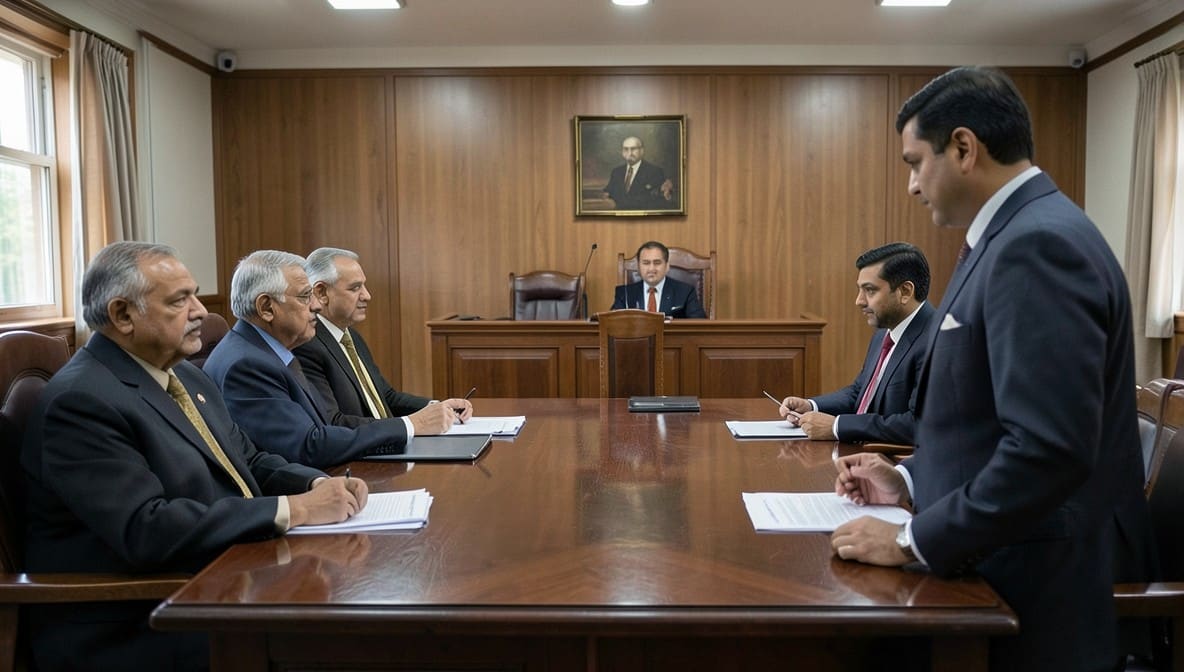
- 30.06.2026: The Division Bench of the Bombay High Court dismissed the PIL after testing the petitioner's bona fides.
Relief Sought
The petitioner sought:
- Directions to the Municipal Council, Mehkar, to recover excess amounts inadvertently paid to Respondent Nos. 4 to 23.
- An order refraining the Municipal Council from granting compassionate appointments to the concerned employees.
The Legal Issue
The central question was whether a PIL could be entertained in a service matter involving the recovery of inadvertent payments made to retired Class-III and Class-IV employees, particularly when such recovery is barred by settled Supreme Court precedent.
Arguments Presented
For the Petitioner
The petitioner argued that:
- The inadvertent payments to the employees created an unnecessary financial burden on the Municipal Council.
- The promotions granted to these employees were unjustified and warranted recovery of excess payments.
- The PIL was filed in public interest to expose corrupt practices and ensure accountability.
For the Respondents
The respondents, represented by the Advocate General and other counsel, contended that:
- The issue of recovery of inadvertent payments from Class-III and Class-IV employees was settled by the Supreme Court in Syed Abdul Qadir v. State of Bihar and State of Punjab v. Rafiq Masih (White Washer).
- A PIL in service matters is not easily entertainable, especially when the petitioner lacks bona fides and supporting data.
- The petitioner failed to demonstrate any public interest or corruption, making the PIL unsustainable.
The Court's Analysis
The Court examined the legal principles governing PILs in service matters and the recovery of inadvertent payments. It relied on the Supreme Court judgments in Syed Abdul Qadir v. State of Bihar and State of Punjab v. Rafiq Masih (White Washer), which held that recovery of excess payments inadvertently made to Class-III and Class-IV employees is barred. The Court observed:
"It is well settled that when the Class-III and Class-IV employees are being inadvertently paid extra amounts, there would be no recovery."
The Court further noted that PILs in service matters are not to be easily entertained, especially when the petitioner makes baseless allegations without proper research or data. To test the petitioner's bona fides, the Court directed the petitioner to deposit Rs. 2,50,000 under Rule 7A(i) of the Bombay High Court Public Interest Litigation Rules, 2010. The petitioner, however, submitted that he lacked the financial means to comply with this direction.
The Verdict
The Bombay High Court dismissed the PIL, holding that:
- The petitioner failed to establish any bona fide public interest or corruption in the matter.
- The issue of recovery of inadvertent payments from Class-III and Class-IV employees was already settled by the Supreme Court, barring such recovery.
- The PIL lacked merit and was not sustainably maintainable in service matters.
What This Means For Similar Cases
PILs in Service Matters Are Rarely Entertainable
- Practitioners must note that PILs in service matters are entertained only in exceptional circumstances, particularly when the petitioner demonstrates bona fide public interest and supporting data.
- Courts are likely to dismiss PILs that lack proper research or make baseless allegations, as seen in this case.
Recovery of Inadvertent Payments from Class-III/IV Employees Is Barred
- The judgment reaffirms the principle laid down in Syed Abdul Qadir and Rafiq Masih that recovery of excess payments inadvertently made to Class-III and Class-IV employees is not permissible.
- Employers and municipal councils must exercise caution before initiating recovery proceedings against such employees, as such actions are likely to be struck down by courts.
Bona Fides of the Petitioner Are Critical
- Courts may test the bona fides of PIL petitioners by directing them to deposit costs or comply with procedural requirements.
- Petitioners who fail to demonstrate financial capacity or genuine public interest risk dismissal of their PILs, as occurred in this case.